Introduction to Loft Conversions Dreaming of extra living space without the hassle of moving? A loft conversion offers a smart solution, but understanding the average cost is key to smart planning. This guide dives into costs for options like roof windows for natural light, dormer windows for added headroom, and hip-to-gable designs for larger transformations. Discover factors influencing prices, detailed estimates from industry surveys, and budgeting strategies to maximise value.
Key Takeaways:
Key Factors Influencing Costs
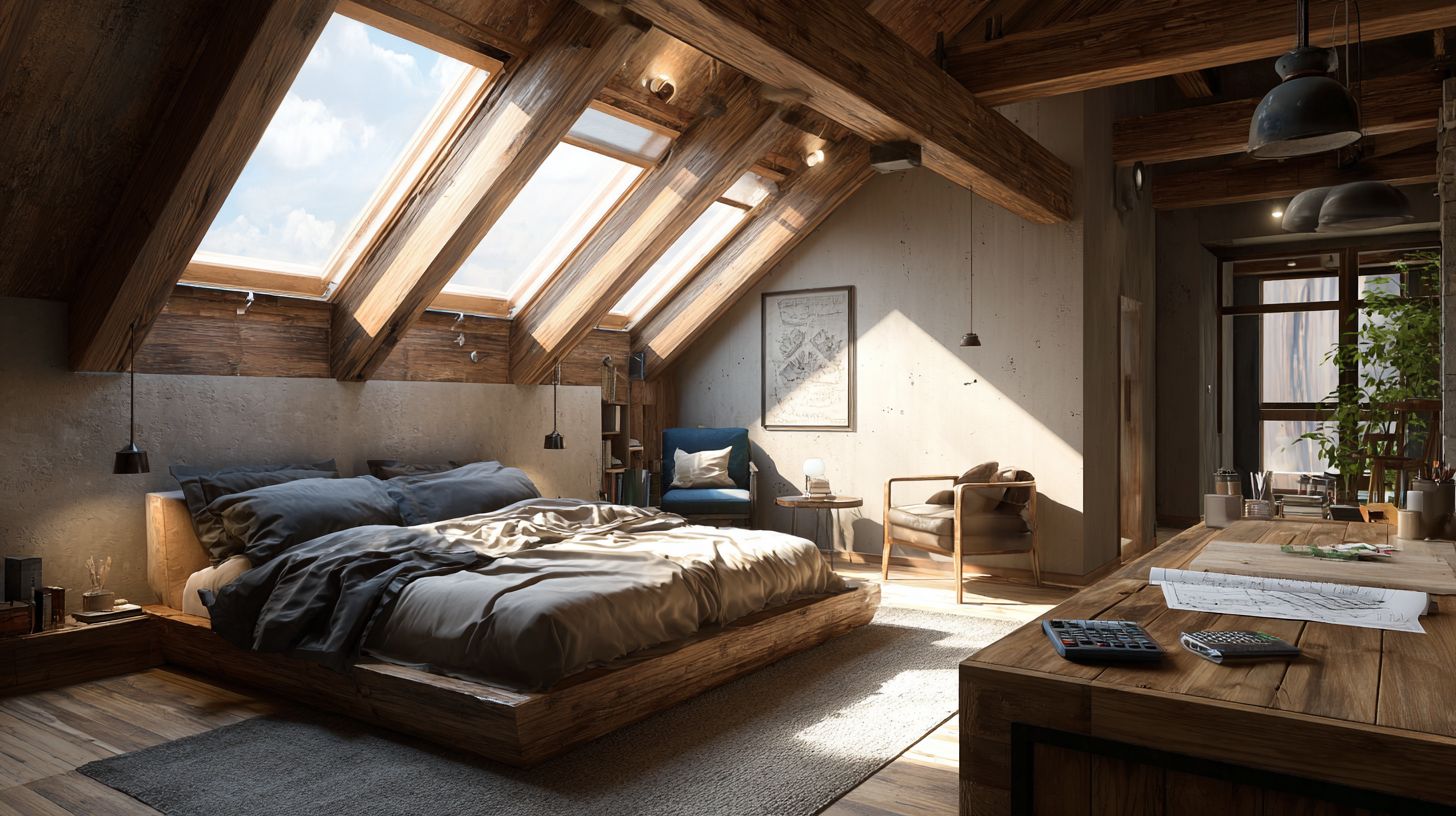
The costs associated with loft conversions in England and Wales vary considerably, ranging from approximately £15,000 for basic configurations to over £100,000 for more elaborate designs. These variations are influenced by several key factors, including the project’s location, its overall scale, and the structural requirements mandated by the Building Regulations, in line with guidance from GOV.UK. Preparing compliant building regulations plans and drawings is essential to navigate these requirements effectively and avoid costly revisions.
Location and Regional Variations
In London, loft conversion costs typically range from £2,000 to £3,000 per square metre, primarily due to elevated labour rates of £300 to £500 per day and a 20% VAT rate, in comparison to £1,500 to £2,000 per square metre across the broader South East England region.
These premiums in London are largely attributable to supply chain disruptions, which result in a 30% markup, as detailed in industry reports on England and Wales housing costs. For instance, a 30m² dormer loft conversion in London may total £60,000, whereas the equivalent project in the South East could amount to £45,000, benefiting from reduced logistics expenses through the engagement of local contractors.
To address these cost differentials, consult the Federation of Master Builders (FMB) directory to identify vetted professionals, searchable by postcode to determine regional rates. Additionally, negotiate bulk material purchases directly with local suppliers to mitigate VAT impacts, potentially achieving savings of 10-15% on materials.
It is prudent to secure multiple quotations and confirm eligibility for zero-rated VAT on qualifying eco-friendly upgrades.
Size, Scope, and Design Complexity
The cost of a basic 20m² loft conversion commences at £20,000. However, the inclusion of additional complexities, such as a hip-to-gable extension or an en-suite bathroom, can elevate expenses to exceed £50,000, while dormer designs may incur an additional £10,000 to £15,000 to accommodate enhanced headroom.
To ensure precise planning, delineate costs according to the project’s scope.
- Basic: The addition of roof windows entails an extra £1,000 to £2,000, offering an effective means of increasing natural light without requiring structural alterations.
- Dormer or hip-to-gable: This configuration ranges from £15,000 to £30,000 for approximately 40m², facilitating expanded usable space through modifications to the roof structure.
- Complex: An L-shaped dormer incorporating a roof terrace exceeds £40,000, inclusive of bespoke features.
For illustration, a loft conversion for a bungalow in the South East, encompassing 25m², was estimated at £35,000 using industry estimation software.
It is advisable to consult architects at an early stage; utilise 3D modelling tools such as SketchUp to forecast costs, prioritise essential elements, and prevent scope creep.
Structural and Building Requirements
Structural assessments conducted by a qualified engineer typically range from £500 to £1,500 and are required under Building Regulations in England and Wales. These assessments frequently identify necessary modifications, such as reinforced timber joists, which can increase project budgets by £5,000 to £10,000.
Key additional requirements include:
- A structural survey (averaging £800, in accordance with RICS guidelines) to evaluate load-bearing elements;
- A Party Wall Agreement (£1,000 to £2,000 for shared walls under party wall rules, pursuant to the Party Wall Act 1996);
- Compliance with fire safety standards, such as the installation of escape routes (adding approximately £2,000, as outlined in Approved Document B).
Under Permitted Development rights in England and Wales, no planning permission is required for rear dormer loft extensions on terraced houses where the additional volume does not exceed 40m³. Note that Building Regulations approval is still required separately.
For instance, a loft conversion project in London encountered delays due to ecological surveys (£700, mandated by Natural England regulations), which was ultimately addressed through proactive wildlife assessments.
Professionals, including Structural Engineers and Architects, may be engaged through the Institution of Structural Engineers to ensure access to vetted Contractors and experts.
Average Cost Estimates
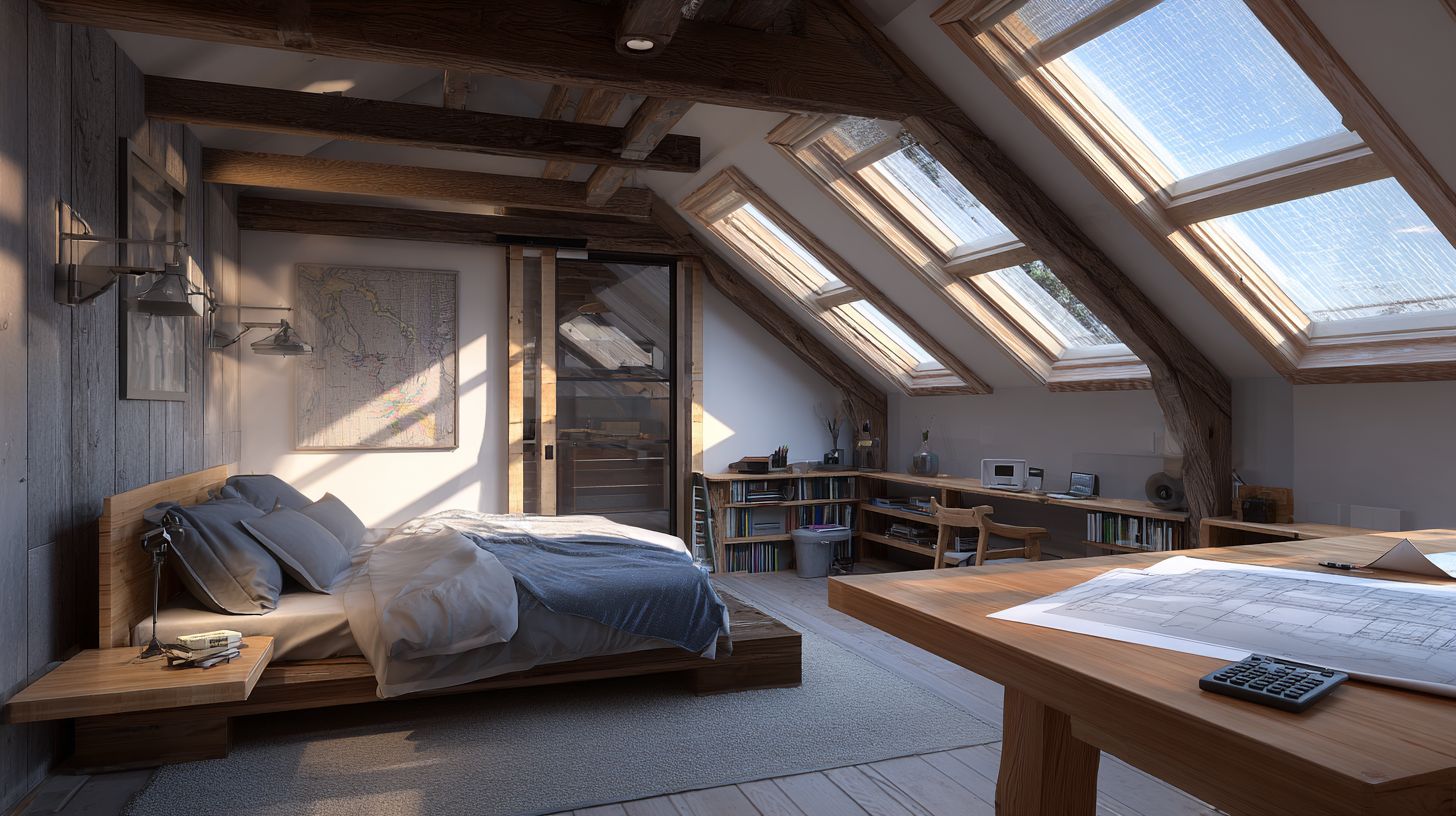
According to the 2023 Homebuilding & Renovating survey, which aligns with insights from the [ English Housing Survey](https://www.gov.uk/government/collections/english-housing-survey), the average cost of loft conversions in England and Wales ranges from £1,800 to £3,000 per square metre.
Basic projects typically fall between £15,000 and £30,000, while comprehensive full conversions can range from £50,000 to £100,000.
Basic Loft Conversion Costs
A basic Loft Conversion incorporating Velux Windows and requiring minimal structural modifications typically costs between £15,000 and £25,000 for an area of 20-30m². This estimate includes £2,000 for rock wool insulation materials to comply with energy efficiency standards.
The average project expenditure amounts to £20,000, with costs distributed as follows:
- £3,000 for roof retiling,
- £2,500 for a simple staircase or bespoke staircase, and
- £1,500 for basic flooring.
It is imperative to adhere to Building Regulations Part L, which mandates insulation achieving a U-value of 0.13 W/m²K or better for new roof elements to effectively reduce heat loss.
In terms of return on investment, such conversions generally increase property value by approximately £30,000, based on data from Zoopla.
To reduce expenses, property owners may consider modular conversion kits, which can save up to £5,000 in labour costs while preserving quality and expediting the process—making them particularly suitable for those inclined towards do-it-yourself projects or operating within a constrained budget.
Full or Complex Conversion Costs
Full loft conversions incorporating Dormer Window or Hip-to-Gable expansions typically range from £40,000 to £80,000 for a 40m² space, with the addition of En-Suite Bathroom contributing an extra £5,000 to £10,000 to cover plumbing and tiling requirements.
When selecting the most appropriate conversion option, it is essential to evaluate the following details:
- Dormer conversions generally cost approximately £30,000 and provide an increase in headroom of 1.5 metres, making them suitable for standard family applications.
- Mansard Conversion, on the other hand, exceed £50,000 and feature a steep pitch that imparts a more elegant aesthetic, albeit necessitating greater structural modifications.
- Hip-to-gable expansions that include en-suite facilities average £60,000, effectively converting side roof sections into expansive bedrooms.
It is noteworthy that the 2022 BRE study highlights the risk of 20% cost overruns in intricate projects, primarily attributable to planning delays. Cost efficiencies can be achieved by opting for prefabricated en-suite units at £3,000, in contrast to £8,000 for custom installations, thereby reducing labour expenses by 30%.
Detailed Cost Breakdown
A detailed breakdown of loft conversion costs demonstrates that materials typically comprise 30-40% of the total budget, equating to approximately £10,000 to £20,000. Labour accounts for 40-50% of the budget, ranging from £15,000 to £30,000, while fees and permits represent 10-15%, or £3,000 to £5,000. To grasp the planning elements that influence these fees, discover essential loft conversion plans and drawings with expert insights.
Materials, Labour, and Installation
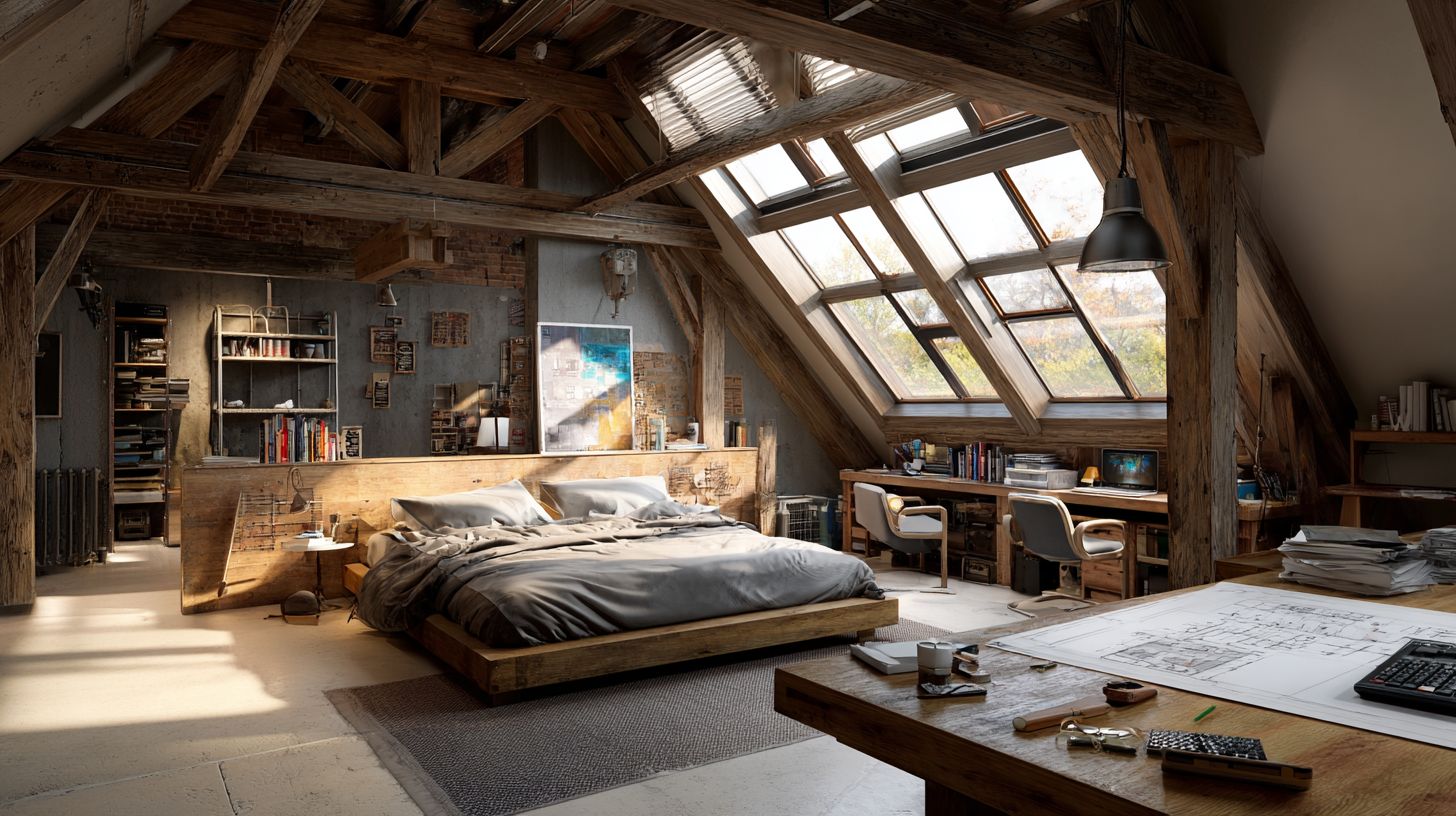
Materials such as timber joists (£2,000–£4,000), plasterboard, and glazing (Velux windows at £1,500 per pair) account for 35% of total costs, whereas labour for roofing and flooring installation typically averages £250 per day when utilising certified contractors, ensuring electrical compliance.
To optimise expenditure, additional costs can be itemised as follows:
- Roofing retile: £4,000–£6,000, with adherence to BS 5250 standards for vapour control layers.
- Flooring: Carpet at £20 per m² or tiles at £30 per m², amounting to approximately £2,000 for a standard room.
- Glazing and PIR insulation: £3,000 in combined costs to achieve enhanced energy efficiency.
In a project located in South East England, the use of recycled timber joists resulted in savings of £1,000.
It is advisable to avoid do-it-yourself installations to ensure compliance with electrical standards under BS 7671, as complete fit-outs generally necessitate 4–6 weeks of professional labour, thereby mitigating the risks of costly rework and safety hazards.
Professional Fees and Permits
Architects typically charge between £1,500 and £3,000 for design services, while structural engineers command fees of £800 to £1,500. Applications for planning permission, required when projects fall outside Permitted Development rights, incur costs starting at £500, with an additional 20% VAT applicable to most professional services.
To budget effectively for a home extension, it is advisable to engage architects registered with the Royal Institute of British Architects (RIBA), who generally charge 8-12% of the total project costs.
For the construction phase, contractors vetted by the Federation of Master Builders (FMB) are recommended, as they provide fixed-price quotations ranging from £20,000 to £40,000 for standard projects. Key permits include Party Wall Agreements, typically costing £1,000, and Building Regulations approval, priced between £300 and £600, all regulated under the Town and Country Planning Act 1990.
It is prudent to allocate a contingency fund of 5-10% to accommodate potential revisions, thereby ensuring regulatory compliance and effective cost management.
Additional and Hidden Expenses
Hidden costs, such as electrical compliance upgrades (£2,000–£4,000) and a 10–15% contingency fund, can increase loft conversion budgets by £5,000–£15,000, even though these expenses are frequently omitted from initial quotations.
Other potential challenges encompass:
- Ecological surveys (£700) required for bats or other wildlife; it is advisable to conduct preliminary bat assessments through local ecologists at an early stage.
- Rewiring for en-suite facilities, which necessitates Part P certification (£1,500); engage a certified electrician from the outset.
- Vapour control membranes (£500) to mitigate condensation risks, in accordance with BRE 443 guidelines; ensure their inclusion during the insulation design phase.
- Staircase modifications, where custom designs may cost £4,000 compared to £2,000 for straightforward options; consider modular kits to achieve cost efficiencies.
- Delays in roof retiling, which can incur additional labour costs of £3,000; arrange inspections prior to project commencement.
- Increases in insurance premiums (£500) occurring during the project; inform insurers at the earliest opportunity.
According to a study by the Federation of Master Builders (FMB), 25% of such projects exceed budgets by at least 10% due to these factors. To address this, allocate a 15% contingency fund and use project management applications for ongoing monitoring.
Budgeting Tips and Savings Strategies
Effective budgeting for loft conversions requires allocating a 10-15% contingency fund and utilising Permitted Development rights to achieve savings of £2,000-£5,000 on planning application fees, which can reduce overall project costs by up to 20%.
The following outlines six best practices for optimising your budget:
- Secure 3-5 quotes from contractors via the Federation of Master Builders to realise 10-15% savings on labour costs.
- Emphasise energy efficiency by incorporating PIR insulation, which qualifies for a £1,000 rebate under the ECO4 scheme.
- Implement phased construction, commencing with stair installation to achieve £3,000 in savings while enhancing interim usability.
- Select cost-effective Velux windows in lieu of Dormer Window extensions, thereby reducing expenses by £10,000.
- Employ project management applications to monitor and procure materials more efficiently.
- Reclaim VAT on zero-rated insulation materials to obtain an additional 5% in savings.
A standard £30,000 loft conversion project can increase property value by £45,000, delivering a 150% return on investment, as indicated by the Halifax House Price Index.
Frequently Asked Questions

What is the average cost of a loft conversion?
The average cost of a loft conversion in England and Wales typically ranges from £20,000 to £50,000, depending on the size, complexity, and location of the project. This includes basic structural work, insulation, and finishing, but excludes additional features like en-suites or dormer extensions, which can push costs higher.
What factors influence the average cost of a loft conversion?
Several factors can affect the average cost of a loft conversion, such as the existing roof structure, access requirements, and whether planning permission is needed. For instance, a simple Velux or Hip-to-Gable loft conversion might average £15,000–£25,000, while an L-shaped dormer or a more elaborate mansard conversion could exceed £60,000 due to extensive modifications.
How does location impact the average cost of a loft conversion?
The average cost of a loft conversion varies by location; in London and the South East, it can reach £40,000–£70,000 due to higher labor and material prices, whereas in the North of England, costs often average £20,000–£40,000, reflecting regional economic differences and property values.
What is included in the average cost of a loft conversion?
The average cost of a loft conversion generally covers structural reinforcements overseen by a Structural Engineer, roofing alterations, electrical and plumbing installations, insulation, flooring, and basic plastering. However, extras like built-in wardrobes, skylights, or staircases may add 10–20% to the total, so it’s essential to get a detailed quote.
Are there ways to reduce the average cost of a loft conversion?
Yes, you can lower the average cost of a loft conversion by opting for a straightforward design, using cost-effective materials, or applying for grants if eligible (e.g., for energy-efficient features). DIY elements for non-structural work or choosing off-peak contractors can save up to 15–20% on the typical £30,000 average.
What is the average cost of a loft conversion for a small home?
For a small home (e.g., a bungalow conversion or a two-bedroom terrace), the average cost of a Loft Conversion is around £15,000–£30,000, focusing on minimal changes like adding a bedroom and En-Suite Bathroom. This is lower than larger properties, where costs can double due to increased space and complexity.