
Key Takeaways:
What is a Party Wall Agreement?
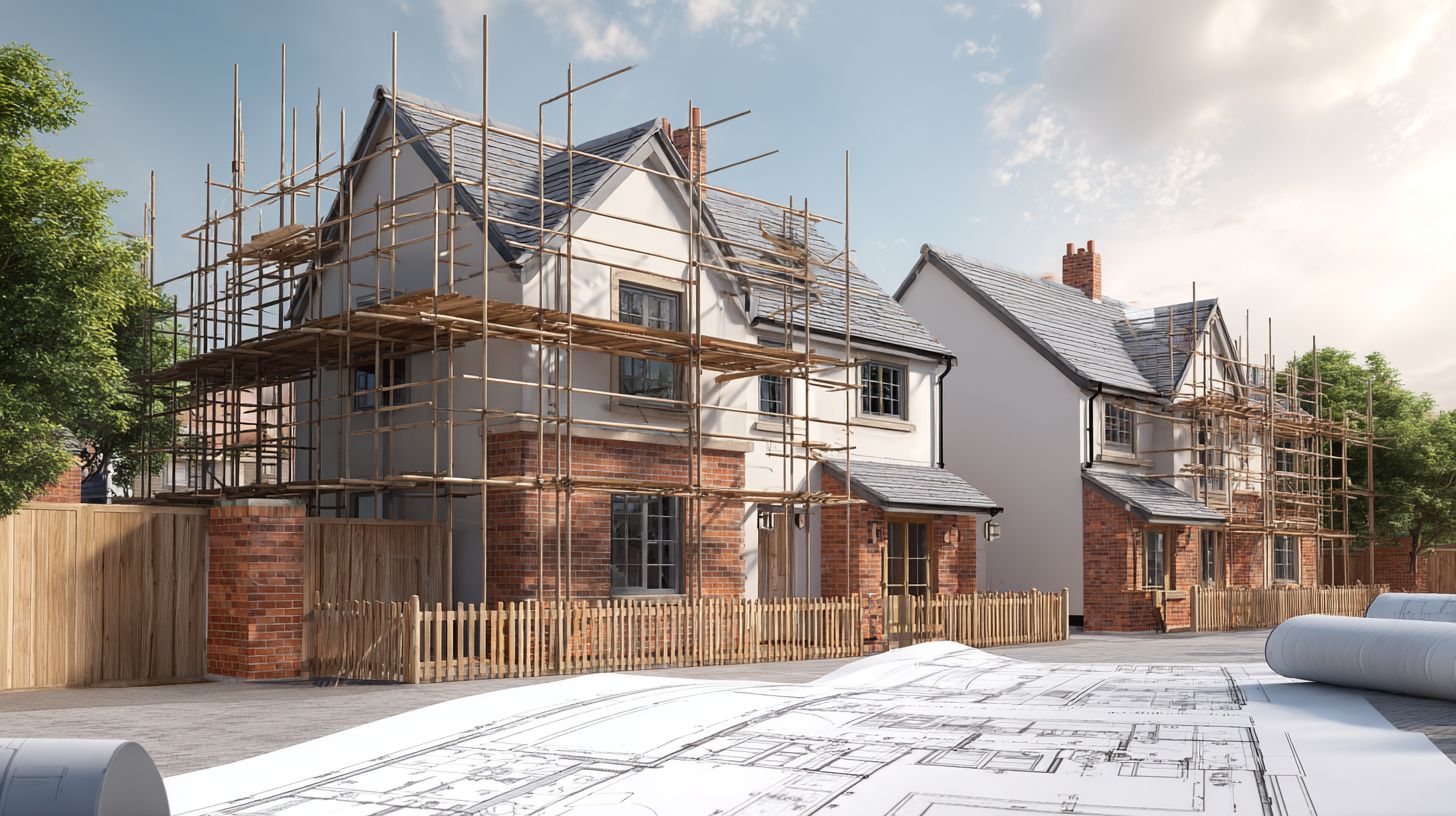
A party wall agreement, as governed by the Party Wall Act 1996 in England and Wales, constitutes a written agreement designed to ensure that construction works on shared boundaries between terraced house or semi-detached house properties do not give rise to disputes or property damage to the properties of adjoining properties.
Enacted in 1996, the Party Wall Act was introduced to address the increasing incidence of neighbour disputes in densely populated urban areas, such as London, where Victorian terraced housing commonly features shared walls and boundaries.
Ahead of the Act’s implementation, resolutions under common law were often protracted, costly, and prone to litigation.
The legislation establishes a statutory framework that safeguards property rights, striking a balance between the building owner’s entitlement to perform notifiable works—such as single storey side extensions, loft conversions, or excavations—and the adjoining owner’s protections against potential damage, noise, and disruption.
The Act delineates key roles and procedures: the building owner (referred to as the “party”) is required to serve a Party Wall Notice at least two months prior to commencing work, specifying the proposed activities.
The adjoining owner has 14 days to respond with consent, dissent, or a request for further details; failure to respond within this period is deemed dissent, which initiates the appointment of an agreed surveyor or third surveyor to prepare the party wall award.
This process upholds the legal rights of both parties: the building owner may proceed without the risk of injunctions, while the adjoining owner is entitled to compensation for any anticipated harm and the authority to mandate remedial actions.
A relevant case study from the Royal Institution of Chartered Surveyors (RICS) pertains to a 2020 loft conversion project in a North London terraced house.
The homeowner intended to modify the shared party wall, but proceeding without an agreement could have resulted in work stoppages, injunctions, and significant legal costs, in addition to surveyor fees.
By commencing the notice procedure and securing a surveyor-mediated agreement, the project advanced without interruption.
The agreement encompassed measures such as vibration monitoring and structural support reinforcements, thereby averting disputes through dispute resolution and exemplifying the Act’s objective of promoting amicable resolutions in lieu of adversarial court proceedings.
Overview of Loft Conversions
Loft conversions effectively repurpose underutilised attic spaces into functional living areas, potentially increasing property values by up to 20% in England and Wales. Popular configurations include dormer extensions for terraced houses and full hip-to-gable conversions for semi-detached properties.
Loft conversions can offer an average return on investment of around £30,000 for an initial outlay of £25,000, positioning them as a financially prudent enhancement, with costs typically ranging from £1,500 to £2,500 per square metre in England and Wales.
Among the principal variants are L-shaped dormers, which facilitate front-to-back beam installations to optimise headroom in terraced house residences; Velux loft conversion, a minimally invasive approach that incorporates skylights without requiring substantial structural modifications; and mansard designs, which seamlessly accommodate chimney breast removals while incorporating sloped ceiling elements.
For example, in a project on a detached house property in London, 50 square metres of additional space were created, elevating overall space utilisation from 40% to 85%. This enhancement improved bedroom and en-suite capabilities while adhering strictly to the allocated budget, showcasing portfolio examples.
When is a Party Wall Agreement Needed for a Loft Conversion?
In the context of loft conversions, a party wall agreement is essential when the project impacts shared walls or structures in terraced or semi-detached properties. This requirement is mandated by the Party Wall Act 1996 to protect adjoining properties, particularly in densely populated urban environments such as London.
Works Affecting Shared Walls
Loft conversion frequently necessitate modifications to party wall shared walls, such as the insertion of a steel beam to support a load bearing wall or the removal of a chimney breast. These alterations typically trigger the requirement for a party structure notice under the Party Wall etc. Act 1996, particularly in terraced house and semi-detached house properties.
Key challenges include structural instability, disputes with neighbours, and legal delays.
- First, unsupported chimney breast presents a risk of collapse, as demonstrated in a case that incurred £10,000 in repair costs. It is recommended to engage an RICS surveyor or chartered surveyor for a comprehensive inspection, including defect identification, and to install an RSJ steel beam in accordance with BS 5950 standards, as detailed in a 2020 publication by the Scottish Government on structural design standards.
- Second, modifications to shared wall without prior notification can lead to substantial construction delay, such as a six-week postponement in a project in England and Wales, resulting from neighbour objections.
- Third, non-compliance with the Act may result in a fine of up to £1,000; notices should therefore be served at least two months in advance.
Homeowner Checklist:
- Consult a professional member of the RICS or Faculty of Party Wall Surveyors;
- Review the Party Wall Act 1996 via gov.uk;
- Notify adjoining owner;
- Allocate budget for surveyors fees (£500–£1,500), including paperwork drafting.
Excavations or Structural Alterations
Deep excavation work for loft conversion foundations or to underpin wall adjacent to boundary wall, including those in detached house properties, require a party wall agreement if situated within 3 metres of neighbouring structures, in accordance with Section 6 of the Party Wall Act 1996.
To precisely determine this requirement, undertake the following procedural steps:
- Measure the distance to the boundary utilising a laser measuring device, which enables accurate readings up to 50 metres and can be accomplished in approximately 5 minutes.
- Examine potential interference with the damp proof course (DPC), verifying a minimum clearance of 150 mm to avert moisture ingress and associated complications.
- Assess whether purpose-built columns or foundations extend into the boundary area, thereby necessitating formal notification.
A prevalent oversight involves disregarding non-party walls, which can contribute to disputes.
Initial assessments typically span 1 to 2 weeks; reference NHBC standards for excavation depths to ensure safety, such as a minimum of 600 mm below ground level, thereby mitigating structural hazards.
The Legal Basis: Party Wall etc. Act 1996
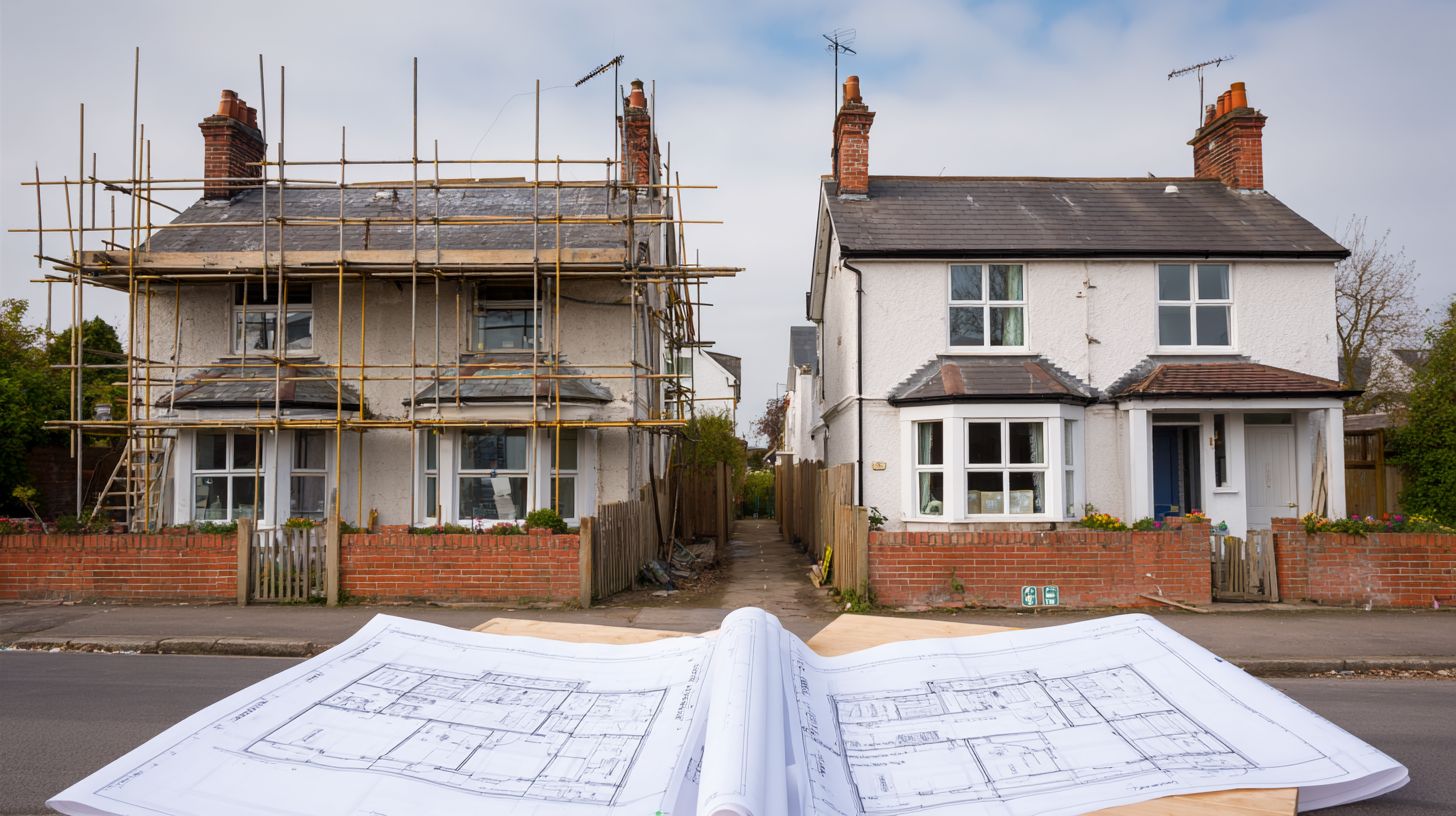
The Party Wall Act 1996, which applies throughout England and Wales, delineates the legal rights and obligations of building owner and adjoining owner. Non-compliance with the 1996 Act may result in substantial legal penalties, including a fine of up to £1,000, as imposed by local authorities.
The legislation originated from consultations conducted by the Royal Institute of Chartered Surveyors (RICS) in 1991. The full text of the Act is accessible via legislation.gov.uk. The UK Government’s The Party Wall etc Act 1996: explanatory booklet provides detailed guidance on its origins, rights, and procedural requirements.
Several key sections outline the procedural requirements for deadline compliance. Section 1 pertains to works at the line of junction, such as construction on or near boundaries; in cases involving shared wall, building owners are required to serve notice on adjoining owners, ensuring cost efficiency and time efficiency.
Section 2 mandates the serving of notices for proposed alterations to party structures, including interventions such as cutting into a wall to insert beams; such notices must provide a minimum of two months’ advance notice.
Section 6 addresses excavations within 3 to 6 metres of neighbouring structures, particularly those deeper than the neighbour’s foundations or exceeding 3 metres in depth, requiring the completion of surveys to mitigate potential risks.
In a case referenced by the RICS involving a terraced house in London, strict adherence to the Act’s provisions prevented structural cracks during basement excavations, thereby averting damage claims exceeding £15,000.
It is advisable to engage a qualified party wall surveyor, such as from the Royal Institute of Chartered Surveyors, at an early stage to prepare and serve appropriate notices, as well as to appoint surveyors where necessary, thereby facilitating efficient and amicable resolutions, including purpose-built column assessments.
How to Determine if Your Project Triggers It
To determine whether a loft conversion necessitates a party wall agreement, it is essential to review the project plans for any potential impacts on shared structures. According to data from the Faculty surveyors, the Faculty of Party Wall Surveyors, 65% of loft conversion projects in semi-detached houses in urban England and Wales require such an agreement.
Assessing Your Plans
Commence the evaluation of loft conversion plans by mapping critical structural elements, such as load-bearing walls and steel beam placements, in accordance with the Party Wall Act, the 1996 Act. Employ precision tools like AutoCAD to obtain accurate measurements, particularly in terraced properties.
Adhere to the following five best practices to conduct a comprehensive assessment:
- Examine architectural drawings for chimney breast removals, cross-referencing examples from the RICS portfolio, to verify structural integrity.
- Inspect damp proof course levels, recommending a minimum of 150mm, which should be confirmed through hygrometer testing to mitigate potential moisture ingress.
- Perform simulations of front-to-back beam loads utilising finite element analysis (FEA) software, such as ETABS, allocating approximately two hours for the analysis.
- Consult sketches from adjoining property owners to ensure compliance with party wall notices.
- Maintain comprehensive documentation, including timestamped photographs of all relevant elements.
This evaluation process should be finalised within one week prior to construction commencement.
Targeted redesign measures can eliminate the need for underpinning walls, resulting in cost reductions, as per UK Building Regulations.
Serving a Party Wall Notice
The issuance of a formal notice, a party wall notice, represents the initial formal procedure in such matters. It requires building owners to provide adjoining owners with at least two months notice for any proposed works, such as loft conversions, that may affect shared walls in semi-detached properties.
Types of Notices Required
The Party Wall Act 1996 establishes three principal types of notices: the Party Structure Notice, which applies to works involving shared walls; the Line of Junction Notice, pertaining to boundary walls; and the Excavation Notice, relevant to excavations conducted within 3 to 6 metres of non-party walls.
To effectively manage these notices, it is essential to evaluate their key characteristics, as outlined in the table below:
| Notice Type | Trigger Example | Notice Period | Response Time | Best For |
|---|---|---|---|---|
| Party Structure | Chimney breast removal | 2 months | 14 days | Structural loft works |
| Line of Junction | New boundary wall in terraced house | 1 month | 14 days | Extensions |
| Excavation | Digging foundations within 3-6m of neighbouring structure | 1 month | 14 days | Deep excavations |
Data from the Royal Institution of Chartered Surveyors (RICS) indicates that 40% of notices served are Party Structure Notices. Issuing the appropriate Party Structure Notice can resolve disputes, thereby avoiding significant delays and associated costs.
It is recommended to engage a qualified RICS surveyor at the earliest opportunity and to serve all notices via recorded delivery to ensure compliance with the Act’s requirements.
Involving Surveyors and Neighbours
It is advisable to engage professionals accredited by the Royal Institute of Chartered Surveyors (RICS) or the Faculty of Party Wall Surveyors at an early stage to ensure impartial oversight. In approximately 80% of cases, agreed surveyors facilitate the securing of neighbours’ consent and the preparation of party wall awards.
To proceed effectively under the Party Wall etc. Act 1996, adhere to the following numbered steps:
- Identify qualified surveyors through the RICS directory.
- Approach neighbours to obtain their consent, providing detailed information on the proposed works using a formal notice template.
- In case of a dispute, appoint a third surveyor to conduct mediation (with an average fee of £1,000), thereby resolving matters impartially.
Common errors, such as delaying the engagement of professionals, can result in setbacks of up to one month. The overall process typically requires 2 to 4 weeks.
For example, in a dispute concerning a semi-detached house extension in Wales, mediation facilitated a resolution, averting court proceedings through a binding award issued by the Faculty of Party Wall Surveyors.
Costs and Timelines Involved
Party wall agreements typically incur surveyor fees ranging from £1,000 to £2,500 for loft conversions, with timelines generally spanning 2 to 3 months from the serving of notice to the issuance of the award. This process promotes overall project cost efficiency by mitigating potential delays.
For a typical terraced house loft conversion in general, the costs can be broken down as follows:
- Notice drafting: £200
- Initial surveyor visits and negotiations: £800
- Award preparation: £700
This results in a total of £1,700.
Adherence to the Party Wall etc. Act 1996 requires serving notice at least two months prior to the commencement of works, with responses due within 14 days to prevent disputes. In a London context, this framework ensures a 10-week timeline.
Compliant procedures can yield time savings, delivering a robust return on investment through avoided delay penalties.
Proactive agreement implementation can lead to efficiency improvements across England and Wales.
Consequences of Not Obtaining an Agreement
Failure to obtain a party wall agreement may result in court-issued injunctions that halt construction activities, and liability for damages to adjoining properties exceeding £20,000 in severe cases under the Party Wall etc. Act 1996.
To mitigate these risks, it is essential to address key challenges proactively:
- Legal penalties, including potential court costs and injunctions for failing to meet compliance deadlines, can be avoided by serving formal notice at least two months in advance through a qualified surveyor.
- Claims for property damage, which average £3,000 as identified through Royal Institution of Chartered Surveyors (RICS) inspections, require comprehensive pre-agreement surveys to document boundaries accurately.
- Construction delays of 3 to 6 months are common; these can be resolved through mediation by an agreed third surveyor.
- Loss of legal rights, such as injunctions sought by adjoining owners, necessitates obtaining written consent prior to the commencement of works.
A 2022 case in London, as documented by the Royal Institute of Chartered Surveyors, resulted in rework costs of £15,000 due to non-compliance, underscoring the critical need for early and diligent action.
Frequently Asked Questions
Do I need a party wall agreement for my loft conversion?
If your loft conversion involves work on or near a shared boundary wall with a neighboring property, such as inserting beams or altering the structure, then yes, you likely need a party wall agreement under the Party Wall etc. Act 1996. This legal document protects both parties from disputes. Always consult a surveyor to confirm if “Do I need a party wall agreement for my loft conversion” applies to your specific project.
What triggers the need for a party wall agreement during a loft conversion?
A party wall agreement is triggered if your loft conversion requires excavation within 3 meters of a neighbor’s building, building above or near the party wall, or making the wall thicker. For instance, installing steel beams into the party wall often necessitates it. If you’re wondering “Do I need a party wall agreement for my loft conversion,” assess these factors early to avoid delays.
How long does it take to obtain a party wall agreement for a loft conversion?
Obtaining a party wall agreement typically takes 1-2 months, starting with serving a notice to your neighbor at least two months before work begins. If they agree, it’s straightforward; if not, a surveyor may be appointed. Addressing “Do I need a party wall agreement for my loft conversion” promptly ensures your project timeline stays on track without legal interruptions.
What are the costs involved in a party wall agreement for my loft conversion?
Costs for a party wall agreement can range from £700 to £2,000 per neighbor, covering surveyor fees and potential awards. The building owner (you) usually pays, but disputes could increase expenses. If “Do I need a party wall agreement for my loft conversion” is a concern, factor this into your budget from the planning stage.
Can I proceed with my loft conversion without a party wall agreement?
No, proceeding without a required party wall agreement risks legal action from neighbors, such as an injunction halting work, and liability for any damages or losses caused to the neighbor, plus associated legal costs. It’s essential for compliance under the Party Wall Act 1996. If you’re asking “Do I need a party wall agreement for my loft conversion,” seek professional advice to prevent costly setbacks.
Who should I contact if I need a party wall agreement for my loft conversion?
Contact a qualified party wall surveyor, an RICS surveyor from the Royal Institute of Chartered Surveyors or a Faculty surveyors affiliated with the Faculty of Party Wall Surveyors, experienced in residential projects under the Party Wall Act, 1996 Act known as the Party Wall Act 1996; they can serve notices and draft the agreement. This applies across England and Wales, including London. Your local authority or RICS can recommend qualified professionals. To answer “Do I need a party wall agreement for my loft conversion,” start with a surveyor’s initial assessment for tailored guidance.