
Key Takeaways:
What is a Party Wall Agreement?
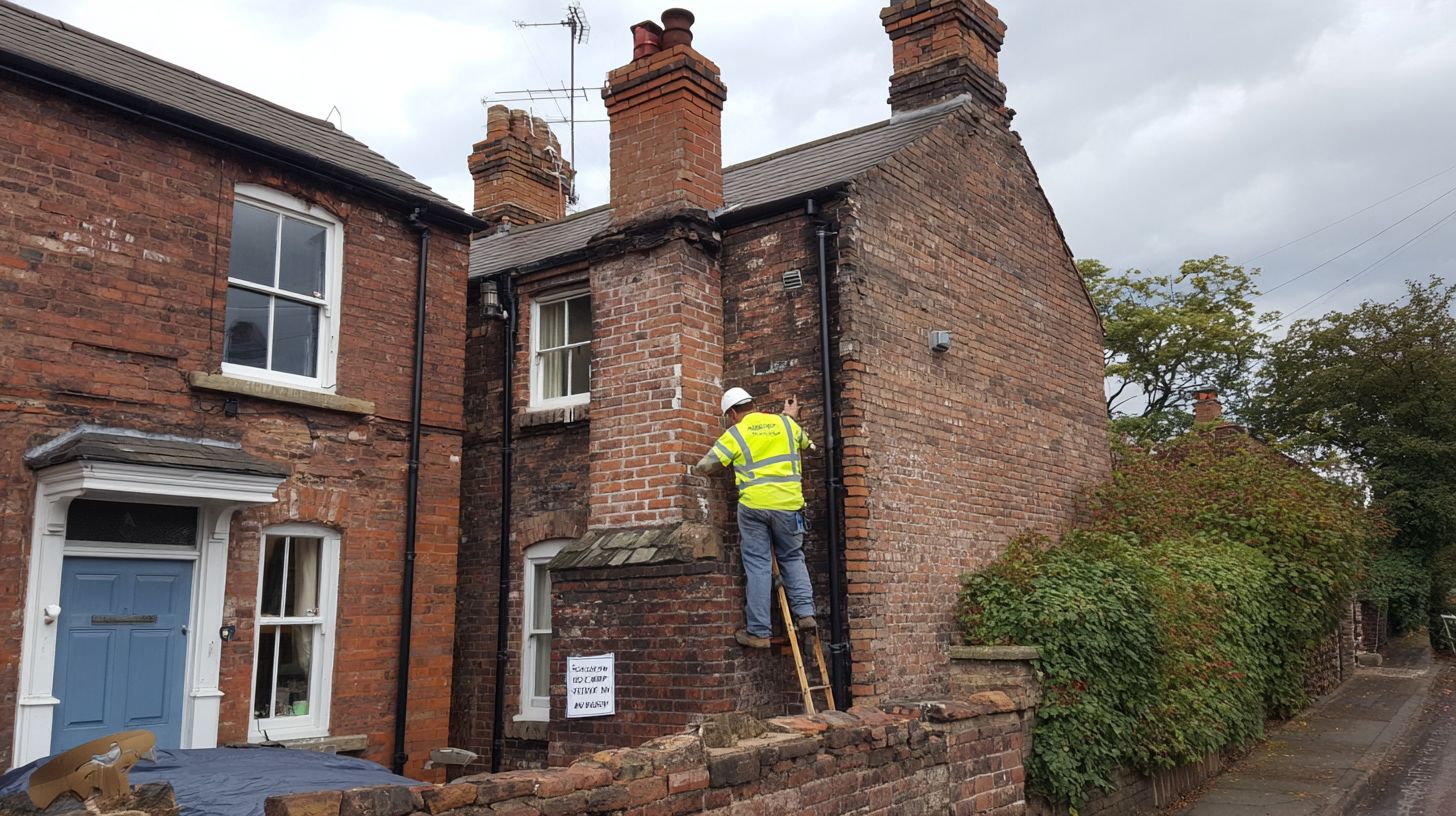
A Party Wall Agreement, also known as a neighbour agreement, as governed by the Party Wall etc. Act 1996, constitutes a formal legal document that establishes consent between adjoining property owners for any works impacting a shared boundary, such as the removal of a chimney breast. This agreement serves to prevent disputes arising from concerns over structural integrity.
The agreement is instrumental in protecting the neighbour rights of neighbouring property owners during load-bearing modifications, including the installation of gallows brackets to support upper floors following the removal of a chimney breast. If you’re considering broader projects like single storey side extensions that may also affect shared walls, Pursuant to Section 1 of the Party Wall etc. Act 1996, such notifiable works necessitate the service of a written Party Wall Notice during the notice period of at least two months in advance.
This notice must outline the proposed alterations in detail and incorporate a condition report that assesses the pre-existing state of the shared wall, thereby documenting any prior damage.
Essential components of the process include securing landlord consent and the consent of the adjoining owner or, in the event of a dispute, appointing qualified surveyors.
The Party Wall etc. Act 1996: Key Provisions
Enacted in 1996, the Party Wall etc. Act 1996 governs matters in England and Wales, requiring the serving of notices for any construction works situated within three metres of a party wall. Adjoining owners have a 14-day period to respond with counter-notices.
Key provisions of the Act include:
- Section 1: Addresses works at the line of junction, such as constructing on or astride a party wall, which necessitate mutual agreement regarding construction specifications.
- Section 3: Requires notices for excavations exceeding three metres in depth within six metres of adjoining structures, detailing the proposed depth and methodology to mitigate potential damage.
- Section 6: Mandates protective measures for the foundations of adjoining properties during excavations deeper than three metres adjacent to them, or within three metres if the excavation is shallower.
- Section 10: Provides for dispute resolution via the appointment of a party wall surveyor, who determine party wall awards, allocate costs, and ensure adherence to the Act’s requirements (for professional guidance on notices, schedules, and awards, see our Party Wall Surveyor Services).
- Deemed consent: In the absence of a response within 14 days to a Party Structure Notice, the building owner may proceed with the works; however, it is advisable to seek formal agreement to mitigate risks of later disputes.
The UK Government’s Party Wall etc Act 1996 explanatory booklet emphasizes that issuing notices at an early stage helps to avert complications. A study by the Royal Institution of Chartered Surveyors (RICS) reveals that 70% of disputes are resolved prior to the commencement of works when appropriate notices are served, thereby conserving time and expenses for property owners.
Understanding Chimney Removal in UK Properties
Before chimney removal, consider chimney maintenance. Chimney removal in UK properties entails the careful dismantling of the chimney breast and stack, with strict adherence to Building Regulations Part A (structure), as detailed in the Approved Documents from the UK Government. This process frequently necessitates the installation of a steel beam or rolled steel joist (RSJ) to replace the load-bearing support previously provided by the masonry.
To ensure safe and compliant removal, adhere to the following numbered steps:
- Engage a structural engineer to conduct an initial survey (typically costing £300–£500, obtain a surveyor quote) for assessing load paths and securing requisite approvals.
- Engage a chimney sweep for flue inspection and to inspect and cap the flue; if wood-burning capabilities are to be retained, explore fireplace options and install a stainless steel flue system to prevent leaks, in accordance with Health and Safety Executive (HSE) guidelines.
- Demolish the chimney breast using a sledgehammer or controlled demolition techniques, taking precautions to avoid damp penetration from debris falling; personal protective equipment (PPE) must be worn at all times, as stipulated by HSE safe demolition protocols.
- Install gallows brackets or an RSJ (such as a 203x133x25 universal beam, commonly suitable for Victorian properties) to provide structural support, ensure the RSJ fitted correctly, and obtain a completion certificate upon finishing.
Related insight: If shared walls are involved in your property, a [Party Wall Surveyor](https://www.survdesign.co.uk/party-wall-surveyor/) can help navigate legal requirements during structural changes like chimney removal.
A prevalent error is bypassing building approval and building regulation approvals, which can result in enforcement notices. For instance, a case in Kent involved improper chimney removal leading to a roof collapse, underscoring the critical importance of professional oversight.
Does Chimney Removal Trigger a Party Wall Agreement?
The removal of a chimney frequently requires a Party Wall Agreement under the Party Wall etc. Act 1996, particularly when it impacts a shared wall or chimney stack. This is especially pertinent in semi-detached or terraced properties in the UK, where structural modifications may affect adjoining buildings.
Shared Chimney Stacks
Shared chimney stacks, prevalent in Victorian terraced properties, typically straddle the party wall and necessitate a Party Wall Agreement. This is due to the potential risks associated with their removal or alteration, which could compromise the structural integrity of the adjoining property.
To determine whether a chimney stack is shared, one should examine for indicators such as mid-feathers that divide the flues or bricks that extend across the party wall.
Confirmation should be obtained through a professional building survey, which typically costs between £400 and £600. Such surveys encompass structural analysis and photographic documentation.
For example, in a semi-detached property in Kent, the removal of a shared chimney stack required the issuance of a Party Structure Notice pursuant to Section 2 of the Party Wall etc. Act 1996. This led to the appointment of a joint surveyor to mitigate potential disputes.
According to a report from the Royal Institution of Chartered Surveyors (RICS), conflicts have increased by 60% in cases lacking prior agreement, underscoring the importance of providing early notification to neighbouring property owners.
Impact on Adjoining Properties
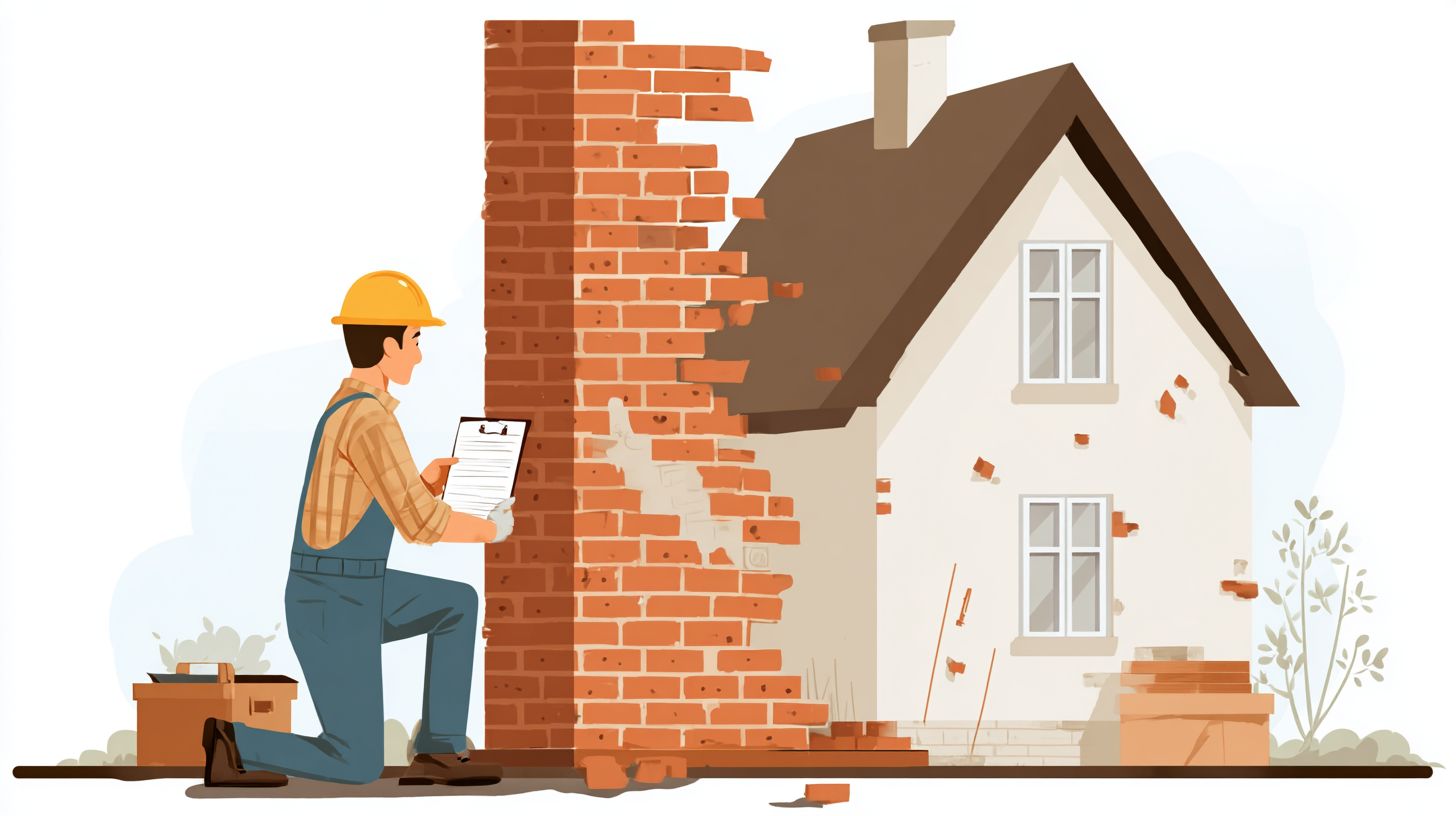
Chimney removal may adversely affect adjoining properties by altering the load-bearing distribution on the party wall, which could result in cracks or structural instability if the masonry support is not reinforced with steel beams.
To mitigate these risks, it is essential to adhere to Building Regulations Approved Document A, which requires comprehensive structural assessments.
Key impacts and corresponding solutions include:
- Vibration arising from demolition activities—utilise dust suppression sprays and schedule operations during off-peak hours (e.g., 9:00 AM to 5:00 PM on weekdays) to minimise disturbances.
- Debris entering shared flues—install temporary plastic covers over openings during the removal process.
- Damp issues post-removal—apply a chemical damp-proof course injection along the affected walls.
- Roof impact and instability during loft conversions—engage a structural engineer for a mandatory assessment.
A case study illustrated the £2,000 cost of remedial work required to address unmitigated party wall cracks, emphasising the importance of proactive measures.
Internal vs. External Chimneys
Internal chimneys that are attached to the party wall generally necessitate formal agreements for the removal of the breast, whereas external chimneys may not require such agreements unless they share a stack, as determined by a structural engineer’s load calculations.
For internal removals of chimney breasts on or forming part of the party wall, notice under the Party Wall Act is required. Separate consideration may be needed for any excavations within 3 metres of the neighbouring structure, which could trigger an Adjacent Excavation Notice.
In one example involving a London flat, structural support was necessary to redistribute loads, in accordance with the guidelines of the Institution of Structural Engineers (IStructE) regarding load paths.
External gable-end stacks, however, are frequently exempt from such requirements if they are standalone, providing easier access for removal while necessitating robust weatherproofing measures to prevent damp ingress, with associated costs typically ranging from £2,000-£4,000.
In a Kent bungalow case, the removal process of the chimney breast and fireplace avoided the need for notice by confirming no shared loads through IStructE-recommended calculations, thereby saving time and associated fees.
Assessing Your Specific Situation
It is advisable to evaluate the chimney removal project by engaging a chartered surveyor to conduct a comprehensive condition report. This assessment should determine whether the chimney breast is load-bearing and assess any potential impacts on the roof structure, particularly in the context of loft conversions.
To proceed with safe removal, adhere to the following structured steps:
- Engage a structural engineer, sourced from the Royal Institution of Chartered Surveyors (RICS) directory, for a thorough evaluation (initial consultation fee approximately £250, lasting 1-2 hours). The engineer will verify the load-bearing status and, if necessary, specify the installation of steel beams or gallows brackets.
- Arrange a party wall survey to examine any shared structural elements. It is critical to avoid the common oversight of focusing solely on internal walls, as this may precipitate disputes with adjoining properties.
- Ensure compliance with building regulations, with particular attention to Part A concerning load paths. Utilise resources such as the UK Government’s Planning Portal for guidance.
- Obtain informal input from neighbours early in the process (approximately one week) to anticipate and mitigate potential concerns.
A frequent error in such projects is neglecting remnants of the flue from old wood burning fireplaces, which can lead to damp issues. Proactive assessment by RICS professionals can avert retrospective fees amounting to £1,500.
Serving a Party Wall Notice
To serve a Party Wall Notice, it is necessary to deliver a written notice at least two months prior to the commencement of any works (or one month for excavation notices). This notice should use standard templates, such as those provided by the Royal Institution of Chartered Surveyors (RICS), to formally advise adjoining owners of the proposed alterations to the chimney.
Types of Notices Required
There are three primary types of notices under the Party Wall Act: the Party Structure Notice, applicable to works involving chimney breasts on shared walls; the Line of Junction Notice, relevant for alterations to chimney stacks; and the Adjacent Excavation Notice, required when foundations may be affected.
For a Party Structure Notice (pursuant to Section 3 of the Party Wall Act), notification is necessary for the removal of internal chimney breasts. This notice must be served at least two months in advance, utilising a standard template from the Royal Institution of Chartered Surveyors (RICS), and should provide precise details of the proposed works to minimise the risk of disputes.
Line of Junction Notices (under Section 4) necessitate the submission of detailed plans for any alterations to shared chimney stacks, such as removing mid feathers, with particular emphasis on clearly delineating boundary alignments.
Adjacent Excavation Notices (under Section 5) require at least one month’s notice when excavations—such as those for installing a rolled steel joist (RSJ)—are likely to impact neighbouring foundations within a distance of 3 to 6 metres.
Preparation of these notices typically requires 1 to 2 days. A frequent error is providing insufficiently detailed descriptions, which can result in the issuance of counter-notices by affected parties.
In contrast, a project in Kent achieved a successful outcome through meticulous and precise notice service, enabling an amicable resolution of all concerns.
Handling Disputes and Agreements

To address disputes effectively, it is necessary to appoint either mutually agreed-upon or independent chartered surveyors to prepare a Party Wall Award. This process resolves matters such as access for flue inspections and must be initiated within 14 days of receiving a counter notice.
The following numbered steps outline a structured approach to resolution:
- Respond to the counter notice within 14 days by proposing the appointment of a joint surveyor, preferably selected from professionals accredited by the Royal Institution of Chartered Surveyors (RICS), to help control costs.
- Engage in negotiations regarding the terms of the award, clearly defining protective measures such as the use of scaffolding or temporary propping; surveyor fees typically range from £800 to £1,200 per party and are often divided equally.
- In case of stalled negotiations, implement the three-surveyor protocol, whereby each party appoints one surveyor, and those two jointly select a third; under the Party Wall etc. Act 1996, the adjoining owner may be required to bear the costs if their position is deemed unreasonable.
As a recommended best practice, initiate RICS mediation at an early stage, which demonstrates an 85% success rate in preventing escalation. For instance, in a case handled by a chartered surveyor, a dispute concerning structural integrity was resolved through the issue of a Party Wall Award, thereby averting potentially expensive court proceedings.
Costs and Responsibilities Involved
The expenses associated with Party Wall Agreements typically range from £1,000 to £2,500, encompassing surveyor fees. The building owner bears responsibility for all costs unless disputes emerge, with additional requirements for obtaining landlord consent in cases of rental properties.
According to data from the Royal Institution of Chartered Surveyors (RICS), average surveyor quotations commence at £700. Furthermore, the cost of serving a Party Wall Notice is approximately £100 when utilising fixed-fee services.
To effectively manage this process, building owners are advised to serve the requisite notice at least two months prior to the commencement of any works.
The primary responsibilities of the involved parties are outlined as follows:
- Building owner: Prepare and serve the notice, and assume all costs related to surveys and the preparation of the award. Explore Party Wall Surveyor Services for notices, schedules, and awards to streamline this process.
- Adjoining owner: Grant reasonable access to the property and seek compensation for any resultant damage.
In a notable case involving a loft conversion in Kent, the total expenditure reached £1,800 for the installation of the RSJ and the associated award. However, obtaining the agreement in advance mitigates the risk of fines exceeding £10,000 arising from legal disputes, thereby delivering a substantial return on investment.
Consequences of Proceeding Without Agreement
Proceeding without a Party Wall Agreement may result in injunctions that halt construction works, the need for retrospective consent applications costing in excess of £5,000, and liability for damages to the adjoining owner as stipulated under the Party Wall Act.
Key risks associated with non-compliance include:
- Injunctions, such as a court order that interrupts demolition activities mid-project, like using a sledgehammer to remove the chimney breast; to address this, an application for an urgent award may be submitted to resume operations.
- Fines of up to £50,000 for violations of Building Regulations, for example, the installation of an uncertified rolled steel joist (RSJ).
- Claims for compensation, ranging from £2,000 to £5,000, such as those arising from damp issues caused by an uncapped flue impacting neighbouring properties.
- Demolition orders issued due to risks of structural failure; remedial action involves applying for retrospective consent through the local council.
Research findings from the UK Government’s live tables on planning application statistics indicate that 20% of non-compliance cases result in enforcement actions (Planning Portal, 2023).
In a dispute case, remedial capping of the flue with a stainless steel flue system incurred costs of £3,500 following the issuance of an order.
Frequently Asked Questions
Do I need a Party Wall Agreement to remove my chimney in England and Wales?
Yes, you often do need a Party Wall Agreement to remove your chimney in England and Wales if it is attached to or affects a shared party wall with a neighbouring property. Under the Party Wall etc. Act 1996, notifying your neighbour is essential to avoid disputes, and this agreement formalises consent for the work.
Under what circumstances do I need a Party Wall Agreement to remove my chimney in England and Wales?
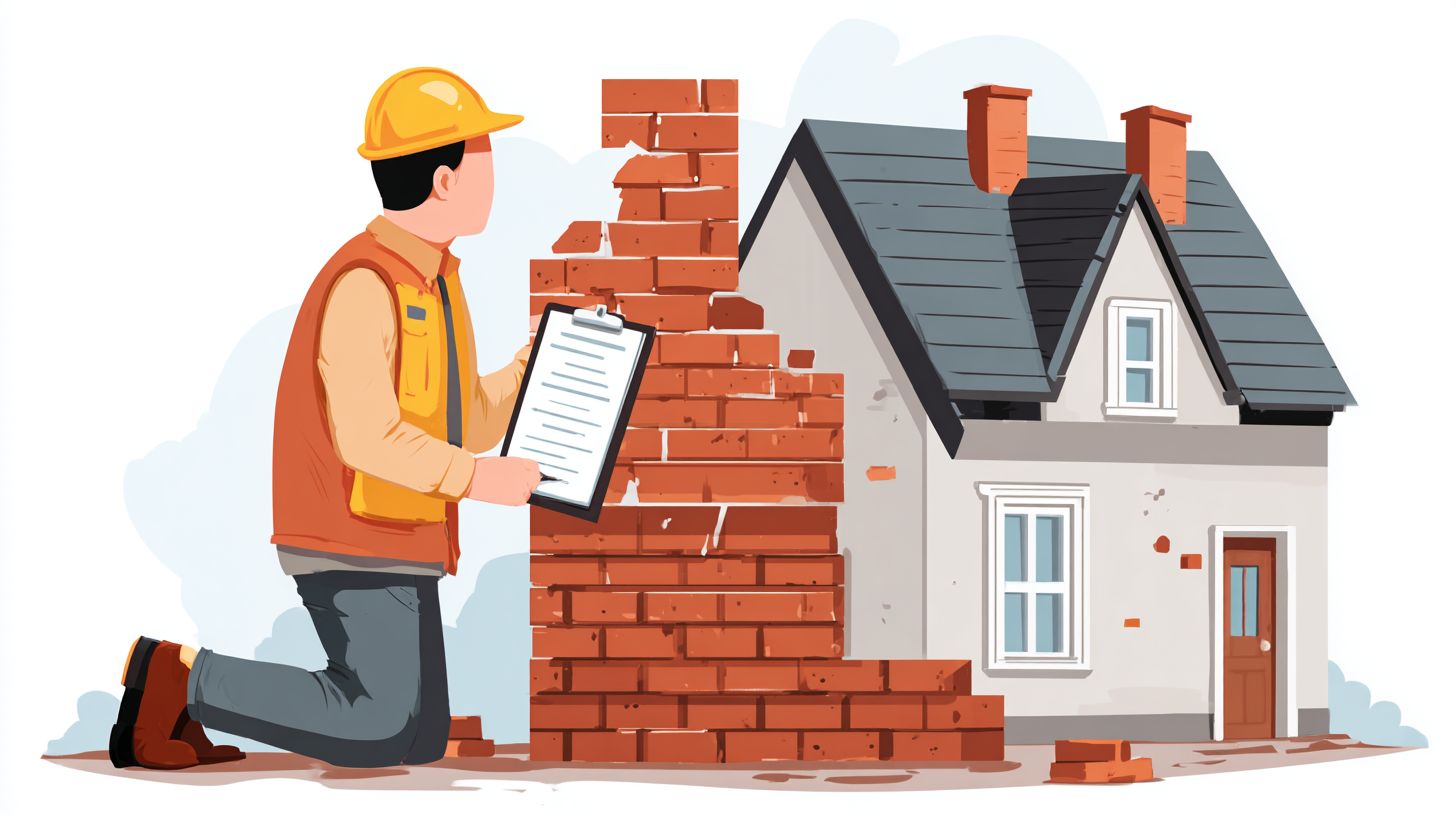
You need a Party Wall Agreement to remove your chimney in England and Wales if the chimney breast is on or protrudes into a party wall shared with an adjoining owner, or if the removal could impact their structural stability. Internal chimneys solely within your property typically don’t require it, but professional advice is recommended.
How do I know if my chimney removal requires a Party Wall Agreement to remove my chimney in England and Wales?
To determine if you need a Party Wall Agreement to remove your chimney in England and Wales, consult a surveyor to assess if the chimney shares a wall with your neighbour or if work involves cutting into the party structure. If it does, serve a Party Wall Notice at least two months before starting.
What happens if I don’t get a Party Wall Agreement to remove my chimney in England and Wales?
Failing to obtain a Party Wall Agreement to remove your chimney in England and Wales can lead to legal issues, such as your neighbour halting the work via injunction, or you being liable for any damage to their property. It’s crucial to follow the Party Wall Act to prevent costly delays or compensation claims.
Can I remove my chimney without a Party Wall Agreement to remove my chimney in England and Wales?
You might be able to remove your chimney breast or chimney stack without a Party Wall Agreement if it’s entirely within your property and doesn’t affect the shared party wall, but this should be confirmed by a structural engineer or qualified professional. If the chimney is load bearing, you may need to install a steel beam or RSJ for support, possibly using gallows brackets. Demolition might involve using a sledgehammer, but hire professionals. Always err on the side of caution to comply with England and Wales building regulations.
Who should I contact for help with a Party Wall Agreement to remove my chimney breast in England and Wales?
For assistance with a Party Wall Agreement to remove your chimney in England and Wales, hire a RICS-accredited party wall surveyor or chartered surveyors who can draft the notice, handle negotiations, and ensure compliance with the Party Wall Act 1996. Local building control officers can also provide initial guidance.