
Key Takeaways:
Understanding Planning Permission in the UK
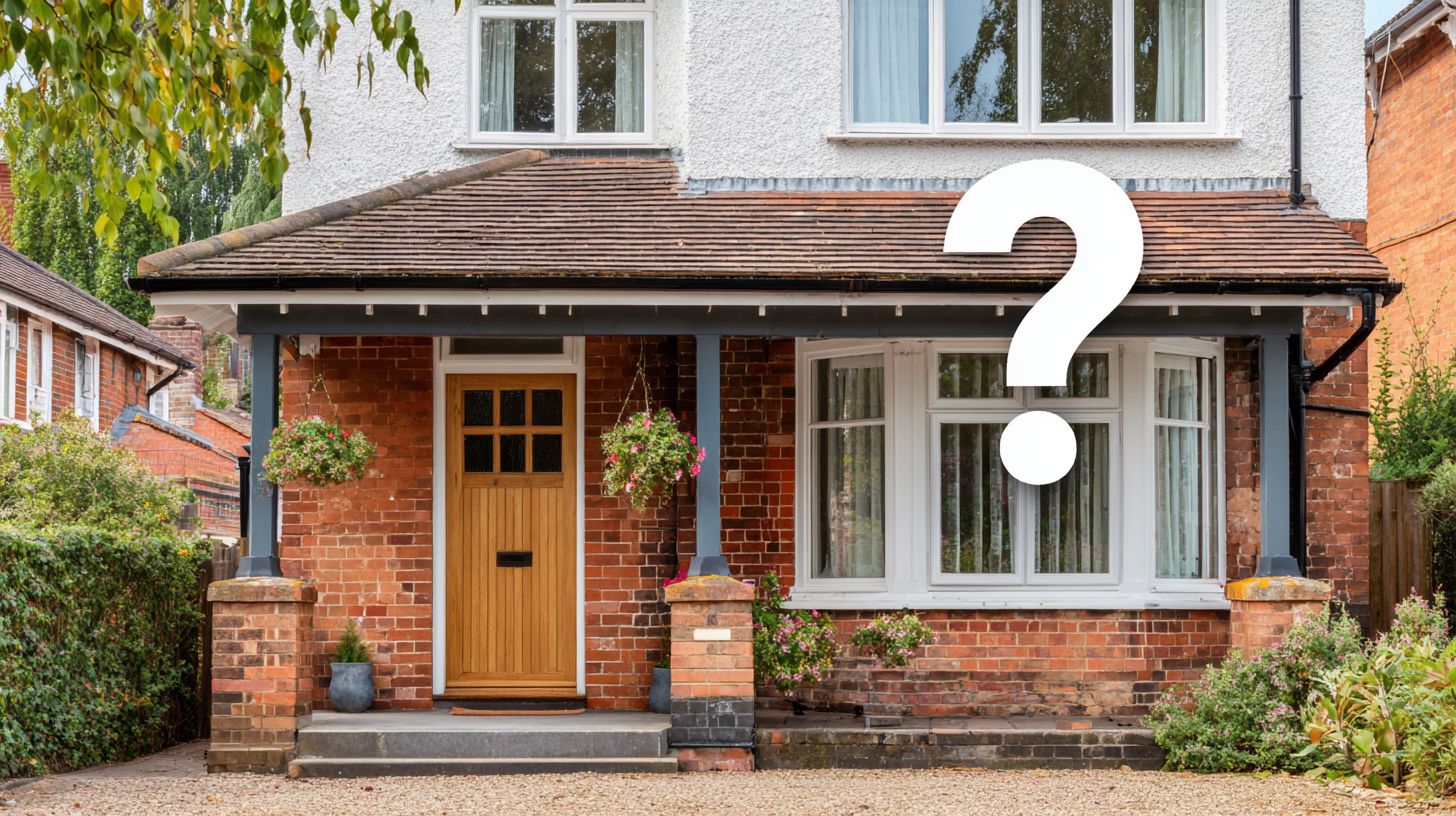
Planning permission in the United Kingdom, as regulated by the Town and Country Planning Act 1990, ensures that developments such as porches adhere to local standards. Over 300,000 applications are processed annually through the Planning Portal.
Under this legislation, local planning authorities, including district councils, evaluate applications to strike a balance between community interests and property owners’ rights. According to the 2022 report from the Ministry of Housing, Communities and Local Government (MHCLG), minor extensions achieve an 85% approval rate, underscoring the efficiency of streamlined procedures for projects with minimal impact.
Porches often fall under permitted development rights, provided the internal floor area does not exceed 3 square metres, the height does not exceed 3 metres, and it does not project more than 3 metres from the original front or side elevation of the house, thereby exempting them from the need for full planning permission.
This regulatory framework fosters flexibility for homeowners while preserving the aesthetic integrity of neighbourhoods. Compliance is upheld by planning authorities through site inspections and stakeholder consultations. If you’re interested in navigating the application process, our Planning Drawings for Planning Permission offer expert guidance on preparing compliant submissions.
What Constitutes a Porch?
In the United Kingdom, a porch is defined as a ground-floor structure attached to a dwellinghouse, typically enclosing an external door and not exceeding three square metres in internal floor area, in accordance with the General Permitted Development Order 2015.
Examples of porches include traditional brick front porches in Edwardian style, which incorporate ornate timber detailing to evoke period charm, and contemporary uPVC porches such as front porches and rear porches, which prioritise sleek, low-maintenance aesthetics. Common materials feature energy-efficient glazing that complies with glazing standards such as BS 5713 for insulated glass units, thereby reducing heat loss by up to 20%, as demonstrated in studies by the Building Research Establishment (BRE).
| Style | Materials | Typical Size | Cost Range | |—————-|—————-|————–|—————-| | Edwardian | Brick/Timber | 2-3 m² | £2,000-£4,000 | | Modern uPVC | uPVC/Glazing | 2 m² | £1,000-£2,500 |Porch styles and materials choice influence the design; traditional designs enhance kerb appeal through historical authenticity, although they necessitate regular maintenance to ensure weatherproofing. In contrast, modern uPVC variants offer superior weather resistance and thermal insulation, albeit potentially at the expense of visual warmth. Porch price varies depending on style and materials.
It is advisable to consult local planning permissions through the Planning Portal prior to installation.
Permitted Development Rights Overview
Permitted development rights facilitate the construction of certain porch additions without requiring full planning permission in England. This framework encompasses approximately 70% of household extensions in the UK, such as single storey rear extensions, as stipulated under Class D of the General Permitted Development Order (GPDO), subject to compliance with rigorous criteria pertaining to size and location.
Size and Height Limits
Under permitted development rights in England and Wales, porches are subject to specific dimensional restrictions, including a maximum floor area of 3 square metres if located within 2 metres of a boundary and a height restriction not exceeding 3 metres from ground level, in accordance with Schedule 2, Part 1, Class AA of the General Permitted Development Order (GPDO).
To ensure full compliance, adhere to the following structured steps for precise measurement:
- Determine the internal floor area utilising a laser distance measurer (approximately £150), which provides accurate digital measurements. Ensure the area remains below 3 m², excluding any overhangs.
- Confirm the height measurement from the lowest adjacent ground level, taking into account any slopes by extending the measurement to the highest point of the porch roof.
- Estimated time required: 30 minutes per site.
Common errors in this process include failing to account for eaves height, which is limited to 2.5 metres for the overall structure under the GPDO, or neglecting projections that extend more than 0.5 metres from the principal elevation or proximity boundaries.
For best practices in surveying, refer to the RIBA Plan of Work 2020 guidelines. Additionally, it is advisable to consult with local planning authorities, particularly in cases involving proximity to boundaries, to mitigate the risk of enforcement notices.
Projection and Location Rules
Porches constructed under permitted development rights in England and Wales may project up to 3 metres from the original wall of the building, provided they are situated more than 2 metres from the boundary of the curtilage if facing a highway, thereby preventing obstruction of traffic.
To ensure compliance with these regulations, adhere to the following best practices for planning and verification:
- Employ free computer-aided design (CAD) software to model the proposed projections and simulate the construction, facilitating accurate visualisation of setbacks.
- Review site plans to determine boundary distances using Ordnance Survey maps (available for £10), which offer precise scale measurements accurate to the centimetre.
- Refrain from locating the porch facing the highway unless natural or artificial screening, such as hedges or fences, is provided to preserve visibility.
For instance, a projection of 2.5 metres from a side boundary that is itself 2.5 metres distant fully complies with the guidelines, as substantiated by case studies on the Planning Portal. These measures, derived from UK permitted development regulations, help avert common infringements, which have resulted in enforcement actions in more than 15% of reported cases according to government statistics.
Key Conditions for Porch Exemptions
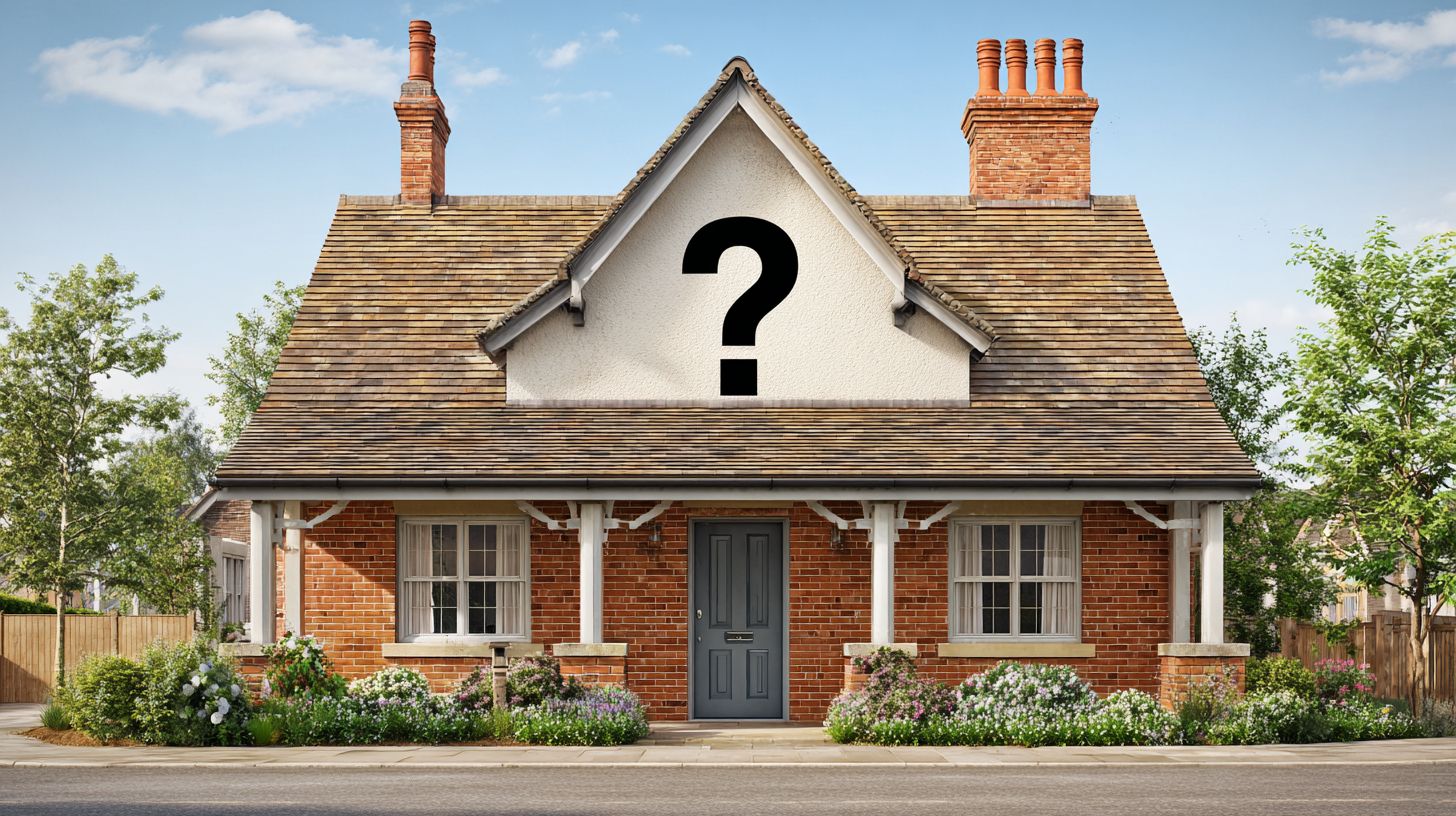
Porch exemptions from full planning permission in England and Wales necessitate adherence to specific conditions, including compliance with Building Regulations Part L for energy efficiency where applicable. According to LABC data, a high percentage of qualifying porches are exempt from formal applications.
These conditions facilitate seamless compliance without the need for official submissions. The principal practices encompass:
- No change of use or alteration in land use, such as refraining from converting the porch into additional dwelling space or new dwellinghouses, to preserve permitted development rights.
- Implementation of energy-efficient features, such as uPVC glazing with a U-value of ≤1.6 W/m²K, which can reduce heat loss by up to 20% according to BRE studies and compliance research in Energy Policy on ScienceDirect.
- Electrical installations performed by Part P-certified professionals, such as those registered with NICEIC (with inspection fees typically at £50), to ensure adherence to safety standards.
- Excavation of foundations needed to a minimum depth of 1 metre, in accordance with NHBC Standards, to guarantee structural integrity.
- Conducting pre-build inspections, which generally require approximately one hour.
Compliance with these requirements can result in savings of £200–£500 in application fees, as estimated by RIBA, while expediting the overall project schedule.
When Full Permission is Required
Full planning permission is required for porches that exceed permitted development limits or are located in sensitive designated areas, such as National Parks, Areas of Outstanding Natural Beauty, and World Heritage Sites. When applying for this permission, [preparing planning drawings for planning permission](https://www.survdesign.co.uk/architectural-services/planning-drawings/) becomes a crucial next step. According to findings from the Department for Levelling Up, Housing and Communities (DLUHC)’s live tables on planning application statistics, 2023 data for England and Wales shows that Article 4 Directions—which remove permitted development rights—are in effect in a significant proportion of local authority areas. Additionally, check for restrictive covenants that may require separate approval.
Listed Buildings and Conservation Areas
For listed buildings, even modest additions such as small porches require listed building consent in accordance with the Planning (Listed Buildings and Conservation Areas) Act 1990. Historic England reports that 25% of applications are denied due to their adverse impact on heritage assets.
To achieve successful approvals, it is essential to address key challenges proactively.
- Undertake a heritage assessment utilising Historic England’s complimentary guidelines (available for download from their website), which evaluate the proposed design’s visual and historical compatibility.
- In conservation areas, avoid the use of contemporary materials; instead, employ locally sourced stone that aligns with the existing architecture, allocating an approximate budget of £5,000 to maintain authenticity.
- Follow the application process: submit applications through the Planning Portal, accompanied by comprehensive photographs and detailed technical drawings. Use the fee calculator to determine application fees.
A Grade II listed property in Bath’s conservation area obtained approval following the adoption of a sympathetic timber framing design, with the process completed in 13 weeks according to Historic England records, thereby averting denial through consultation with heritage experts. Explore useful links on the Planning Portal for more information and check frequently asked questions.
Flats and Designated Areas
Porches constructed on flats, maisonettes, or within designated areas such as National Parks lack permitted development rights and thus necessitate full planning permission. According to data from National Park authorities, areas designated as Areas of Outstanding Natural Beauty are subject to stricter planning controls.
To initiate the process, applicants must submit a comprehensive planning application through their local council’s online portal. This submission should include detailed architectural drawings, site plans, and a design statement that demonstrates the proposal’s minimal visual impact on the surrounding environment.
Householder applications typically incur fees of approximately £258.
In World Heritage Sites, it is essential to cross-reference Historic England’s and UNESCO’s guidelines on cultural landscapes to ensure that the development aligns harmoniously with the site’s heritage values.
A frequent oversight involves presuming that permitted development rights are applicable; therefore, verification should always be conducted through the local council’s planning portal or resources such as the Planning Portal website.
For example, in Dartmoor National Park, an initial porch proposal was rejected due to its potential intrusion on the landscape. However, following a redesign incorporating local stone materials and a 30% reduction in footprint, the application was approved, as documented in the park’s 2022 case studies.
Should the project involve any elements of change of use, it is advisable to commission viability assessments from qualified specialists, which generally cost around £1,000.
Application Process for Permission
The application process for obtaining planning permission for a porch requires the submission of relevant forms through the Planning Portal, with approximately 80% of applications processed digitally. The average processing time is 8 to 13 weeks, in accordance with timelines set by the Department for Levelling Up, Housing and Communities (DLUHC).
To navigate this process efficiently, adhere to the following steps:
- Verify whether your porch qualifies under permitted development rights by utilising the government’s interactive house guide on planningportal.gov.uk. Most single-storey porches with a depth of less than 3 metres do not require permission.
- Utilise the Portal’s complimentary fee calculator to estimate costs (£258 for full applications, based on 2023 DLUHC rates).
- Prepare site plans and elevations using professional design software tools or free alternatives; ensure compliance with Building Regulations Part M for accessibility.
- Submit the application online with all required documentation, and monitor progress via the portal.
A common pitfall is the omission of neighbour consultations, which can delay up to 20% of approvals, according to Planning Inspectorate data.
Costs, Fees, and Timelines
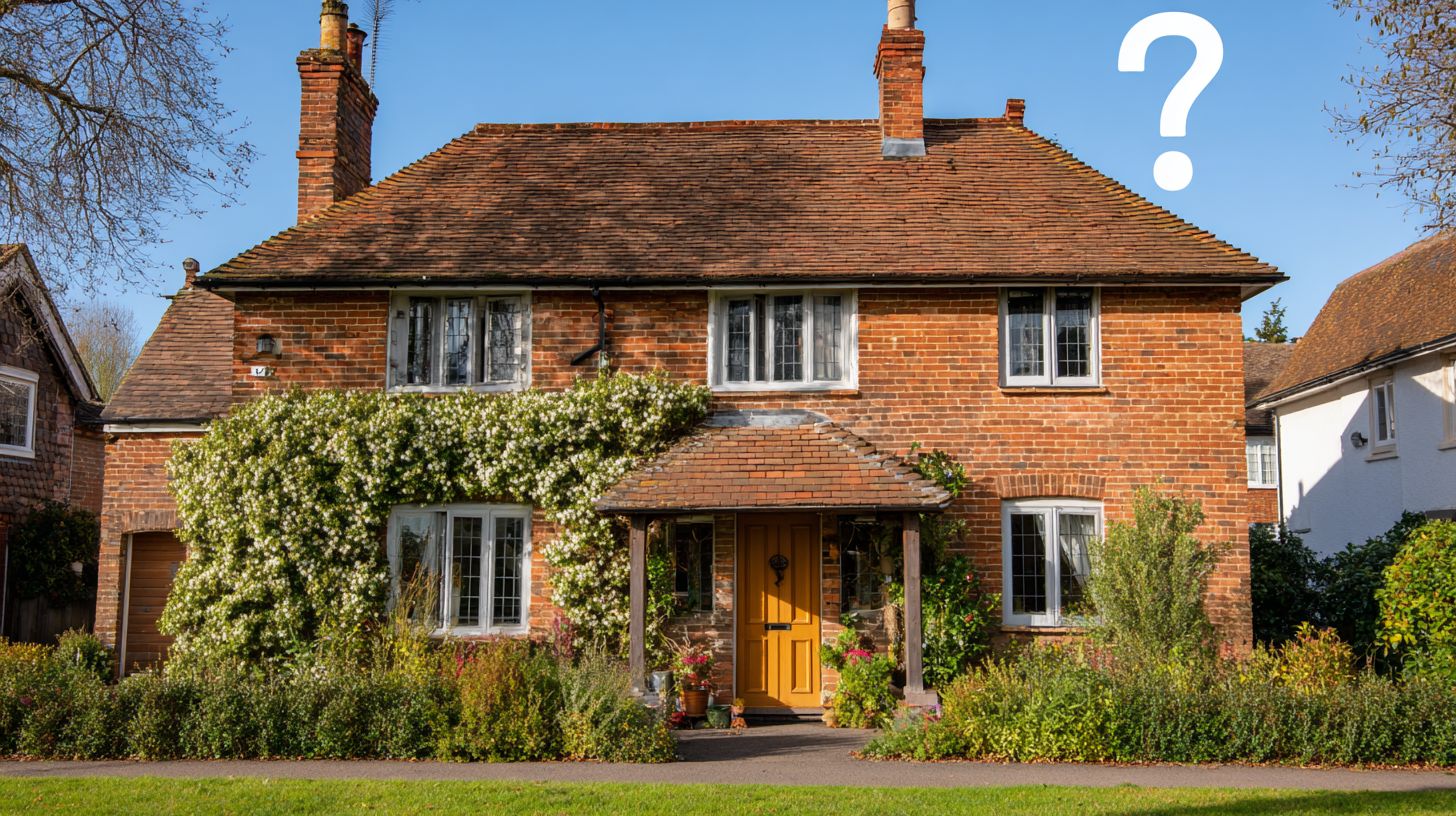
Planning fees for porches begin at £258 for householder applications in England. Industry surveys indicate that total project costs typically range from £2,500 to £5,000, inclusive of materials.
To determine the applicable fee, consult the Planning Portal’s online calculator—for a standard 4m² uPVC porch, the base fee amounts to £258. Application types vary according to the property:
| Application Type | Fee (England) | Timeline | Best For |
|---|---|---|---|
| Householder | £258 | 8 weeks | Standard porches |
| Listed Building | £462 | 13 weeks | Heritage properties |
| Full Planning | £578 | 13 weeks | Complex extensions |
A property value uplift of 5-10% may be expected (for example, £10,000 on a £200,000 home for a £3,000 energy efficient build), based on RICS data. Furthermore, LABC building control fees of approximately £300 should be included for compliance inspections, thereby ensuring the safe and proper installation of the structure.
Potential Consequences of Non-Compliance
Failure to comply with planning regulations may result in the issue of enforcement notices by local authorities, with approximately 5,000 such notices served annually. Violations under the Planning Act 2008 can lead to substantial fines of up to £20,000.
Common challenges include the following:
- Orders requiring the removal of unauthorised alterations, such as the demolition of an unpermitted porch, which may incur costs of £2,000. These issues can be addressed through a retrospective planning application submitted via the Planning Portal.
- Fines imposed for breaches occurring within conservation areas; appeals may be lodged with the Planning Inspectorate (PINS) within six months.
- Violations of restrictive covenants; a legal review by solicitors is recommended, with associated costs typically ranging from £500.
- Potential voids in insurance cover arising from unpermitted constructions; policyholders should notify their providers in advance to ensure continued protection.
For example, in a 2022 case in Essex, a £5,000 fine was levied for a boundary infringement. The situation was rectified through compliance measures and the obtaining of retrospective approval, thereby averting further enforcement actions.
Seeking Professional Advice
Engaging qualified professionals, such as RIBA-registered architects or RTPI-chartered planning consultants, at an early stage can increase approval rates by up to 95%. Certain firms provide comprehensive integrated design services for porches, with costs beginning at £1,200.
To optimise the likelihood of success, adhere to the following best practices:
- Identify suitable experts through the RTPI Directory (a free online resource) or the Architects Registration Board database;
- Engage certified surveyors to conduct detailed site evaluations, typically ranging from £300 to £500, in order to pinpoint potential constraints such as boundary discrepancies;
- Consult reputable suppliers for pre-approved designs that comply with local regulations.
A pertinent case study is a project in a designated conservation area, where the involvement of professionals from the outset facilitated planning permission within 10 weeks, thereby averting approximately £1,000 in revision expenses.
For additional guidance, please refer to our FAQ section, which includes links to authoritative resources such as the Planning Portal (planningportal.co.uk).
Frequently Asked Questions
Do I need planning permission for a porch in England and Wales?
Whether you need planning permission for a porch in England and Wales depends on its size and location. Under permitted development rights, you can build a porch without permission if its floor area does not exceed 3 square metres, its height does not exceed 3 metres, and no part is within 2 metres of a highway unless the height does not exceed 2.5 metres. Always check with your local planning authority to confirm, as rules can vary.
What size porch can I build without planning permission in England and Wales?
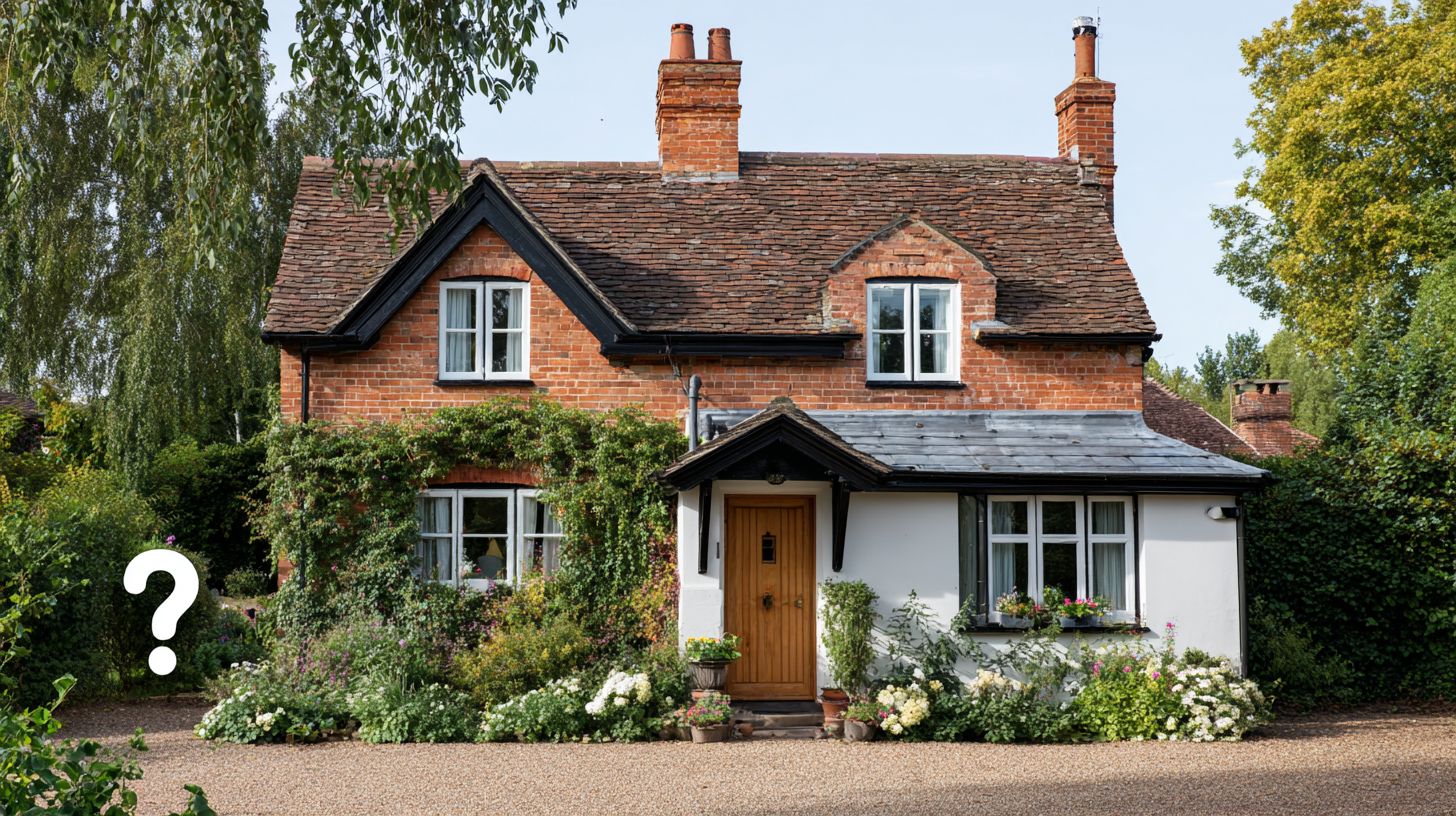
For a porch in England and Wales, you typically don’t need planning permission if the floor area does not exceed 3 square metres and it adheres to height restrictions (not exceeding 3 metres overall, and not exceeding 2.5 metres if within 2 metres of a highway). Larger porches may require permission, so using the keyword ‘Do I need planning permission for a porch in England and Wales’ as a search can lead you to official guidelines from the Planning Portal.
Does the location of my house affect planning permission for a porch in England and Wales?
Yes, the location impacts whether you need planning permission for a porch in England and Wales. In conservation areas, national parks, or Areas of Outstanding Natural Beauty, stricter rules apply, often requiring permission even for small porches. If you’re wondering ‘Do I need planning permission for a porch in England and Wales’, consider your area’s status and consult local council guidelines.
What if my porch exceeds permitted development limits in England and Wales?
If your porch exceeds the permitted development thresholds, you will need to apply for planning permission in England and Wales. This involves submitting plans to your local authority. Remember, searching ‘Do I need planning permission for a porch in England and Wales’ can provide initial clarity, but professional advice ensures compliance to avoid fines or removal orders.
Are there different rules for porches on flats or maisonettes in England and Wales?
For flats or maisonettes, permitted development rights for porches are more limited, and you almost always need planning permission in England and Wales due to shared structures. If asking ‘Do I need planning permission for a porch in England and Wales’ in such properties, expect to apply formally and get leaseholder approval if applicable.
How can I check if I need planning permission for a porch extension in England and Wales?
To determine if you need planning permission for a porch in England and Wales, use the government’s Planning Portal interactive guides or contact your local planning department. Input your project details to see if it qualifies as permitted development. Starting with ‘Do I need planning permission for a porch in England and Wales’ online will direct you to these resources for accurate, up-to-date information.