
Key Takeaways:
- Many loft conversions qualify under permitted development rights if they stay within size limits (e.g., 50 cubic meters for detached and semi-detached homes, 40 cubic meters for terraced houses)
- Permission is required if your conversion exceeds volume limits, involves major roof changes, or your property is in a conservation area, listed building, or designated zone.
- Assess your home’s specifics early—consult local zoning rules or a professional to determine if an application is needed, potentially saving time and costs on appeals.
Understanding Loft Conversions
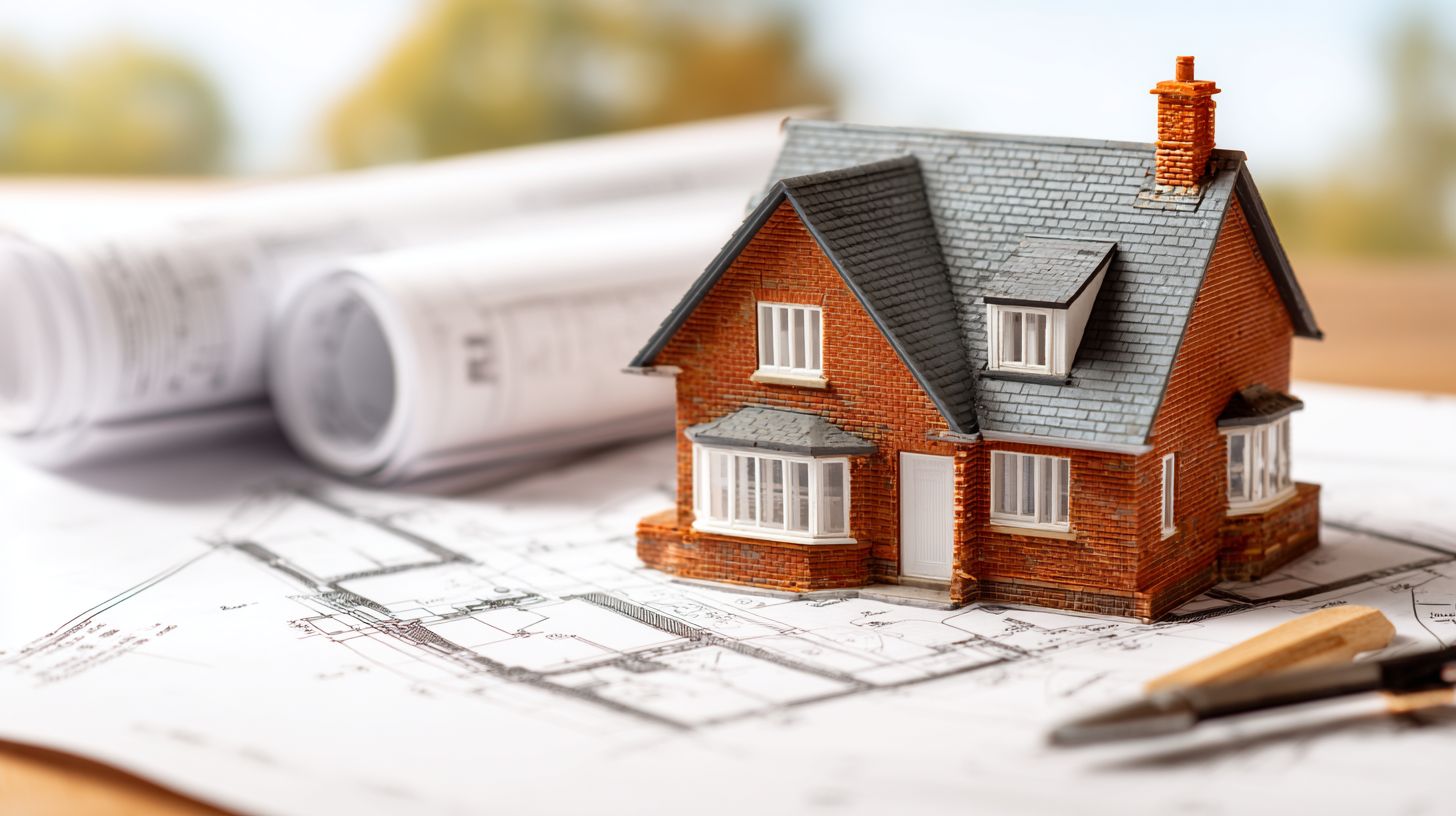
Loft conversions in the United Kingdom have the potential to enhance property values by as much as 21%, as indicated in the 2023 report from the Royal Institution of Chartered Surveyors (RICS). These conversions effectively repurpose underutilised roof spaces into practical living areas, such as additional bedrooms or home offices.
To optimise these benefits, it is advisable to take into account the specific characteristics of the property. For instance, hip-to-gable extensions are particularly suitable for semi-detached homes, as they extend the roofline to accommodate an additional bedroom. [Explore detailed loft conversion plans and drawings](https://www.survdesign.co.uk/architectural-services/loft-conversion-plans/) to tailor your design effectively.
In London, a dormer conversion that adds 30 square metres of space may incur costs of around £30,000, yet it can generate rapid returns through elevated rental income.
It is recommended to engage with local planning authorities at an early stage to ensure compliance with applicable building regulations (as outlined in the UK Government’s Future Homes and Buildings Standards 2023 consultation).
What is Planning Permission?
Planning permission constitutes formal legal consent granted by the local authority, as mandated under the Town and Country Planning Act 1990. This approval ensures that developments, such as loft conversions, conform to established community standards and do not adversely affect neighbouring properties. In Wales, a similar process applies via the Welsh planning portal.
It is important to distinguish planning permission from building regulations, which are governed by the Building Regulations 2010 and emphasise construction safety aspects, including structural integrity of floor joists, thermal insulation, sound insulation, fire safety measures, and escape window requirements. In contrast, planning permission primarily addresses land use and aesthetic impacts.
For accurate definitions and eligibility assessments, consult the Planning Portal website.
A prevalent misconception holds that all home modifications necessitate planning permission; however, many alterations fall within permitted development rights, such as single-storey extensions extending up to 3 metres in depth, which do not require consent. Discover single storey side extensions that align with these rules and enhance your home without formal approval.
The approval process adheres to a structured procedure, as detailed in the UK Government’s guidance on determining a planning application, outlined as follows:
- Submission of the application, accompanied by detailed plans and the applicable fee (£258 for full plans in England);
- An eight-week consultation period involving neighbouring stakeholders;
- Issuance of a decision, with the option for appeal if necessary.
According to 2022 statistics from the Ministry of Housing, Communities and Local Government (MHCLG), approximately 70% of loft conversion applications in the UK receive approval within the eight-week timeframe. Non-compliance with these requirements may result in enforcement actions, including fines of up to £20,000 or orders for demolition.
Permitted Development Rights for Lofts
Under the provisions of the Town and Country Planning (General Permitted Development) (England) Order 2015, permitted development rights enable certain loft conversions to proceed without the requirement for full planning permission. GOV.UK outlines this framework, which allows homeowners to efficiently extend and utilise their roof space, subject to compliance with the specified limits and conditions, including the four-year rule for established developments.
Size and Volume Limits
Under permitted development rights, loft extensions in terraced houses are restricted to a maximum volume allowance of 40 cubic metres, increasing to 50 cubic metres for semi-detached houses and 60 cubic metres for detached houses. Additionally, an eaves setback of 20 centimetres from the original eaves is required.
To assess compliance, the volume of the extension must be calculated using the formula length × width × height, as outlined in The Town and Country Planning (General Permitted Development) Order 2015.
For instance, a standard terraced loft extension measuring 7 metres in length, 4 metres in width, and 2.5 metres in height yields a volume of 70 cubic metres (7 × 4 × 2.5), which exceeds the 40 cubic metre limit and thus necessitates full planning permission.
For precise measurements, it is recommended to employ laser distance tools.
A frequent oversight involves failing to account for extensions constructed prior to 1948; this can be addressed by submitting an application for a certificate of lawfulness through the Planning Portal at a fee of £103, thereby confirming established development rights. A party wall agreement may also be necessary if shared structures are involved.
Height and Roof Alterations
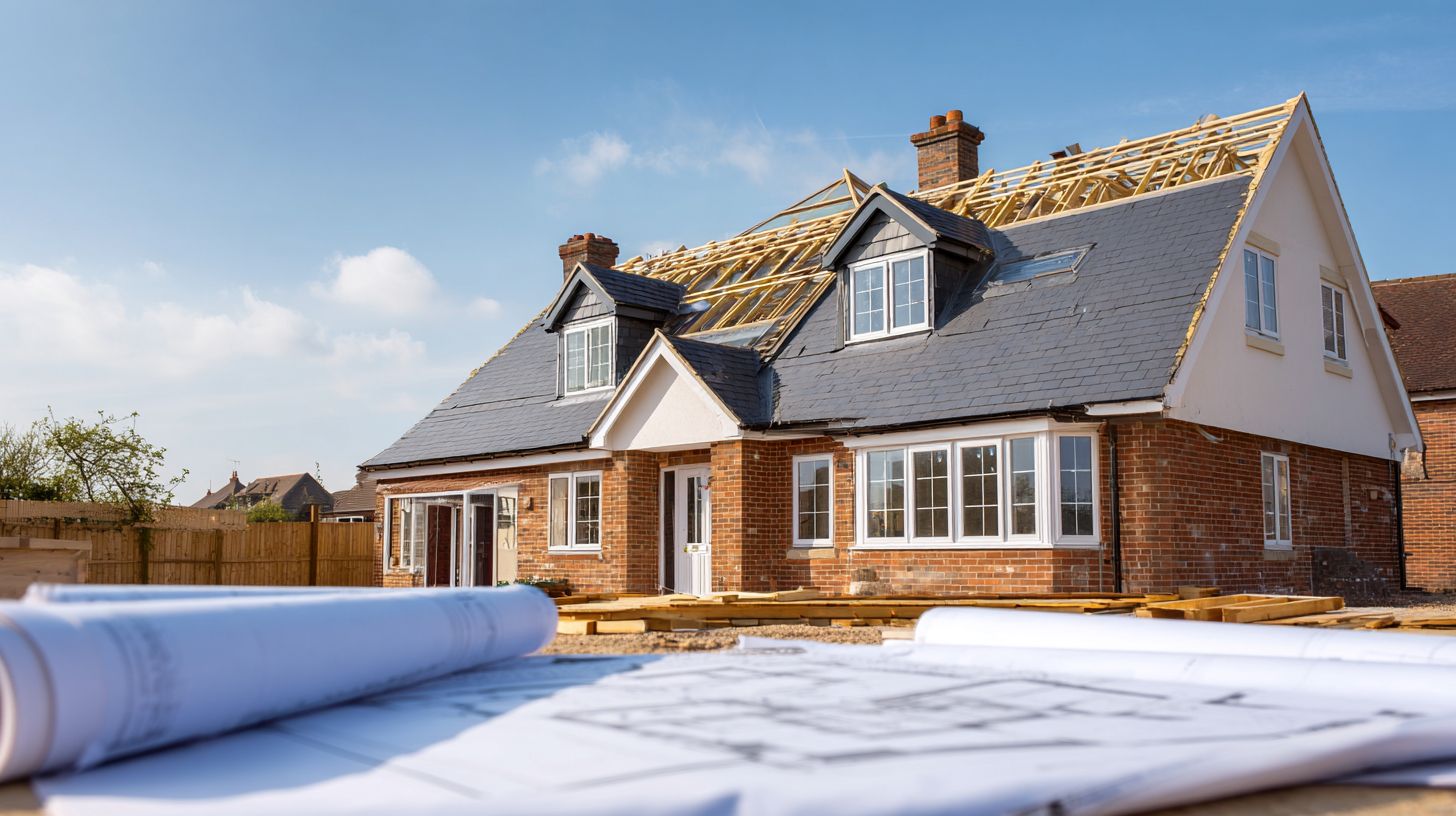
Roof alterations must not exceed the existing roof slope height or project beyond the principal elevation.
Side-facing windows are required to be obscure-glazed and non-opening above 1.7 metres to safeguard privacy. Roof windows can meet these standards while providing adequate headroom.
Pursuant to Part 1 Class B of The Town and Country Planning (General Permitted Development) (England) Order 2015, alterations such as dormer extensions are prohibited from increasing the ridge height.
For a roof with a 30-degree slope, the maximum permissible rise is 0 metres, thereby preserving the original profile.
Gable-end roofs allow for vertical extensions up to the eaves level, whereas hipped roofs require extensions that slope in alignment to avoid any projections.
To maintain privacy, roof windows fitted with obscure glass are recommended, as they ensure compliance without necessitating full planning permission.
Full balconies are not permitted; instead, Juliette balconies should be utilised to enhance safety.
Note: Data from the Planning Portal indicates that 25% of refusals arise from violations of height regulations.
When Permission is Required
Planning permission is required for loft conversions that exceed the permitted development thresholds or are situated in designated sensitive areas, such as Areas of Outstanding Natural Beauty, National Parks, conservation areas, or World Heritage Sites. These locations are subject to more stringent controls to preserve cultural heritage and protect the environment. A bat survey may be required in such areas to assess ecological impact.
Extensions Beyond Limits
Loft extensions that exceed the permitted volume allowance of 40-60 cubic metres or modify the roof structure beyond the specified height limits necessitate planning permission. Failure to obtain approval may result in enforcement actions, including fines of up to £20,000.
For example, a 70 cubic metre dormer extension on a terraced house in Manchester was recently subjected to a demolition order for surpassing the allowable limits.
To address such violations, one may submit a retrospective planning application through the Planning Portal, accompanied by a structural engineer’s report, which typically costs between £500 and £1,000. Decisions on these applications are generally issued within eight weeks.
As an alternative, reducing the extension to 40 cubic metres can prevent compliance issues altogether. According to the Local Government Association’s 2022 report, only 12% of appeals following enforcement actions are successful.
In a case from Birmingham, a homeowner successfully mitigated the problem by decreasing the extension volume by 15 cubic metres. Through minor design modifications and consultations with neighbours, approval was obtained in just six weeks.
Listed Buildings and Conservation Areas
In listed buildings or conservation areas, even modest alterations to loft spaces, such as the installation of roof windows or loft ladders, necessitate formal permission to safeguard architectural integrity. This is particularly evident in Bath’s World Heritage Site, where approximately 90% of planning applications require input from heritage officers. Staircases must include a permanent staircase or spiral staircase meeting headroom, riser height, and centre going standards, with U-value for thermal performance, REI 30 for fire resistance, and FD 20 doors.
To effectively address these requirements, it is advisable to commence by commissioning a heritage impact assessment, which typically costs between £300 and £600 when prepared by a RIBA-registered architect or structural engineer. This process aligns with the guidelines established by Historic England and Planning Policy Guidance 13 (PPG13).
For example, a proposed hip-to-gable loft extension for a Grade II listed semi-detached property in York was denied approval owing to its potential visual disruption; an alternative mansard loft conversion, incorporating reclaimed slate to replicate the original roofline, was subsequently approved. Similarly, in the Cotswolds conservation area, the addition of Velux windows was permitted following a comprehensive bat survey, resulting in an expansion of 20 m² while adhering to prevailing local policies.
It is imperative to engage with the local planning authority at an early stage to mitigate potential delays and ensure that all proposed designs integrate harmoniously with the existing historic fabric.
Assessing Your Property
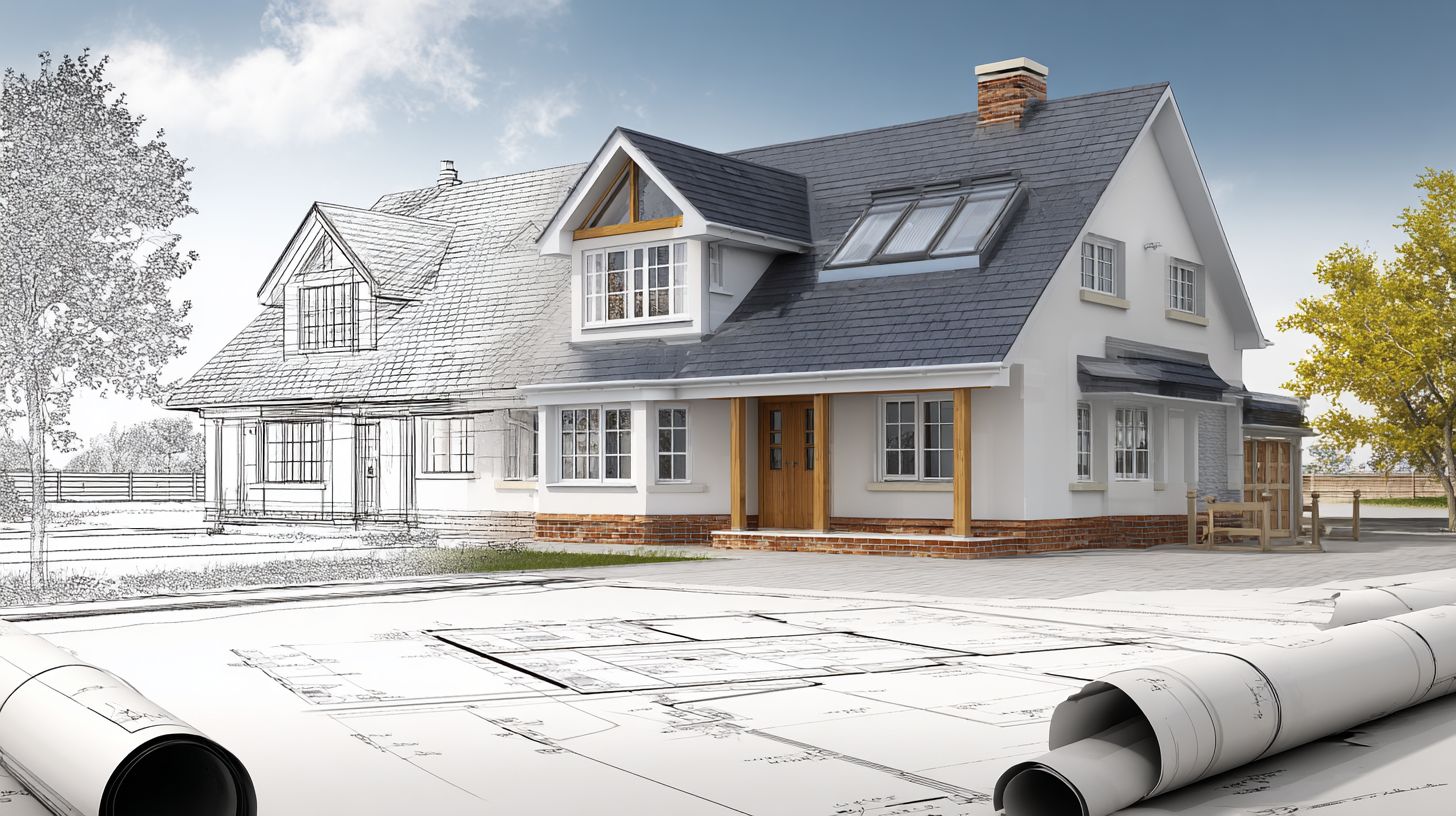
Assessing a property for a loft conversion requires a thorough evaluation of its structural integrity, including verification that floor joists can support loads of 250 kg/m², as well as ensuring a minimum headroom of 2.0 metres, with staircase risers not exceeding 220 mm in height and treads measuring at least 800 mm from centre to centre.
To conduct this assessment effectively, adhere to the following structured steps with targeted recommendations:
- Engage a qualified structural engineer through the Institution of Structural Engineers to perform a comprehensive survey, typically costing £400 and taking 1 to 2 days, in order to confirm that joist capacity complies with Building Regulations Part A standards.
- Use a precise measuring tool, such as a laser measure with accuracy to 1 mm, to determine headroom and ensure it does not fall below 1.9 metres, in accordance with Approved Document K.
- For properties involving party walls, serve the requisite notice under the Party Wall etc. Act 1996, using free templates provided by the Royal Institution of Chartered Surveyors, which requires a 2-month notice period.
- In rural locations, arrange a bat survey via a licensed ecological consultant, at an approximate cost of £500 and duration of 1 week, to fulfil obligations under the Wildlife and Countryside Act 1981.
- Confirm compliance with fire safety requirements, including the installation of REI 30-rated doors and a 30-minute escape window exceeding 0.33 m², as stipulated in Building Regulations Part B.
The complete assessment process generally requires approximately one week. It is advisable to avoid frequent oversights, such as neglecting sound insulation; to achieve an optimal U-value of 0.18 W/m²K, incorporate Rockwool slabs during the conversion.
Application Process
The application process commences with the submission of detailed plans through the Planning Portal for England (with a householder fee of £258), or via equivalent platforms such as the Welsh planning portal for Wales.
This process typically requires 8 weeks for a decision, though it may extend to 13 weeks in complex cases.
To prepare effectively, adhere to the following numbered steps, incorporating the recommended tools:
- Develop detailed drawings utilising AutoCAD (a professional option, often involving architect fees exceeding £1,000) or the free alternative, SketchUp (with 2-4 weeks of preparation time). Ensure that the resulting PDFs comply with Best Available Techniques (BAT) standards as outlined in Environmental Protection Agency (EPA) guidelines.
- Submit the application online via the Planning Portal, including the upload of files and payment of applicable fees (for example, £258 for householder applications in England).
- Notify relevant neighbours to facilitate the 14-21 day consultation period.
- Address any enquiries from the local council, such as providing additional details on energy efficiency measures.
- Await the final decision; in the event of a refusal, submit an appeal through the Planning Inspectorate (with a standard processing time of 8 weeks).
Utilising official checklists from your local planning authority can help prevent errors arising from incomplete forms.
Costs and Timelines
Loft conversion projects typically range in cost from £15,000 for a basic roof window installation to £50,000 for a comprehensive dormer loft conversion. Construction timelines generally span 6 to 12 weeks, in addition to an 8-week planning phase.
A certificate of lawfulness, available for £103 in England, serves as an expedited option under the four-year rule.
| Type | Cost Range | Timeline | Key Requirements | Examples |
|—————|—————|————|——————|——————-|
| Roof windows | £2,000-£5,000 | 2 weeks | U-value 1.0 | Basic installation |
| Dormer | £25,000-£40,000 | 8 weeks | REI 30 fire rating | Full loft extension |
| Loft ladders | £500 | 1 day | FD 20 doors | Standard model |
In terms of return on investment (ROI), such conversions can yield a 15-20% increase in property value.
A recommended phased approach involves first obtaining planning permission (8 weeks), followed by the construction phase (10 weeks total, incorporating structural assessments).
It is advisable to commence with the installation of loft ladders to facilitate access, then proceed to roof windows for natural lighting. Consultation with local building control authorities is essential to ensure full compliance and prevent potential delays.
Appeals and Alternatives
When planning permission is refused, an appeal may be submitted within six months through the Planning Inspectorate, which reports a 35% success rate based on 2022 PINS data. Alternatively, prior approval for permitted development provides a more expedited process, supported by relevant technical guidance.
Regarding objections from neighbours, as illustrated in a refusal case in Leeds, appeals should emphasise material planning considerations. Such appeals incur no cost and typically require an average of 16 weeks for resolution.
Recommended actionable steps are as follows:
- Apply for a Certificate of Lawfulness if the works have exceeded four years, offering a retrospective option;
- Submit an application for a Lawful Development Certificate (with a fee of £103 for proposed works or £234 for existing in England) to obtain formal verification;
- Consult BRE Digest 399 to ensure technical compliance.
In a case study from Bristol, revised plans incorporating input from a structural engineer successfully overturned the refusal within four months.
Frequently Asked Questions
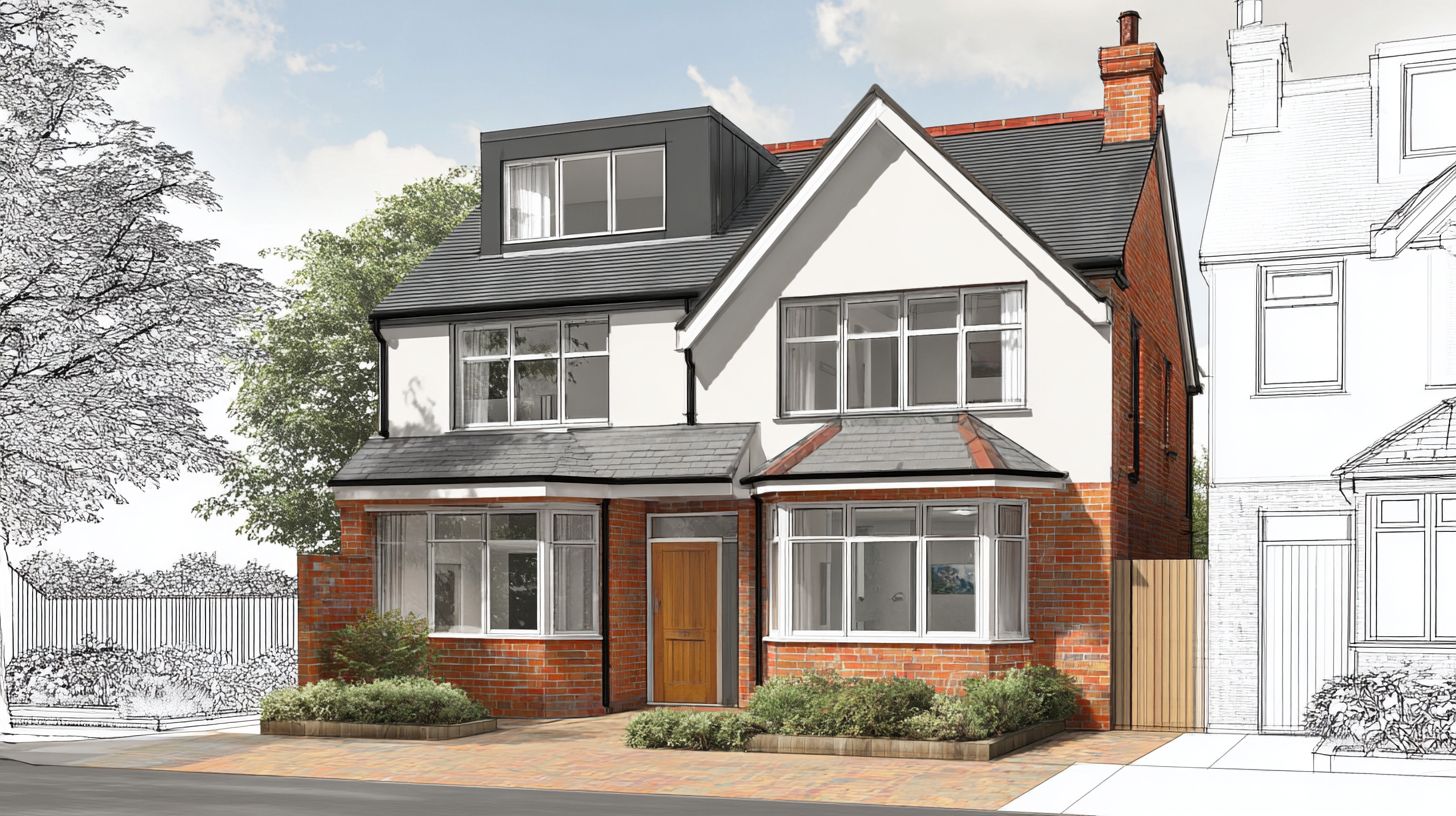
Do I Need Planning Permission to convert my loft?
Whether you need planning permission to convert your loft depends on several factors, including the size of the extension, its impact on the property, and local regulations. In many cases, loft conversions fall under permitted development rights in the UK, allowing work without permission if it meets specific criteria like not exceeding certain heights or volumes. However, if your project involves significant changes, such as a dormer window or alterations to the roofline, you may require permission. Always consult your local planning authority to confirm.
What qualifies as permitted development for a loft conversion?
Permitted development for loft conversions, as outlined in The Town and Country Planning (General Permitted Development) (England) Order 2015, typically includes adding up to 40 cubic meters of space for terraced houses or 50 for detached/semi-detached ones, without extending beyond the existing roof slope or raising the ridge line. You don’t need planning permission if the conversion doesn’t affect the external appearance drastically and complies with building regulations. Do I Need Planning Permission to convert my loft? Not always, but exceeding these limits or being in a conservation area changes that.
When is planning permission definitely required for a loft conversion?
Planning permission is definitely required if your loft conversion increases the roof height, adds features like balconies. It’s also mandatory in designated areas like national parks, Areas of Outstanding Natural Beauty, World Heritage Sites, or listed buildings. Do I Need Planning Permission to convert my loft? Yes, in these scenarios to ensure compliance with local planning policies and protect heritage or environmental concerns.
How can I check if my specific loft conversion needs planning permission?
To check, review the government’s permitted development guidelines or use online tools from your local council. Measure your proposed extension against volume limits and consider if it alters the property’s external look. Consulting a planning consultant or submitting a lawful development certificate application can provide official confirmation. Do I Need Planning Permission to convert my loft? A quick call to your local authority is the best first step for personalised advice.
What are the risks of proceeding with a loft conversion without planning permission?
Without permission when required, you could face enforcement notices, fines up to £50,000, or orders to undo the work. It might also complicate future home sales due to potential issues flagged in surveys. Do I Need Planning Permission to convert my loft? Ignoring this could lead to costly legal battles, so it’s wise to seek approval upfront to avoid disruptions and penalties.
Are there any exceptions or special cases for loft conversions and planning permission?
Exceptions include flats, where virtually all loft work needs permission, or maisonettes with shared roofs. In England and Wales, Article 4 Directions remove permitted development rights, particularly in Areas of Outstanding Natural Beauty, National Parks, or World Heritage Sites. Do I Need Planning Permission to convert my loft? Yes, in special cases like these, but exemptions might apply for minor internal works The Town and Country Planning (General Permitted Development) (England) Order 2015 for England. Always verify with professionals using resources like the Planning Portal or Welsh planning portal to navigate unique property situations effectively.