
Has your neighbour begun an extension without a party wall agreement? Under the Party Wall Act 1996, this triggers mandatory protections like serving a Party Wall Notice to safeguard shared boundaries. Skipping it risks injunctions, damages claims, and costly disputes. This guide details consequences, immediate steps—from documenting issues to notifying your neighbour—and options like appointing a party wall surveyor for swift, legal resolution.
Key Takeaways:
- If your neighbor builds an extension without a party wall agreement, they risk court injunctions to stop work and claims for damages from affected property owners.
- Document the unauthorized construction with photos and notify your neighbor in writing right away to build a strong case for resolution.
- Appoint a Party Wall Surveyor for mediation; if disputes escalate, court proceedings could result in significant costs for both parties.
Understanding Party Wall Agreements

The Party Wall Act 1996, applicable to England and Wales, requires the establishment of Party Wall Agreements for any construction or alteration works that impact shared walls in semi-detached houses or terraced properties. This statutory provision serves to mitigate potential disputes between owners of adjoining properties, as demonstrated by data from HomeOwners Alliance Ltd, which reports involvement in over 20,000 such home renovation projects annually— our guide to single storey side extensions demonstrates the practical application of these agreements in common extension scenarios.
When It’s Required
Under the Party Wall Act 1996, a Party Wall Agreement is mandatory for notifiable building works located within 3 metres of a Shared Boundary. This includes projects such as loft conversions that involve raising a chimney breast or basement excavations exceeding 0.5 metres in depth, which impact approximately 40% of extension projects in terraced houses.
Key scenarios that necessitate such an agreement include:
- A Loft Conversion that modifies a Shared Wall, for example, through the installation of a steel beam (Section 1 of the Act); adjoining owners must be notified at least two months in advance.
- Basement Excavation adjacent to the boundary line that surpasses 0.5 metres in depth without underpinning (Section 2); a professional surveyor’s evaluation is required.
- Removal of a Chimney Breast in a semi-detached property, which could compromise the structural integrity of the party wall (Section 1); notice must be served if the alterations are structural in nature.
- Construction of a garden room or garden walls extending over the shared line (Section 0 for fences exceeding 2 metres); an agreement is essential for any shared footings.
- Installation of new foundations or damp proof courses that may affect neighbouring properties (Section 2); safeguards against subsidence must be implemented via specialist inspections.
- Any joining boundary works, such as extensions that abut the shared wall (Sections 1-4); templates for notices and agreements are available through resources provided by the HomeOwners Alliance.
For illustrative purposes, consult the flowchart outlined in the Act on gov.uk, which commences with the question ‘Is it notifiable?’ and proceeds to ‘Yes’ → ‘Serve notice.’ Adhering to this protocol promotes compliance and mitigates disputes in 70% of cases, as evidenced by studies from the Royal Institution of Chartered Surveyors (RICS).
Key Legal Requirements
The Party Wall Act 1996 establishes essential legal obligations for undertaking building works adjacent to neighbouring properties. The legal document known as a Party Wall Notice must be served at least two months prior to commencing such works, with the adjoining owner required to provide written consent within 14 days; failure to do so results in a deemed dispute.
Pursuant to Sections 1 through 3 of the Act, the form of notice varies depending on the nature of the proposed works. A Section 1 line of junction notice is applicable when erecting a new wall on the boundary line (for exampleI intend to build a party fence wall astride the line of junction on [date]”).
Section 2 notices pertain to alterations to an existing party structure or excavations exceeding 3 metres in depth (sampleNotice of proposed works to party wall at [address]”). Section 3 addresses notifiable excavation work conducted within 3 to 6 metres of the neighbouring structure.
Notices should be served by recorded delivery in accordance with the 2023 Royal Institution of Chartered Surveyors (RICS) guidelines to ensure verifiable proof of receipt.
If there is no response within 14 days, the matter escalates to a formal dispute, necessitating the appointment of Party Wall Surveyors to issue a party wall award or Party Wall Award. Parties may also pursue an appeal award if dissatisfied. Such disputes typically resolve within 3 to 6 months.
Exemptions from these formal notification requirements apply to minor works involving depths of less than 150 millimetres, thereby obviating the need for a Party Wall Notice.
Consequences of Building Without Agreement
It is imperative to obtain a Party Wall Agreement prior to initiating any construction activities, as the failure to do so may result in substantial repercussions. These include average project delays of 3 to 6 months and neighbour disputes that escalate to legal proceedings in 15% of instances.
Potential Injunctions
In the absence of a Party Wall Agreement, adjoining owners in England and Wales may apply to the County Court for an injunction, which can immediately halt construction works. Such cases can result in significant legal fees for the building owner, often exceeding £10,000.
Significant challenges arise from such scenarios, including the potential for an immediate cessation of work through an interim injunction under Civil Procedure Rules Part 25. This requires demonstrating urgency and prospective harm, and such orders are frequently granted within days.
Prohibitory injunctions may also be sought to address continuing breaches, such as operations generating noise outside the permitted hours of 8am to 6pm. For instance, County Court decisions have imposed fines, such as £5,000, on builders for activities outside permitted hours.
These measures are underpinned by the Party Wall Act 1996, 25% of disputes escalate to injunction proceedings.
To mitigate these risks, practical remedies include serving retrospective notices to regularise ongoing works or engaging in mediation facilitated by the Royal Institution of Chartered Surveyors (RICS). Mediation resolves approximately 70% of cases without recourse to court, typically within 4 to 6 weeks.
Claims for Damages

Constructing a building without obtaining the necessary agreement exposes the property owner to potential compensation claims arising from structural damage, such as cracks in shared walls caused by vibrations. Court cases in Wales, involving extension projects, have resulted in average payouts ranging from £5,000 to £20,000.
Additional challenges encompass claims for physical damage, including subsidence along shared boundaries due to new foundations, which often necessitate expensive remedial measures.
Nuisance claims may also emerge from construction-related disruptions, such as noise levels exceeding 75 decibels during peak hours, potentially leading to court injunctions or awards of damages.
Furthermore, claims for loss of enjoyment—such as diminished access to garden areas—can result in compensation awards of approximately £2,000 per affected neighbor.
To mitigate these risks, it is imperative to adhere to the Party Wall Act 1996, particularly Section 7, which requires the issuance of notices for works involving shared structures.
Owners should also verify their insurance coverage through policies regulated by the Financial Conduct Authority, ensuring protection against third-party liabilities up to £5 million.
Engaging qualified chartered surveyors to conduct pre-construction assessments is advisable; studies by the Royal Institution of Chartered Surveyors indicate that such expert reports can reduce risks by up to 40 percent.
Immediate Steps for Affected Neighbors
If you are an adjoining owner encountering unauthorised construction activities adjacent to your property boundary, it is advisable to initiate prompt action. This approach can help prevent disputes with your neighbour, safeguard your legal entitlements under the Party Wall Act 1996, and resolve potential conflicts amicably before they necessitate formal legal proceedings.
Documenting the Issue
Commence the process by preparing a Schedule of Condition for the property, including photographs of the shared boundary and shared wall prior to the commencement of works, in accordance with Royal Institution of Chartered Surveyors (RICS) guidelines. This establishes a baseline for any potential structural damage arising from construction activities.
Adhere to the following numbered steps to compile a comprehensive Schedule of Condition pursuant to the Party Wall etc. Act 1996:
- Engage a qualified Party Wall Surveyor to capture professional photographs and detailed annotations for the construction project (approximately 1-2 hours; cost: £200-£400). The surveyor will employ precision tools, such as laser measures, to ensure accuracy and compliance with RICS standards for documentation.
- Document records digitally using applications such as Evernote or Adobe Scan. Mitigate the frequent oversight of inadequate timestamps by recording precise dates and prevailing weather conditions.
- Provide meticulous descriptions, for example, Before loft conversion: intact plaster on shared wall, absent cracks.” Ensure inclusion of frequently overlooked elements, such as garden boundaries and Shared Boundary.
- Secure storage offsite, utilising encrypted cloud services or entrusting the records to a solicitor.
The total working hours required is 4-6 hours. This rigorous approach minimises the risk of disputes, as evidenced by RICS research indicating that 80% of claims stem from deficient pre-construction documentation.
Notifying Your Neighbour
Initiate the party wall process by issuing a formal Party Wall Notice to the adjoining owner via recorded delivery, requiring the cessation of works in the absence of agreement, in accordance with the protocols of the Party Wall Act 1996, which are utilised in 70% of resolved neighbour disputes.
To ensure compliance, adhere to the following numbered steps for drafting and serving the notice:
- Draft utilising RICS templates: Obtain complimentary templates from the website of the Royal Institution of Chartered Surveyors and customise them with specific project details, such as the depth of basement excavation (e.g., 3 metres) and anticipated duration (e.g., 6 weeks), to achieve legal precision.
- Serve the notice: Dispatch the notice via recorded post at least one or two months before commencing notifiable works, depending on the type of work as specified in the Act; a common error is issuing verbal warnings exclusively, which lack enforceability and may precipitate the escalation of disputes.
- Follow up via email: Attach a scanned copy without delay—this process requires approximately 30 minutes—and request confirmation of receipt.
- Escalate if necessary: Should there be no response within 14 days, engage a party wall surveyor to negotiate an agreement or issue an award. This procedure resolves 70% of cases without court intervention, thereby avoiding delays that typically average 3 to 6 months, as documented in a 2022 RICS study.
Dispute Resolution Options
In cases where disputes arise between neighbours concerning party wall issues, the structured resolution mechanisms outlined in the Party Wall Act 1996—such as the appointment of a Party Wall Surveyor—successfully address approximately 80% of such matters without recourse to the courts (our Party Wall Advice for Adjoining Owners provides practical guidance on navigating these processes), thereby conserving both time and resources in associated construction projects.
Appointing a Party Wall Surveyor
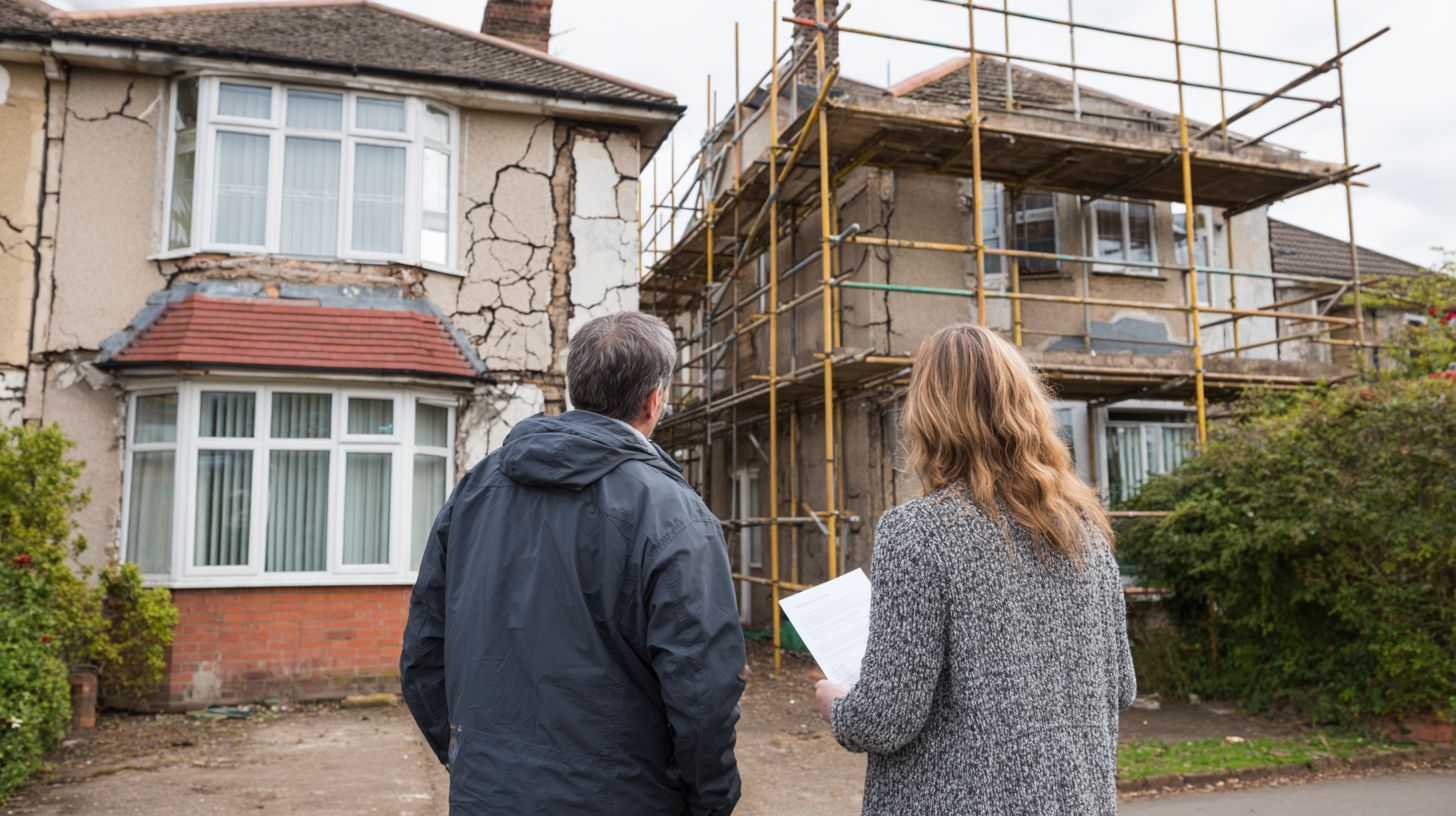
It is recommended to appoint a surveyor who is a RICS-accredited Party Wall Surveyor as soon as possible following a dispute arising, ideally within the timelines outlined in Section 10 of the Act, in order to prepare a Party Wall Award. This process has been particularly effective in mitigating risks of structural damage, as demonstrated in cases involving the removal of chimney breasts.
To facilitate an effective appointment and execution, adhere to the following numbered steps:
- Consult the online RICS directory to identify chartered surveyors with expertise in party wall matters; allocate one day for this research, noting that fees typically range from £500 to £1,000 per party, contingent upon location and complexity.
- Opt for a joint appointment to ensure equitable distribution of fees (which may reduce costs by half), while avoiding selections that could introduce bias and precipitate further disputes—engage both parties in consultation at an early stage.
- Direct the surveyor to compile a Schedule of Condition, utilising precise instruments such as laser measures and digital cameras to document the pre-construction state of the properties with accuracy, thereby minimising the potential for post-works claims.
- Collaborate in the preparation of the Party Wall Award, with a target timeline of 2 to 4 weeks for agreement; this formal document delineates the scope of works and requisite safeguards in accordance with Section 10 of the Party Wall Act 1996.
Implementing these steps promptly can achieve high success rates in resolving matters without escalation, often exceeding 90% based on industry data.
Court Proceedings and Enforcement
If agreements between surveyors cannot be reached, compliance with the Party Wall Act 1996 may be enforced through legal action in the County Court of England and Wales. Appeals against Party Wall Awards must be initiated within 14 days, a requirement that arises in approximately 5% of escalated disputes.
Applying for an Injunction
To apply for an injunction, submit Form N16A to the County Court, accompanied by evidence of the breach. This process can secure urgent relief within 48 hours, as demonstrated in a 2022 case in Wales where unauthorised excavation work was halted.
For successful outcomes under Civil Procedure Rules Part 25, adhere to the following steps:
- Collect evidence, such as photographs, witness statements, and notices of breach, within 2 to 3 days to establish a robust case.
- File the application along with the required £308 fee. Consider requesting a without-notice hearing to accelerate proceedings and prevent delays in time-sensitive situations, such as violations of the Party Wall Act 1996.
- Prepare affidavits for the hearing that clearly outline the harm incurred.
- Upon granting of the injunction, enforce it through county court bailiffs.
Common challenges include inadequate evidence, which contributes to denials in approximately 40% of cases, according to a 2021 Royal Institution of Chartered Surveyors study on Party Wall disputes. It is advisable to consult a solicitor at an early stage to ensure full compliance.
Costs and Financial Implications
Party wall disputes entail substantial financial consequences, with average total costs ranging from £1,500 to £5,000 for surveyor and legal fees. These expenses are often recoverable under policies regulated by the Financial Conduct Authority for property owners in England and Wales.
Who Pays for What
Pursuant to the Party Wall Act 1996, the building owner is generally responsible for all surveyor fees related to the Party Wall Award, as well as the reasonable costs of the adjoining owner’s protection works, which typically amount to up to £1,200 on average. Compensation claims are addressed separately. For those seeking a comprehensive overview, the UK Government’s explanatory booklet on the Party Wall etc Act 1996 offers detailed guidance on responsibilities and procedures.
For a more comprehensive understanding of these costs, the following breakdown is provided:
| Cost Type | Who Pays | Typical Amount | Examples |
|---|---|---|---|
| Surveyor fees | Building owner | £800-£2,000 | Joint appointment for surveys |
| Schedule of Condition | Adjoining owner if opting out | £300 | Documentation of property state |
| Party Wall Award drafting | Building owner | £500 | Legal agreement preparation |
| Legal/injunction costs | Losing party | £1,000+ | Court proceedings if disputed |
| Compensation for damage | Building owner via insurance | Varies | Repairs to adjoining property |
According to the Royal Institution of Chartered Surveyors (RICS) fee guidelines, achieving early amicable agreements can yield savings of up to 50% relative to the expenses of court disputes, thereby mitigating the risk of escalating costs.
Frequently Asked Questions
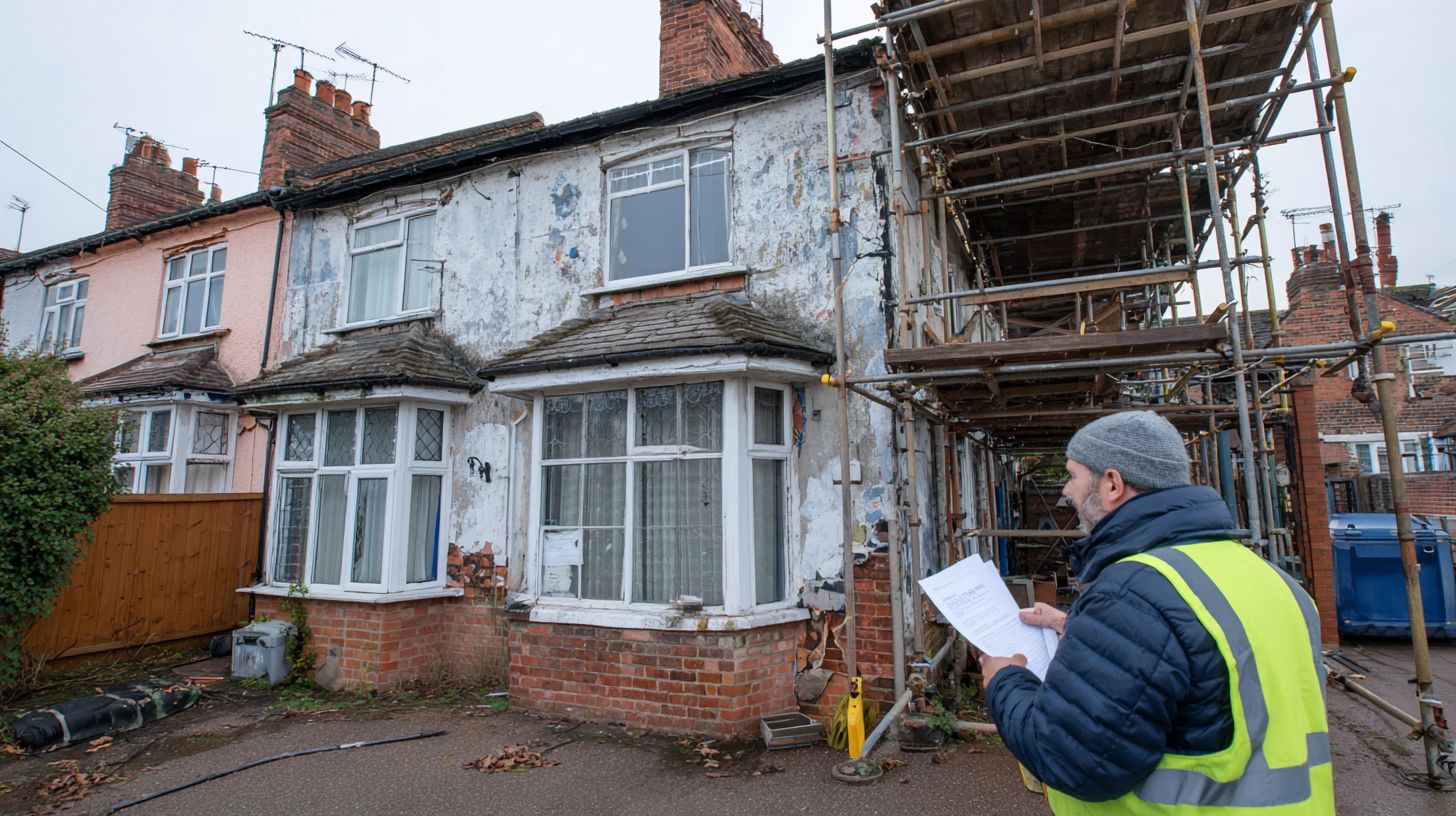
What happens if my neighbour builds an extension without party wall agreement?
If your neighbour starts building an extension without obtaining a party wall agreement, they are likely in breach of the Party Wall etc. Act 1996 in England and Wales.
Is it illegal for my neighbour to build an extension without party wall agreement?
Yes, building an extension without a party wall agreement when one is required under the Party Wall etc. Act 1996 is not strictly illegal but constitutes a civil wrong. This can lead to disputes, potential damage claims if your property is affected, and court intervention in England and Wales. You can enforce compliance through legal channels to ensure your interests are safeguarded.
Can I claim compensation if my neighbour builds an extension without party wall agreement?
Yes, under the Party Wall etc. Act 1996, you may claim compensation for any damage to your property caused by the unauthorised works. Consult a solicitor or party wall surveyor to assess your claim in England and Wales.
You may be eligible for compensation if the unauthorised extension causes damage to your property, such as cracks in the shared wall or loss of enjoyment. What happens if my neighbour builds an extension without party wall agreement often involves assessing any harm done; document everything with photos and hire a professional surveyor. Compensation could cover repairs, legal fees, and inconvenience, but acting quickly is key to strengthening your case.
How do I stop my neighbour from building an extension without party wall agreement?
To stop the build, send a Party Wall Notice demanding a Party Wall Agreement and, if ignored, apply for an Injunction through the County Court in England and Wales. What happens if my neighbour builds an extension, loft conversion, or basement excavation without party wall agreement gives you leverage as the affected party; involve a Party Wall Surveyor early to mediate or escalate, especially for works involving a shared wall along a shared boundary or chimney breast removal. Cease-and-desist letters can also prompt compliance without full litigation.
What are the potential costs if my neighbour builds an extension without party wall agreement?
Your neighbour could face significant costs under the Party Wall Act 1996, including retrospective surveyor fees for a Party Wall Award, costs for preparing a Schedule of Condition, legal expenses from disputes that may cause structural damage, and possible demolition orders. For you, what happens if my neighbour builds an extension without party wall agreement might incur your own legal or surveying costs, but these can often be recovered if you win a case in the County Court. Preventive measures like early intervention can minimise overall financial impact for both parties.
Should I notify authorities if my neighbour builds an extension without party wall agreement?
While party wall issues are primarily civil, notify your local council’s building control department if planning permission is also absent, as this could involve enforcement. What happens if my neighbour builds an extension without party wall agreement typically requires you to handle it via the Party Wall Act 1996’s procedures first, but authorities can step in for broader violations. Consulting a professional, such as a Party Wall Surveyor, ensures you follow the correct escalation path.