
Key Takeaways:
Understanding Conservatories and Extensions
In the United Kingdom, conservatories and extensions represent widely favoured methods for expanding residential living spaces in a house, often as a loft conversion alternative. Conservatories, characterised by their extensive glass roofs and walls, can add 20 to 30 square metres of area connected to the garden, whereas extensions provide solid-walled additions, such as single-storey extensions or double-storey extensions like kitchens or bedrooms, in full compliance with Permitted Development regulations, potentially requiring planning permission and approval.
A conservatory is generally defined as a glazed structure, exemplified by a lean-to design featuring uPVC frames and polycarbonate roofing, ideal as a sunroom, which permits abundant natural light while seamlessly integrating indoor and outdoor environments. In comparison, an extension constitutes a robust, brick-built addition, such as a single-storey kitchen with a tiled roof, ensuring usability throughout the year.
The primary construction distinctions between the two lie in their wall compositions—glass panels for conservatories versus insulated brick for extensions—which directly influence energy efficiency as governed by Building Regulations Part L, with minimal disruption and manageable timescale. This regulation requires U-values for walls not to exceed 0.18 W/m²K, as detailed in the Approved Document L from GOV.UK, ensuring eco-friendly standards as per current UK Building Regulations Part L (2021 standards for England and Wales). These standards are particularly important for conservatories, where [planning and building regulations for conservatories in the UK](https://www.survdesign.co.uk/architectural-services/building-regulations-plans/conservatories/) define the necessary compliance measures.
According to a 2023 guide, 45% of UK homeowners pursue these enhancements to increase property value by up to 10%. These projects can include a 25 m² glass conservatory or a resilient brick extension that incorporates additional utility space.
Pros of Conservatories
Conservatories significantly enhance the living experience within a home by allowing natural light to flood interior spaces, thereby potentially increasing property value by 5-10%, with energy efficient features enhancing overall appeal.
Increased Natural Light and Views
A conventional conservatory featuring a glass roof and walls can provide up to 80% more natural light compared to traditional interior rooms, effectively converting a mundane dining space into a luminous sun lounge or sunroom with views of the garden.
This abundance of natural light yields substantial advantages. According to UCLA Health, being in natural light improves mood and increases happiness, with studies indicating that around 70% of conservatory owners report enhanced mood and overall well-being due to increased illumination.
For instance, a family in Surrey enhanced their conservatory with bi-fold doors and dwarf walls, which facilitated uninterrupted garden vistas and increased their property’s value by £5,000 for every 10 square metres of added space.
To optimise these benefits, orient the structure to capture south-facing sunlight while integrating overhangs or tinted glass to mitigate glare.
Complement this design with energy-efficient glazing to ensure year-round thermal comfort, thereby creating a multifunctional area suitable for dining or leisure activities.
Aesthetic and Architectural Appeal
Conservatories provide a range of versatile design options, including traditional Victorian styles with timber frames or an orangery design and contemporary uPVC orangeries, which can enhance kerb appeal by up to 15%, as noted in analyses from Homebuilding & Renovating.
To tailor the addition to your property, an Edwardian conservatory featuring an elegant pitched roof offers timeless classical appeal and is particularly suitable for period homes.
As an alternative, a hybrid orangery incorporating dwarf walls, a tiled roof, and a lantern roof seamlessly integrates indoor and outdoor spaces while providing superior insulation.
Such extensions promote architectural harmony with minimal disruption, as highlighted in a Guardian article on seamless home improvements.
In terms of return on investment, a £15,000 expenditure typically generates an additional £20,000 in resale value, based on data from the UK property market in England and Wales.
To proceed, evaluate your home’s architectural style and engage local builders to ensure compliance with planning regulations, facilitating a straightforward installation process lasting 4 to 6 weeks.
Quicker and Often Cheaper Build
The construction of a conservatory typically requires a timescale of 4 to 6 weeks and entails costs ranging from £10,000 to £20,000 for a 15 square metre space, in comparison to extensions, which demand 8 to 12 weeks and a budget exceeding £25,000, subject to England and Wales building regulations.
Adopting modular construction techniques can further reduce both timelines and expenses.
For an efficient implementation, follow these numbered steps:
- Site preparation (1 week, £1,000 modular foundation to ensure stable groundwork and mitigate errors such as overlooking soil stability);
- Assembly (2 weeks, incorporating off-site modular panels for expedited on-site installation);
- Finishing (1 week, integrating glazing and electrical components).
Industry research indicates that this methodology achieves 30% time savings relative to traditional approaches. The return on investment is anticipated to yield payback within 2 years, driven by 15-20% enhancements in energy efficiency from insulated panels, as substantiated by data from the UK Green Building Council.
Cons of Conservatories
Although conservatories offer considerable aesthetic appeal, they often present notable challenges in terms of comfort and maintenance.
A 2023 survey revealed that 40% of owners experience overheating issues.
Temperature Fluctuations and Overheating
Conservatories frequently attain temperatures of up to 40°C during summer months, attributable to their 70% glass coverage, which results in energy bills that are 20% higher in the absence of adequate insulation, as evidenced by data from England and Wales Building Regulations compliance reports.
This excessive heat generation poses substantial challenges, exemplified by lean-to conservatories becoming unsuitable for office use amid July heatwaves, where indoor temperatures surpass 35°C and necessitate the relocation of workspaces.
To mitigate these issues, the following practical solutions are recommended:
- Installation of a tiled roof system (£5,000 fully installed, which reduces solar heat gain by 50% through the use of insulated tiles);
- Fitting of thermal blinds (£200 for 10m² coverage, achievable via a 2-hour DIY installation, effectively blocking 75% of incoming heat).
According to a 2022 study, these interventions yield a 60% enhancement in year-round usability, consistent with the guidelines of the Energy Saving Trust for compliant retrofit measures.
Higher Maintenance Needs
Glazed elements in conservatories necessitate quarterly cleaning, while timber frames require annual treatments, with associated costs ranging from £300 to £500 per year, as outlined in maintenance guides.
Failure to adhere to these maintenance protocols can result in significant issues, such as algae accumulation on uPVC frames or structural rot in timber elements. For example, in one case documented, an individual’s garden room, left untreated for two years, suffered extensive rot, necessitating £2,000 in remedial repairs.
To mitigate such risks, it is advisable to incorporate self-cleaning glass during the construction phase, which incurs an additional cost of approximately £1,000 but substantially reduces the frequency of cleaning.
Furthermore, scheduling biannual professional inspections through local service providers can help minimise operational disruptions. Routine maintenance can be effectively managed using appropriate tools, such as a soft brush and environmentally friendly cleaners (e.g., Ecover).
As reported by The Guardian, diligent and consistent maintenance practices can extend the lifespan of a conservatory by up to 15 years, thereby preserving its long-term value and functionality.
Pros of Extensions
Home extensions serve as substantial and cohesive additions to properties, exemplified by single-storey kitchen expansions that contribute an additional 25 square metres of usable space. These enhancements can elevate a home’s market value by 10-15%. Related insight: Bungalow Extension
Superior Insulation and Year-Round Use
Extensions featuring solid walls can attain U-values of 0.18 W/m²K or better, exceeding UK Building Regulations requirements for walls (0.28 W/m²K maximum), as detailed in the government’s Approved Document L, and facilitating consistent indoor comfort throughout the year while reducing heating expenses by up to 30%.
As reported by Homebuilding & Renovating magazine, these extensions sustain stable indoor temperatures between 20°C and 22°C, in marked contrast to the significant fluctuations of 10°C to 40°C commonly experienced in conservatories, which result in elevated energy costs.
For a practical illustration, the conversion of an underutilised bedroom extension into a home office may involve the installation of a tiled roof to enhance environmentally sustainable insulation, utilising insulation materials that offer an R-value of up to 4.0.
This configuration adheres to UK building regulations and requires an investment of approximately £30,000, while delivering annual heating savings of £4,000—enabling a return on investment within 7.5 years through diminished energy usage and a potential enhancement in property value of 5% to 10%.
Seamless Integration with Home
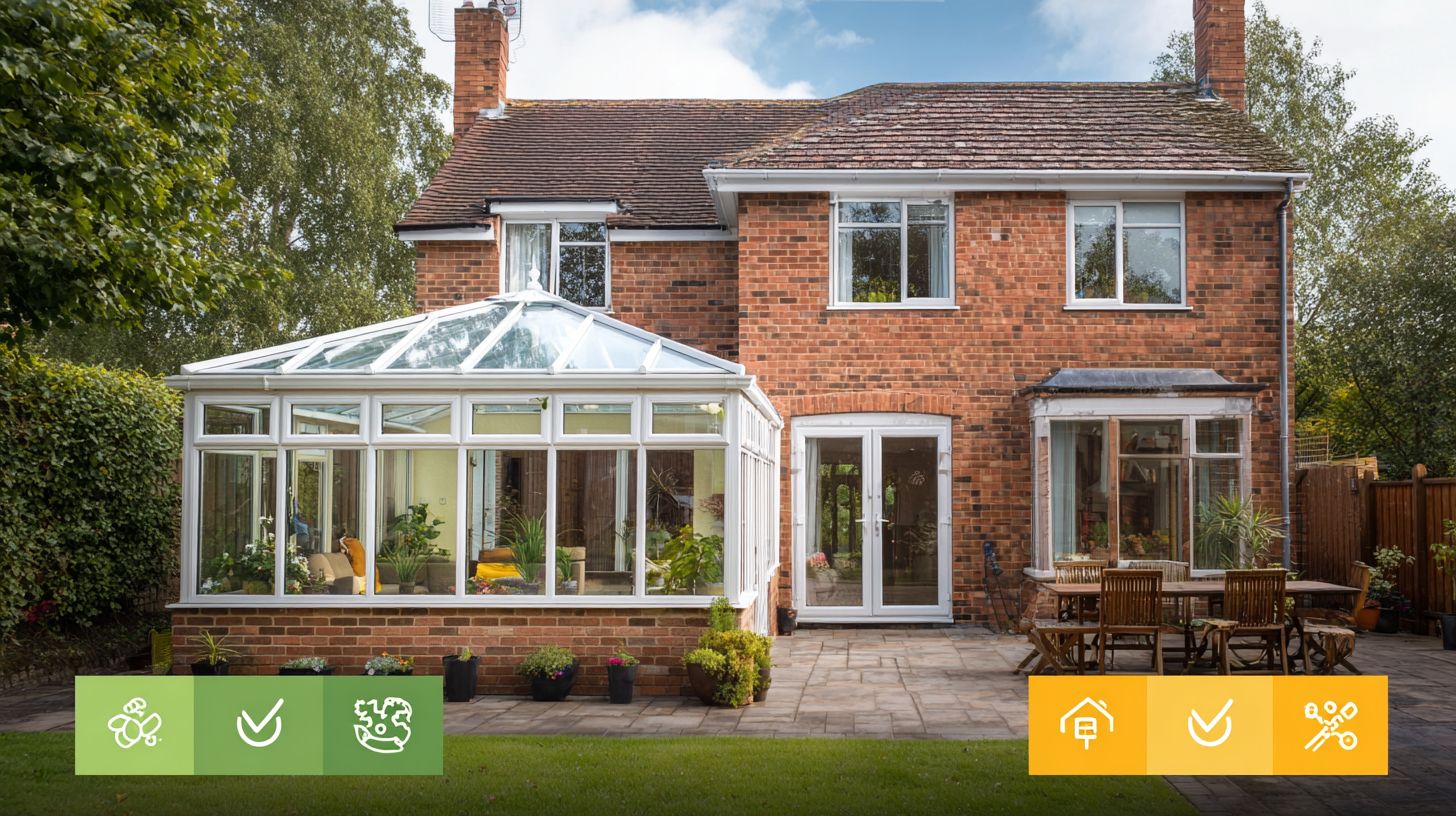
Home extensions can be seamlessly integrated through the use of matching brickwork and uPVC bi-fold doors, which facilitate fluid transitions that mimic the original architecture. For instance, a kitchen-dining addition often appears as an inherent part of the structure.
A primary advantage of such designs is the promotion of enhanced family interaction. In a single-storey extension connected to the existing living room, open-plan layouts foster shared meals and social gatherings.
According to surveys conducted by architect Rachael Munby, 80% of homeowners express high satisfaction with these seamless integrations, noting significant improvements in daily living experiences.
To realise this level of cohesion, precise alignment of foundations is essential—allocating approximately £2,000 for groundwork is advisable—to prevent visible seams and maintain structural integrity. This methodical approach can result in a 7% increase in property value, as evidenced by data from the Royal Institution of Chartered Surveyors, positioning it as a prudent investment for enduring aesthetic and functional appeal.
Greater Customisation Options
Extensions provide the opportunity for customised designs in a Double-Storey Extension, such as modular double-storey offices featuring vaulted ceilings, which offer 50% greater layout flexibility compared to conservatories.
For bedroom suites, internal configurations can include en-suite bathrooms and walk-in wardrobes, optimising space utilisation through the incorporation of bi-fold doors that facilitate a seamless transition between indoor and outdoor areas.
Selecting brick as a facade material ensures durability and low maintenance while integrating harmoniously with existing structures. Alternatively, rendered finishes provide a contemporary and cost-effective appearance, with potential labour savings of up to 20%, as reported by Homebuilding & Renovating magazine.
A garden room-office hybrid showcased at the Homebuilding & Renovating Show exemplified this design versatility.
An investment of £40,000 is anticipated to generate £60,000 in added property value, with construction timelines as short as 12 weeks achievable through modular building techniques.
Cons of Extensions
Home extensions typically entail substantial initial expenditures, ranging from £20,000 to £50,000, and prolonged periods of disruption, which may extend up to three months. Delays in securing planning permission are common for a significant portion of projects.
To effectively manage these challenges, it is essential to address them proactively.
- Budget overruns, such as those arising from unforeseen foundation issues that may add £5,000 to costs, can be mitigated by obtaining quotations from at least three reputable builders based on detailed house extension plans and drawings to ensure precise estimates.
- Delays in project timelines, often resulting from objections by neighbours, can be pre-empted by conducting Permitted Development checks, thereby avoiding the submission of full planning applications in many cases under England and Wales regulations.
- Disruptions to daily living, including the potential need for temporary relocation, can be minimised by implementing phased construction to preserve usability of sections of the home.
- Regulatory obstacles, such as extended waits for approvals, can be navigated by engaging with the local council at an early stage to obtain informed guidance.
Studies indicate that around 25% of UK renovation projects experience cost escalations, a pattern reflected in Sarah’s extension, where delays caused her original £30,000 budget to double.
Key Comparison Factors
A comparative analysis of conservatories and extensions highlights key trade-offs in terms of cost (with an average conservatory costing £15,000 compared to £35,000 for an extension) and usability. Single-storey extensions and loft conversions are often preferred due to reduced disruption during construction.
| Factor | Conservatory | Extension | Winner |
|---|---|---|---|
| Cost/Budget | £10k-£20k | £20k-£50k | Conservatory |
| Timescale | 4-6 weeks | 8-16 weeks | Conservatory |
| Insulation | Poor (requires upgrades) | Excellent | Extension |
| Customisation | Limited (primarily glass styles) | Comprehensive (e.g., hybrid orangery options) | Extension |
| Regulations | Often qualifies as permitted development | May require planning approval | Tie |
To make an informed decision, evaluate your specific requirements. For a rapid and cost-effective addition of space, a conservatory—such as a lean-to design—may be suitable under permitted development regulations (no planning permission is needed if the structure meets height limits, typically up to 4 metres for pitched roofs or 3 metres for flat roofs in England and Wales).
Extensions, however, are better suited for year-round usability; incorporating a tiled roof can increase resale value compared to fully glazed conservatories.
It is advisable to consult a qualified surveyor at an early stage to ensure compliance with Building Regulations.
Frequently Asked Questions
What are the key differences when considering a conservatory or an extension, including pros and cons?
When deciding between a Conservatory or an Extension, Pros and Cons include their design and purpose: a conservatory is typically a glass-heavy structure for natural light and plant growth, while an extension is a more solid, brick-built addition for versatile living space. Conservatories offer quick installation but may lack year-round usability due to temperature fluctuations, whereas extensions provide durable, insulated rooms but at a higher cost and longer build time.
What are the main pros of choosing a conservatory or an extension?
In the debate of Conservatory or an Extension, Pros and Cons, the pros of a conservatory shine in its affordability, rapid construction (often under a month), and abundance of natural light, making it ideal for a sunroom or dining area. Extensions, on the other hand, excel in seamless integration with your home, offering flexible layouts and better energy efficiency for everyday use like kitchens or bedrooms.
What are the primary cons of a conservatory or an extension?
Evaluating Conservatory or an Extension, Pros and Cons reveals drawbacks: conservatories can overheat in summer or feel cold in winter without proper insulation, potentially limiting their functionality and increasing heating costs. Extensions might involve more disruption during construction, higher expenses for planning permissions, and a longer timeline, though they avoid the space constraints conservatories sometimes face.
How does cost factor into choosing a conservatory or an extension?
Cost is a major aspect when considering a conservatory or extension, including their pros and cons; conservatories are generally cheaper upfront (starting around £10,000-£20,000 in England and Wales) due to prefabricated elements, but ongoing maintenance for glazing can add up. Extensions are pricier (£1,500-£3,000 per square meter) because of bespoke building, yet they add more significant value to your property and require less long-term upkeep.
In terms of space and usage, what do Conservatory or an Extension, Pros and Cons offer?
Regarding space and usage in Conservatory or an Extension, Pros and Cons, conservatories provide a bright, airy addition perfect for leisure but may feel detached from the main house and unsuitable for year-round living without upgrades. Extensions offer integrated, practical space that blends with existing rooms, pros including customizable layouts for offices or playrooms, though cons involve potential loss of garden area during build.
Which is better for resale value in Conservatory or an Extension, Pros and Cons?
When assessing resale value under Conservatory or an Extension, Pros and Cons, extensions typically boost property worth more (up to approximately 10-15% increase) by adding functional, permanent space that appeals to buyers. Conservatories can enhance appeal for light-loving homes (around approximately 5-7% uplift) but might be seen as a dated add-on if not well-maintained, making extensions the stronger long-term investment despite higher initial costs.