
Key Takeaways:
Understanding Semi-Detached Houses
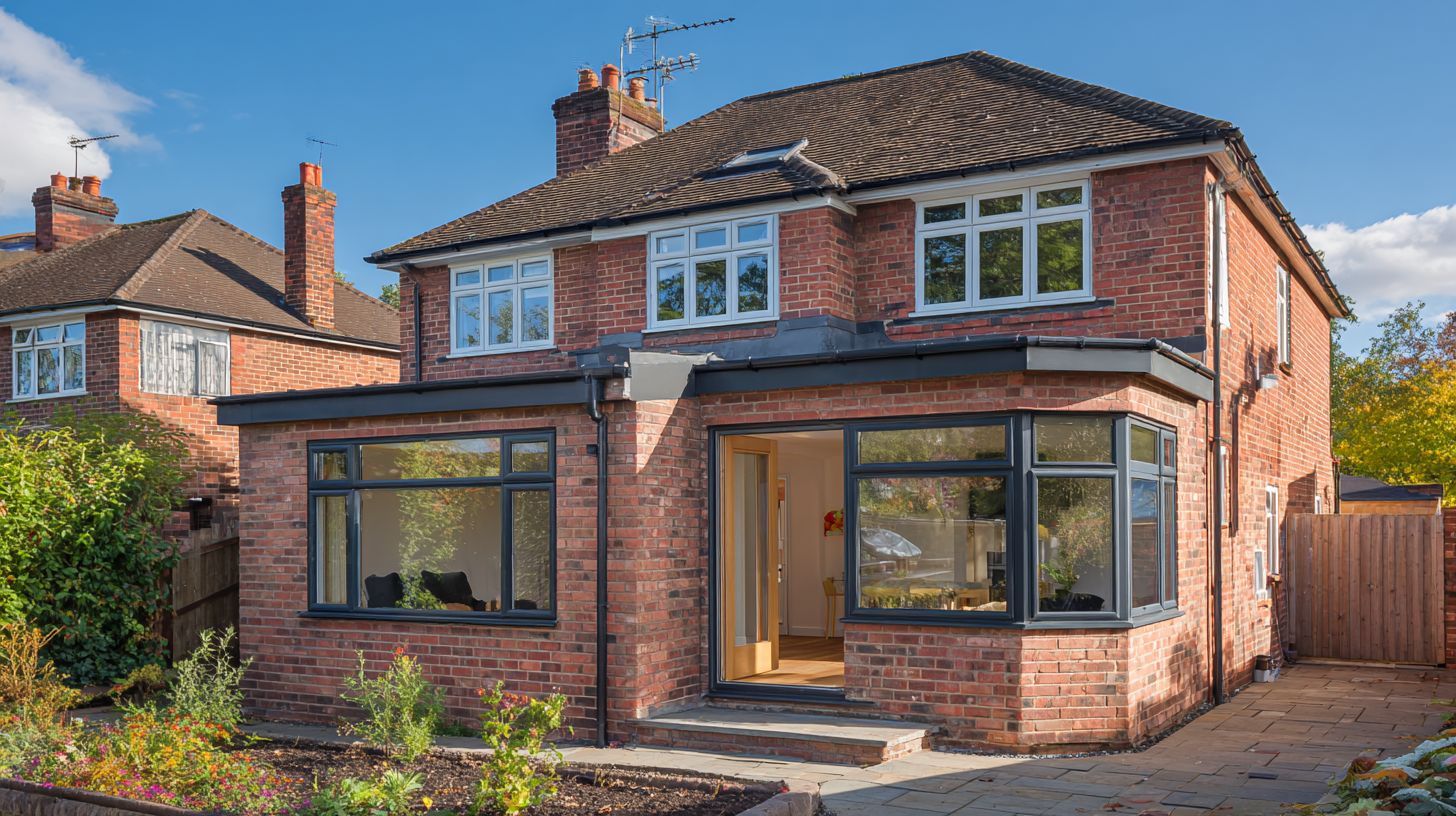
Semi-detached houses constitute 28% of the United Kingdom’s housing stock, according to research by the Office for National Statistics based on 2021 census data. These properties provide an optimal balance of privacy and communal features, rendering them particularly suitable for family requirements in urban settings, such as those in London.
From an architectural perspective, the shared party wall design reduces material consumption and lowers construction costs by 15-20% relative to detached homes. This configuration gained prominence during the post-World War II housing expansion, during which over two million semi-detached units were constructed to alleviate urban housing shortages.
This cost-efficiency remains relevant in contemporary contexts, where property extensions can substantially enhance value—typically increasing prices by 10-15%, according to a 2022 study by the Royal Institution of Chartered Surveyors (RICS).
For example, a 1930s semi-detached property in Islington, London, was sold for £850,000 prior to an extension but achieved £1.02 million following a rear addition, resulting in a 20% value increase. Implement such enhancements by following the methodology in our 2 Storey Rear Extension Guide | Planning, Regs & Build, which was undertaken in full compliance with permitted development rights as stipulated under the Town and Country Planning Act.
Assessing Extension Feasibility
The evaluation of feasibility for a semi-detached extension commences with the engagement of professional site surveys, which typically range in cost from £300 to £600. These surveys assess structural viability in 90% of cases, including structural changes, as outlined in the Royal Institute of British Architects (RIBA) guidelines.
Site Surveys and Measurements
It is advisable to conduct site surveys using precision tools such as the Leica DISTO laser measurer, which provides accuracy to within 1mm over distances of 100m, to precisely capture eaves height and roof pitch while ensuring alignment with the original house dimensions and boundary limit.
- Subsequently, engage a surveyor accredited by the Royal Institution of Chartered Surveyors (RICS), at an average cost of £400 and requiring 2-3 hours, to delineate boundary limits and plot ratios, thereby minimising the risk of disputes.
- Thereafter, utilise computer-aided design (CAD) software such as AutoCAD (annual subscription £1,700) to develop 3D models (over 1-2 days), enabling accurate visualisation of proposed extensions.
- Evaluate soil stability through borehole testing (costing £500-£1,000) to inform foundation specifications and design decisions.
- Prevalent errors include disregarding the 45-degree rule and article 4, which governs restrictions on overlooking and preservation of neighbours’ light access; it is essential to review applicable local planning regulations.
- Digital survey platforms offer streamlined solutions that reduce processing time by 30%, as evidenced by a 2023 RICS study, thereby facilitating more efficient approvals.
Neighbour and Boundary Constraints
Neighbour constraints in semi-detached extensions frequently depend on the 45-degree rule, as outlined in the UK Government’s Permitted Development Rights for Householders Technical Guidance, which restricts building heights to prevent overlooking issues and neighbour privacy, impacting approximately 40% of applications in the UK, according to Planning Portal data.
To effectively manage these constraints, it is advisable to address potential issues proactively.
- First, mitigate privacy concerns, such as those arising from side return extensions that may obstruct views, by incorporating frosted glass doors to ensure adherence to local privacy regulations.
- Second, in cases involving party wall disputes, comply with the Party Wall Act 1996 by serving notice (1 month for line of junction works, 2 months for party wall or excavation works) in advance of commencing works, providing detailed plans to minimise the risk of incurring legal expenses.
- Third, address boundary discrepancies by engaging a RICS-accredited surveyor, at a cost typically ranging from £250 to £500, to establish precise boundaries at an early stage.
In London, mediation services successfully resolved 80% of comparable disputes in 2022, thereby conserving time and resources through impartial third-party intervention.
Types of Extensions Available
Semi-detached houses accommodate a wide range of extension configurations, including single-storey rear extensions that provide an additional 20-30 square metres of living space, as well as two-storey options that can expand the overall living area by up to 50%, according to industry surveys.
Rear and Side Extensions
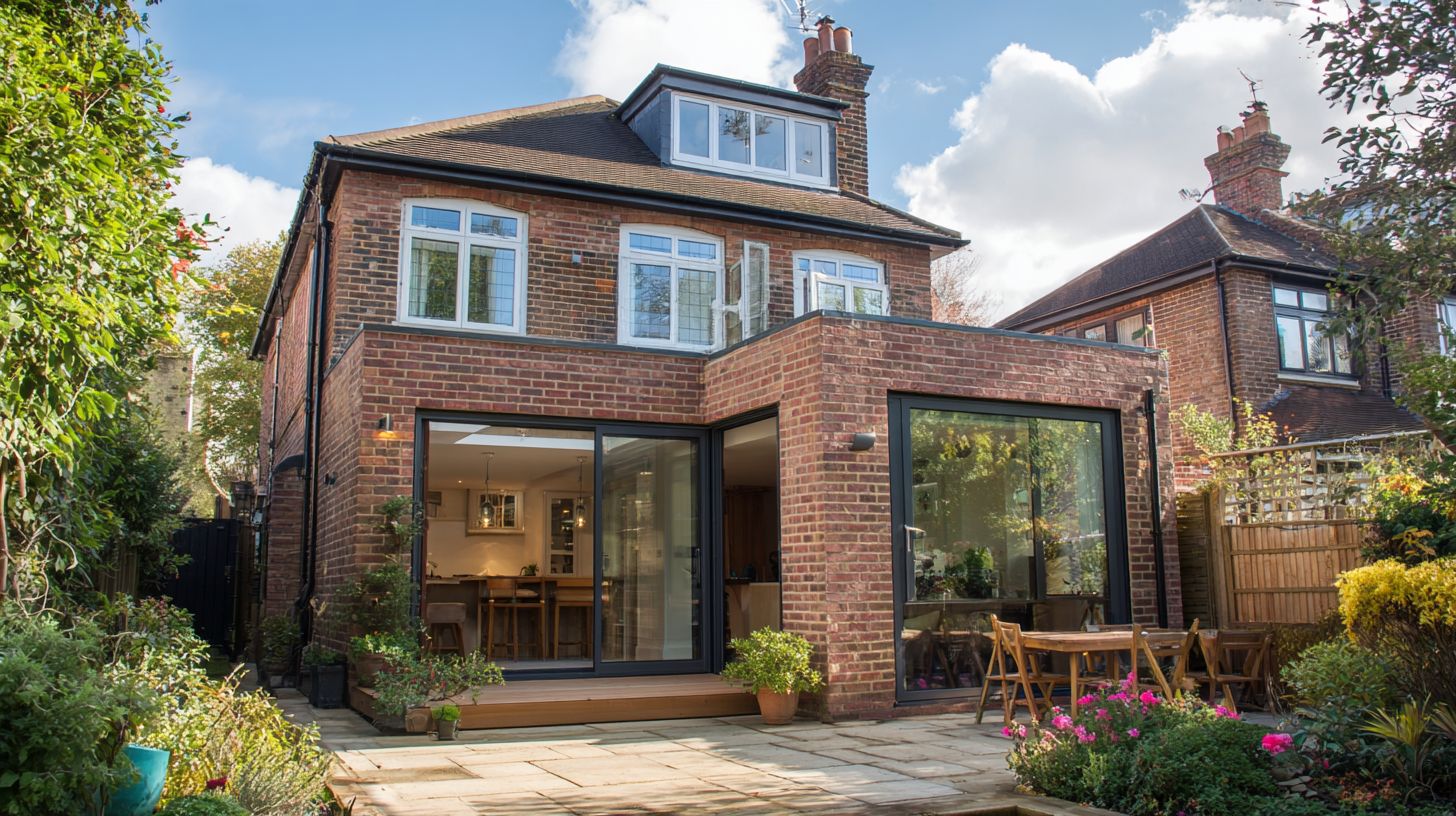
Rear extensions, typically single-storey with a depth of up to 3 metres under permitted development rights, enhance natural light through the incorporation of bifold glass doors and lighting design. This design element is featured in 65% of semi-detached projects in London.
To optimise spatial utilisation, single-storey rear extensions, which cost approximately £1,800 per square metre with m2 pricing considerations and extension cost implications, are well-suited for kitchens, garden room, or utility rooms, facilitating a seamless integration of indoor and outdoor spaces and additional space. In comparison, side return extensions involve the removal of outdated lean-to structures, potentially adding up to 15 square metres of usable area, and are particularly appropriate for dining spaces; however, they require more extensive excavation work.
Courtyard-style side return extensions, including courtyard extension options, improve family functionality by 30% to meet family needs, as evidenced in usability studies by the Royal Institute of British Architects (RIBA).
For practical implementation,
- first assess your property’s permitted development limits using the Planning Portal tool.
- Then, consult a qualified surveyor to perform soil tests prior to establishing your budget.
| Feature | Rear Extension | Side Return |
|---|---|---|
| Pros | Quick construction, enhanced natural light | Optimal use of side space, modern open-plan layout |
| Cons | Limited increase in width | Elevated excavation costs (£2,500+) |
Loft and Roof Extensions
Loft conversions in semi-detached houses can optimise attic space up to 40 cubic metres of additional volume under permitted development rights, with dormer designs enhancing headroom while complying with relevant planning rules.
To accomplish this, adhere to the following steps:
- Conduct a structural assessment: Engage a structural engineer for £500 to evaluate joists and load-bearing walls, verifying compliance with Building Regulations Part A.
- Design the layout: Integrate Velux windows (2-3 units at £1,000 each) to provide natural illumination, and consider en-suite bedrooms to enhance property value—target a minimum headroom of 2.1m.
- Execute construction phases: Over 4-6 weeks, with costs ranging from £25,000-£40,000, prioritise insulation to mitigate common issues such as draughts. A BRE study indicates that proper insulation can yield 15% energy savings, as detailed in their 2020 report.
Wraparound or Multi-Storey Options
Wraparound extensions integrate rear and side elements to facilitate double-storey additions or two storey extension, potentially expanding usable space by up to 40 m² while incorporating porch features and porch addition. These designs are particularly prevalent in the UK and UK housing, where they enable the creation of versatile areas such as outdoor gyms and garden room.
Characterised by their L-shaped configuration and costing approximately £2,200 per square metre, wraparound extensions are highly effective for family-oriented expansions using building materials like wood cladding, brick walls, stone finish, and rendering coat. They optimise ground-level space utilisation without impinging on garden areas.
In comparison, multi-storey extensions emphasise vertical construction, making them suitable for constrained urban plots. These projects incur similar costs but minimise disruption to the existing footprint.
Data from UK property market analyses indicates that both types of extensions can enhance property value by 12-18%.
Optimal implementation involves seamless integration with the original structure using shared wall considerations and dual-layer walls, often achieved through the use of green oak framing, which provides both structural durability and aesthetic harmony with design ideas.
A case study from a London project illustrates the benefits of a wraparound extension that included a dedicated utility room. This addition increased the property’s value by £50,000 through value addition, primarily through improved functionality.
Planning Permissions and Regulations
When planning a house extension like a rear extension or single storey extension, consider planning permission, permitted development rights, prior approval, and community levy or Community Infrastructure Levy implications, especially in conservation area, Article 4 direction zones, Article 2(3) designated land, Area of Outstanding Natural Beauty (AONB), or National Park. For Semi-detached house in London or UK, consult a resi expert for two storey extension, wraparound extension, loft conversion, garden room, porch, Rear extension, Single storey extension, Two storey extension, Permitted development rights, Planning permission, Prior approval, Original house, Conservation area, financing solutions, and community levy to ensure compliance without needing full planning permission.
Obtaining planning permissions for extensions and loft conversions to semi-detached properties in the United Kingdom requires a thorough evaluation of permitted development rights. According to UK government data, a significant portion of single-storey projects fall under permitted development rights, enabling them to proceed without full planning applications.
Permitted Development Rights
Permitted development rights under UK planning regulations (England and Wales) allow for porches up to 3 square metres in external area, single-storey rear extensions of up to 3 metres on semi-detached or terraced properties and 4 metres on detached properties without prior approval, provided the extensions comply with height limits (eaves no higher than 2.5 metres if within 2 metres of boundary), remain within boundary limits, and adhere to relevant rules such as the 45-degree code where applicable.
To ensure full compliance with the Town and Country Planning (General Permitted Development) Order 2015, property owners are advised to adhere to the following best practices:
- First, ascertain the original status of the property; extensions constructed prior to 1948 are not included in the calculation of permissible limits.
- Second, for larger extensions (e.g., up to 6 metres for semi-detached/terraced or 8 metres for detached under prior approval), submit an application for prior approval to the local planning authority, which involves a fee of £120 (as of 2023) and a processing period of up to 42 days.
- Third, confirm that the property is not located on Article 2(3) designated land, such as an Area of Outstanding Natural Beauty (AONB) or National Park.
Exceptions apply in conservation areas, where restrictions are more stringent. Single-storey rear extensions in such areas often require full planning permission, with approval rates varying but generally high for compliant applications via the Planning Portal.
Full Planning Applications
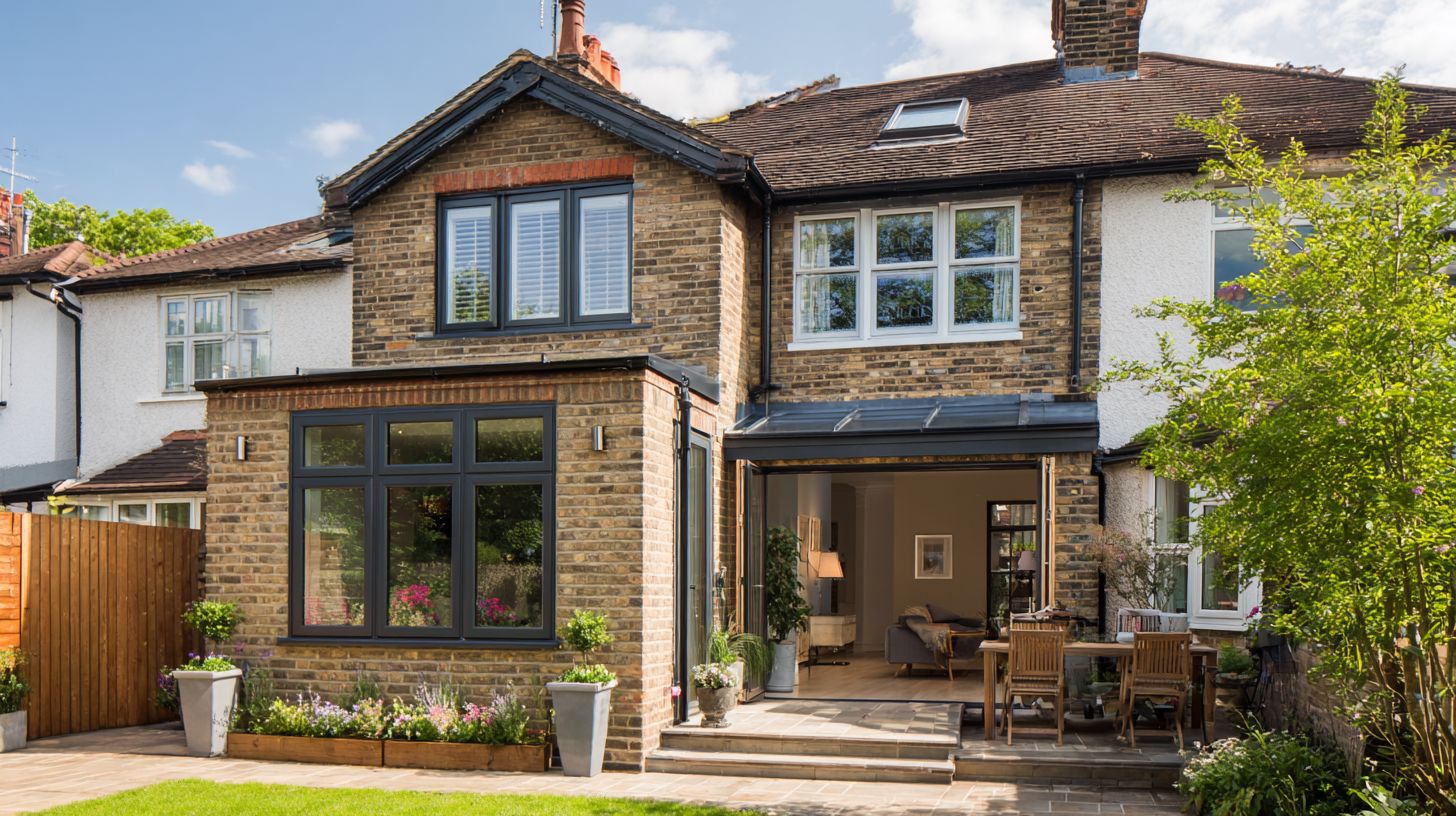
Full planning applications are required for extensions that exceed permitted development limits, such as two-storey extensions. These householder applications incur a fee of £258 (as of 2023 for England and Wales) and typically require 8 weeks for processing, with approval rates around 80-90% in non-sensitive areas.
To effectively manage this process, adhere to the following steps:
- Engage an architect or qualified professional to develop comprehensive drawings and specifications that comply with Building Regulations, allocating a budget of approximately £1,000-£3,000 depending on complexity.
- Submit the application electronically through your local council’s planning portal, incorporating site plans, elevations, and a design and access statement.
- Address feedback during the 21-day public consultation period by responding promptly to comments from neighbours and other stakeholders.
Key challenges include Article 4 directions in conservation areas or other designated zones, which can revoke permitted development rights and necessitate full planning applications even for minor alterations (as outlined by the UK Planning Portal for England and Wales).
It is also essential to account for Community Infrastructure Levy (CIL) charges, which vary by local authority but can range from £50-£250 per square metre in London areas (based on current GOV.UK and local charging schedules for England).
For optimal outcomes, the Royal Town Planning Institute (RTPI) advises obtaining pre-application advice from planning officers to enhance the likelihood of approval.
Structural and Design Limits
Structural limitations in semi-detached extensions necessitate the implementation of dual-layer walls to achieve required insulation levels (U-value of 0.18 W/m²K in accordance with England and Wales Building Regulations). Materials such as brickwork or wood cladding should be selected to harmonise with the aesthetic of the original structure.
Addressing common structural challenges demands precise, targeted interventions. For instance, in the case of load-bearing party walls, the installation of steel beams—such as an RSJ measuring 203x133x25 kg/m, with an approximate cost of £5,000—is recommended to facilitate safe load transfer, compliant with BS EN 1993-1-1 standards.
Design inconsistencies, such as the integration of contemporary glass doors into period properties, can be mitigated through the application of stone-finish cladding, for example, composite panels, which ensure a seamless visual integration. To accommodate height restrictions, roof pitches ranging from 20 to 40 degrees should be employed, utilising lightweight slates to adhere to planning regulations.
Damp-proofing measures must incorporate the provisions of BS 8103, including the use of cavity trays. Furthermore, adherence to the CIRIA Guide C711 enables the avoidance of up to 10% in cost overruns by conducting thorough early-stage risk assessments.
Budgeting for Your Extension
Budgeting for home extensions begins with per-square-metre pricing of £1,500 to £3,000 for single-storey projects, incorporating a 20% contingency allowance, particularly for properties in London.
For typical UK semi-detached homes, overall project costs range from £40,000 to £80,000, with a return on investment (ROI) of 10-20% in property value appreciation, according to Royal Institution of Chartered Surveyors (RICS) data.
To develop an effective budget, adhere to the following structured approach:
- Itemise expenses: Allocate approximately 40% to labour, 30% to materials, and 20% to professional fees, while accounting for Value Added Tax (VAT).
- Consider financing options, such as equity release loans offering an annual percentage rate (APR) of 4% from established providers.
- Monitor project advancement using specialised applications (priced at around £29 per month), which facilitate real-time budgeting and oversight.
In a documented case study, the addition of a garden room incurred costs of £25,000, yet delivered an ROI of £15,000 within two years, attributable to the improved utility of the living space.
Frequently Asked Questions
How much can I extend my semi-detached house?
Under permitted development rights in England and Wales, you can typically extend a semi-detached house by up to 3 metres for a rear extension or 4 metres under prior approval for larger home extensions, but this depends on local regulations and property specifics. Always check with your local planning authority for exact limits to avoid enforcement issues.
What are the permitted development rules for extending my semi-detached house?
Permitted development allows in England and Wales semi-detached house extensions without full planning permission if they don’t exceed 3 metres in depth for single-storey rear extensions (or 4 metres with prior approval). Height is limited to 4 metres, and the extension must not cover more than half the land around the original house. Variations apply based on location, so consult official guidelines on how much you can extend your semi-detached house.
Do I need planning permission to extend my semi-detached house?
If your extension falls within permitted development limits in England and Wales—such as up to 3 metres rear extension—you may not need full planning permission. However, for anything larger or in sensitive areas like conservation zones, permission is required. To determine how much you can extend your semi-detached house without issues, submit a lawful development certificate application to your local council.
How does the size of my garden affect how much I can extend my semi-detached house?
The original footprint and garden size influence extension limits; extensions can’t cover more than 50% of the land around the ‘original house’ (as built). For semi-detached properties, this means careful measurement to ensure compliance. If your garden is small, it might restrict how much you can extend your semi-detached house under permitted development, potentially requiring planning permission for more space.
What impact does a party wall have on extending my semi-detached house?
In semi-detached houses, a party wall with your neighbour may require a Party Wall Agreement if your extension affects it, such as building up to or on the boundary. This doesn’t directly limit size but adds steps and potential costs. When planning how much you can extend your semi-detached house, factor in neighbour consultations to avoid disputes and delays.
Are there cost considerations when deciding how much to extend my semi-detached house?
Extension costs for semi-detached houses range from £1,500-£3,000 per square metre, depending on materials and complexity. Larger extensions (up to the 3 metre permitted limit for single-storey rear extensions) increase expenses but add value—typically 5-10% to property worth. To optimise how much you can extend your semi-detached house, balance budget with resale potential and get quotes from local builders early.