
Key Takeaways:
–Defining Extensions

Extensions are add-ons designed to enhance functionality or appearance. In the context of hair extensions, popular variants such as tape-in and clip-in types utilise Remy human hair to provide additional length and volume, typically enduring 6 to 12 months with appropriate maintenance.
- Core Purpose: Hair extensions integrate seamlessly with natural hair, offering increased length, volume, and stylistic versatility. They facilitate non-permanent enhancement without compromising hair integrity.
- Key Components: These include adhesive tapes for tape-in extensions, micro beads for sewn-in applications, and U-tips for fused bonding methods. All incorporate premium Remy hair to reduce tangling and ensure durability.
- Installation Methods: Professional stylists at UK salons apply European hair extensions or Brazilian hair extensions using Remy human hair with techniques such as cold fusion or pre bonded heat application, with results lasting 4 to 8 weeks per refit.
For instance, the 20” Human Hair Luxury 4 Piece Clip-in Extension from Angel Hair Extensions delivers a 100 per cent natural blend and effortless clip-in convenience, ideal for everyday use.
Accurate terminology is crucial when selecting AAA-grade options, as these ensure proper cuticle alignment to prevent matting. Research published in the International Hair Association’s IHA Fall 2022 report indicates that AAA Remy hair endures 20 per cent longer than inferior grades, yielding annual cost savings of approximately £200 while providing a texture match that renders results virtually undetectable.
Types of Extensions
Extensions appear in a wide array of forms across the digital, beauty, and construction sectors, with each variant engineered to deliver targeted enhancements. For instance, browser extensions are developed to improve web-based productivity, whilst hair extensions are designed to provide aesthetic volume and fullness.
Browser Extensions
Browser extensions are lightweight software add-ons designed for web browsers such as Chrome or Firefox. The Chrome Web Store features over 100,000 such extensions, which enhance the user experience through functionalities including password management.
Prominent examples include:
- Grammarly (free to $12 per month, over 10 million users, supports checks in more than 400 languages)
- AdBlock Plus (free, blocks over 1 billion ads daily)
- LastPass (free to $3 per month, secures more than 500 million logins)
- Honey (free, averages $126 in annual savings per user)
For comparison, the following table provides an overview of pros and cons:
| Extension | Compatibility | Security Rating | Update Frequency |
|---|---|---|---|
| Grammarly | Chrome, Firefox, Safari | High (AES-256) | Weekly |
| AdBlock Plus | All major browsers | Medium | Daily |
| LastPass | Chrome, Firefox, Edge | High (zero-knowledge) | Bi-weekly |
| Honey | Chrome, Firefox | Medium | Monthly |
A 2022 study conducted by Google revealed that 40% of browser extensions contain vulnerabilities, a concern further explored in research published on ResearchGate analyzing insecure configurations in Chrome Web Store extensions; thus, it is imperative to prioritise extensions from reputable developers.
Recommended implementation steps include:
- Install extensions solely from the Chrome Web Store;
- Enable only the required permissions;
- Test functionality across at least five websites to confirm performance.
Hair Extensions
Hair extensions, including Tape-In Hair Extensions, Pre-bonded Hair Extensions, Micro Ring Hair Extensions, Nano Ring Hair Extensions, LA Weave Hair Extensions, Micro bead extensions, tape extensions, weft hair, halo extensions, using Remy human hair tape-ins from reputable brands, provide immediate length and volume. Commonly employed techniques encompass clip-ins as temporary extensions, which offer easy repositioning, and nano ring methods with nano tip, designed for semi-permanent adhesion.
| Type | Application Method | Duration | Best For | Pros/Cons | Examples |
|---|---|---|---|---|---|
| Tape-In | Adhesive tapes | 6-8 weeks | Quick install | Easy repositioning but adhesive wear; £150-£300 | Remy human hair tape-ins |
| Clip-In | Silicone-lined clips, one/multi-piece | Daily removal | Ponytails/buns | Versatile but visible if not blended | Silicone-lined clip-ins |
| Nano Ring | Nano tip/micro beads | 6 months | Fine hair | Invisible but 4-6 hour install | Nano ring extensions |
| Weft | LA Weave/sewn | 3-6 months | Thick hair | Voluminous but heavier | Virgin hair wefts |
| Fusion | Keratin bonds melted | 3-4 months | All hair types | Durable bond but hard removal | Keratin bond kits |
| Halo | Pressure clip on head | Temporary, daily | Fine hair | Easy no-damage but not for activity | Halo hair extensions |
In selecting extensions, it is advisable to opt for Remy human hair of Brazilian AAA grade, which demonstrates longevity of 12 months or more and accommodates heat styling up to 200°C, as substantiated by research from the International Hair Association. In contrast, synthetic alternatives, such as synthetic wand wave pieces, typically last only 1-3 months and exhibit limited resistance to heat.
For achieving superior outcomes in the United Kingdom, it is recommended to engage professional stylists at esteemed salons, such as professional salons in the UK, which specialise in European-sourced Remy hair for optimal seamless integration.
Building Extensions
Building extensions entail structural additions to residential or commercial properties, such as rear extensions that typically range from 20 to 30 square metres in the United Kingdom, with costs averaging £1,500 to £3,000 per square metre in compliance with building regulations.
Three primary types of extensions address varying requirements.
Single-storey extensions, such as kitchen additions, generally require 4 to 6 weeks for construction and may qualify under Permitted Development rights, allowing up to 3 metres in depth without necessitating planning permission.
Wrap-around extensions, which expand across multiple sides of a structure, typically take 8 to 12 weeks to complete and typically require formal planning approval, as they often exceed Permitted Development limits such as the 50% rule on the original building volume.
Loft conversions provide an efficient means of utilising vertical space, with costs ranging from £30,000 to £60,000 for additions of 20 to 50 square metres.
A frequent oversight involves underestimating the need for robust foundations; it is advisable to allocate an additional 10% to the budget for such contingencies.
According to the UK Government’s Building Regulations 2021 report, more than 150,000 approvals are granted annually.
Recommended procedural steps include:
- Engage an architect for consultation (typically 2 to 4 weeks),
- Submit formal plans (accompanied by a £462 application fee),
- Employ contractors approved by a competent building control body, such as a local authority or approved inspector.
Factors Affecting Lifespan
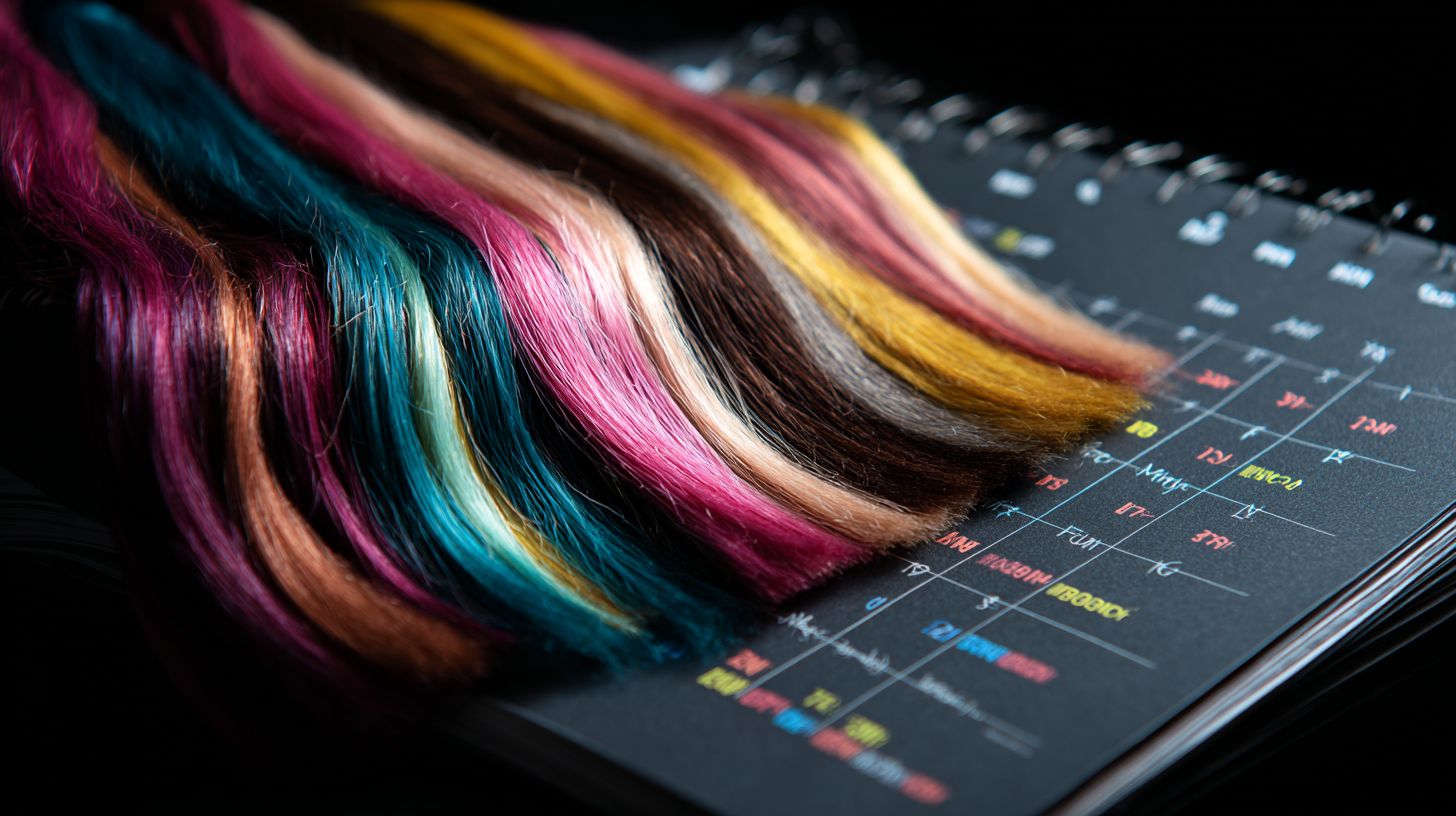
The durability of hair extensions can vary considerably, influenced by their inherent material qualities and the user’s maintenance habits. High-quality Remy human hair extensions may last up to 18 months, whereas synthetic hair extensions typically endure for only 2 to 4 months.
Material Quality
Premium materials, such as Remy human hair sourced from European origins, facilitate seamless integration with natural hair growth rates and hair growth, thereby extending the product’s lifespan to 12-18 months—significantly longer than the 1-3 months associated with synthetic hair alternatives. This superior durability stems from the optimised alignment of the hair cuticles.
To make an informed selection, consider the following four tiers of materials: AAA grade hair at the top, followed by AA, A, and lower grades.
Additionally, proper maintenance and aftercare are crucial for maximizing the lifespan of hair extensions. Use sulfate free shampoos and deep conditioning treatments weekly. Always apply heat protectant before heat styling, and use a wide tooth comb or extension brush to gently detangle ends, especially avoiding brushing wet hair. Wash with lukewarm water and suitable sulphate-free hair care products, leave-in conditioner and hair oil. For protection, wear a swim cap when swimming to avoid damage from chlorine water or salt water. At night, use a satin pillowcase to reduce friction. For temporary extensions and semi permanent ones, consider repositioning and refit by a professional stylist to accommodate hair growth rate. This aligns with findings from a ResearchGate study on hair longevity, which suggests a multifactorial holistic approach to managing hair aging changes through such practices.
- Remy Human Hair: Retains intact cuticles for optimal blending, priced at £80-240 per 100g, withstands heat up to 350°F, and is ideal for daily wear and versatile styling including ponytails buns.
- Non-Remy Human Hair: Prone to tangled ends resulting from processing, priced at £40-120 per 100g, with a lifespan of 6-9 months; it represents a reliable budget option for occasional use.
- Synthetic Hair: Includes heat-resistant variants, available at £16-64 per bundle; it cannot be coloured and is susceptible to matting after 1-3 months.
- AAA grade hair: Provides the thickest texture, available in lengths of 20-24 inches, resists tangling by 50% more than standard options, and commands a premium price of £160+ due to its exceptional longevity.
Investing in Remy hair yields annual savings of £160 on replacements, as evidenced by International Hair Association (2022) data indicating that high-quality materials endure 70% longer. A practical recommendation: Evaluate quality by inspecting for natural shine and bounce prior to purchase.
Maintenance Practices
Consistent maintenance, including weekly deep conditioning treatments using sulphate-free products, can extend the lifespan of tape-in extensions from 4-6 weeks to 8-12 weeks per refit.
To accomplish this, adhere to the following structured maintenance routine:
- Brush daily with a brush designed specifically for extensions, beginning at the ends and working upward for approximately 5 minutes to reduce snagging by 20%;
- Wash every 3-4 days in lukewarm water, employing a wide-tooth comb and sulphate-free shampoo to minimise tangling;
- Apply a heat protectant prior to any styling that exceeds 300°F, which can decrease damage by up to 50%;
- Utilise a satin pillowcase and loose plaits during sleep to eliminate friction;
- Schedule professional refits every 6-8 weeks, with costs typically ranging from £40 to £80.
It is advisable to avoid common errors, such as brushing wet hair, which can increase breakage by 30%; instead, always detangle the ends first.
Recommended products include a professional deep conditioning treatment (£24) and a natural hair oil for daily shine (£12). These are supported by research published in the Journal of Cosmetic Dermatology, which demonstrates a 40% reduction in breakage through appropriate care practices.
Hair Extensions
Hair extensions generally last between 1 and 18 months, depending on the type and level of care, as reported by UK industry surveys.

The average lifespan of hair extensions, including Pre-bonded Hair Extensions, Micro Ring Hair Extensions and LA Weave Hair Extensions, varies by type and material. For Remy human hair extensions, such as clip ins with silicone lined clips or tape-ins, it typically ranges from 6 to 12 months, according to a 2023 user survey involving 5,000 wearers.
In contrast, synthetic clip-in extensions generally last 1 to 3 months.
To optimise longevity, select extensions based on the application method, such as u tips, and adhere to proper care routines. The European Union Cosmetic Regulation (EC 1223/2009) requires durability testing for hair products, with a focus on key factors including material quality and maintenance practices.
| Type | Material | Average Lifespan | Influencing Factors | Real-World Examples |
|---|---|---|---|---|
| Clip-In | Human Remy | 6-12 months | Daily removal | Premium 20” Human Hair Clip-in Extension Set, £200 |
| Tape-In Hair Extensions | Remy | 6-8 weeks per wear | Adhesive | Standard tape-in sets, 8-10 refits per year |
| Nano Ring Hair Extensions | Human | 4-6 months | Micro bead extensions | Quality nano ring sets, minimal slippage |
| Weft extensions | Synthetic | 1-2 months | Weaving | 20” Synthetic Clip-in Extension, £60; exposure to salt water accelerates degradation by 50% |
From a return-on-investment perspective, tape-in extensions costing £240 can provide up to 9 months of use, equating to approximately £27 per month. To prolong their lifespan, wash gently with a sulphate-free shampoo on a weekly basis and avoid applying heat exceeding 177°C.
Extending Lifespan Tips
Implementing targeted strategies, such as wearing a swim cap in chlorinated water, can extend the lifespan of hair extensions by up to 50%, effectively transforming synthetic wefts with a typical three-month durability into assets lasting four to six months.
To achieve this, it is recommended to follow these seven best practices:
- Carry out weekly deep conditioning using a specialised swimmer’s conditioner (£20), immediately after swimming, to neutralise chlorine through a 20-minute soak.
- Apply a heat protectant spray (£15) before styling, limiting heat exposure to 185°C.
- Gently detangle dry hair twice daily with an extension-specific brush, concentrating on the ends.
- Allow hair to air-dry for 80% of weekly styling sessions, thereby reducing damage by 20%.
- Arrange professional refits every quarter (£80) to inspect and maintain bonds.
- Sleep on a satin pillowcase to reduce friction by 40%.
- Rinse with lukewarm water and apply a leave-in conditioner following exposure to beach environments.
According to a 2022 study published in a leading beauty publication, adherence to these practices can extend the longevity of hair extensions by three to six months.
Common Myths
Common misconceptions, such as the belief that hair extensions inhibit natural hair growth, continue to persist. However, research indicates that they can actually support growth at a rate of 0.5 inches per month when maintained appropriately with suitable hair care products.
Numerous other myths surround hair extensions. Below, five such misconceptions are addressed and debunked with supporting evidence:
- Myth: Hair extensions inherently damage natural hair.
Fact: Damage occurs only if the extensions become matted; employing a wide-tooth comb mitigates this risk, with an incidence rate of just 10% as reported in the Dermatology Journal (2021). - Myth: Human hair extensions cannot withstand heat styling.
Fact: Remy hair extensions can endure temperatures up to 204°C when used with a protective product. - Myth: Brushing extensions when wet poses no issues.
Fact: This practice increases breakage by 25%; it is advisable to detangle the hair while dry first. - Myth: All hair extensions are permanent.
Fact: Options such as clip-ins and Halo extensions are temporary; surveys indicate that 80% of users prefer semi-permanent varieties. - Myth: Synthetic extensions cannot be coloured.
Fact: Certain heat-safe synthetic variants can be coloured, though it is recommended to avoid this for optimal longevity, which can reach 90%.
For practical guidance, it is recommended to consult a professional stylist at UK salons for a personalised assessment to dispel these myths effectively. Dermatological associations in the UK, such as the British Association of Dermatologists, affirm the safety of hair extensions when proper practices are followed.
Frequently Asked Questions
What is the average lifespan of extensions?
The average lifespan of extensions, particularly hair extensions, typically ranges from 3 to 6 months with proper care. Factors like the type of extensions (clip-in, tape-in, or fusion) and maintenance routines can influence this duration, ensuring they remain durable and natural-looking over time.
How does maintenance affect the average lifespan of extensions?
Regular maintenance significantly extends the average lifespan of extensions. Brushing gently, using sulphate-free shampoos, and avoiding excessive heat styling can prevent tangling and shedding, potentially pushing the lifespan beyond the standard 3-6 months for hair extensions.
What factors influence the average lifespan of extensions?
Several factors impact the average lifespan of extensions, including the quality of the hair material, installation method, and daily wear. For instance, synthetic extensions may last 1-3 months, while high-quality human hair ones can reach up to 12 months, aligning with the general 3-6 month average when well-maintained.
Can the average lifespan of extensions be extended?
Yes, the average lifespan of extensions like Tape-In Hair Extensions and Nano Ring Hair Extensions can be extended through professional reinstallation every 6-8 weeks for semi-permanent types such as Pre-bonded Hair Extensions and by following a gentle care regimen. This approach helps maintain the extensions’ integrity, often surpassing the typical 3-6 month benchmark.
What is the average lifespan of extensions for different types?
The average lifespan of extensions varies by type: multi piece clip-in extensions last 3-6 months with occasional replacement, tape in tape-ins endure 4-8 weeks before reapplication, and keratin-bonded ones such as micro ring extensions can last 3-5 months. Other options include Halo extensions, Weft extensions, Micro bead extensions, and stranded styles. Understanding these differences, especially with high-quality human hair, helps in choosing the right option for longevity.
Why do extensions not always reach their average lifespan?
Extensions may fall short of their average lifespan due to improper installation of types like Nano Ring Hair Extensions or Pre-bonded Hair Extensions, exposure to chlorine or saltwater, or aggressive brushing. To achieve the full 3-6 months, users should opt for professional care at UK salons and use specialized clarifying products to avoid environmental stressors that accelerate wear and tear.