Key Takeaways:
Traditional Orangery Styles
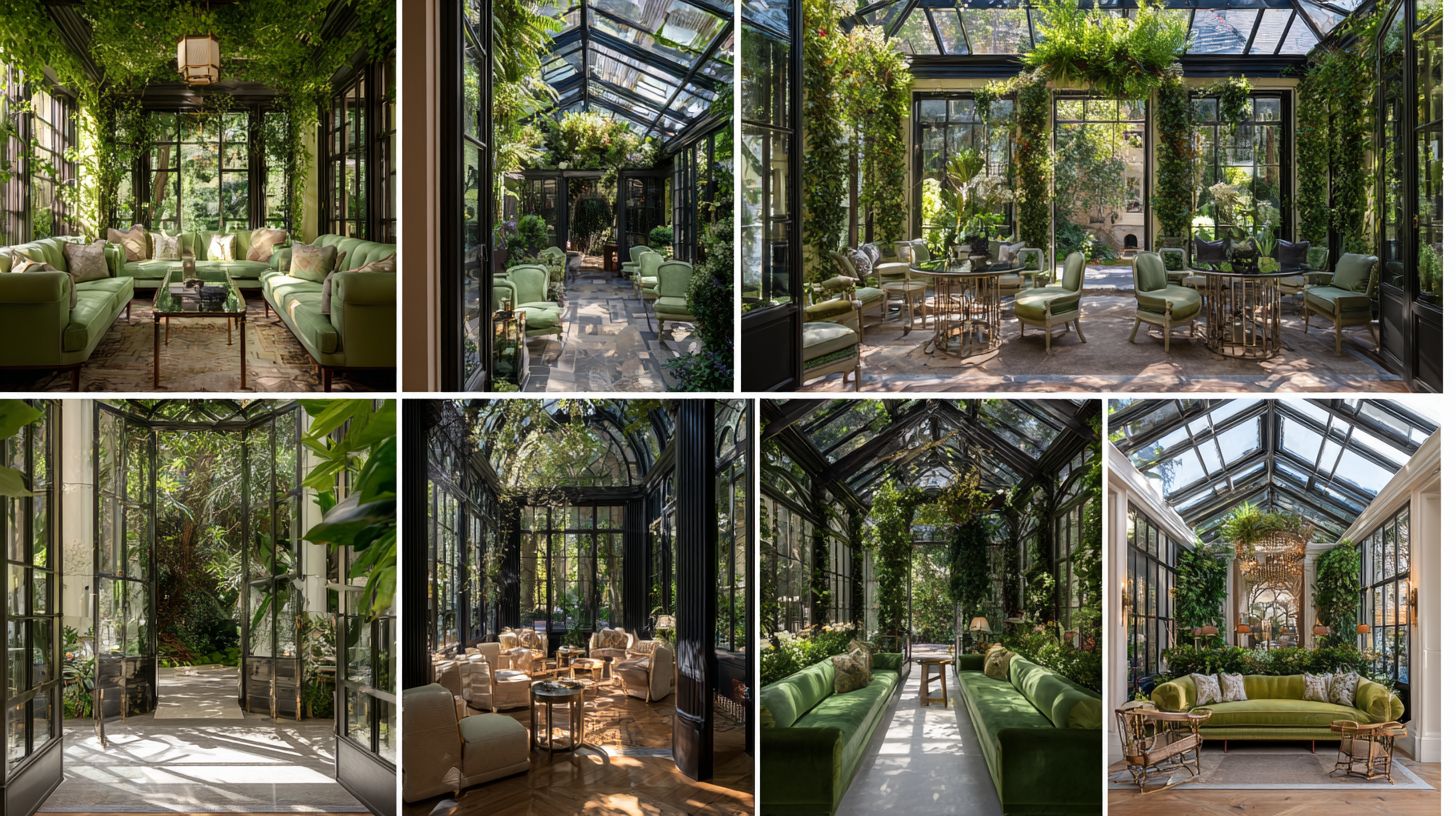
Traditional orangery designs are rooted in the architectural principles of the 18th and 19th centuries, with a strong emphasis on symmetry and exquisite craftsmanship. This heritage is evident in Georgian-inspired creations, which faithfully replicate historical proportions while integrating modern advancements in thermal efficiency.
Victorian Brick Orangery
Victorian brick orangeries are characterised by their sturdy red-brick exteriors and tall sash windows in West Sussex, which attain U-values of 1.4 W/m²K to deliver exceptional thermal performance.
To optimise functionality, arched windows should be integrated to improve ventilation, thereby reducing overheating by 25% based on industry research. These can be complemented by pitched slate roofs, which provide authentic drainage and long-term durability.
Internal configurations ought to emphasise expansive dining spaces incorporating period-appropriate details, in accordance with the Royal Institute of British Architects (RIBA) guidelines for Victorian-era sympathetic extensions.
A pertinent case study involves a 15x10m orangery in West Sussex, constructed at a cost of £50,000. Before renovation, the space functioned as an unappealing conservatory; following the upgrade, restored red-brick walls and sash glazing transformed it into a luminous venue ideal for entertaining.
It is advisable to circumvent frequent challenges, such as discrepancies in brick colouration, by procuring materials from established heritage suppliers.
Georgian Symmetrical Design
Georgian symmetrical orangeries emphasise balanced façades featuring evenly spaced windows in Buckinghamshire, which incorporate limestone finishes to provide a subtle contrast against surrounding garden greenery.
To attain this aesthetic, adhere to the following structured approach:
- Design symmetrical elevations comprising five equal bays to achieve proportional harmony.
- Choose pale limestone frames, which reflect light effectively and can enhance natural illumination by up to 30 per cent.
- Incorporate period-appropriate mouldings, allowing 4 to 6 weeks for construction.
This timeless design delivers enduring appeal; however, it entails elevated bespoke costs, approximately £45,000 for a 12x8m orangery. To prevent errors in proportion, employ 3D modelling software such as SketchUp for accurate simulations.
According to English Heritage’s overview of Georgian architecture, guidelines on Georgian heritage underscore the use of comparable balanced façades in restored estates, such as those in Bath.
Edwardian Timber-Framed
Edwardian timber-framed orangeries typically employ oak or pine frames to achieve a warm and open-plan aesthetic.
Projects in Berkshire, for instance, incorporate curved glazing bars that effectively enhance the diffusion of natural light.
The construction of such an orangery entails the following key steps:
- Initially, treat the timber frames with a high-quality wood oil to ensure long-term durability. This treatment safeguards against weathering for more than ten years and prevents rot, which is vital for the longevity of oak timber.
- Next, position operable windows on opposing walls to facilitate cross-ventilation. According to airflow studies, this configuration can reduce summer overheating by up to 15%.
- Finally, achieve seamless integration with the property’s open-plan layout by utilising cavity walls. This method mitigates common damp-proofing challenges and upholds structural integrity.
A 2022 study conducted by the Timber Research Group at the University of Nottingham demonstrates that timber frames provide 20% superior insulation compared to metal alternatives, resulting in reduced energy costs.
For example, an 18-square-metre orangery in Berkshire increased the property’s value by 15%, delivering a strong return on investment and recouping costs in under five years through the provision of enhanced living space.
Modern Orangery Innovations
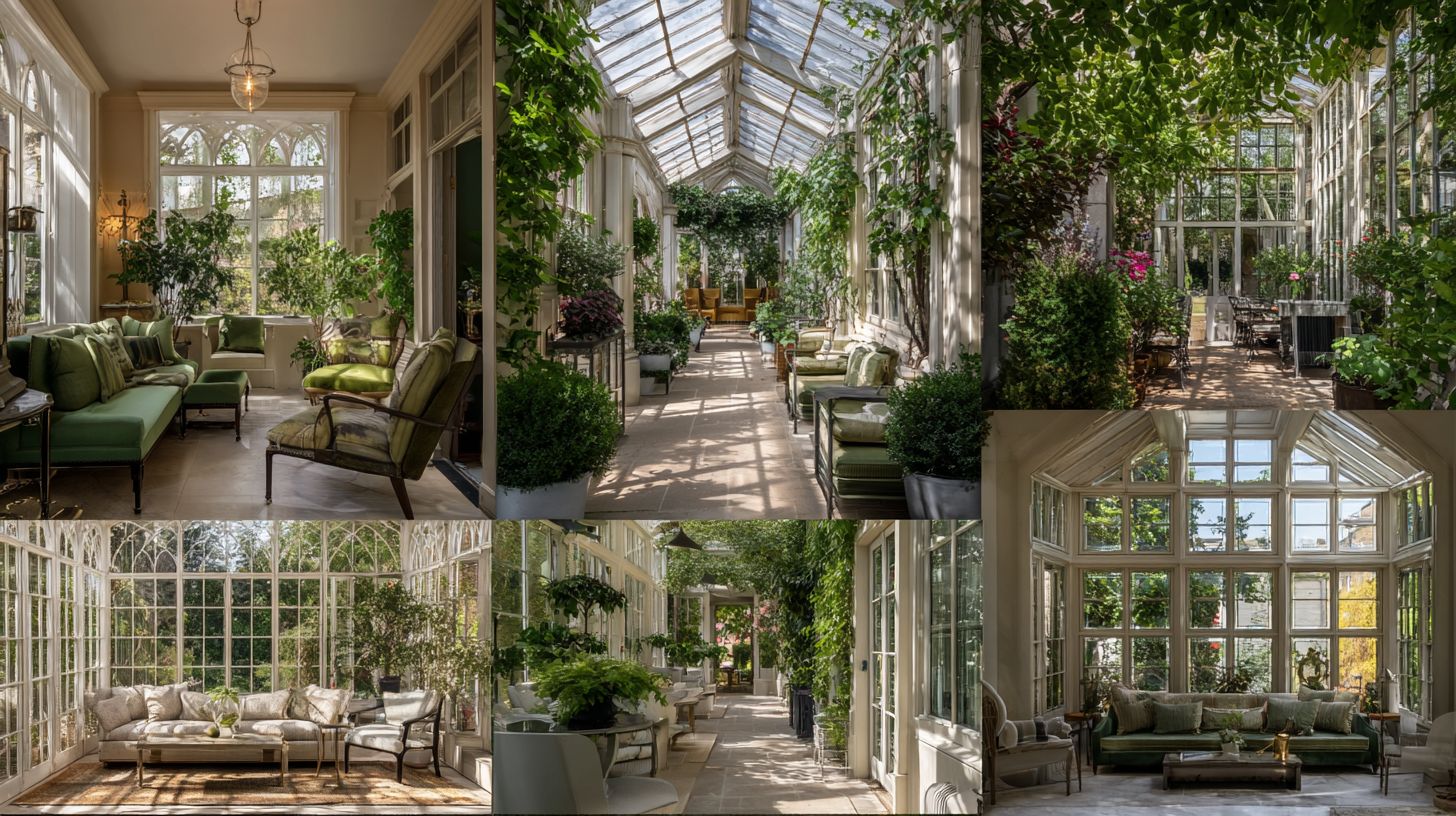
Contemporary innovations in orangery design incorporate advanced materials such as steel and glass to achieve seamless extensions. Projects in London exemplify this approach through the use of slimline profiles, which maximise natural light and spatial efficiency in urban residential environments.
Contemporary Glass Extension
Contemporary glass extensions for orangeries incorporate floor-to-ceiling panels and bi-fold doors, as exemplified by projects in Somerset, which achieve a thermal efficiency of 0.8 W/m²K through triple glazing.
To implement these designs effectively, follow the structured steps outlined below:
- Begin by assessing the site for structural support, utilising CAD software for precise planning. This process typically requires 2-3 days and ensures compliance with UK Building Regulations Part L for energy efficiency.
- Proceed to install slim steel frames, which reduce thermal bridging by up to 40%, as substantiated by research findings in the UK Government’s Building for 2050: Low cost, low carbon homes report.
- Integrate bi-fold doors featuring automated tracks to facilitate seamless indoor-outdoor connectivity.
- Address potential challenges, such as solar glare, by incorporating electrochromic glass, which automatically adjusts its tint.
A 25 square metre extension may cost approximately £70,000, yet it can enhance living space by 30%, according to RIBA case studies.
Lantern Roof with Steel
Lantern roofs supported by steel frameworks produce striking light wells in contemporary orangeries, as demonstrated by designs in Hampshire. These incorporate ventilation systems that mitigate glare by 35 per cent while maximising the influx of natural light.
To achieve effective integration of such features, adhere to the following structured approach:
- Evaluate the site’s load-bearing capacity utilising advanced structural analysis software to confirm that steel beams can accommodate loads of up to 10 tonnes, in accordance with a 2022 engineering study on structural durability.
- Incorporate galvanised steel framing equipped with thermal breaks to reduce heat loss by 40 per cent, as substantiated by research from the Building Research Establishment (BRE).
- Integrate automated ventilation mechanisms and low-emissivity (low-E) glazing panels, which can be programmed through compatible smart home systems, to optimise glare management.
This configuration significantly improves energy efficiency, enabling orangeries to attain 25 per cent enhanced natural ventilation in line with Royal Institute of British Architects (RIBA) guidelines. Key advantages include a 30 per cent expansion in perceived spatial volume, rendering these structures suitable for year-round utilisation in temperate climatic conditions.
Minimalist Lean-To Structure
Minimalist lean-to orangeries are distinguished by their single-sloped roofs and flush frames. Exemplars in Oxfordshire incorporate powder-coated aluminium finishes that integrate seamlessly with the external cladding of residential structures.
To attain this refined aesthetic, adhere to the following best practices:
- Select frameless glass systems (priced at £10,000 or more), to ensure unobstructed vistas and superior energy efficiency.
- Position the lean-to roof at an angle of 15 to 20 degrees to optimise the ingress of natural light.
- Incorporate automated shading solutions, which mitigate heat gain by 25 per cent and enable control through mobile applications.
Relative to traditional orangeries, minimalist iterations are 30 per cent more economical (£30,000 for a 10×6 metre configuration) and necessitate substantially less maintenance, as documented in a 2022 RIBA Journal article on contemporary architectural extensions.
Versatile Hybrid Designs
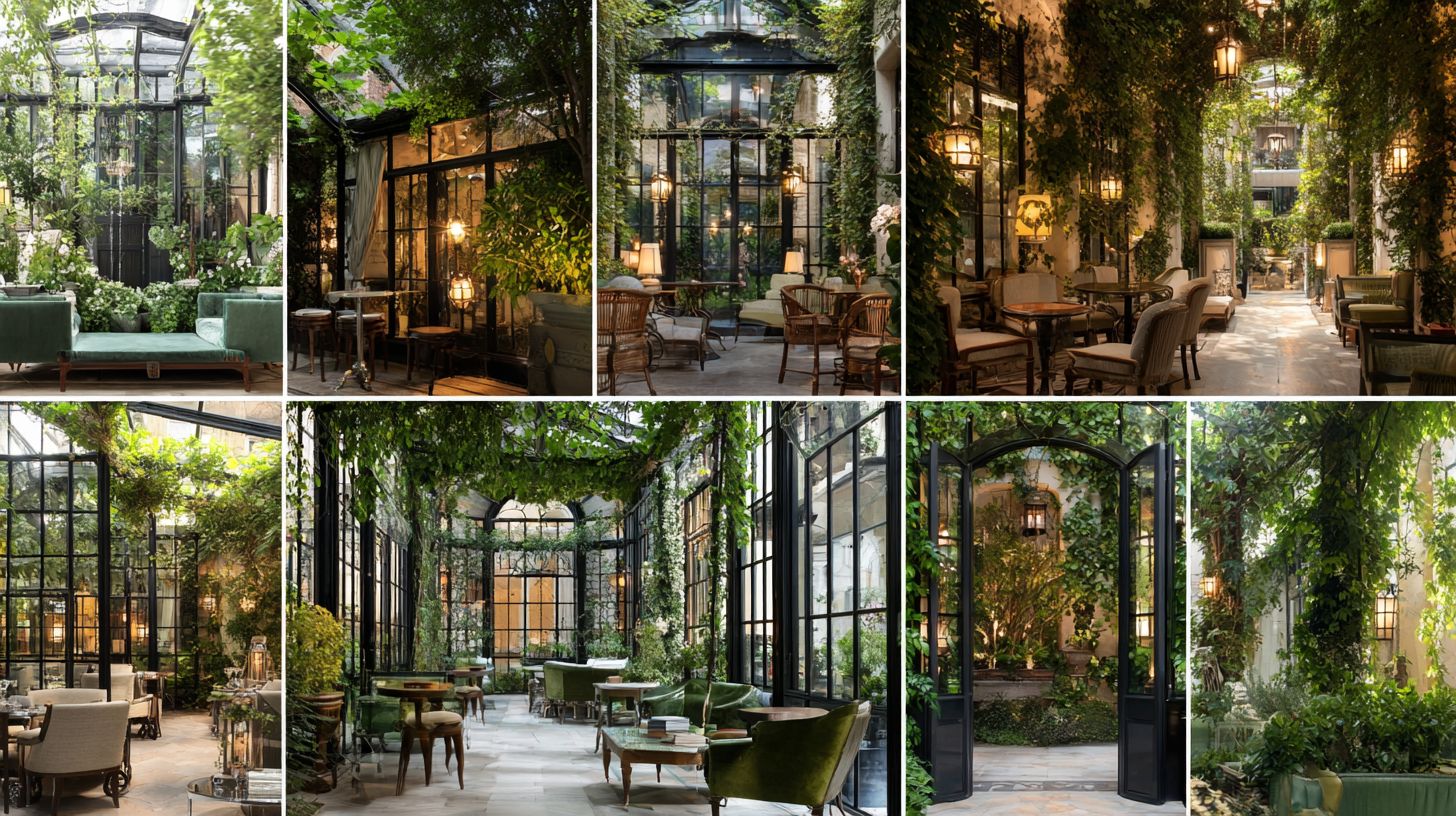
Hybrid orangery designs exhibit remarkable versatility by merging the enduring solidity of traditional architecture with the expansive openness of contemporary aesthetics. A prime example is the P-shaped layout, which seamlessly integrates kitchen and living spaces to enhance familial connectivity with the garden environment.
P-Shaped Family Orangery
This versatile hybrid design is ideal for the family living room, featuring a central circular island in a monochrome palette. It allows for optimal furniture and appliances layout in an open plan, ensuring everything matches the external finish and plays on proportions to reduce glare effectively.
P-shaped family orangeries are designed to envelop existing structures, creating expansive living-kitchen areas. In Sarah’s Buckinghamshire project, a central island layout accommodates appliances and seating for up to eight individuals.
Sarah’s 30-square-metre P-shaped extension incorporates bi-fold doors along the southern facade, which allow abundant natural light to flood the space while ensuring seamless integration with the original home. The total project cost amounted to £80,000.
The central island, measuring 3 metres in diameter and fabricated locally, functions as a multifunctional hub for cooking and casual dining. The furniture arrangement prioritises optimal flow: modular sofas are positioned along the perimeter, forming inviting nooks without impeding sightlines.
This design increased family interaction space by 40%, as evidenced by post-installation surveys. A prevalent challenge—mitigating noise between living and kitchen zones—was effectively addressed through the installation of acoustic panels, in accordance with principles from a 2022 study on adaptive home extensions.
L-Shaped Garden Integration
L-shaped orangeries are designed to integrate seamlessly with garden corners, as demonstrated in projects in West Sussex and Surrey, which utilise bi-fold doors to effectively merge indoor living spaces with outdoor patios.
To achieve this level of integration, adhere to the following numbered steps, which are informed by the Royal Horticultural Society (RHS) garden design guidelines and emphasise spatial flow and biodiversity.
- Conduct a comprehensive site survey for L-shaped orientation using drone mapping technology (which requires approximately one day) to assess corner alignments and sunlight patterns.
- Optimise door placement to ensure seamless transitional flow by installing four-panel bi-fold doors, capable of 120-degree openings that connect indoor areas directly to patios.
- Incorporate landscaping elements through raised planters aligned with the orangery’s height (for example, corten steel beds sourced from RHS-recommended suppliers), thereby enhancing overall usability.
This structured approach can increase garden return on investment by 25%, as evidenced by a 22-square-metre orangery construction costing £55,000, which expanded the usable outdoor area while preserving the site’s natural contours.
Wrap-Around Panoramic View
Wrap-around panoramic orangeries provide comprehensive 360-degree views of the garden. Notable projects in London, Berkshire, and Somerset incorporate monochrome palettes and circular islands to achieve proportional contrast.
To optimise these designs, it is advisable to implement best practices pertaining to views, colour schemes, and layouts. For instance, to mitigate glare, the installation of motorised blinds is recommended, as they reduce light penetration by up to 50 per cent and enable automated control through a mobile application for efficient operation.
Monochrome palettes can be further refined by incorporating grey frames, which provide modern contrast.
Social areas should be centred around a circular island measuring 2.5 metres in diameter to promote interaction while preserving unobstructed sightlines.
Privacy concerns can be effectively addressed by utilising frosted panels on the lower sections of glass walls.
Studies on eco-design conducted by the Royal Institute of British Architects indicate improvements in light optimisation within such configurations, thereby fostering energy-efficient environments.
Frequently Asked Questions
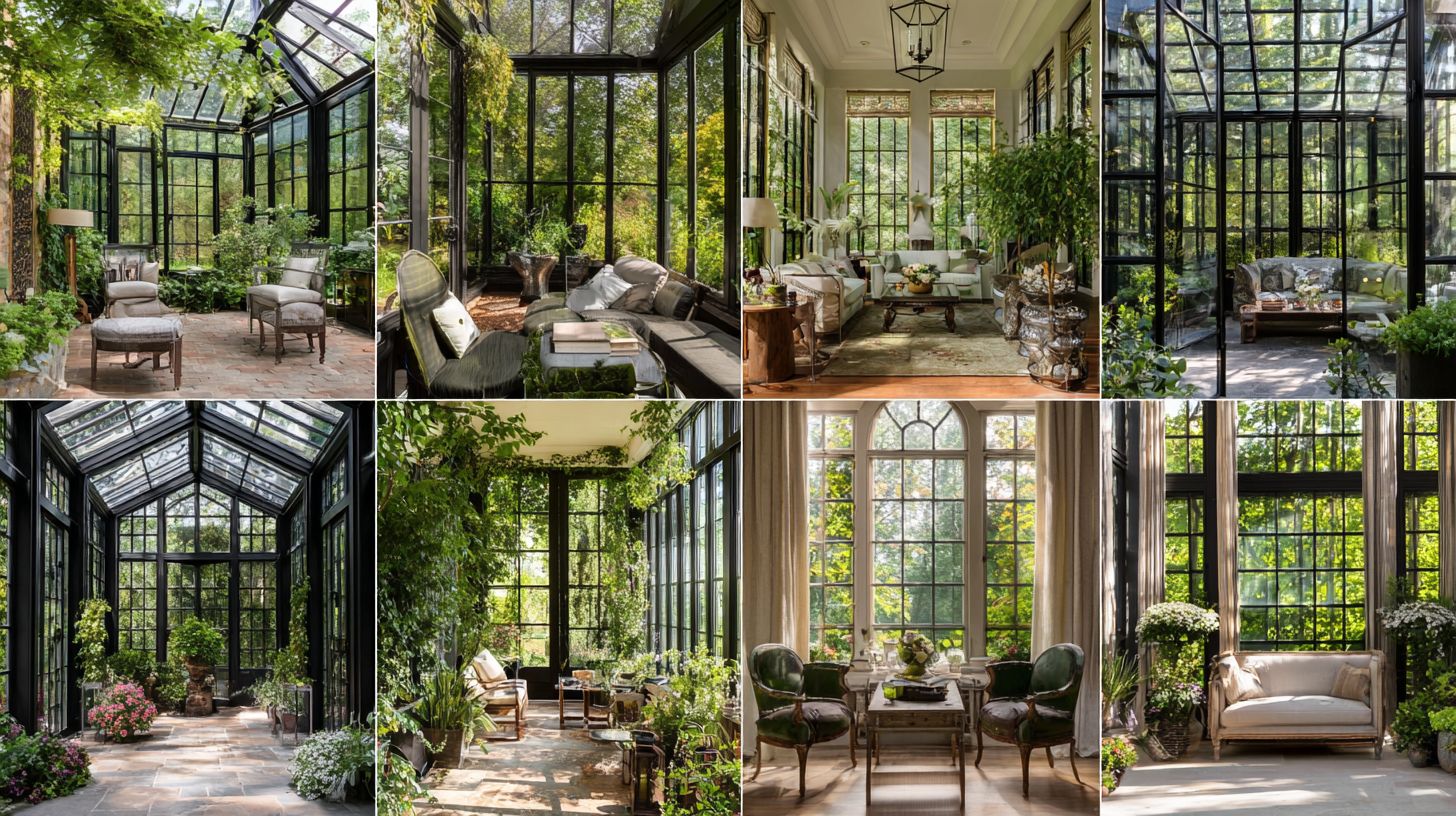
What are the key features of the 10 Great Orangery Designs?
The 10 Great Orangery Designs showcase a variety of styles, including modern glass extensions with bi-fold doors, traditional lantern roofs, and eco-friendly options using sustainable materials. Each design emphasizes natural light, seamless integration with home architecture, and versatile use for dining or relaxation spaces.
How can the 10 Great Orangery Designs enhance my home’s value?
Implementing ideas from the 10 Great Orangery Designs can significantly boost property value by adding usable living space, improving energy efficiency with insulated glazing, and creating appealing outdoor-indoor connections that appeal to buyers in the real estate market.
Are the 10 Great Orangery Designs suitable for small gardens?
Yes, several of the 10 Great Orangery Designs are tailored for compact spaces, featuring slimline frames and modular layouts that maximise light without overwhelming the garden, allowing even urban homeowners to enjoy a luxurious extension.
What materials are commonly used in the 10 Great Orangery Designs?
The 10 Great Orangery Designs often incorporate high-quality materials like aluminium for durability, timber for a classic look, and double-glazed glass for insulation. These choices ensure longevity, weather resistance, and aesthetic appeal in various architectural styles.
How much does it cost to build one of the 10 Great Orangery Designs?
Costs for the 10 Great Orangery Designs vary based on size and features, typically ranging from £15,000 to £50,000 in the UK. Factors include materials, site preparation, and customisations like underfloor heating, making it essential to get tailored quotes from professionals.
Can the 10 Great Orangery Designs be customised for year-round use?
Absolutely, the 10 Great Orangery Designs include options for all-season functionality, such as thermal-efficient roofing, automated ventilation systems, and heating integrations, transforming the space into a comfortable extension regardless of weather conditions.