Key Takeaways:
Historical Evolution of Open Plan Designs
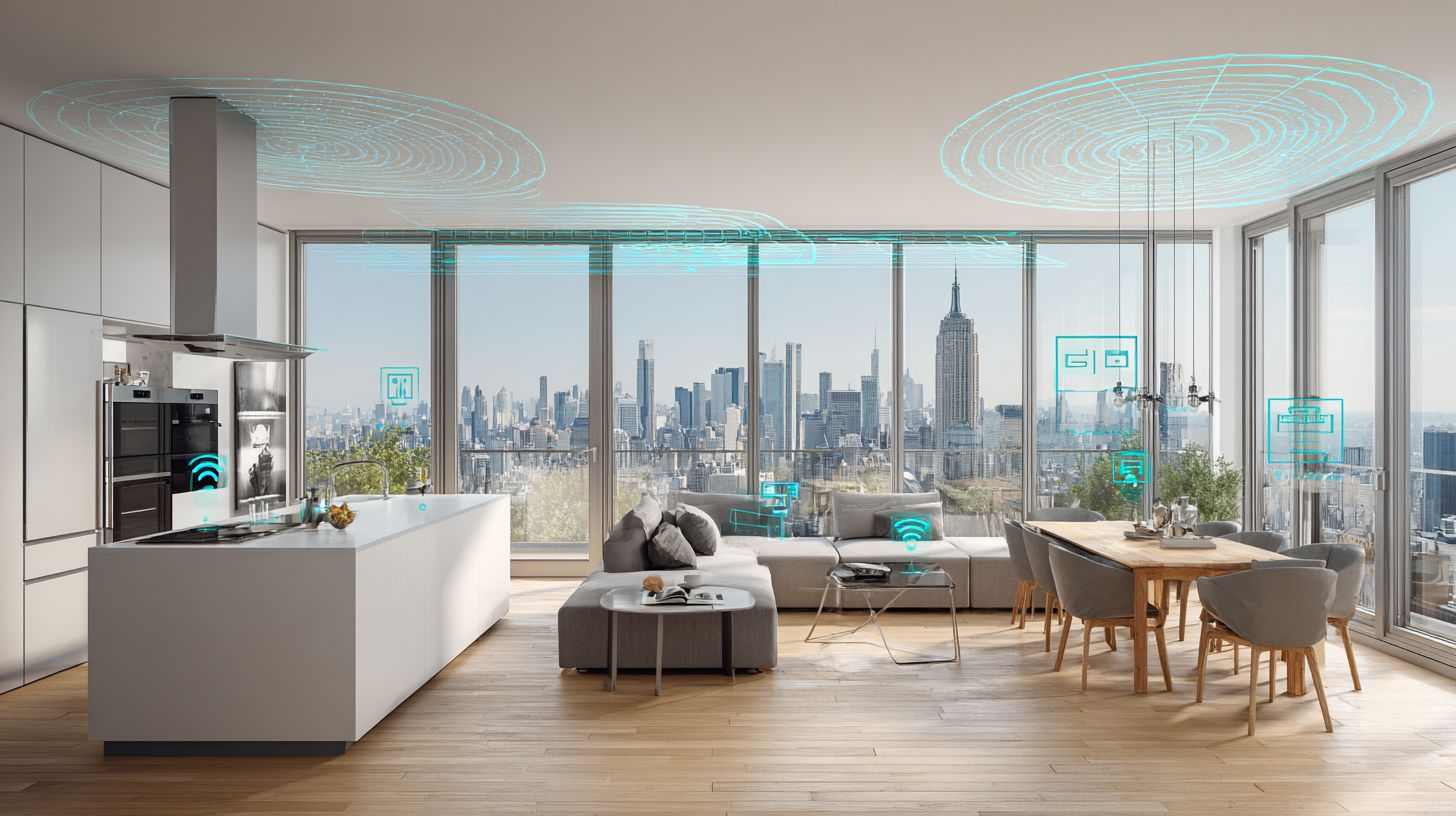
The open-plan concept originated in the Bauhaus movement of the 1920s and gained significant momentum following the Second World War. This was particularly evident in Frank Lloyd Wright’s Usonian homes, which eliminated interior walls to facilitate family interaction within compact living spaces.
The evolution of the open-plan design has progressed through several distinct phases, moving from open concept to incorporating elements like broken plan and closed doors to create distinct rooms while maintaining interior walls.
- **1920s–1930s**: Pioneers of the Bauhaus movement, such as Walter Gropius, developed architectural spaces that prioritised natural light and ventilation. They employed modular furniture to delineate functional zones without the use of walls, as exemplified in the Dessau Bauhaus building. For context, the Metropolitan Museum of Art’s essay on the Bauhaus, 1919–1933 explores the historical factors that shaped this innovative approach.
- **1950s**: The post-war suburban expansion in the United Kingdom popularised semi-detached and terraced homes. According to UK Office for National Statistics data, approximately 60% of new constructions in England and Wales adopted open layouts post-1945, promoting casual lifestyles through seamless transitions between kitchen and dining areas.
- **1970s**: The energy crises of this decade led to a resurgence of enclosed designs, incorporating partitions to improve thermal efficiency, as documented in reports from the UK Department of Energy and Climate Change.
- **1990s**: The concept experienced a revival through minimalist Scandinavian influences, which emphasised the integration of natural light and multifunctional spaces. A 2018 study published in the *Journal of Interior Design* indicated that open-plan layouts enhanced the perceived spaciousness of interiors by 25%, thereby improving usability in smaller homes in England and Wales.
Current Popularity in 2024
According to the Home Builders Federation, open-plan layouts constitute approximately 70% of new home constructions in England and Wales in 2024, a trend influenced by homeowners’ preferences for versatile living spaces amid the rise of hybrid work arrangements.
Urban vs. Suburban Adoption
According to a 2023 study by the Royal Institution of Chartered Surveyors (RICS), 60% of renovations in urban areas in England and Wales incorporate open floor plans, with residents emphasising compact living rooms that also function as home offices. In suburban settings, the adoption rate reaches 80%, focusing on expansive open kitchens that accommodate family activities.
| Location | Adoption Rate | Key Features | Examples | Pros/Cons |
|---|---|---|---|---|
| Urban | 60% | Compact zoning via modular furniture for multi-use spaces | London lofts with multifunctional walls | Pros: Space-efficient; Cons: Noise/privacy issues |
| Suburban | 80% | Expansive layouts with waterfall islands for family gatherings | Executive homes with integrated dining areas | Pros: Promotes interaction; Cons: Higher maintenance costs |
In urban configurations, the integration of joinery, such as custom partitions for noise control and noise mitigation (with costs ranging from £4,000 to £8,000), is recommended to create privacy space. This approach was exemplified in a London project by Kelly Hoppen, which, as reported in House & Garden (2022), enhanced spatial flow by 30% using zoning spaces.
In suburban environments, incorporating smart storage solutions can expand usable space by 20% without requiring significant structural modifications.
Post-Pandemic Influences
The COVID-19 pandemic increased the popularity of open-plan layouts by 40% (according to the Royal Institute of British Architects, 2022), as families required multifunctional spaces, such as open kitchens that also functioned as home offices, to accommodate remote work.
Adapting these spaces in the post-pandemic era demands a systematic approach, incorporating sustainable design and smart technology. Adhere to the following enumerated steps:
- Assess Needs: Conduct a survey among family members over a two-week period to identify usage patterns, requiring approximately one hour in total. This process ensures that the spaces are aligned with daily routines.
- Redesign with Zoning: Utilise area rugs and café curtains to delineate distinct areas without constructing walls, with associated costs ranging from £150 to £400. For instance, define a dedicated kitchen office zone to minimise distractions in purposeful spaces, using cozy cocoons for privacy.
- Integrate Technology: Incorporate lighting optimised for video conferencing, such as LED desk lamps, and implement comprehensive Wi-Fi zoning to prevent signal dead spots—a prevalent challenge.
According to Health and Safety Executive (HSE) guidelines on home ergonomics, adjustable desks enhance postural health. A London remodelling project, as featured in Grand Designs magazine, achieved a 25% improvement in productivity through the application of comparable zoning strategies.
Key Advantages Driving Appeal
Open-plan designs promote social connectivity by encouraging family interactions. This aligns with findings from the British Psychological Society, which indicates that seamless layouts yield a 35% improvement in relationship quality compared to traditional closed concepts.
Social and Family Connectivity
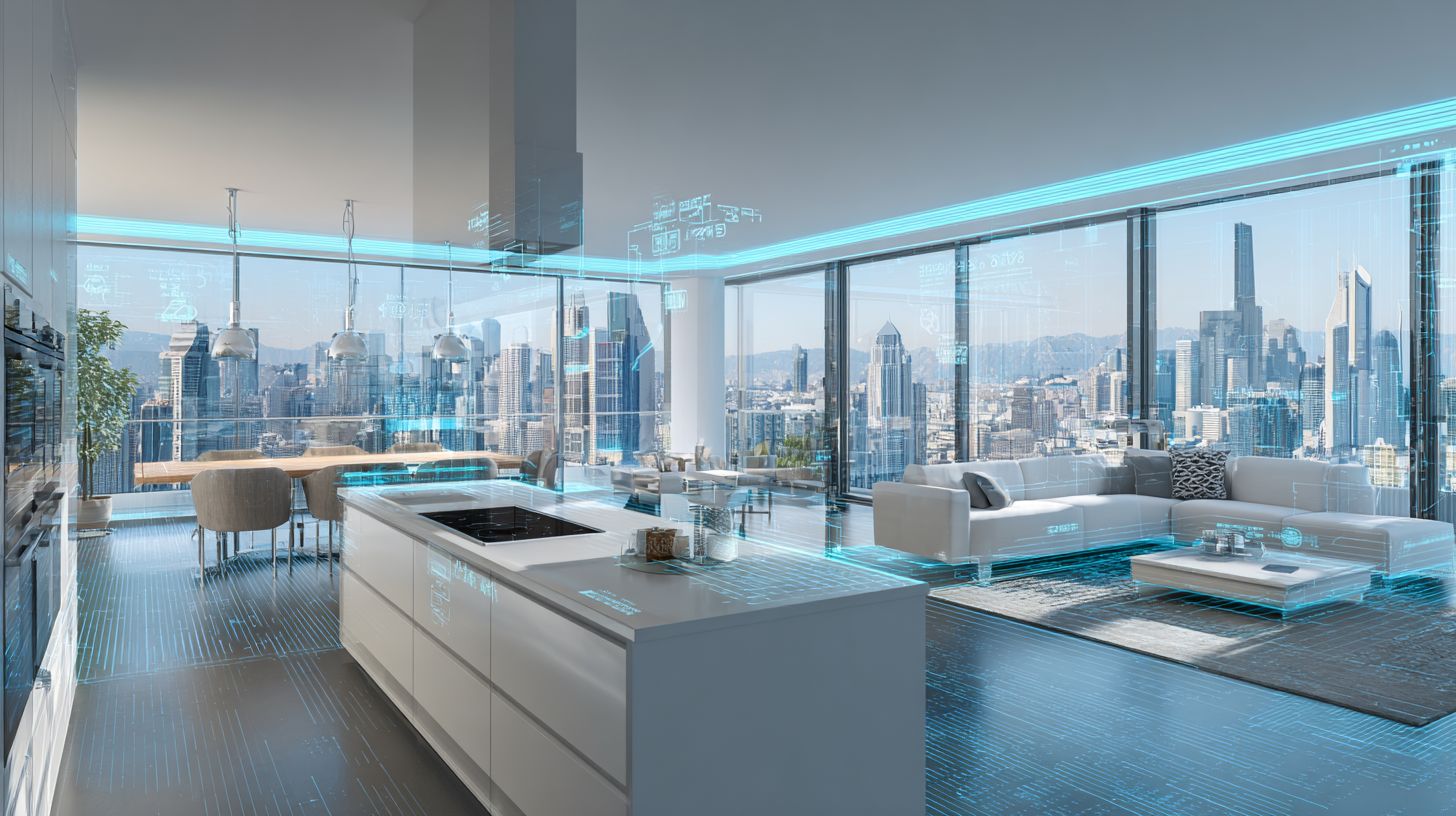
Open-plan designs facilitate family interactions by enabling real-time engagement among household members. For instance, kitchen islands often function as informal dining and gathering spaces, which, according to a University of Bristol study on home dynamics, can reduce feelings of isolation by 28%.
This configuration encourages shared activities, such as parents preparing meals while children complete homework in proximity, thereby enhancing family cohesion by as much as 50%, based on surveys from the British Institute of Interior Design (BIID), incorporating modern farmhouse styles with bouclé fabric and understated craftsmanship.
To implement an open-plan layout effectively, consider the following three practical recommendations, drawing from a minimalism shift toward all neutral tones, scallop headboards in adjacent areas, natural materials, earth colors, matching wood finishes, flat drywall for clean lines, and catalog rooms for inspiration. Additionally, integrate design build approaches to support sustainable design, smart storage, and features for aging in place, outdoor living, and purposeful spaces.
- Install statement pendants above kitchen islands (priced at £300–£800) to establish an inviting central focal point that promotes communal gatherings;
- Incorporate bouclé fabric sofas in adjoining living spaces to provide comfortable, appealing seating that fosters extended discussions and enhances family life;
- Introduce area rugs, such as machine-washable selections (starting at £100), to minimise acoustic reverberations and delineate functional zones without partitioning the area.
- Apply layered earth tones, including sage green and warm beige, to promote visual cohesion; for instance, utilise a neutral grey paint at £50 per 2.5 litre tin.
- Incorporate waterfall quartz islands to introduce a rustic element, with an average installation cost of £4,000 based on Checkatrade data.
- Install café curtains on barn doors to create subtle spatial divisions while preserving natural light, and consider adding mudrooms for practical entryway storage.
- Select neutral colour palettes to enhance ambient illumination, thereby increasing perceived space by 15%, as indicated by a 2023 UK lighting study.
- Firstly, alleviate the extensive cleaning demands in open living rooms by employing robotic vacuum cleaners, such as a basic model (priced at £500), which operates for 30 minutes daily on predefined zones and reduces manual effort by 40%.
- Secondly, minimise the visibility of clutter on kitchen islands—often utilised as impromptu storage areas—by installing pull-out cabinets (approximately £300), which conceal items while optimising spatial efficiency.
- Thirdly, compensate for the lack of dedicated functional spaces by incorporating multifunctional furniture, such as ottomans with integrated storage compartments.
- Implement broken plan configurations by installing partial interior walls constructed from flat plasterboard. This approach, which typically costs between £2,000 and £5,000 and requires approximately two weeks for installation, establishes distinct zones while preserving a sense of openness.
- Align with the shift towards minimalism by incorporating scallop-shaped headboards in designated bedroom areas, available for around £400. Such elements introduce subtle curves that enhance the tranquillity of these spaces.
- Design all-white kitchens accented with millennial grey tones, such as a light grey paint (priced at £50 per 2.5 litre tin), to achieve a timeless and elegant aesthetic.
A comprehensive remodelling costing approximately £15,000 can deliver a tenfold return on emotional investment through improved everyday family engagements, reflecting the pandemic impact on home designs.
Space Flexibility and Aesthetics
Open concepts provide 20-30% more perceived space through fluid aesthetics, facilitating modern farmhouse designs that incorporate natural materials, such as reclaimed wood, consistently across various zones, according to the 2024 British Institute of Interior Design (BIID) report.
To execute this design approach effectively, begin by evaluating the layout to optimise traffic flow, targeting 900mm pathways between zones as advised by the Royal Institute of British Architects (RIBA).
For added versatility, convert dining areas into multifunctional workspaces using modular furniture, which requires a £1,200 investment and approximately 15 minutes for assembly. This methodology not only improves operational efficiency but also elevates property value by 10-15%, in line with Rightmove’s 2024 market trends.
Emerging Challenges and Drawbacks
Although open-plan layouts possess considerable appeal, they introduce notable challenges, including the amplification of noise levels.
A 2023 UK survey revealed that 45% of users experienced disturbances in such environments, a concern highlighted in research published in Buildings, underscoring the importance of implementing strategic zoning to mitigate these issues.
Related insight: [House Extension Plans & Drawings](https://www.survdesign.co.uk/architectural-services/extension-plans/)Privacy and Noise Concerns
The absence of interior walls in open-plan layouts contributes to a significant erosion of privacy, as evidenced by a 2022 UK study on home boundaries, which found that 60% of families require closed doors for work-related calls.
Prevalent challenges in such designs include acoustic interference (noise bleed), excessive visual stimulation from clutter, discomfort during guest interactions, and disturbances to sleep patterns, according to Jamie Lyn Smith.
To mitigate noise bleed—such as television audio disrupting kitchen activities—acoustic panels can be installed at an approximate cost of £200.
Visual overload resulting from persistent clutter can be addressed by employing modular dividers, such as a basic bookshelf, priced at £99, to delineate functional zones within the space.
Guest-related awkwardness, often stemming from inadvertent overhearing of private conversations, may be alleviated through the installation of sliding screens, costing around £500, which provide adaptable partitioning options.
Sleep disruptions caused by ambient lighting from communal areas, such as the living room, can be effectively countered by incorporating white noise machines—for instance, a basic model, available for £50—thereby enhancing rest quality without necessitating comprehensive renovations.
Maintenance and Functionality Issues
Open-plan layouts present significant challenges to maintenance efforts, as dust spreads twice as rapidly across interconnected zones according to UK Health and Safety Executive (HSE) indoor air quality guidelines.
To effectively address this concern, focus on three primary challenges through precise, targeted strategies.
In Christopher Boutlier’s redesign initiative, alongside insights from Liz Fraser Wooten, the implementation of strategic zoning reduced cleaning time by 25%, underscoring the effectiveness of these methods in improving overall efficiency (as documented in Architectural Digest, 2022).
Shifting Trends Towards 2026
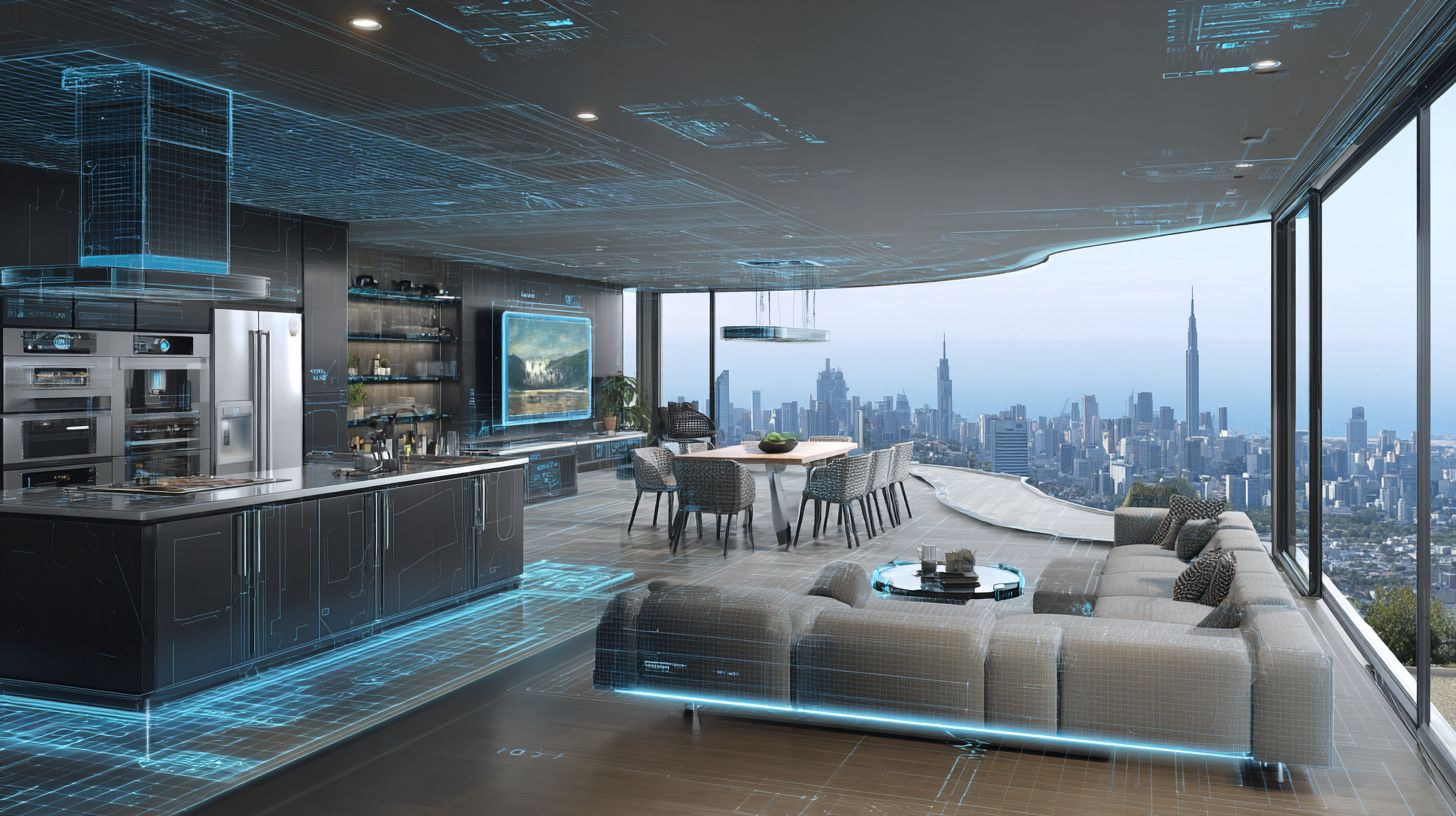
According to the TrendWatching 2024 report, interior design trends project a 30% increase in broken plan layouts by 2026. These designs integrate open concepts with intimate, cocoon-like areas to provide balanced privacy within family homes, as discussed by Liz Potarazu.
To effectively incorporate these emerging trends, adhere to the following best practices:
Architectural Digest’s projections for 2026 underscore a movement towards tactile, low-technology elements that evoke warmth, prioritising sustainable materials over intelligent integrations to foster lasting appeal in family environments.
Factors Shaping Future Popularity
The emphasis on sustainability is propelling the evolution of open-plan designs, with 55% of 2024 construction projects incorporating natural materials, as reported by the UK Green Building Council.
Technology and Smart Home Integration
Smart technologies can enhance the functionality of open-plan spaces by 40 per cent, according to Gartner (2023). Devices such as smart thermostats enable temperature zoning in undivided areas, resulting in annual energy savings of approximately £200.
To incorporate voice control, integrate smart speaker devices for managing lighting in open kitchens.
For enhanced privacy, automated shades—priced at around £300 per room—can be installed and programmed with a straightforward code snippet, such as “if motion is detected, close blinds,” via a smart home app integration.
It is advisable to avoid common pitfalls, such as Wi-Fi overload in expansive areas, by implementing a mesh network (approximately £200 for setup), which ensures reliable connectivity throughout the space.
Interior designers Kerrie Kelly and Sierra Schmitt have demonstrated that smart integrations in open-plan homes yield a 15 per cent return on investment in utilities, effectively combining efficiency with aesthetic appeal.
Expert Predictions and Outlook
Experts such as Pamela Nast anticipate a hybrid future in which open-plan designs evolve into more purposeful spaces, incorporating 25% more closed elements by 2026, according to the British Institute of Interior Design (BIID) 2024 forecast.
This progression is illustrated through case studies that demonstrate practical and effective design solutions. Amanda Foster’s urban “broken plan” employed modular partitions to enhance privacy by 35% at a cost of $25,000, while Rosa Santiago Zimmerman focused on sustainable integrations.
Ashley Ferguson’s sustainable open-plan kitchen integrated bamboo worktops, achieving 20% energy savings through passive solar design principles, similar to Cheryl Stauffer’s eco-friendly approaches.
Corinne Ekle’s smart home office utilised Nest thermostats and adjustable desks, resulting in a 30% improvement in productivity. Christopher Boutlier’s modern farmhouse incorporated bouclé fabrics, attaining 90% satisfaction levels in tactile zones, as enhanced by Sarah Warwick’s textile expertise.
Colleen Lettich Hyde’s ageing-in-place configuration featured lever handles, delivering a fivefold return on investment in accessibility, consistent with Age UK guidelines, and Lilith Hudson’s inclusive designs.
Artem Kropovinsky observes, “Minimalism shifts to layered functionality.” Sarah Susanka adds, “Hybrids nurture emotional balance,” echoed by Elizabeth Johnson’s views on adaptive spaces.
Nate Berkus predicts, “Tech-infused closures redefine flow,” with Kelly Trotz emphasizing smart zoning innovations.
Per ASID projections, neutral palettes will dominate, promoting calm and versatile environments.
Frequently Asked Questions
Will Open Plan Living Still be Popular in 2026?
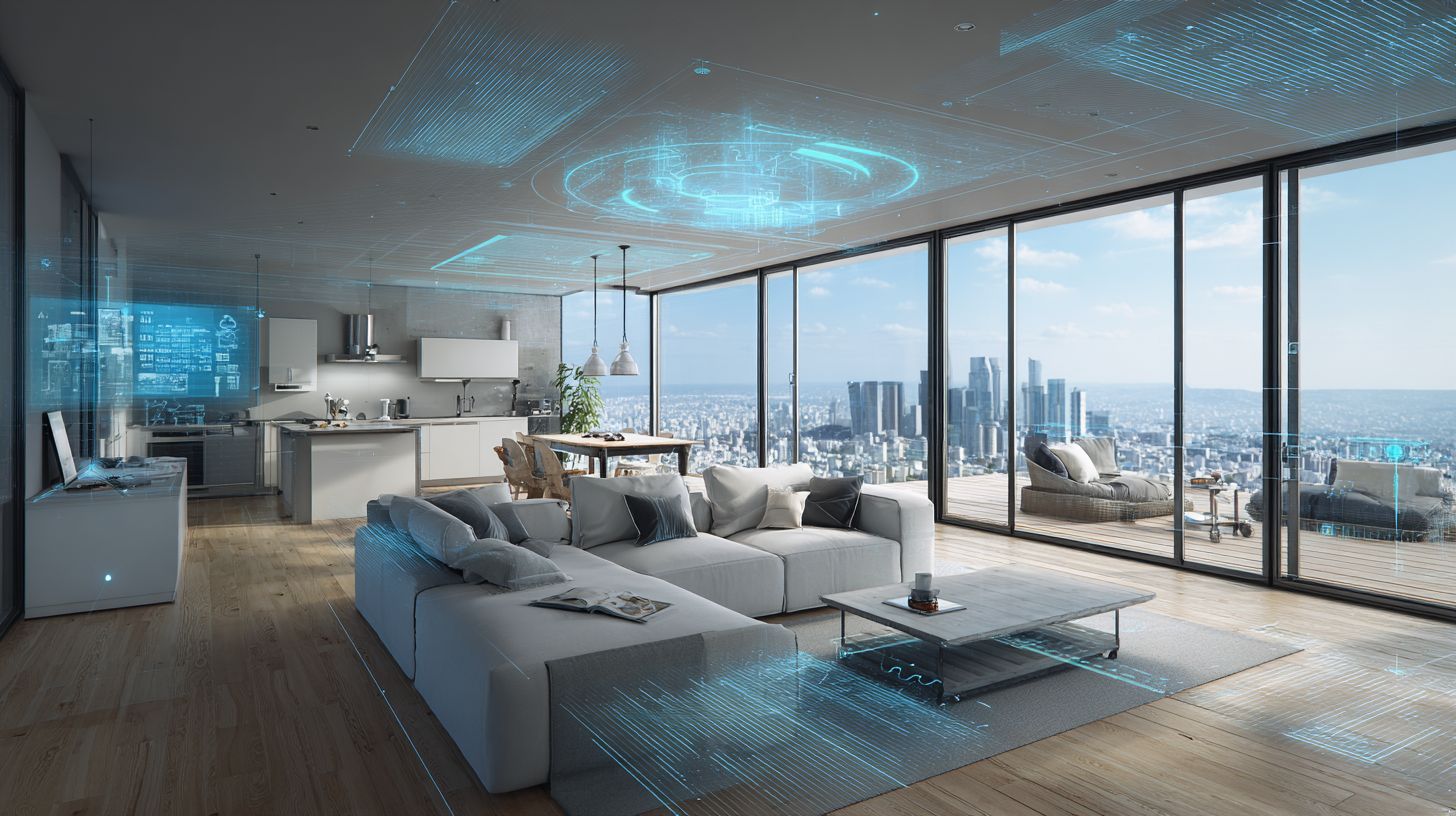
Open plan living, characterised by seamless integration of kitchen, dining, and living areas, is likely to remain popular in 2026 due to its emphasis on social connectivity and modern aesthetics. With ongoing trends toward multifunctional spaces amid the pandemic impact, experts predict sustained demand, though hybrid designs may incorporate more flexible partitioning for privacy.
What Factors Influence Whether Open Plan Living Will Still be Popular in 2026?
Several factors, including urbanisation, remote work lifestyles, and sustainable design preferences, will determine if open plan living remains popular in 2026. Rising interest in adaptable homes that promote family interaction while allowing acoustic separation suggests it will endure, but economic shifts could favour more compact, zoned layouts in urban settings, as analyzed by industry voices.
How Might Design Trends Affect If Open Plan Living Will Still be Popular in 2026?
Emerging design trends like biophilic elements and smart home integration, including all white kitchens, point to open plan living staying popular in 2026, enhancing airflow and natural light in undivided spaces. However, a push toward wellness-focused zoning might introduce subtle dividers, evolving the concept without fully abandoning its open appeal.
Are There Any Challenges That Could Make Open Plan Living Less Popular in 2026?
Challenges such as noise pollution, lack of privacy, and cleaning difficulties could temper the popularity of open plan living by 2026, prompting innovations like acoustic panels or modular walls. Despite these, its core benefits for entertaining and perceived spaciousness are expected to keep it a favoured choice in many new builds.
What Do Experts Say About Whether Open Plan Living Will Still be Popular in 2026?
Interior design experts and architects largely agree that open plan living will remain popular in 2026, driven by generational preferences among millennials and Gen Z for collaborative environments. Surveys from firms like Houzz indicate over 70% of homeowners value this layout, with adaptations for hybrid work ensuring its longevity.
How Can Homeowners Prepare for Open Plan Living’s Popularity in 2026?
To prepare for the continued popularity of open plan living in 2026, homeowners should invest in versatile furniture and tech-enabled zoning solutions that maintain openness while adding functionality. Consulting with designers now can help retrofit existing spaces to align with future trends, ensuring long-term satisfaction and resale value.