
Key Takeaways:
- Under England permitted development rights, two-storey rear extensions can project up to 3 metres from the original house wall without full planning permission, subject to height limits of 4 metres and eaves no higher than the existing roof, applicable to detached house, semi-detached house, and terraced house properties.
- Extensions must not extend beyond the side principal elevation or within 7 metres of the rear boundary without prior approval; side extensions require full planning permission in most cases.
- In designated areas like England conservation areas, National Parks, the Broads, Areas of Outstanding Natural Beauty, World Heritage Sites, or near a listed building, permitted development rights are restricted, necessitating full planning applications; always match materials and design to the original house for compliance.
Permitted Development Rights Overview
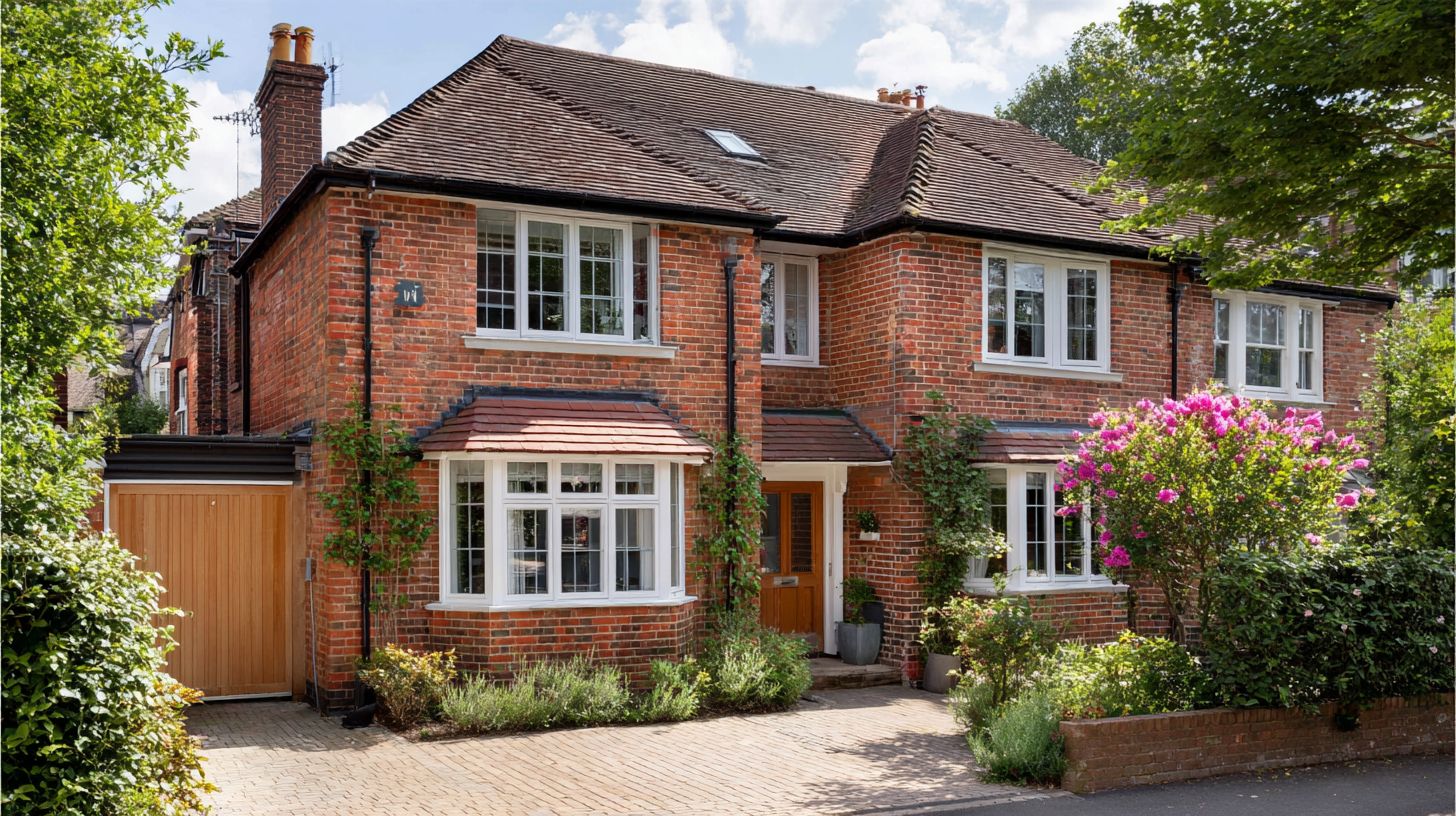
In England, since 1 July 1948, permitted development rights facilitate the construction of certain house extensions without the requirement for full planning permission. These rights permit additions that encompass up to 50% of the land area occupied by the original house, in accordance with The Town and Country Planning (General Permitted Development) (England) Order 2015, as the UK Government outlines in its guidance on when permission is required, subject to certain restrictions on designated land. This framework has significant implications for homeowners looking to expand— our house extension plans and drawings provide practical guidance on compliant designs.
What Qualifies as Permitted Development
To qualify for permitted development rights, a two-storey extension must not exceed 3 metres in depth for all houses (detached, semi-detached, or terraced), while remaining within the footprint limits of the original house, ensuring architectural design sympathy.
Along with these depth restrictions, five essential qualification criteria must be met to ensure compliance with the UK’s General Permitted Development Order (GPDO) Schedule 2, Class A:
- No balconies, verandas, or raised platforms.
- The use of materials that match those of the original house.
- The extension roof must not exceed the height of the existing house roof.
- Prior approval may be required in certain cases, such as for extensions in designated areas or larger home extensions scheme.
These regulations facilitate streamlined approval processes.
Specific Rules for Two-Storey Rear Extensions
Under permitted development rights, two-storey rear extensions may project up to 3 metres, facilitating the transformation of existing spaces into open-plan living areas equipped with bi-fold doors or sliding doors. Strict compliance with dimensional regulations is imperative to avoid the necessity for full planning permission (our 2 Storey Rear Extension Guide covers key planning and building regulations in detail).
Maximum Dimensions and Projections
For two-storey rear extensions, the maximum projection is limited to 3 metres for all houses (terraced, semi-detached, or detached), with the total enlargement not exceeding 50% of the land area around the original house without prior approval.
To ensure compliance with the UK’s permitted development rights, as amended in 2010, adhere to the following guidelines:
- Depth limit: The extension must not exceed 3 metres for all properties (terraced, semi-detached, or detached). Measurements should be taken from the original rear wall of the house to prevent application rejection.
- Width: The extension may span the full width of the house; however, side projections should be avoided to minimise potential disputes with neighbours.
- Height: The total height must be capped at 4 metres, with no eaves exceeding the height of the existing roofline.
It is advisable to budget approximately £2,000 per square metre for such projects, considering overall extension cost and architect fees. A frequent oversight involves neglecting boundary wall considerations, which can necessitate expensive redesigns.
For instance, Artefact Studio’s project in London successfully implemented a compliant 3-metre extension, incorporating 40 square metres of additional space at a cost of £80,000, thereby enhancing the living area without requiring planning permission, using metal cladding for durability.
”’Height and Eaves Restrictions”’
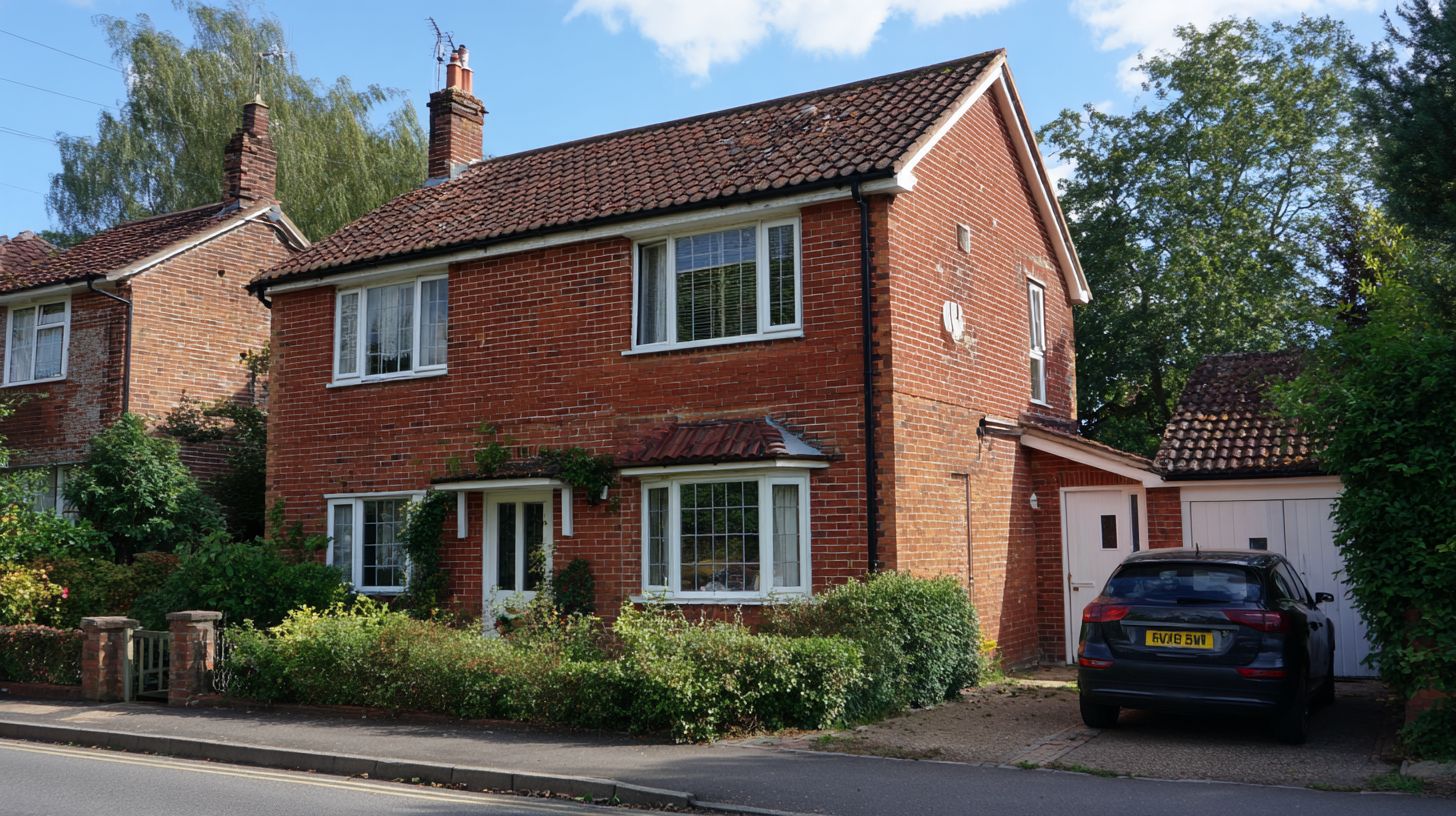
The height of two-storey extensions is restricted to a maximum of 4 metres overall, with the eaves height not exceeding 3 metres. This requirement ensures alignment with the roof pitch of the original structure and helps preserve the aesthetic harmony of the surrounding neighbourhood, potentially incorporating a green roof.
To achieve compliance, adhere to the following principal restrictions:
- Ensure that the overall height does not exceed 4 metres from ground level.
- Maintain the eaves height at or below 3 metres above the original ground level.
- Align the roof pitch with that of the existing structure, refraining from flat roofs unless expressly approved.
For upper floor windows, obscured glazing must be installed if they are situated within 1.7 metres of site boundaries, thereby protecting privacy in accordance with United Kingdom permitted development regulations.
A pertinent illustration is the two-storey extension completed by Killian OSullivan in London, which fully complied with these stipulations to create a cohesive addition, featuring reclaimed timber elements.
It is recommended to consult Building Research Establishment (BRE) guidelines, such as Report BR 443 on wind loads, for structural calculations involving a structural engineer to ensure stability within urban contexts, under building control oversight.
Location and Boundary Requirements
Regulatory guidelines for building locations stipulate that two-storey extensions must be situated at least 2 metres from rear boundaries and 7 metres from side boundaries, where applicable. Adherence to these requirements often necessitates a party wall agreement, according to the Party Wall etc Act 1996 explanatory booklet from GOV.UK, to prevent disputes with neighbouring properties, while respecting rights to light. For insights into how these rules apply in practice, including planning and building regulations, explore our comprehensive guide on two-storey rear extensions.
Distance from Side and Rear Boundaries
Extensions must adhere to a 2-metre setback from rear boundaries for two-storey constructions, while extensions along side boundaries must not encroach closer than the alignment of the original structure to preserve rights to light.
To ensure conformity with UK planning regulations, such as the 45-degree rule, the following procedural steps are recommended:
- Rear Boundary: Maintain a minimum distance of 2 metres from the boundary, or apply the 45-degree rule or 25-degree rule, which stipulates that the extension must not exceed an imaginary line drawn at 45 degrees from the base of the neighbouring property’s window, supported by daylight assessment and sunlight analysis.
- Side Boundary: Refrain from constructing extensions within 3.5 metres of the boundary unless incorporating screening measures of at least 1.7 metres in height (such as fences or hedges) to mitigate overshadowing effects.
- Consultation: Provide notification to adjoining neighbours at least 8 weeks in advance to obtain prior approval, utilising appropriate documentation under the Party Wall Act 1996, including neighbour consultation and pre-application advice.
Common challenges, including boundary encroachment disputes, can be effectively addressed through proactive consultation with neighbours. For example, in a London project undertaken by Emil Eve Architects and Sam Tisdall Architects, the early establishment of a party wall agreement precluded potential legal costs of £5,000, thereby facilitating seamless planning approvals and fostering positive relations with neighbouring properties, with a design access statement.
Rules for Side Extensions
Side extensions for two-storey properties are limited to single-storey height under permitted development rights, unless they incorporate a wraparound design, with projections not exceeding 50% of the original side elevation gap from the main house, suitable for a listed building if approved.
To ensure full compliance with UK permitted development regulations, the following specific guidelines must be observed:
- Limit the projection of any side extension to no more than half the distance to the nearest boundary, thereby preventing encroachment on adjacent properties.
- Restrict the height of side elements to single-storey standards, with a maximum eaves height of 4 metres, in order to maintain the overall two-storey character of the original building.
- Adhere to the 45-degree rule, which requires that the extension does not breach a 45-degree line drawn from the nearest habitable room window of a neighbouring property, thereby preserving natural light levels. Professional simulation tools, such as SketchUp, may be employed to verify compliance.
For designs that do not meet these criteria, full planning permission must be obtained through the local planning authority. Householder application fees commence at £462, as stipulated in the 2023 Government guidelines.
A pertinent case study is a side-rear wraparound extension for a terraced house in London. This project successfully qualified under permitted development rights by remaining within the prescribed wraparound parameters, using brick extensions with bamboo walls.
Design and Materials Guidelines
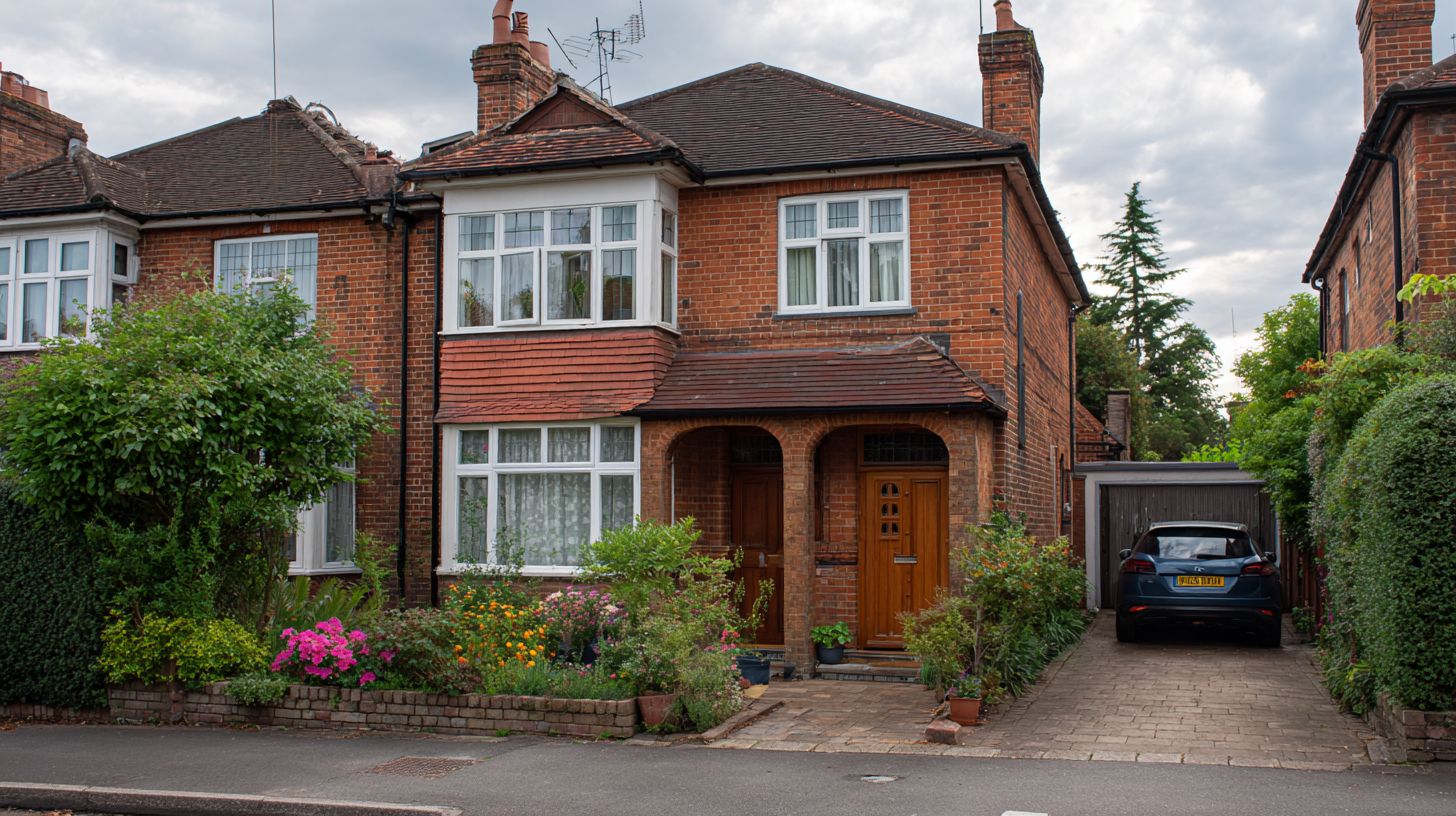
Design guidelines advocate for sympathetic architectural design, utilising materials such as brick extension, steel cladding, aluminium cladding, zinc cladding, copper cladding, or metal cladding to harmonise with the original structure of the house. This approach incorporates elements like bifold doors to facilitate open-plan living arrangements.
To implement these principles effectively and achieve optimal outcomes, adhere to the following six best practices:
- Ensure materials closely match the existing aesthetic, for instance, by employing reclaimed timber at £50 per square metre to complement the original facade without introducing discordant elements.
- Prioritise sustainable solutions, such as RIBA-endorsed green roofs, which, according to BRE studies, can reduce energy consumption by 20%. Research from the MDPI journal Land on the role of building-integrated greenery systems further supports these energy-saving advantages.
- Choose cladding materials judiciously: aluminium at £80 per square metre offers cost-effective weather resistance, whereas copper at £120 per square metre provides enhanced durability and develops an attractive patina over time.
- Incorporate bifold doors to maximise natural light penetration, thereby creating a seamless transition between indoor and outdoor spaces.
- Refrain from adding balconies or verandas to maintain the proportional scale of the house and mitigate potential planning permission challenges.
- Integrate bamboo walls to support eco-friendly design principles, enhancing natural insulation properties.
According to BRE metrics, these strategies can increase property value by 15%. A notable exemplar is a zinc-clad semi-detached extension, which exemplifies contemporary harmony with traditional architecture. Worth exploring: 2 Storey Rear Extensions.
Exceptions in Designated Areas
In designated areas such as Conservation Areas or National Parks, permitted development rights are significantly restricted, necessitating full planning permission for approximately 90% of two-storey extensions, as exemplified in London’s protected zones.
In Conservation Areas, extensions exceeding the permitted development volume limits (such as 70 cubic metres for semi-detached houses in England and Wales) necessitate a Certificate of Lawfulness, which incurs a fee of £234 and must be applied for through the local authority.
For Listed Buildings in England and Wales, full planning permission is mandatory, with a householder application fee of £462, accompanied by a review from a heritage officer.
In Areas of Outstanding Natural Beauty (AONBs) or National Parks, more stringent height restrictions limit extensions to a maximum of 4 metres; it is advisable to consult the National Planning Policy Framework (NPPF) guidelines at an early stage. Similarly, in the Broads and World Heritage Sites, a design and access statement is required, detailing the proposed cultural impact.
On designated land near highways, forward projections are prohibited; rear or side placements should be considered instead.
A notable case from the Royal Institute of British Architects (RIBA) in a London Conservation Area demonstrates the potential for successful approvals. However, statistics from the Planning Portal indicate a 30% rejection rate for non-compliant applications.
Prior Approval and Application Process
For extensions exceeding standard sizes, prior approval is required at a cost of £96 and entails the submission of plans within 8 weeks. This process frequently incorporates a daylight assessment, employing the 45-degree rule to assess potential impacts on neighbouring properties.
To effectively navigate this procedure, adhere to the following steps:
- Obtain pre-application advice from the local authority (fees ranging from £50 to £200, with a typical turnaround of 4 weeks) to refine the proposed plans.
- Submit the prior approval application through the Planning Portal, accompanied by a design and access statement detailing the materials and scale of the development.
- Perform a sunlight analysis, utilising the 25-degree rule for principal rooms to verify sufficient natural light provision.
- Engage a structural engineer to undertake necessary calculations (fees typically between £500 and £1,000) in order to confirm the structural integrity and safety of the building works.
- Upon completion of the project, apply for a lawful development certificate (£103) to provide formal evidence of compliance.
It is advisable to avoid common errors, such as omitting consultations with neighbours, which can extend approval processes to 12 weeks in accordance with General Permitted Development Order (GPDO) requirements under the Town and Country Planning Act 1990.
Frequently Asked Questions
What are the planning rules for two storey extensions in England?
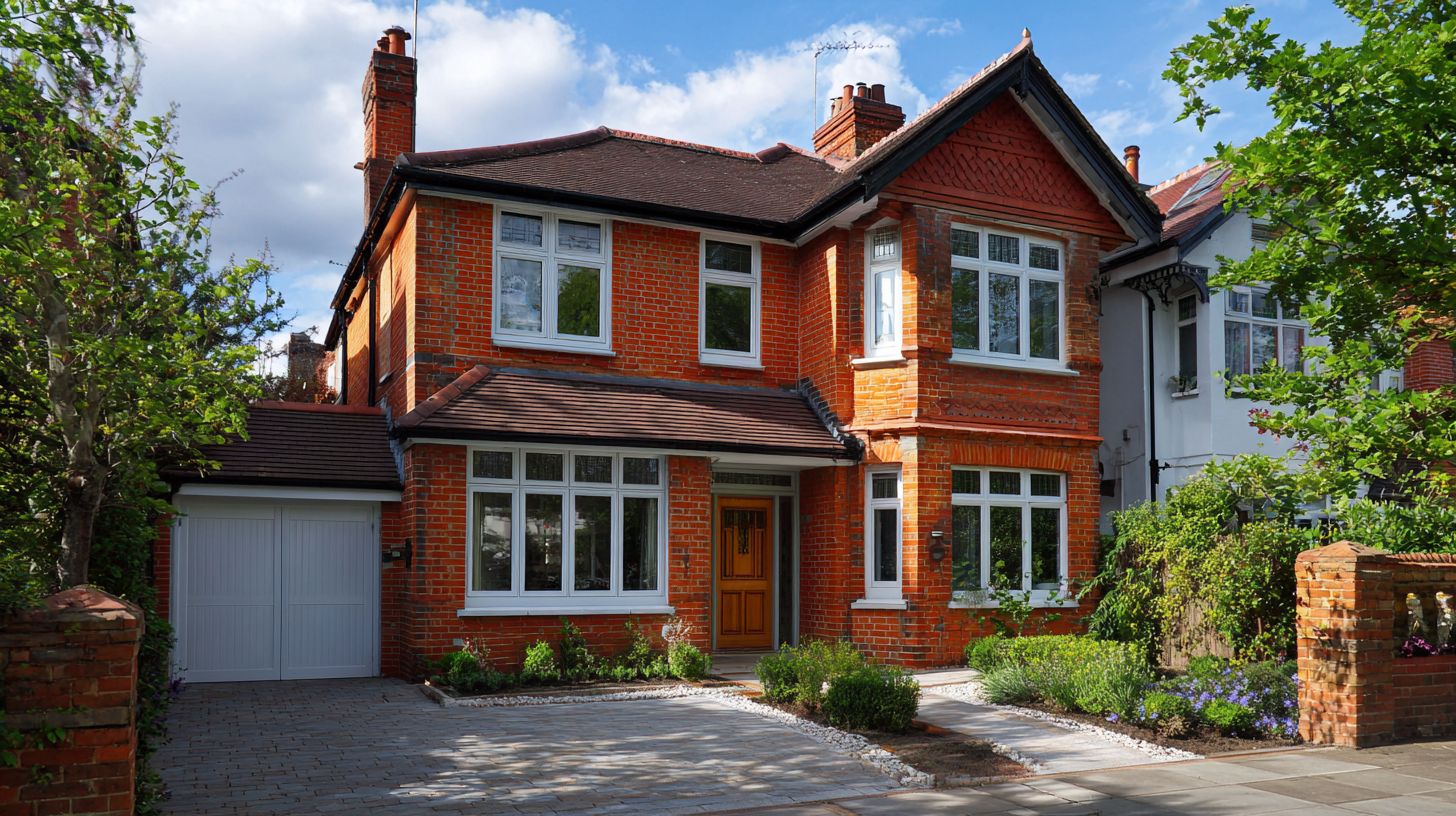
The planning rules for two storey extensions in England are governed by permitted development rights under the Town and Country Planning (General Permitted Development) (England) Order 2015. Generally, two-storey extensions at the rear of a house can be built without full planning permission if they don’t exceed 3 metres in depth, and the total height doesn’t surpass the existing house. However, you must comply with height limits (e.g., no more than 4 metres high with a pitched roof), and the extension can’t cover more than half the original garden area. Always check for local restrictions, Article 4 Directions, or if you’re in a conservation area, as these may require planning permission.
Do I need planning permission for a two storey extension under UK rules?
Under the planning rules for two storey extensions in England, full planning permission is often not required if your project qualifies as permitted development. This applies to rear extensions that meet specific size and design criteria, such as a maximum projection of 3 metres from the rear wall and adherence to height and materials matching the original house. However, if the extension exceeds these limits, involves side elevations, or is in a designated area like a National Park, you’ll need to apply for permission through your local council. It’s advisable to submit a Lawful Development Certificate to confirm compliance.
What size limits apply to two storey extensions without permission in the UK?
The planning rules for two storey extensions in England set clear size limits for permitted development: rear two-storey extensions can project up to 3 metres, measured from the original rear wall. The extension must not exceed the height of the existing house. Side two-storey extensions may be permitted without permission under specific conditions (e.g., maximum 4 metres depth with a hipped roof), and the total enlarged area can’t cover more than 50% of the land around the original house. These rules help prevent overdevelopment while allowing minor expansions.
How do neighbor consultations factor into UK planning rules for two storey extensions?
According to the planning rules for two storey extensions in England, neighbor consultation is not required for standard permitted development within limits (e.g., up to 3 metres depth). However, if the extension exceeds permitted development limits or requires full planning permission, your local planning authority will consult neighbors, typically within 42 days for prior approval (applicable to certain single-storey larger extensions) or as part of the full application process. Neighbors can object if the extension impacts light, privacy, or amenity, potentially leading to refusal. Public consultation is standard for full planning applications, ensuring community input on designs that might overlook gardens or cause overshadowing.
Are there special planning rules for two storey extensions in conservation areas in England?
Yes, the planning rules for two storey extensions in England are stricter in conservation areas, where permitted development rights are often curtailed by Article 4 Directions. This means even small two-storey extensions may require full planning permission to preserve the area’s character. Extensions must use sympathetic materials and designs that match the historic building, with limits on projections (typically limited to 3 metres for terraced or semi-detached houses and 4 metres for detached houses under permitted development rights, though stricter in conservation areas) and no alterations to front elevations. Check with your local authority for specific designations, as non-compliance can result in enforcement action or fines.
What materials and design requirements apply to two storey extensions under England planning rules?
The planning rules for two storey extensions in England emphasize that materials and design must match the existing house to qualify for permitted development. For instance, brickwork, roofing, and windows should be similar in style and color to avoid visual discord. The extension can’t include verandas, balconies, or raised platforms without permission, and the height of the eaves should not exceed the height of the existing house’s eaves. Designs must comply with volume limits to avoid exceeding permitted development allowances that could alter the property’s scale significantly. Professional advice from an architect can ensure compliance and aesthetic harmony.