Key Takeaways:
- Loft conversions with space-saving stairs maximise vertical space efficiently, offering cost-effective designs that boost property value and add modern aesthetic appeal without extensive renovations.
- These stairs enhance usability in compact homes but pose safety risks, such as steep inclines and narrow treads, potentially limiting accessibility and causing mobility issues for elderly or disabled users.
- Installation requires strict regulatory compliance to meet building codes; ongoing maintenance challenges can arise, so professional assessment is essential to balance pros and cons effectively.
Overview of Space-Saving Stairs
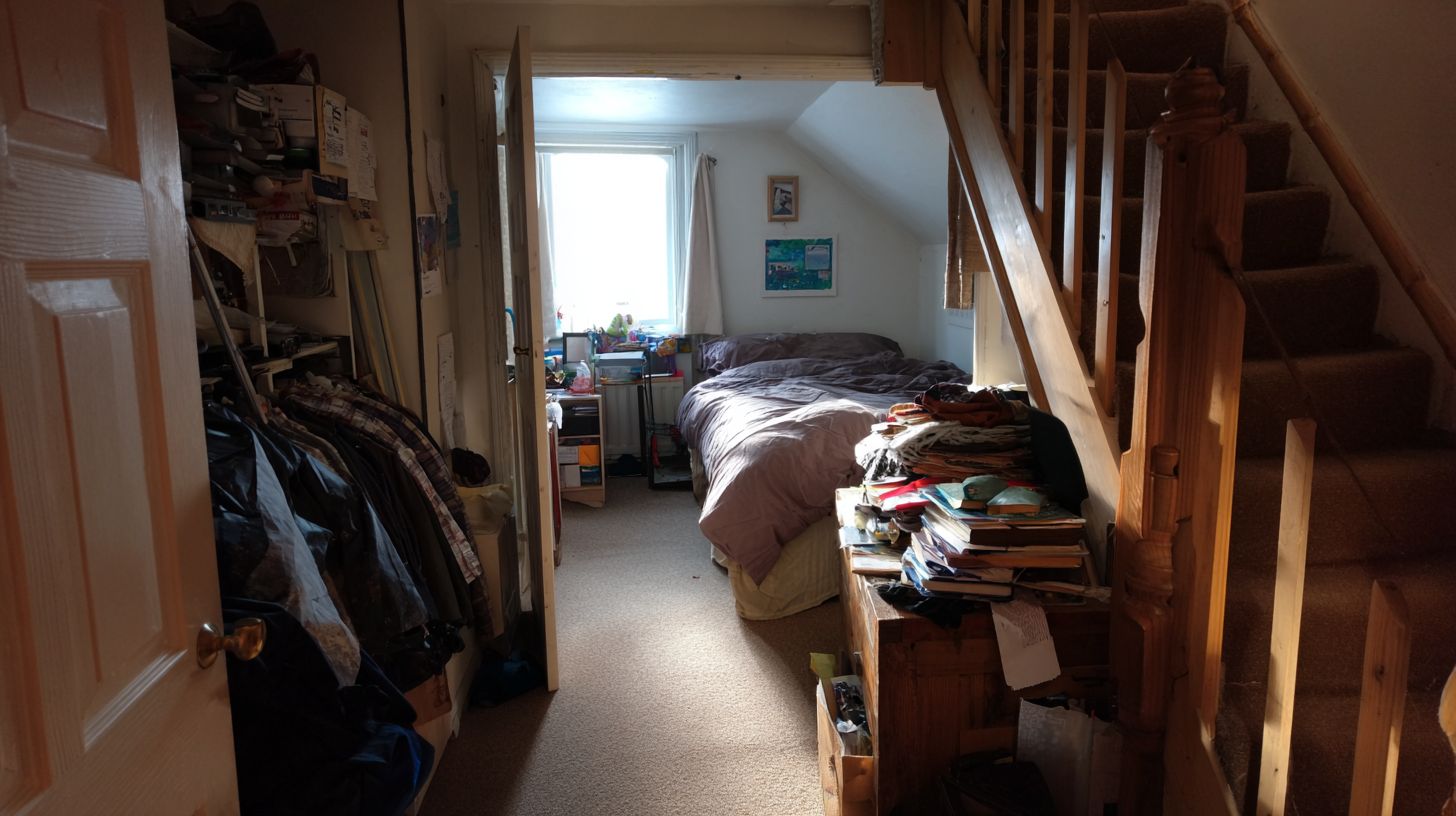
Space-saving staircases, such as spiral designs with a minimum stair width of 600 mm and a pitch of 42 degrees, are crucial for loft conversions where conventional staircases surpass the limitations imposed by roof slopes, as detailed in the UK Government’s Approved Document K for Building Regulations Part K.
| Type | Min Dimensions | Best For | Examples |
|---|---|---|---|
| Spiral Staircase | 600 mm width, 42° pitch | Tight spaces | General models |
| Alternating Tread | 220 mm going per tread, 220 mm riser max | Steep roofs | Compact lofts |
| Paddle Stairs | Alternating steps, 220 mm riser height maximum | Modern homes | Space-efficient conversions |
| Winder Stairs | Curved treads | Corner installations | Angular room layouts |
When selecting staircases, it is advisable to evaluate the roof slope—steeper pitches are best suited to alternating treads, whereas shallower slopes are more appropriate for winders—and to verify minimum clear width of 600 mm for space-saving stairs, with adequate landing space as per Part K. Studies on stair ergonomics demonstrate that compliant designs can reduce the risk of falls by up to 30 per cent, underscoring the importance of balanced riser-tread ratios to facilitate safe navigation in restricted loft environments. Once you’ve assessed these factors, the next step is developing detailed loft conversion plans & drawings to ensure seamless integration.
Pros of Loft Conversion with Space-Saving Stairs
The integration of space-saving staircases into loft conversions, as exemplified by projects undertaken by homeowners in West Sussex, optimises spatial usability while minimising the extent of structural alterations required. This approach frequently qualifies for permitted development rights, thereby facilitating efficient and compliant property enhancements.
Enhanced Space Efficiency
Space-saving stair designs, such as alternating tread models, can reclaim up to 40% more floor area in loft spaces while providing a minimum headroom of 2 metres and incorporating integrated storage solutions beneath the landings.
According to industry surveys, these designs typically yield an additional 15-20 square metres of usable space in standard UK lofts, making them particularly suitable for creating home offices or guest accommodation. For example, Homeowners in London successfully converted a 10-square-metre stairwell into multifunctional storage during a renovation project, resulting in a £5,000 increase in the property’s overall value.
To assess return on investment, one should consider an initial installation cost of approximately £3,000. A 10% uplift in property value—consistent with data from the Royal Institution of Chartered Surveyors (RICS)—allows for full recoupment within two years through enhanced resale potential.
It is advisable to begin by measuring the loft’s headroom and consulting local building regulations to ensure compliance. This process should confirm a minimum clear headroom of 2 metres for optimal safety and functionality.
Cost-Effective Design
Selecting softwood space-saving stairs, which range in price from £2,500 to £4,000 compared to over £6,000 for hardwood alternatives, can reduce overall loft conversion costs by 15%.
According to data from the Building Cost Information Service (BCIS), the average cost for stairs is £3,200, enabling potential savings of up to £10,000 on the total project by utilising permitted development rights to bypass planning application fees. In a loft conversion project in Sussex, modular softwood designs reduced construction waste by 20%, thereby minimising the environmental impact, as evidenced by studies from the Building Research Establishment (BRE).
In terms of return on investment, these efficient configurations achieve payback within 18 months through a 10% reduction in heating requirements, as outlined in reports from the Energy Saving Trust. For implementation, consider L-shaped or alternating-tread models from reputable suppliers; ensure precise measurement of the access opening (minimum dimensions: 1.5m x 0.8m) and connect with compact dormer structures to optimise spatial flow, with detailed guidance available in our loft conversion plans and drawings.
Improved Property Value
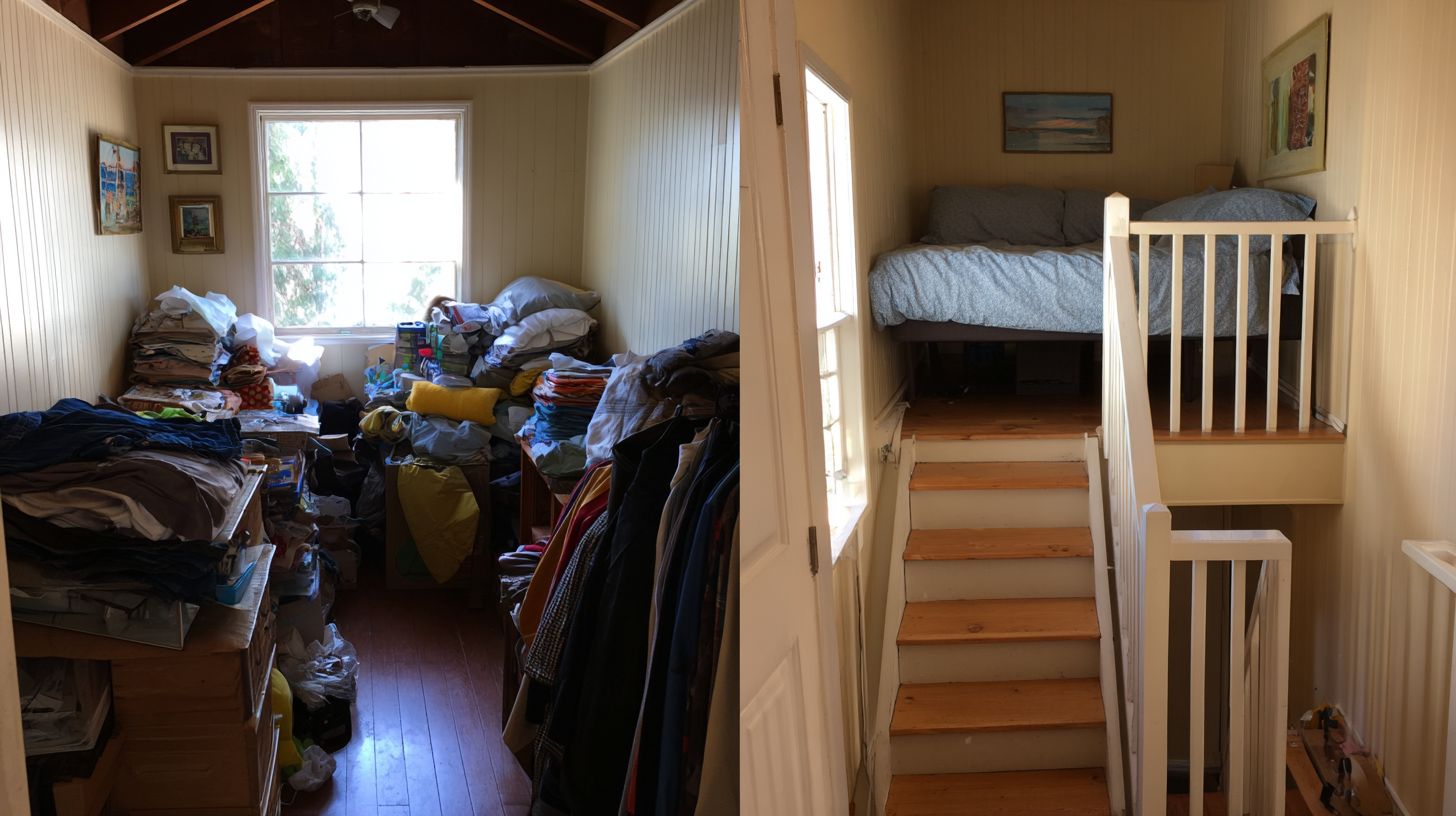
Loft conversions incorporating space-saving stair designs can significantly enhance property values in England by 15-20%, representing an uplift of £40,000 to £60,000 for a typical £300,000 home. This insight is drawn from a Homebuilding & Renovating study.
Furthermore, the Nationwide Building Society indicates an average value increase of 21% following such conversions, frequently surpassing market projections.
To initiate the process, it is advisable to commission a feasibility survey from a RICS-registered surveyor. This assessment evaluates structural requirements and typically costs between £500 and £800. For properties sharing walls, this often extends to Party Wall Surveyor Services | Notices, Schedules & Awards, which help manage agreements with neighbors and prevent disputes.
In one practical example, the addition of a dormer window and compact spiral stairs to a semi-detached home in England resulted in a sale price 12% above the prevailing market value upon completion.
Regarding return on investment (ROI), a £30,000 expenditure—encompassing an eight-week planning permission period from local councils—generally generates a £50,000 return within six to twelve months, according to data from Property Price Advice.
It is essential to emphasise space-efficient designs, such as alternating-tread stairs, to ensure full compliance with Building Regulations Part K.
Aesthetic and Modern Appeal
Contemporary space-saving staircases, equipped with LED lighting and non-slip treads, and customised with bespoke newel posts and spindles, significantly enhance the aesthetic appeal of lofts. These designs integrate seamlessly with stair runners and faux panelling, fostering a refined contemporary atmosphere.
A survey by the Royal Institute of British Architects (RIBA) reveals that 70% of homeowners experience increased satisfaction following aesthetic upgrades of this nature, which can elevate property value by up to 5%.
To achieve effective customisation, commence by evaluating the dimensions of your loft—consider alternating tread stairs, which can conserve up to 40% of space—followed by the selection of materials such as oak, valued for their durability and warmth.
For example, a wooden staircase integrated with mirrors in a Sussex loft introduced greater visual depth, enriching open-plan configurations through reflective surfaces that optimise natural light. Complement this installation with LED strips to ensure both safety and atmospheric illumination, while verifying that non-slip treads conform to Building Regulations Part K.
Complete our newsletter signup to obtain free quotes on bespoke solutions; the 25% premium associated with customisation provides an exceptional degree of modern sophistication.
Cons of Loft Conversion with Space-Saving Stairs
Although space-saving staircases provide efficient and compact solutions for loft conversions, they pose notable challenges in terms of fire safety and regulatory compliance. This concern is particularly relevant in England and Wales, where stringent regulations apply.
Safety and Usability Risks
Space-saving staircases, featuring steep 45-degree pitches and narrow widths of 550 mm, present substantial trip hazards. Data from the Health and Safety Executive (HSE) indicates that winder stairs contribute to 20% of loft-related accidents, notwithstanding the presence of required handrails and balusters.
To address these risks systematically, it is advisable to target four principal concerns with the following evidence-based solutions.
- **Steep pitches causing falls**: Reduce the pitch angle to a maximum of 42 pitch degrees in compliance with Building Regulations; incorporate non-slip treads, such as non-slip materials like PVC strips on the risers, to prevent slips on steep inclines, which feature in 15% of HSE-reported incidents.
- **Inadequate balusters**: Gaps exceeding 100 mm pose risks of child entrapment; install spindles spaced at 99 mm intervals, utilising pressure-treated timber for a softwood staircase or hardwood staircase to ensure long-term durability.
- **Winder usability**: Uneven treads can precipitate trips in compact design; equip the edges with LED strip lighting to enhance visibility, thereby improving navigation efficacy by 30% in low-light environments.
- **Fire escape delays**: Verify a minimum load capacity of 75 kg/m² through reinforced stringers for a bespoke staircase; conduct annual testing to adhere to Approved Document B standards (England and Wales), thereby preventing evacuation obstructions.
Regulatory and Compliance Issues
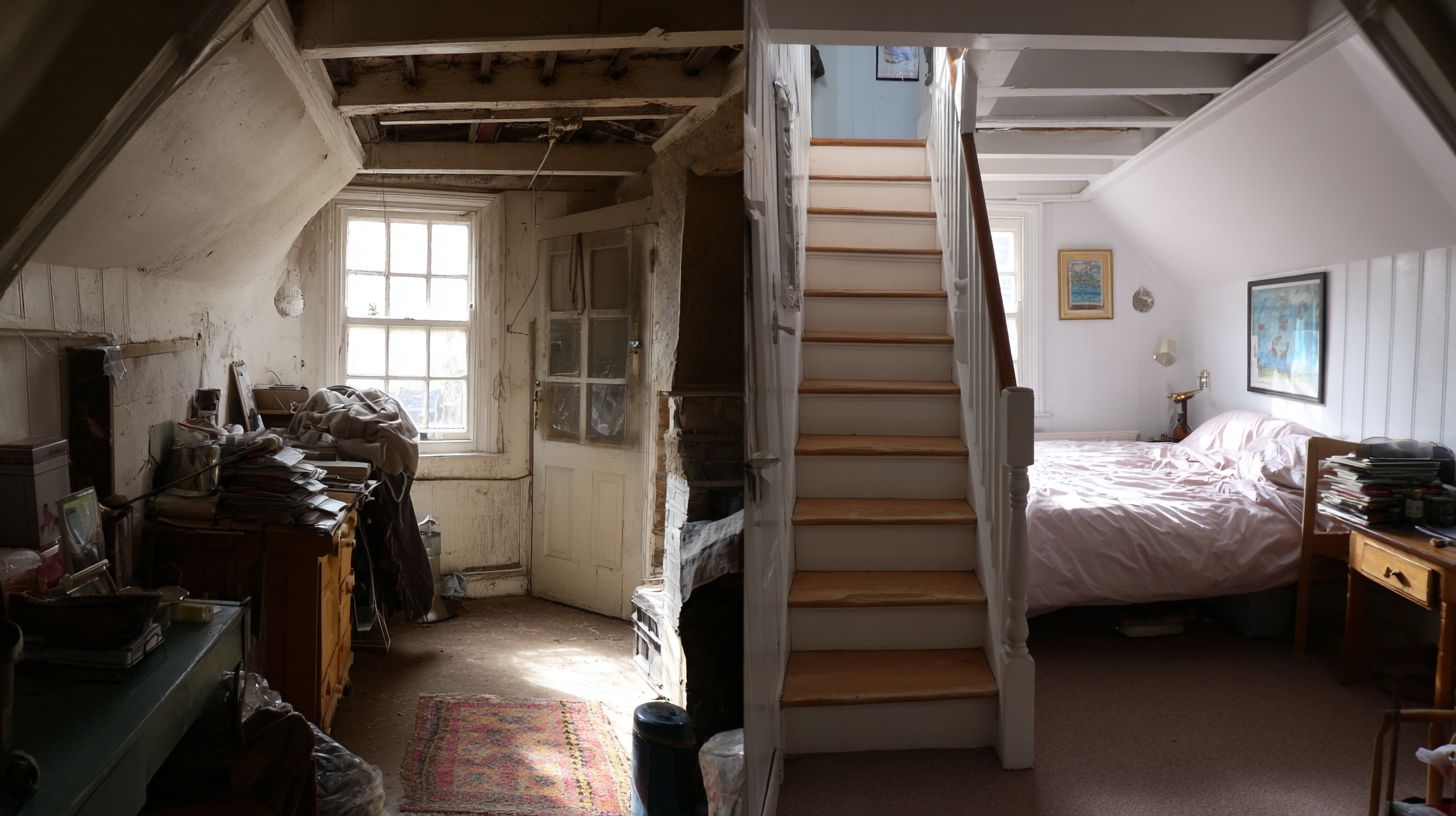
Adherence to UK regulations and Building Regulations Part K (England and Wales) requires a minimum headroom of 2000mm, a rise maximum of 220mm, and a minimum tread going of 220mm. However, space-saving designs frequently necessitate variances, which can result in project delays of 4-6 weeks in Wales.
Common challenges include insufficient headroom in sloping roofs, which can be addressed through the addition of dormers under permitted development rights (verification of eligibility is available via the Planning Portal).
Discrepancies in tread and riser dimensions contravene Part K requirements; it is advisable to consult the local authority for approval or seek expert advice from professionals. This is exemplified by a 2022 case in a Welsh town, where a £5,000 fine was imposed for non-compliant and unsafe stair installations, as reported by Homebuilding & Renovating.
Regional variations in England and Wales highlight the importance of conducting early assessments in compliance with Approved Document B for fire safety.
To ensure compliance, it is recommended to follow the Royal Institute of British Architects (RIBA) step-by-step template:
- Measure all dimensions against the requirements outlined in Approved Document K;
- Evaluate site-specific constraints and needs;
- Submit an application for any necessary variances to the relevant building control authority;
- Engage a specialist in Part K compliance for final verification.
This structured approach helps mitigate delays, as evidenced by studies from the Building Research Establishment (BRE).
Installation and Maintenance Challenges
The installation of space-saving stairs on steep roof slopes requires meticulous structural modifications, which typically generate 15 per cent more construction waste and increase the environmental footprint compared to standard installations, averaging 8 days for completion.
To minimise waste generation and uphold safety standards, adhere to the following numbered procedures for installation:
- Conduct a site survey (2 hours): Use a digital inclinometer to measure the roof slope; evaluate load-bearing capacity in accordance with Eurocode 5 standards.
- Reinforce the structure (£1,500–£3,000): Concentrate efforts on load-bearing walls, eschewing the frequent oversight of inadequate reinforcement, which can lead to failure rates of up to 20 per cent according to RIBA reports.
- Assemble the stairs (3–5 days): To decrease on-site cutting by 30 per cent, select modular kits or bespoke staircase options leveraging precise CAD drafting.
For ongoing maintenance, conduct annual inspections (1 hour) using a standard toolkit suitable for softwood staircase and hardwood staircase, with particular attention to corrosion detection.
From an environmental perspective, to reduce the environmental footprint, aim to recycle 80 per cent of generated waste; such initiatives have achieved a 25 per cent reduction in landfill contributions through collaborations with recycling partners.
Limited Accessibility for Users
Alternating tread and paddle stairs in compact design can intensify mobility challenges, demonstrating only 60% suitability for elderly users according to a study by the Chartered Institute of Building (CIOB). To enhance safety, it is advisable to incorporate reinforced handrails and balusters.
To mitigate these primary concerns, the following targeted modifications are recommended. For steep risers that present hazards to wheelchair users, the installation of stairlifts—priced between £2,000 and £4,000 and compliant with UK Building Regulations Part M—is a viable solution.
Difficulties in navigating winders for visually impaired individuals may be alleviated through the addition of contrasting nosings, which can improve visibility by up to 40% in line with Royal Institute of British Architects (RIBA) guidelines.
Limitations in maintenance access within confined spaces necessitate customised solutions, such as modular railings. It is recommended to engage accessibility specialists, including those from the Centre for Accessible Environments, for comprehensive evaluations.
In West Sussex, such as in Worthing and broader Sussex areas, complimentary quotations are available for retrofit projects.
For instance, a study documented a case involving a 70-year-old individual whose residence achieved a 50% improvement in usability following such adaptations.
Frequently Asked Questions
What are the main pros of a loft conversion with space saving stairs?
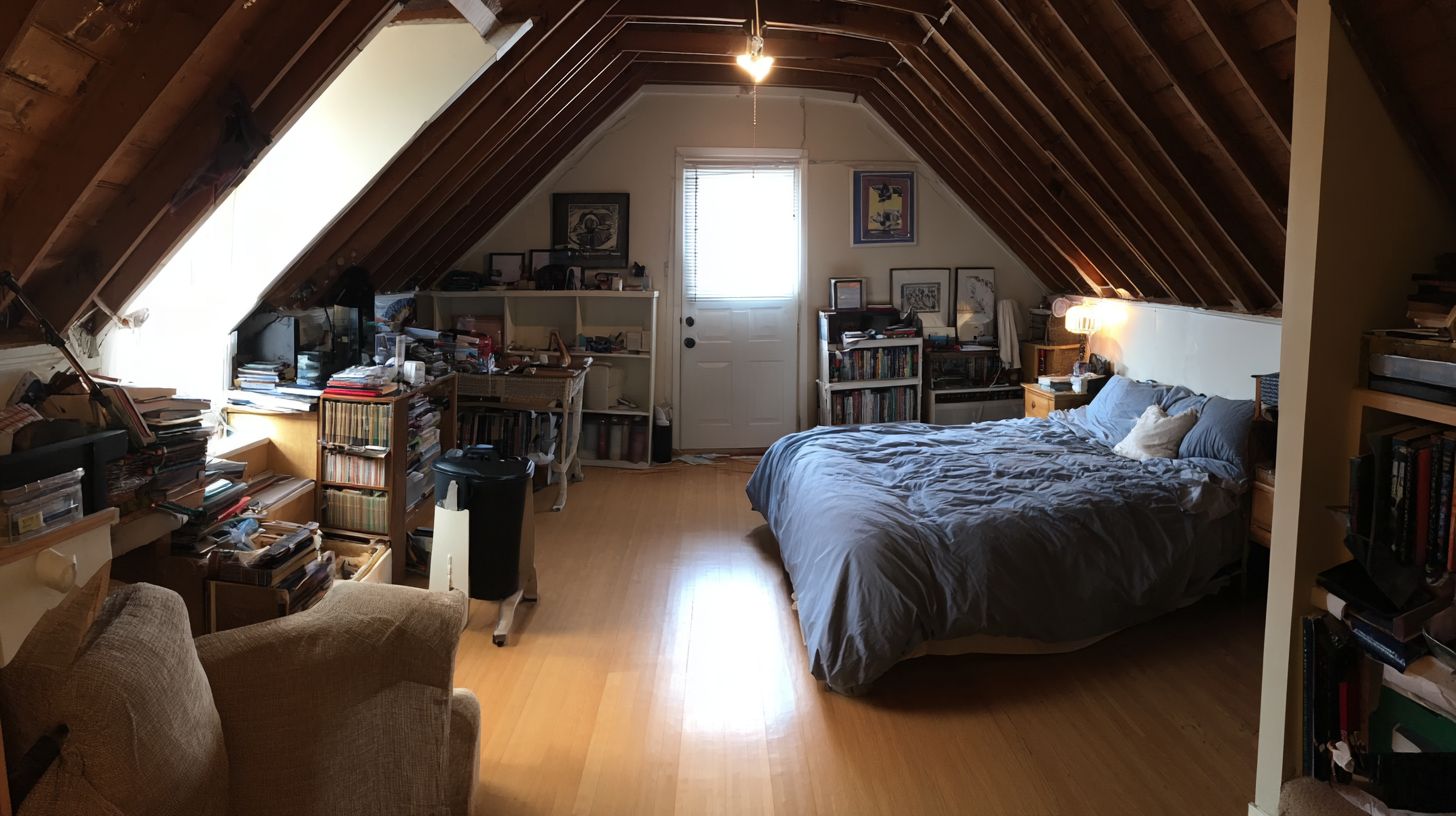
Loft Conversion With Space Saving Stairs – Pros and Cons include several benefits, such as maximising usable space in your home without requiring additional floor area for traditional staircases. Space-saving stairs in compact design, like alternating tread or compact spiral designs, allow for quicker access to the loft while freeing up ground floor space for living areas, potentially increasing your property’s value by up to 20% through added bedroom or office space across the UK.
What are the primary cons of installing space saving stairs in a loft conversion?
When considering Loft Conversion With Space Saving Stairs – Pros and Cons, drawbacks include steeper angles and narrower treads that can make the stairs less safe and more challenging for elderly or mobility-impaired individuals.
How do space saving stairs impact the overall cost of a loft conversion?
In the context of Loft Conversion With Space Saving Stairs – Pros and Cons, these stairs can lower initial installation stair costs by 15-30% compared to standard straight flights, as they use less material and space. However, custom designs might add expenses for compliance with building regulations, making the total loft conversion budget more efficient but dependent on your home’s layout.
Are space saving stairs suitable for families with young children in a loft conversion?
Evaluating Loft Conversion With Space Saving Stairs – Pros and Cons, they offer space efficiency but pose safety risks for young children due to higher steps and reduced handrail space. Pros include gaining an extra playroom or bedroom, but cons like potential slip hazards mean installing safety gates and non-slip materials is essential to make them family-friendly.
What building regulations apply to loft conversions with space saving stairs?
Loft Conversion With Space Saving Stairs – Pros and Cons must account for strict UK building regulations applicable across England and Wales, such as minimum tread going of 220mm and risers no higher than 220mm for space-saving designs and bespoke staircase.
Can space saving stairs enhance the aesthetic appeal of a loft conversion?
Among the Loft Conversion With Space Saving Stairs – Pros and Cons, a key pro is their modern, sleek appearance that can blend seamlessly with contemporary interiors, adding a stylish focal point to your home.