
Key Takeaways:
- Most residential driveways in England and Wales qualify as permitted development, avoiding planning permission if up to 50 square metres and using permeable materials or with suitable drainage for impermeable surfaces.
- Permission is typically needed for front garden driveways with over 5 square metres of impermeable surfacing without adequate drainage, or for certain rear garden expansions.
- Special rules apply in conservation areas or for listed buildings; consult your local council early to avoid fines or enforcement actions.
Understanding Planning Permission in the UK
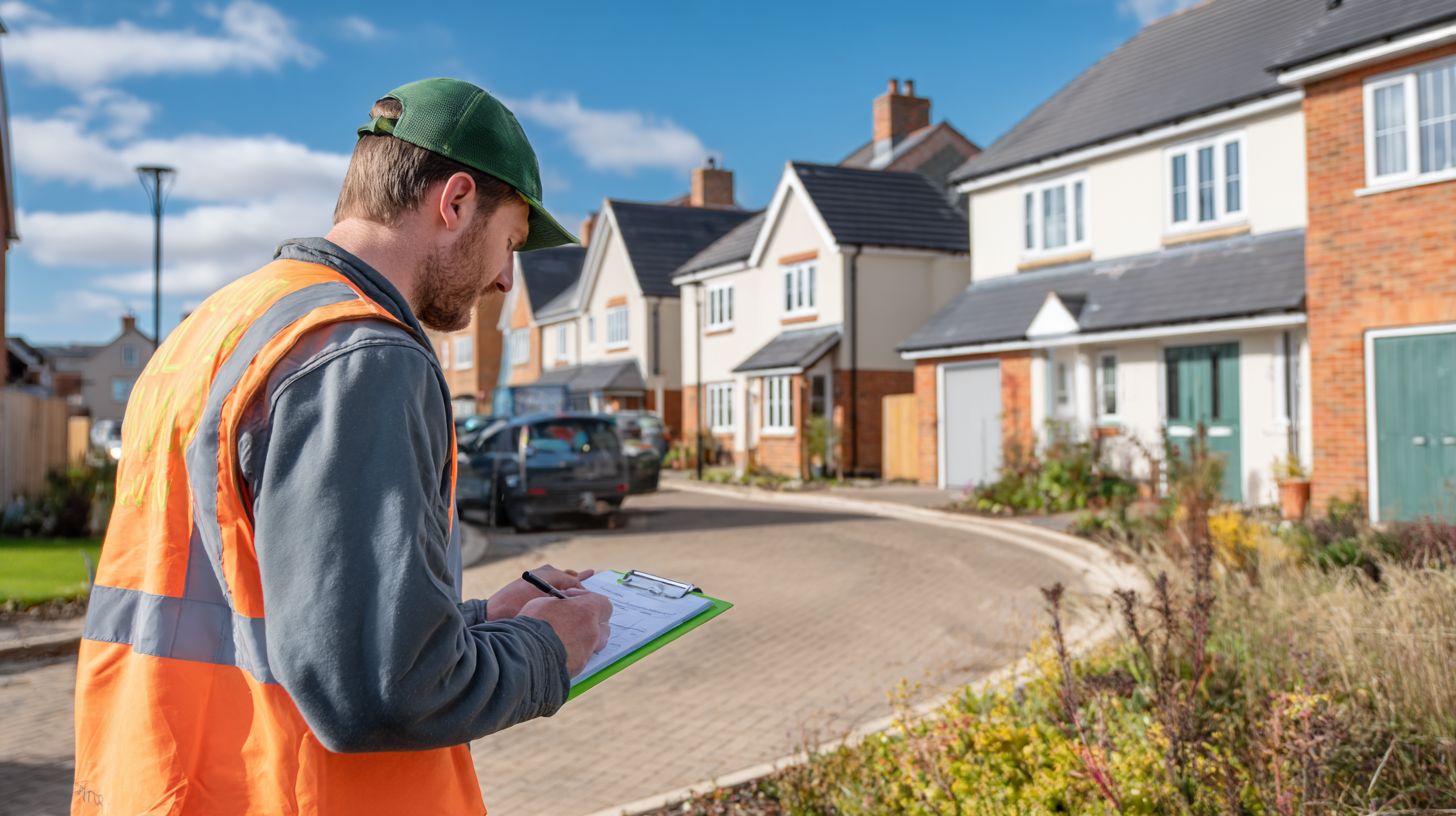
Planning permission in the United Kingdom, as governed by the Town and Country Planning Act 1990 and supplemented by the Highways Act 1980, regulates modifications to properties, including the installation of driveways, to safeguard public safety and protect the environment. When examining the numbers from the UK Government’s planning applications statistics, over 300,000 applications are processed annually through the Planning Portal.
To navigate this process effectively, the following provides a structured overview of key concepts:
- Planning permission is required from the local authority for significant alterations, such as new hardstanding areas exceeding 50 square metres without meeting permeability requirements. The application process involves paying an application fee and assessment fee, which may be non-refundable. According to the Planning Portal, the approval rate stood at 85% in 2023; however, success depends on submitting comprehensive plans— planning drawings for planning permission are essential for demonstrating compliance—including planning confirmation if approved, through their online application portal.
- Permitted development rights allow for certain minor modifications without formal permission, including front garden hardstanding of less than 50 square metres, provided there are no drainage concerns. Specific details can be found in the Town and Country Planning (General Permitted Development) (England) Order 2015, as amended.
- Applications are evaluated by local planning authorities (typically councils), which often consult with highways teams; the process includes stage one and stage two reviews, a site visit, and processing times generally range from 8 to 13 weeks, with options for fast track service via service email.
The Royal Town Planning Institute (RTPI) Directory identifies common misconceptions, such as the belief that all driveways qualify for exemption, with many applicants overlooking regulations on surface water run-off. A practical recommendation is to review your property’s planning history using the Planning Portal’s search tool to identify any existing restrictions prior to submission.
Defining Driveway and Crossover
A vehicle crossover, commonly referred to as a dropped kerb, constitutes the paved transition from the public footway to private property, providing footway access, as governed by the Highways Act 1980. In contrast, a driveway denotes the hard surface area—such as gravel or concrete—within the front garden that facilitates vehicular access.
For legal installation, the vehicle crossover must be defined as the section crossing the pavement, typically measuring 2.5 to 3.5 metres in crossover width in accordance with Highways Act standards, and may require pavement strengthening. The dropped kerb reduces the pavement height to 25 mm below the footway level to ensure unobstructed access.
The driveway’s hardstanding area, whether impermeable or permeable surfacing, is limited to 50 square metres under permitted development rights to mitigate potential runoff concerns, with impermeable surfaces over 5 square metres requiring suitable drainage.
A cross-sectional diagram illustrates this configuration: the footway at a height of 150 mm descends to 125 mm at the kerb, with the crossover gradually flaring outward to connect seamlessly with the driveway’s concrete slab.
In a documented case from a local council in 2022, an application for a vehicle crossover was denied due to the proposed width exceeding 3.5 metres without adequate justification. This overreach not only blurred definitional boundaries but also posed risks to pedestrian safety, as noted in council records.
It is imperative to verify potential interference with underground utility services and consult utility companies pursuant to the new roads and street works under the New Roads and Street Works Act 1991; prior consultation with local authorities is required before any excavation to prevent penalties of up to £1,000.
Permitted Development Rights for Driveways
Under the Town and Country Planning (General Permitted Development) (England) Order 2015, permitted development rights enable homeowners to construct driveways of up to 50 square metres without the need for planning permission, provided that specific criteria pertaining to location and materials are met. These requirements are intended to minimise flood risks and adverse visual impacts.
Size and Scale Limits
Under permitted development rights, the hardstanding area for driveways in front gardens is restricted to a maximum of 50 square metres. Additionally, crossover widths are limited to 3.5 metres, and a visibility splay of 2.4 metres by 45 degrees is required to ensure safe vehicular access, particularly in proximity to street lights, street trees, and other obstructions.
To achieve compliance, the front garden hardstanding must not exceed 50 square metres—for example, a driveway measuring 5 metres in length by 10 metres in width would accommodate standard vehicles within this limit. Crossover widths should range between 2.5 and 3.5 metres, in accordance with standard highways guidelines, to facilitate safe vehicle entry and exit.
Visibility splays must maintain a clear zone of 2.4 metres by 45 degrees, as stipulated under Section 184 of the Highways Act 1980, free from obstructions such as trees or street lights.
A common oversight involves exceeding these parameters, which contributes to approximately 20% of planning refusals according to Planning Portal data. To mitigate this risk, precise measurements should be taken from the property boundary, and it is advisable to consult a local highways officer at an early stage for tailored site-specific guidance.
Material Requirements
Under the 2008 amendments to permitted development rights, driveway materials are required to be permeable or incorporate sustainable drainage systems, such as porous asphalt or gravel, in line with guidance from the UK Government. This is particularly relevant for areas exceeding 5 square metres, where provisions should accommodate potential Electric Vehicle Charger installations without exacerbating surface water runoff.
To achieve compliance, the following permeable options are recommended, each accompanied by their respective advantages, disadvantages, and approximate costs per square metre (based on UK averages from 2023 estimates):
- Permeable block paving: An environmentally sound solution featuring interlocking blocks that facilitate water infiltration (advantages: mitigates flooding risks and offers versatile aesthetic options; disadvantages: extended installation duration, typically 2-3 days for 20 square metres). £80-£120.
- Gravel hard surfacing: Comprising loose aggregate applied over a stabilised sub-base (advantages: cost-effective and suitable for do-it-yourself installation within one day; disadvantages: necessitates annual maintenance, such as raking, to control weed growth). £30-£50.
- Resin-bound surfaces: Formed by blending gravel with resin to create a smooth, cohesive finish (advantages: robust durability suitable for electric vehicle charging points and a seamless appearance; disadvantages: requires professional installation exclusively, with potential for UV-induced fading). £100+.
Research from the Environment Agency (2022) indicates that permeable driveways can reduce runoff by up to 30%, as demonstrated in numerous residential projects across England, thereby alleviating urban flood risks.
When Permission is Required

Planning permission is required for driveway projects that exceed the thresholds of permitted development or that impact public infrastructure, which is particularly relevant in controlled parking zones where [ownership boundaries](https://www.survdesign.co.uk/land-registry-compliant-plans/hmlrc-title-plans/) must be verified (as outlined in the UK Government’s Permeable surfacing of front gardens: guidance).
Front vs. Rear Gardens (England-Specific)
In England, front garden driveways typically necessitate planning permission if they exceed 50 square metres or involve modifications to footway access, in contrast to rear gardens, which are generally encompassed by permitted development rights due to their lack of impact on highway visibility. Note that Wales has separate regulations under the Welsh Development Orders.
| Aspect | Front Garden | Rear Garden | Examples |
|---|---|---|---|
| Size Limit | No strict size limit, but must use permeable materials or appropriate drainage to comply with permitted development rights | Permitted under Class A for extensions up to 50% of the original garden area or half the width of the house, subject to conditions | Front: Non-permeable surfacing over 5 sq m requires planning permission if drainage conditions not met; Rear: Single-storey rear extensions up to 4m (detached) or 3m (semi/terraced) under permitted development, or larger with prior approval |
| Highways Impact | Highway authorities may reject crossover applications exceeding standard widths (typically 2.5-3.5m) based on site-specific safety assessments | Low, often permitted | Front: Affects visibility for vehicles and pedestrians; Rear: No public access concerns |
| Case | Surrey County Council rejected 3.6m crossover (2022 ruling) | Automatically approved under Class A permitted development | Front case from Planning Portal records; Rear per Town and Country Planning Act 1990 |
To address these distinctions effectively, consult the UK Planning Portal’s interactive checklist at planningportal.co.uk for tailored, site-specific guidance.
This practice promotes compliance and mitigates the risk of fines up to £20,000 in magistrates’ court or unlimited in Crown Court for breaches under the Town and Country Planning Act 1990 (as amended). It is recommended to engage with the local planning authority at the outset to secure appropriate permissions.
Existing vs. New Installations
For existing installations, a refurbishment form may be needed, while new installations often require a construction licence, contractor licence, and approved contractors. The process includes submitting a demolition plan or Demolition Environmental Management Plan if removing prior structures, along with a construction plan. Construction activities demand traffic control, health safety measures, public liability insurance with an insurance minimum coverage, and compliance with controlled parking zone rules, potentially involving lane rental fees. If refused, refusal reasons are provided, allowing for a review request. Always check with local authorities for any upcoming regulatory updates.
New driveway installations generally require full planning applications, which often involve site visits, whereas existing driveways may only necessitate refurbishment forms if they fall within permitted development rights.
For new installations, applicants must submit a comprehensive planning application through their local council’s online portal. This submission should include detailed site drawings, drainage plans, and verification of underground utilities to prevent processing delays—a frequent oversight that can extend the standard eight-week approval timeline.
It is advisable to conduct checks for underground services using established resources, such as the National Joint Utilities Group (NJUG) locator service, prior to any excavation.
In comparison, for existing driveways qualifying under permitted development—such as minor resurfacing or temporary crossovers during construction—a simplified refurbishment form suffices, accompanied by photographs and a basic project description. Site visits are typically not required in these instances.
For example, local authorities may approve minor extensions to existing hardstanding under permitted development rights without full review, in accordance with general guidelines. This approach not only expedited the process and reduced associated costs but also ensured adherence to the Town and Country Planning Act.
Special Cases and Exceptions
In special circumstances, such as listed buildings or conservation areas, standard permitted development rights are suspended. This necessitates obtaining listed building consent for any alterations involving hard surfacing.
Furthermore, the installation of electric vehicle charging points, such as an Electric Vehicle Charger, introduces additional considerations related to utility services. If interested in similar home upgrades that involve utilities and building regulations, check out our kitchen extensions planning guide.
Conservation Areas
In conservation areas, proposals for driveways must preserve the inherent character of the locale, often necessitating full planning permission for elements affecting visibility splays or impacting Street Trees and Street Lights.
To successfully obtain approvals, it is imperative to proactively address potential challenges.
Common issues include:
- Aesthetic disruption: This can be mitigated by selecting materials that harmonise with the existing environment, such as permeable block paving, as recommended in Historic England’s April 2021 guidance on designs sympathetic to conservation areas.
- Interference with trees or lighting: Engaging a qualified arborist to prepare a report (typically costing £200–500) is advisable to assess root protection zones and propose excavation methods that minimise disruption.
A case study from Surrey County Council exemplifies a positive outcome: A permeable crossover within a conservation zone was granted approval following targeted design modifications to safeguard historic kerbstones, thereby reducing the risk of refusal by 50%.
Early consultation with local planning officers, accessible via the RTPI Directory, is recommended to secure bespoke guidance and ensure adherence to National Planning Policy Framework (NPPF) regulations.
Listed Buildings
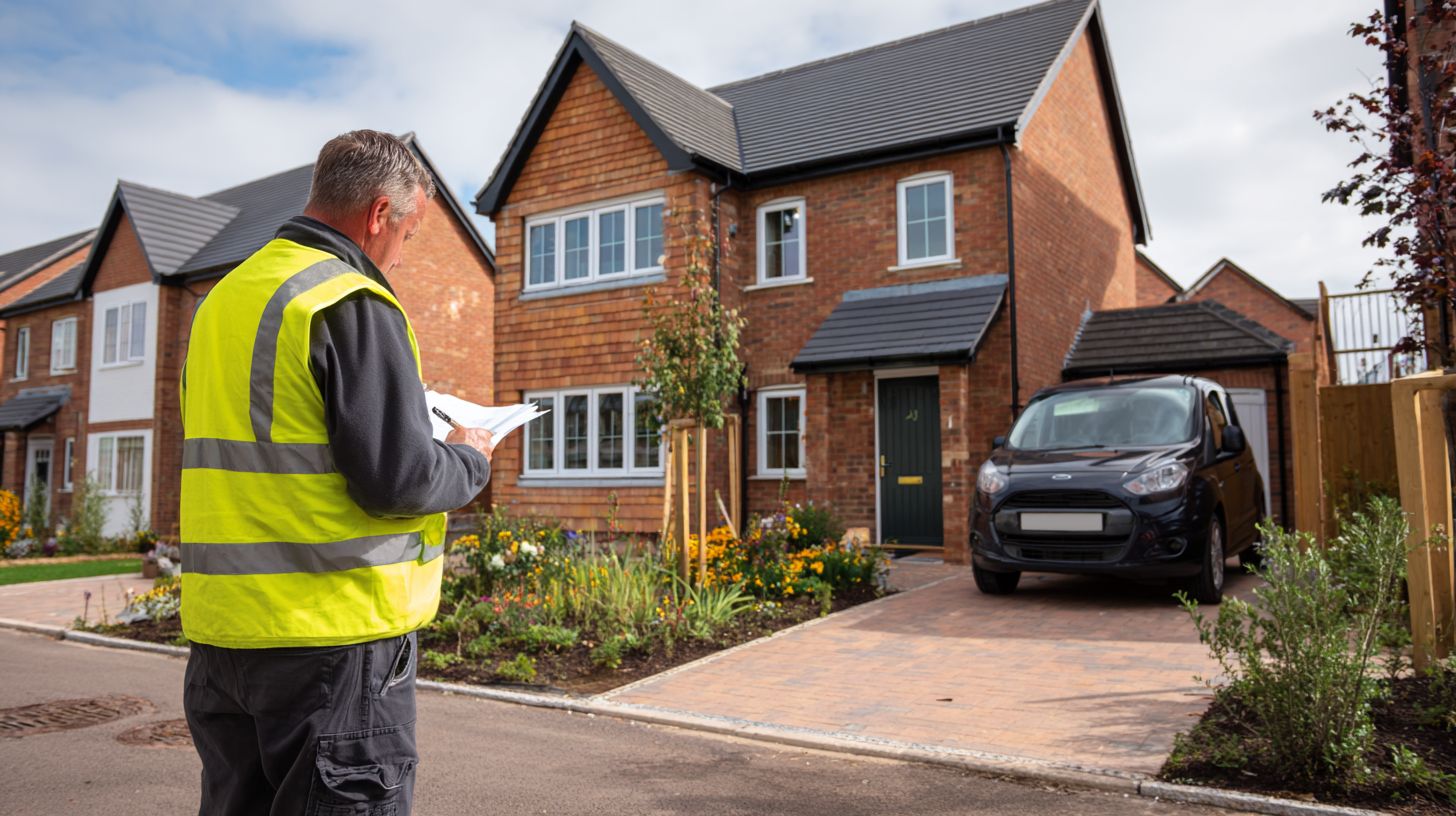
Listed buildings require separate consent under the Planning (Listed Buildings and Conservation Areas) Act 1990, in addition to any planning applications, which prohibits unauthorised alterations to front gardens that may compromise historical features. This requirement affects a significant number of properties in England each year.
To apply for listed building consent, adhere to the following procedural steps:
- Submit your application to the local planning authority, accompanied by a comprehensive heritage impact assessment. The determination process typically requires 8 weeks.
- Engage with Historic England at an early stage to mitigate common errors, such as overlooking original fabric elements like period railings or paving. Incorporate relevant provisions from the Highways Act 1980 when proposing access modifications; for example, in a West Sussex case, an application for a listed building crossover was initially refused due to unauthorised demolition without a Demolition Environmental Management Plan but was subsequently approved following a review request and mediation by Historic England.
- Provide thorough documentation of any proposed garden modifications, including photographs and detailed drawings, to demonstrate compliance with regulatory standards.
Application Process Overview
The application process for obtaining planning permission for a driveway involves submission through the Planning Portal, followed by assessment and decision, which may include a site visit by a highway officer scheduled within 4 to 6 weeks.
To manage this process efficiently, adhere to the following numbered steps, which incorporate practical recommendations:
- Prepare the necessary documents: Implement this by drawing on expertise from our Architectural Services by Local Architect for site plans and elevations. Use the free templates provided by the Planning Portal. Allocate 2 to 4 hours to complete utility checks. To prevent errors under the New Roads and Street Works Act 1991 (NRSWA), coordinate in advance with relevant local utility providers, such as gas or water companies.
- Submit the application online: Upload all required files to the Planning Portal and pay the fee of £258. Include scaled drawings to ensure clarity, with a 1:50 scale recommended.
- Attend the site visit: Coordinate the visit with the highway officer as confirmed via email. Be prepared to discuss key aspects, including access and drainage.
- Respond to consultations: Address any feedback promptly within the established deadlines. The overall approval process is anticipated to take 8 weeks.
This structured methodology minimises potential delays, consistent with the planning guidance issued by the United Kingdom government.
Costs, Fees, and Timelines
The fees associated with driveway planning applications range from £258 to £462, with additional costs of £500 to £1,000 for required assessments. Processing timelines typically average 8 to 13 weeks; however, expedited options may be available through some local councils for an additional fee.
To manage this process effectively, consider the following structured steps:
- Application fees begin at £206 for householders, while highways assessments add £300 to £500; furthermore, a contractor licence must be secured for £200 to ensure full compliance.
- Timelines may vary, with stage one approvals averaging 4 weeks, with local authorities reporting high on-time processing rates.
- Provision should be made in the budget for ancillary expenses, such as £50 per day for lane rental during the works.
From a return-on-investment perspective, a £2,000 driveway project can yield significant savings of up to £5,000 in potential fines by obtaining approval in advance. It is advisable to consult your local council’s online portal for the requisite forms and to submit the application electronically to optimise efficiency.
Enforcement and Penalties
Non-compliance with planning regulations may result in the issue of enforcement notices pursuant to the Town and Country Planning Act 1990, potentially leading to fines of up to £20,000 or unlimited penalties in the Crown Court.
Local council reports indicate that such cases number approximately 2,500 per authority annually.
Common errors include undertaking unauthorised works, such as installing a dropped kerb without prior approval, which can incur fines of £2,500.
These issues can be addressed through a retrospective planning application submitted to the relevant local authority.
Additionally, breaches related to traffic control and safety necessitate the engagement of qualified contractors holding at least £5 million in public liability insurance to minimise associated risks.
Planning refusals frequently arise from conflicts with existing utilities, which can be resolved by providing detailed demolition or construction plans via your local authority’s designated service channels.
In some cases, unauthorised crossovers have prompted enforcement action but can be rectified through a formal review request and remediation payments, as documented in local council records.
Frequently Asked Questions
Do I need planning permission for a driveway and crossover in England and Wales?
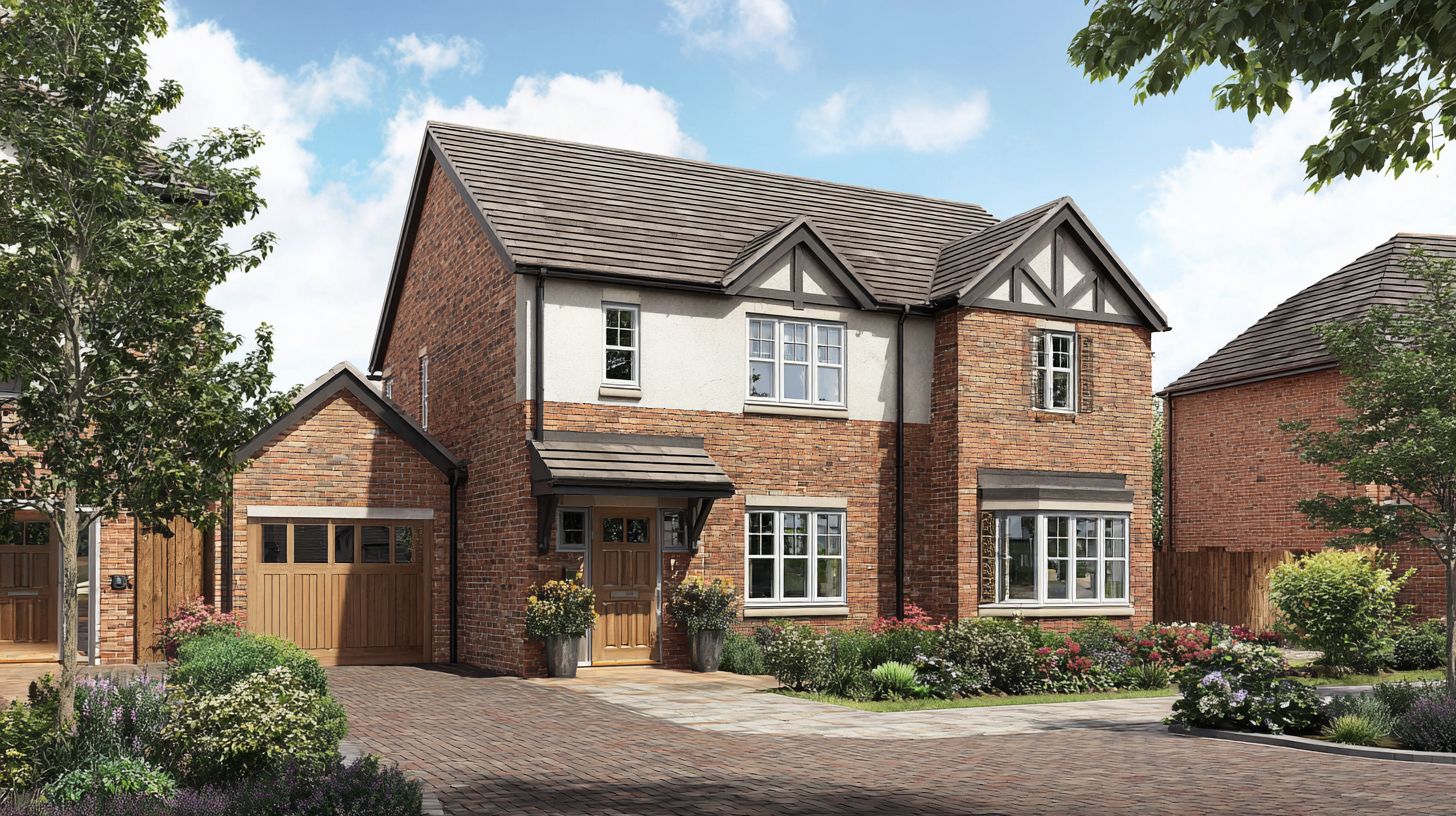
In the UK, whether you need planning permission for a driveway and crossover depends on the specifics of your project. Generally, if you’re creating a new access from your property to the public highway (the Vehicle Crossover or Dropped Kerb), you’ll need permission from your local highway authority, particularly in a Controlled Parking Zone. For the driveway itself, under permitted development rights in England and Wales, you may not need planning permission if the surface is permeable or porous (like gravel or permeable block paving), or if it covers less than 5 square metres facing a road. Always check with your local council, as rules can vary, especially in conservation areas or listed buildings.
What constitutes a crossover in the context of ‘Do I need planning permission for a driveway and crossover in England and Wales’?
A vehicle crossover, often called a dropped kerb, is the section where the pavement is lowered to allow vehicle access from the road to your driveway. Regarding ‘Do I need planning permission for a driveway and crossover in England and Wales’, the vehicle crossover typically requires approval from your local highways authority, regardless of the driveway size, as it affects public infrastructure. This ensures safety and compliance with traffic regulations, including in controlled parking zones.
When might I not need planning permission for a driveway and crossover in England and Wales?
You might not need full planning permission for a driveway and crossover in England and Wales if your project falls under permitted development rules, such as replacing an existing hardstanding driveway with permeable materials to support an electric vehicle charger or converting a front garden if the area is under 5 square metres and doesn’t front a classified road. However, the crossover itself almost always requires highway authority consent. In areas like National Parks or Areas of Outstanding Natural Beauty, stricter rules apply, so consult your local planning authority to confirm.
How do I apply for planning permission for a driveway and crossover in England and Wales?
To apply for planning permission for a driveway and crossover in England and Wales, start by contacting your local council’s planning department. For the vehicle crossover, submit a highways application form under the Highways Act 1980, often with a fee around £100-£300, and provide site plans detailing the visibility splay and any impacts on street lights or street trees. For the driveway, if needed, use the standard planning application process via the Planning Portal website and consult the LABC Authority for building regulations compliance. Expect a decision within 8-13 weeks, and it’s wise to get pre-application advice to avoid refusals.
What are the potential costs involved in getting permission for a driveway and crossover in England and Wales?
The costs for permission related to a driveway and vehicle crossover in England and Wales can include application fees for planning (around £258 for householder applications in England and Wales as of April 2021) and separate highway crossover fees (£150-£500 depending on the council). Additional expenses might cover surveys, architect drawings, a demolition environmental management plan if structures are removed, or even the construction itself, which could total £1,000-£5,000 for the kerb drop. Always budget for potential appeals if permission is denied. Note that fee structures may change from 1 April 2025.
Are there differences in rules for planning permission for a driveway and crossover across England and Wales?
Yes, while the core principles for planning permission for a driveway and crossover in England and Wales are similar, there are regional variations. In England, permitted development allows certain driveways without permission if using permeable surfaces. Wales emphasizes biodiversity. Check with the relevant devolved authority for precise local guidelines.