
Key Takeaways:
Overview of Traditional Foundations
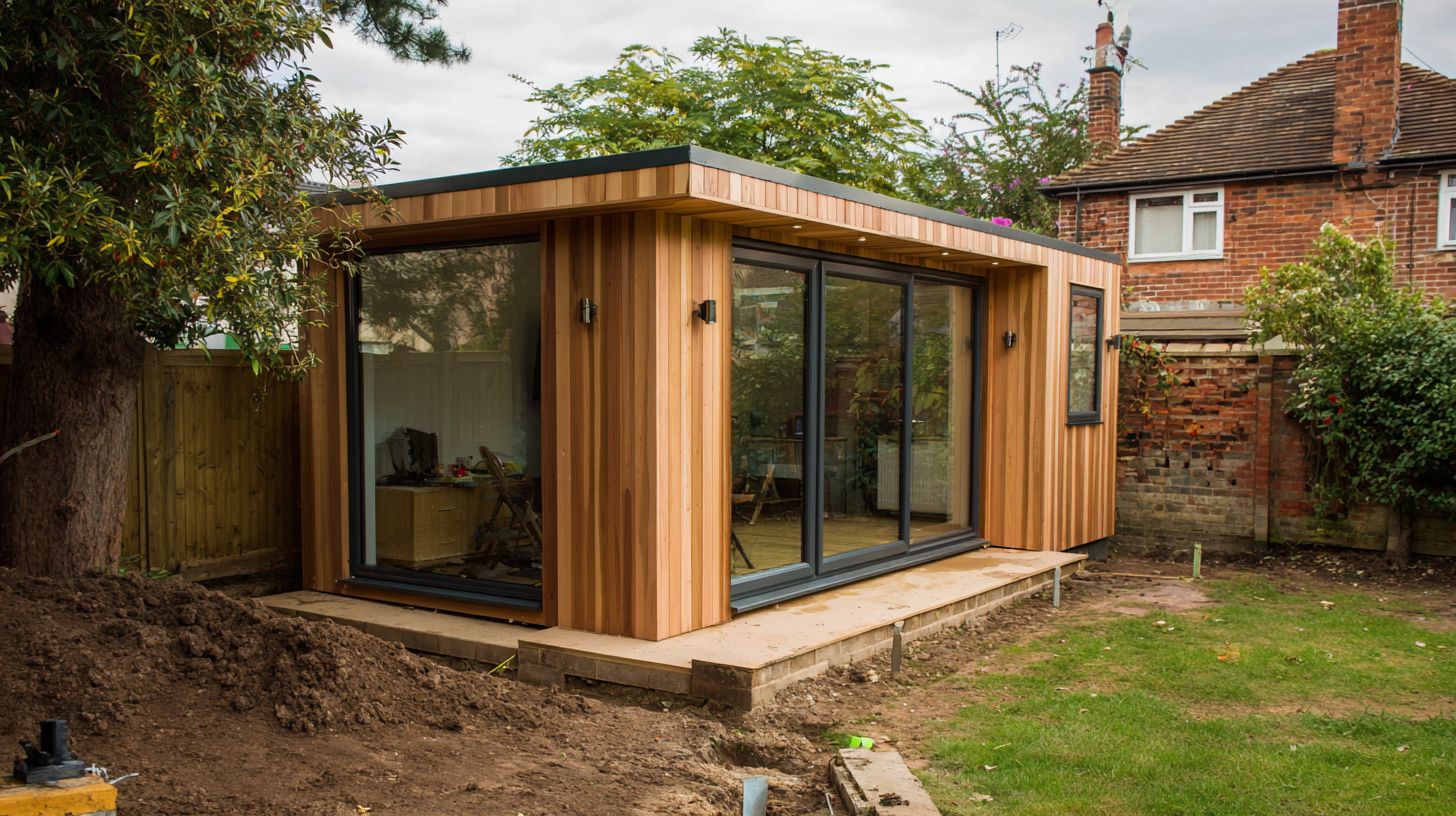
Traditional foundations, including concrete slabs and strip foundations, continue to be the preferred choice for numerous garden room projects in the UK. These options provide sturdy structural support with high load-bearing capacity; however, they necessitate extensive site preparation, particularly as material costs escalate, with an average installation expense of approximately £2,500.
Types and Materials
Common foundation types for garden structures include concrete pads, patio slabs, concrete slabs (suitable for level sites), patio slab, strip foundations (designed to support load-bearing walls), plinth foundations (elevated bases incorporating recycled materials), concrete piers, and concrete piles. Materials such as reinforced concrete typically range in cost from £80 to £120 per cubic metre.
Concrete slabs, generally 100-150 mm in thickness, are particularly appropriate for garden gyms, as they distribute loads uniformly and minimise the risk of settlement. Strip foundations, excavated to a depth of 600 mm, provide robust support for wooden frames and ensure stability on even terrain.
Plinth foundations, which stand 300 mm high and feature stainless steel reinforcement, establish effective moisture barriers through the use of recycled aggregates. This aligns with findings from a ResearchGate publication on the durability of soil mix materials, which highlights their long-term performance in such applications. In cases of uneven ground, concrete piers or piles offer deep anchorage; research from the University of Bath indicates that these options demonstrate 20-30% greater durability compared to slabs in soils with variable conditions.
| Type | Materials | Load Capacity | Cost Estimate |
|---|---|---|---|
| Slabs | Reinforced concrete | 5-10 kN/m² | £100/m² |
| Strip | Concrete + rebar | 15-20 kN/m | £120/m |
| Plinth | Recycled concrete, steel | 8-12 kN/m² | £90/m² |
| Piers/Piles | Driven concrete | 20-50 kN/pile | £150/pile |
(Data from 2024 industry benchmarks.)
”’Installation Process”’
The installation of traditional foundations requires a structured, multi-step process that commences with soil testing. This approach typically spans 3 to 5 days and incurs labour costs of £1,000 to £3,000 for a 20 sqm garden room base.
The following numbered steps outline the procedure for achieving optimal results:
- Site Preparation and Soil Testing: Remove all vegetation and assess soil density and soil types utilising a penetrometer tool (e.g., Humboldt pocket penetrometer, £50). This phase requires approximately one day; however, it should not be omitted on sloped sites to mitigate risks of subsidence.
- Excavation: Excavate to a depth of 1 metre using a mini-digger, such as the Caterpillar 301.5 (£500 rental), considering weather conditions. Anticipate 1 to 2 days for completion, and compact the soil in layers to minimise future settling.
- Formwork: Construct formwork using 25 mm plywood or timber (£200 in materials), which can be accomplished in half a day. Verify precise level alignment throughout the process.
- Pouring Concrete: Employ a C25 grade concrete mix (approximately 10 cubic metres, £800), which should be poured in a single day. Apply vibration techniques to eliminate air pockets and ensure uniformity.
- Curing: Permit a minimum curing time of 28 days to establish a strong moisture barrier, while monitoring moisture levels with digital metres (£30). Inadequate compaction can contribute to structural failure risks.
Overview of Ground Screws
Ground screws, encompassing helical screws and screw piles, serve as an efficient screw-in alternative to conventional concrete foundations, facilitating quick installation in as little as one day for garden rooms across the United Kingdom. This approach is exemplified by projects in the West Midlands region.
”’What Are Ground Screws?”’
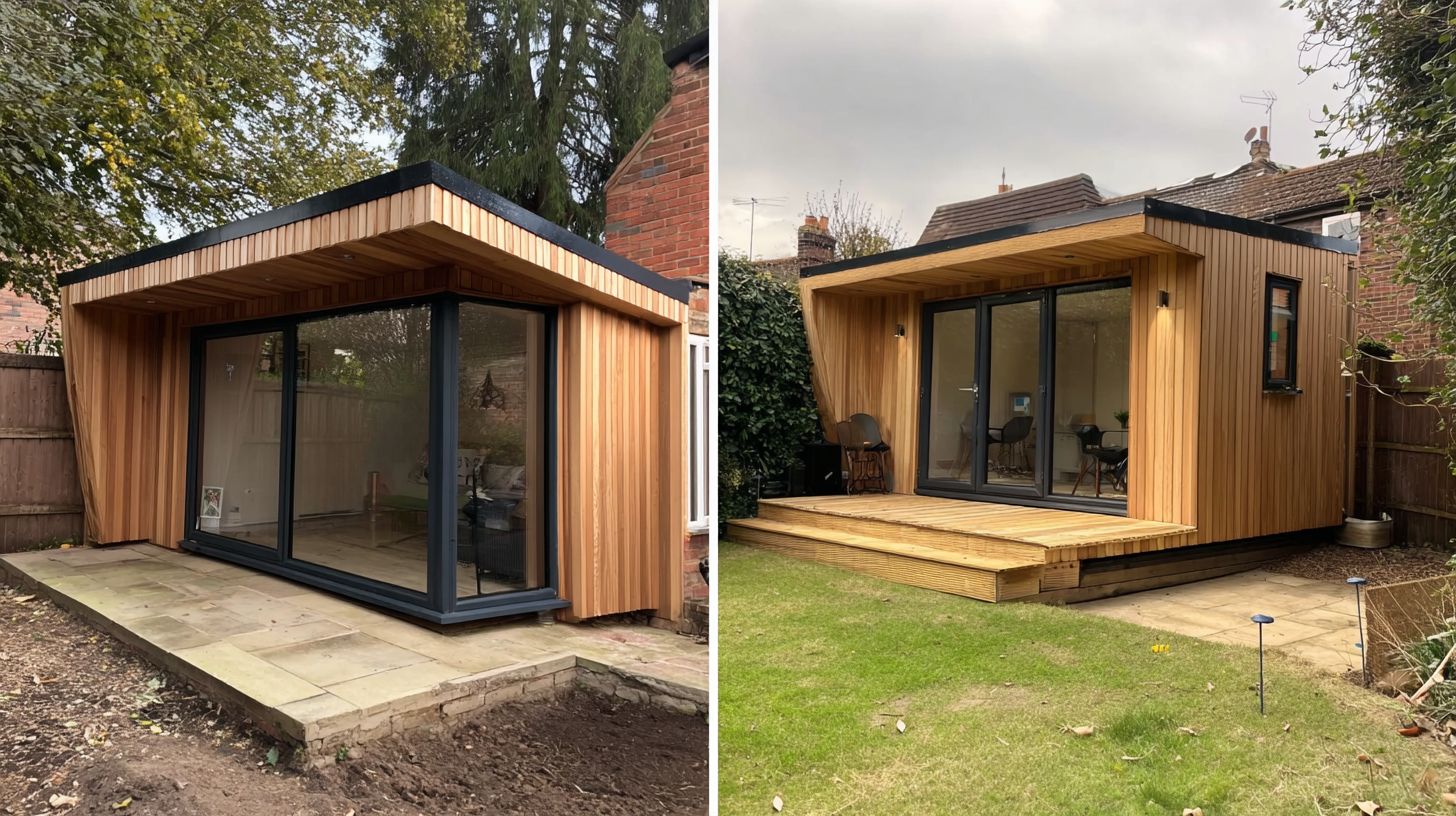
Ground screws serve as steel anchors, typically ranging from 76 to 114 mm in diameter and featuring helical plates. Constructed from corrosion-resistant stainless steel, these devices are engineered to be rotated into the ground, functioning akin to oversized screws, to provide structural support of up to 10 tonnes per pile.
Installation involves the use of hydraulic torque equipment to drive piles, measuring 1.5 to 2 metres in length, directly into the soil without the need for concrete, thereby reducing site disruption. These anchors consist of galvanised steel shafts equipped with welded helical plates.
Single-helix configurations are suitable for lighter loads, such as garden offices (up to 2 tonnes), whereas multi-helix designs accommodate heavier applications, including decks (5 to 10 tonnes), by distributing the load across multiple plates.
A representative diagram would depict a central shaft with helices of 300 to 450 mm in diameter, spiralling outward and embedded within stratified soil layers.
For load capacity calculations in accordance with Eurocode 7, the formula is as follows: Capacity = π × D × L × Soil Strength (for example, 3.14 × 0.1 m × 2 m × 50 kPa = 31.4 kN). Studies demonstrate high success rates in UK clay soils, underscoring the reliability of ground screws for garden foundations.
Installation Advantages
Ground screw installation offers several key advantages, including rapid completion in 4 to 6 hours using hydraulic torque drivers, which reduces labour costs by 60% in comparison to traditional concrete methods. This approach is particularly suitable for sloped terrains where conventional techniques often prove ineffective.
To execute this installation process effectively, adhere to the following numbered steps, incorporating the recommended tools:
- Perform a site survey and soil testing with a hand auger (approximately 1 hour) to evaluate ground conditions thoroughly.
- Mark the positions on a 2-metre grid to ensure optimal stability, while avoiding roots or rocks.
- Drive the screws using specialised rigs, such as the Keba K8 (available for £2,000 per day rental; 2 to 4 hours for 8 screws), ensuring that the depth surpasses the local frost line.
- Level and attach brackets to wooden frame base employing laser levels (approximately 1 hour).
Common errors in this process include disregarding frost lines, which can lead to ground heave; it is imperative to verify compliance with local regulations at all times.
Cost Comparison
A comprehensive cost analysis demonstrates that ground screws offer savings of up to 50% compared to concrete foundations. In the United Kingdom, the average installation cost for ground screws ranges from £1,200 to £2,500, whereas traditional methods typically range from £3,000 to £5,000, inclusive of labour and materials, based on data as of December 5, 2024.
For a 20 square metre site, the following breakdown is provided:
| Foundation Type | Material Cost | Labour Cost | Total for 20 sq m | Long-term Savings |
|---|---|---|---|---|
| Ground Screws | £800-£1,200 | £400-£1,300 | £1,200-£2,500 | Up to 50% |
| Concrete | £2,000-£3,000 | £1,000-£2,000 | £3,000-£5,000 | – |
Implementation involves the use of manual augers or hydraulic drivers for installation, which can be completed in 1-2 days, as opposed to the several weeks required for concrete curing.
In Kent-based projects, such as the 2023 Dover eco-homes development, ground screws achieved cost recovery within two years through minimised maintenance requirements, delivering a return on investment of 15-20%.
It is recommended to consult NHBC guidelines to assess site suitability.
Durability and Stability Factors
Ground screws and concrete foundations both provide durability and longevity exceeding 50 years with low carbon emissions; however, ground screws offer superior stability across variable soil types, with load-bearing capacity of up to 25 kN per unit, making them ideal for supporting heavy loads in UK garden rooms and promoting sustainability.
A 2022 CIRIA study indicates that concrete foundations typically endure approximately 60 years with 95% stability on firm soils, whereas ground screws achieve 99% longevity through the use of galvanised, corrosion-resistant steel.
For a home office constructed on clay soil, ground screws reduce settlement by 15% compared to concrete, in accordance with UK Building Regulations, resulting in a return on investment that includes annual repair savings of £500 due to minimised maintenance requirements.
Concrete curing demands 28 consecutive dry days, which poses a risk of cracking in the UK’s frequently wet weather conditions. In contrast, ground screws employ torque testing—up to 10 kNm—for immediate load verification, facilitating installations within 1 to 2 days utilising hydraulic machinery such as specialised drivers.
Environmental and Site Considerations

Ground screws offer a significant reduction in environmental impact, achieving 80% lower carbon emissions compared to concrete foundations (2.5 tonnes of CO2 versus 12 tonnes per 20 square metre base). This approach enhances sustainability by allowing for complete reusability following deinstallation.
To effectively address the primary challenges associated with foundation work, the following actionable solutions are recommended:
- Mitigate the high carbon footprint of concrete by adopting low-cement mixes, which can reduce emissions by 40% in accordance with DEFRA guidelines—a particularly suitable option for typical UK home constructions averaging 100 square metres.
- Minimise site disruption on uneven terrain through the use of ground screws, which eliminate the need for excavation, reduce soil disturbance by 90%, and require 50% less water, as evidenced by recent research from the University of Cambridge on eco-friendly foundation systems.
- Counteract waste generation by selecting ground screws, which are 100% recyclable, in contrast to the enduring landfill challenges posed by concrete.
For optimal installation, employ specialised torque tools such as hydraulic drivers to facilitate precise helical insertion, thereby achieving structural stability in under two hours per site.
UK Regulations and Planning Permissions
In England and Wales, under the Town and Country Planning (General Permitted Development) (England) Order 2015 (as amended), garden rooms qualifying as Class E outbuildings may benefit from permitted development rights without full planning permission, provided the building is no more than 2.5 metres high if within 2 metres of the boundary (or up to 4 metres for a dual-pitched roof if further away), and the total area of such buildings does not exceed 50% of the curtilage. Specify that this applies to England and Wales standards.
For outbuildings such as garden rooms falling under Class E permitted development, the total footprint must not exceed 50% of the curtilage area of the dwellinghouse. Foundations must comply with Part A of the Building Regulations 2010 (as amended for England and Wales), where concrete strip foundations typically require a depth of at least 750mm to 1m below ground level in frost-susceptible areas to prevent frost heave and settlement, based on site-specific geotechnical assessment.
To ensure full compliance, adhere to the following checklist:
- Consult your local planning authority through the Planning Portal to confirm eligibility;
- Perform geotechnical soil testing in accordance with British Standard BS 5930:2015;
- For installations utilising ground screws, verify load-bearing capacity through testing as prescribed by Eurocode 7 (EN 1997-1).
Related insight: Garden Rooms planning and building details.
The Health and Safety Executive (HSE) guidelines underscore the importance of safe construction practices to prevent occupational hazards.
Which is Best? Recommendations for UK Homes
For most residential properties in the United Kingdom, ground screws are recommended due to their rapid installation and versatility, especially for structures such as garden gyms or home offices on sloping terrain. Professional installation by specialised firms ensures full compliance with relevant regulations.
To achieve effective implementation, adhere to the following established practices:
- Carry out initial soil testing using dynamic probing equipment, preferably conducted prior to winter for installations scheduled on December 5, to evaluate ground stability.
- Select ground screws for environmentally sustainable projects that comply with height restrictions under 2.5 metres, thereby reducing ecological disruption.
- Employ concrete foundations for applications involving substantial loads on firm soil, incorporating protective measures such as damp-proof membranes to mitigate moisture ingress.
A case study involving a garden room in Sussex exemplifies the advantages of screw piles: they deliver 20% cost reductions compared to conventional methods and offer a service life of up to 50 years, in accordance with Royal Institute of British Architects (RIBA) guidelines. For bases constructed with wooden frames, return on investment typically ranges from 15% to 20% within five years, attributable to minimised maintenance requirements.
The following decision matrix aids in site selection:
| Factor | Ground Screws | Concrete |
|---|---|---|
| Soil Type | Soft/Sloping (Ideal) | Stable/Firm (Required) |
| Load | Light-Medium | Heavy |
| Install Time | 1-2 Days | 3-5 Days |
| Cost | Lower Initial | Higher but Durable |
Refer to RIBA best practices to maintain regulatory compliance.
Frequently Asked Questions
Garden Rooms – Traditional Foundations or Ground Screws? Which is best for UK homes
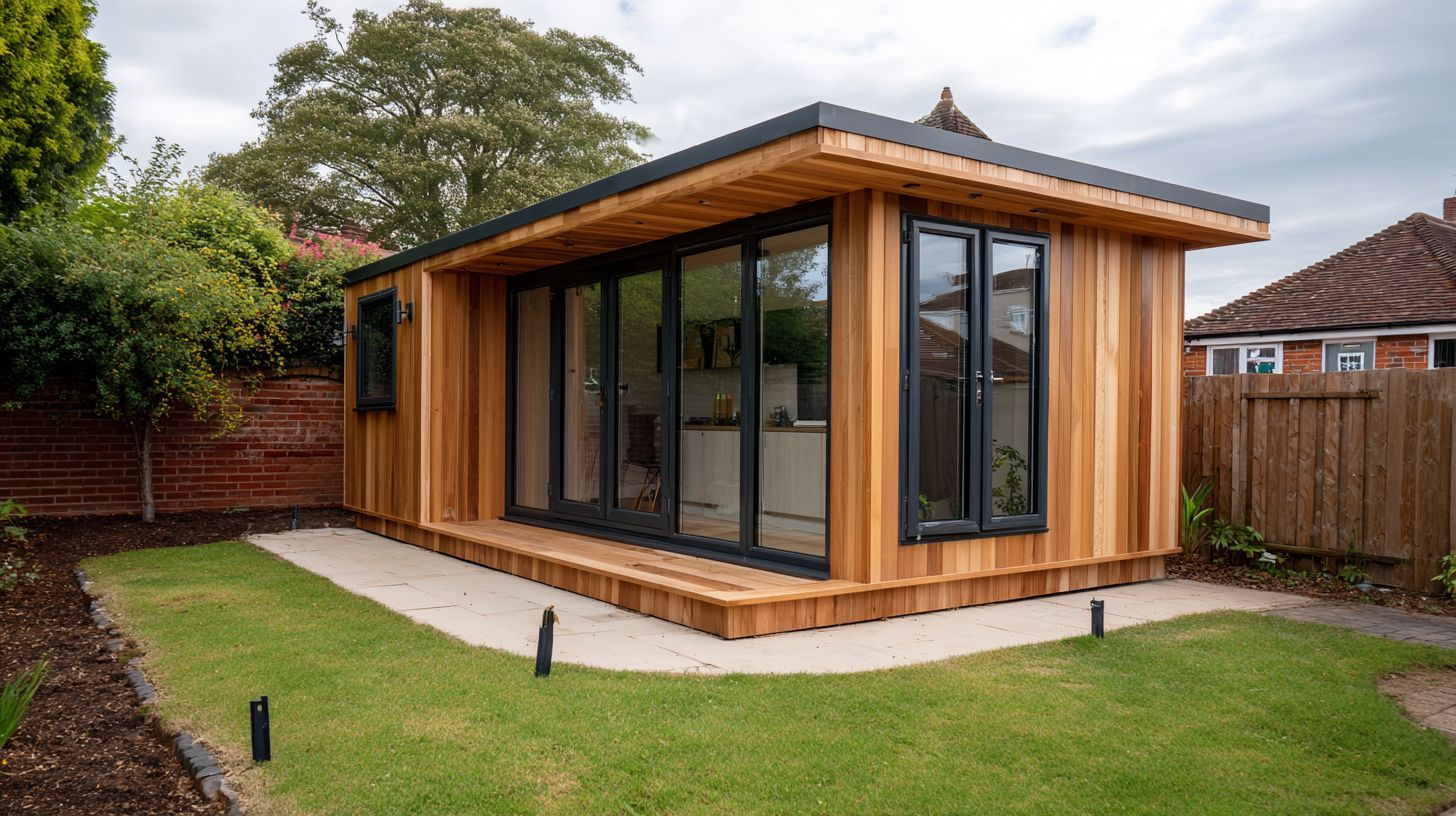
For UK homes, the choice between traditional foundations and ground screws for garden rooms depends on factors like soil type, budget, and installation speed. Traditional foundations, such as concrete pads or strip footings, offer long-term stability but require more time and excavation. Ground screws provide a quicker, eco-friendly alternative with minimal disruption, ideal for softer UK soils. Ground screws are often best for most modern UK garden room projects due to their versatility and reduced environmental impact, but consult a professional for site-specific advice.
What are traditional foundations for garden rooms in the UK?
Traditional foundations for garden rooms in the UK typically involve digging trenches or pads and pouring concrete to create a solid base. This method, often used for strip footings or raft foundations, ensures a stable structure but can be labor-intensive and weather-dependent. In the context of ‘Garden Rooms – Traditional Foundations or Ground Screws? Which is best for UK homes’, they suit heavier builds on stable ground, though they may increase costs and site mess compared to alternatives.
What are ground screws and how do they work for UK garden rooms?
Ground screws are steel piles screwed directly into the soil to form a foundation without digging or concrete. For UK garden rooms, they are installed using machinery, providing a secure anchor that distributes weight evenly. Regarding ‘Garden Rooms – Traditional Foundations or Ground Screws? Which is best for UK homes’, ground screws excel in varied UK terrains, offering faster setup and removability, making them a popular, sustainable choice over traditional methods.
What are the pros and cons of traditional foundations versus ground screws for UK homes?
Traditional foundations pros include high load-bearing capacity and familiarity in UK construction; cons are longer installation times, higher costs from materials, and potential for soil disruption. Ground screws pros feature quick installation (often in a day), eco-friendliness, and adaptability to uneven UK ground; cons include higher upfront equipment costs and less suitability for very rocky soils. Overall, ground screws often win for efficiency, while traditional suits custom heavy-duty needs.
How do costs compare between traditional foundations and ground screws for garden rooms in the UK?
Costs for traditional foundations in UK garden rooms can range from £1,000-£3,000, covering excavation, concrete, and labor, but may rise with site prep. Ground screws typically cost £800-£2,500, with savings on time and no wet trades. Overall, ground screws provide better value for smaller projects due to lower long-term maintenance, though traditional might be comparable for larger structures.
Which foundation type is quicker to install for garden rooms in UK homes?
Ground screws are significantly quicker to install for garden rooms in UK homes, often completed in hours or a single day without curing time, unlike traditional foundations that require days or weeks for digging, pouring, and drying concrete. Overall, this speed makes ground screws ideal for minimising disruption, especially in rainy UK weather where concrete delays are common.
Are ground screws suitable for all soil types in UK garden room foundations?
Ground screws are versatile for most UK soil types, including clay, loam, and gravel, but may need engineering adjustments for rocky or very soft peat soils. Traditional foundations handle a broader range but often require more adaptation. Overall, ground screws are generally preferable for the UK’s diverse, often waterlogged soils, offering reliable stability with less environmental impact—always get a soil survey first.