
Key Takeaways:
Understanding Loft Conversions
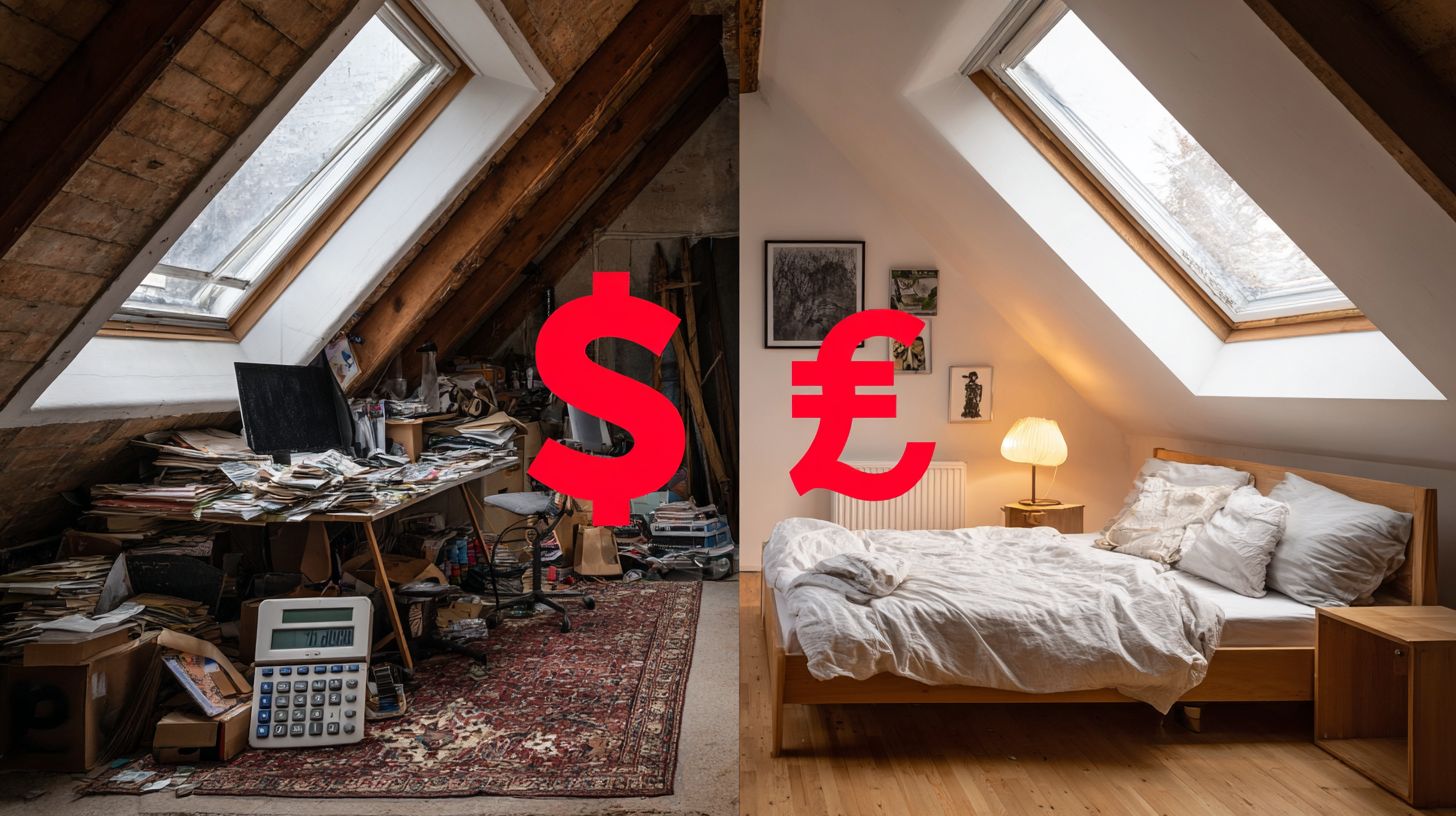
Loft conversions in England and Wales represent an effective means of repurposing underutilised attic spaces into practical living areas. These projects must adhere to Local Authority Building Control (LABC) guidelines, which stipulate a minimum head height of at least 2.0 metres and other structural requirements for both cut roofs and trussed roofs.
The principal types of loft conversions include the following:
- Dormer Conversion: This method incorporates a box-like extension to enhance headroom, making it particularly suitable for terraced houses constructed in the 1960s in London, ideal for bungalow conversion as well. Associated costs typically range from £20,000 to £40,000. Illustrative sketch: The original sloped roof is augmented with a vertical rear wall and a flat roof.
- Mansard Conversion: Characterised by a steep rear roof slope that maximises usable space, this approach is well-suited to conservation areas and necessitates the installation of a ridge beam. Illustrative sketch: The rear elevation features a double-sloped design with a near-vertical lower pitch.
- Hip-to-Gable Conversion: This hip to gable technique broadens the loft space by converting hipped roof ends into gables, rendering it ideal for bungalows and bedroom addition. It requires a structural engineer’s evaluation of the floor joists. Illustrative sketch: The hipped roof configuration (with slopes on all sides) is transformed into a gabled structure (incorporating a vertical end wall).
All loft conversions must conform to Building Regulations Part A, incorporating steel beams and oriented strand board (OSB) for necessary structural reinforcements and roof structure integrity.
Cost Breakdown
According to 2023 data, the average cost of a loft conversion in the UK ranges from £25,000 to £60,000. Project timelines typically span 8 to 12 weeks, similar to those for garage conversions, depending on the complexity of the work and the specific location.
Planning and Permissions
In England and Wales, permitted development rights enable loft conversions that add up to 40 cubic metres for terraced houses or 50 cubic metres for detached/semi-detached houses of additional volume without necessitating full planning permission, though party wall considerations apply. However, for terraced properties involving shared walls, adherence to the Party Wall Act 1996 and addressing neighbor concerns is mandatory, requiring the issue of formal notices as detailed in the UK Government’s explanatory booklet on the act.
To facilitate an efficient process, it is recommended to follow these structured steps:
- Assess eligibility using the complimentary LABC online tool (labc.co.uk), a procedure that requires approximately 10 minutes and evaluates whether the loft conversion qualifies under permitted development rights, taking into account the property type and location.
- Issue a Party Wall Act notice to neighbours at least two months in advance, ideally through the services of a qualified surveyor; any resulting disputes may incur additional costs of up to £1,000, in accordance with Royal Institution of Chartered Surveyors (RICS) guidelines.
- For properties situated in conservation areas or designated as listed buildings, submit an application for full planning permission to your local planning authority. The associated fee is £462, with local planning authorities typically rendering a decision within an 8-week period.
It is essential to circumvent prevalent errors, such as neglecting neighbours’ privacy considerations and neighbours’ concerns, which contribute to 15% of planning appeals (Planning Portal data), with a solid contingency plan. The overall process is anticipated to span up to 8 weeks.
Construction and Fitting
The construction phases encompass the removal of the water tank and chimney stack, if applicable, reinforcement with steel beams, structural reinforcements, and the allocation of 2 m² for staircase space to ensure compliance with Building Regulations Part K, including disruption management.
To implement these phases efficiently, adhere to the following numbered steps, incorporating recommended tools and considerations:
- Engage a structural engineer to conduct a comprehensive site survey, utilising laser levels for accurate measurements (duration: 1 day; estimated cost: £500). This process identifies potential load-bearing issues in accordance with current UK structural standards, such as BS EN 1991 (Eurocode 1).
- Execute roof alterations by removing the tanks and stacks, cutting trusses with reciprocating saws, and installing steel rolled section joists (RSJs) (duration: 1-2 weeks). Scaffolding is required to maintain safety in compliance with the Construction (Design and Management) Regulations 2015.
- Install insulation with insulation benefits and soundproofing measures, such as acoustic mineral wool (duration: 3 days), while minimising disruptions to neighbouring properties through a phased approach and disruption management.
Common errors, such as insufficient allocation of staircase space, can result in rework costs amounting to 10% of the project budget and associated delays. The overall project timeline is anticipated to span 6-8 weeks.
Financial Benefits
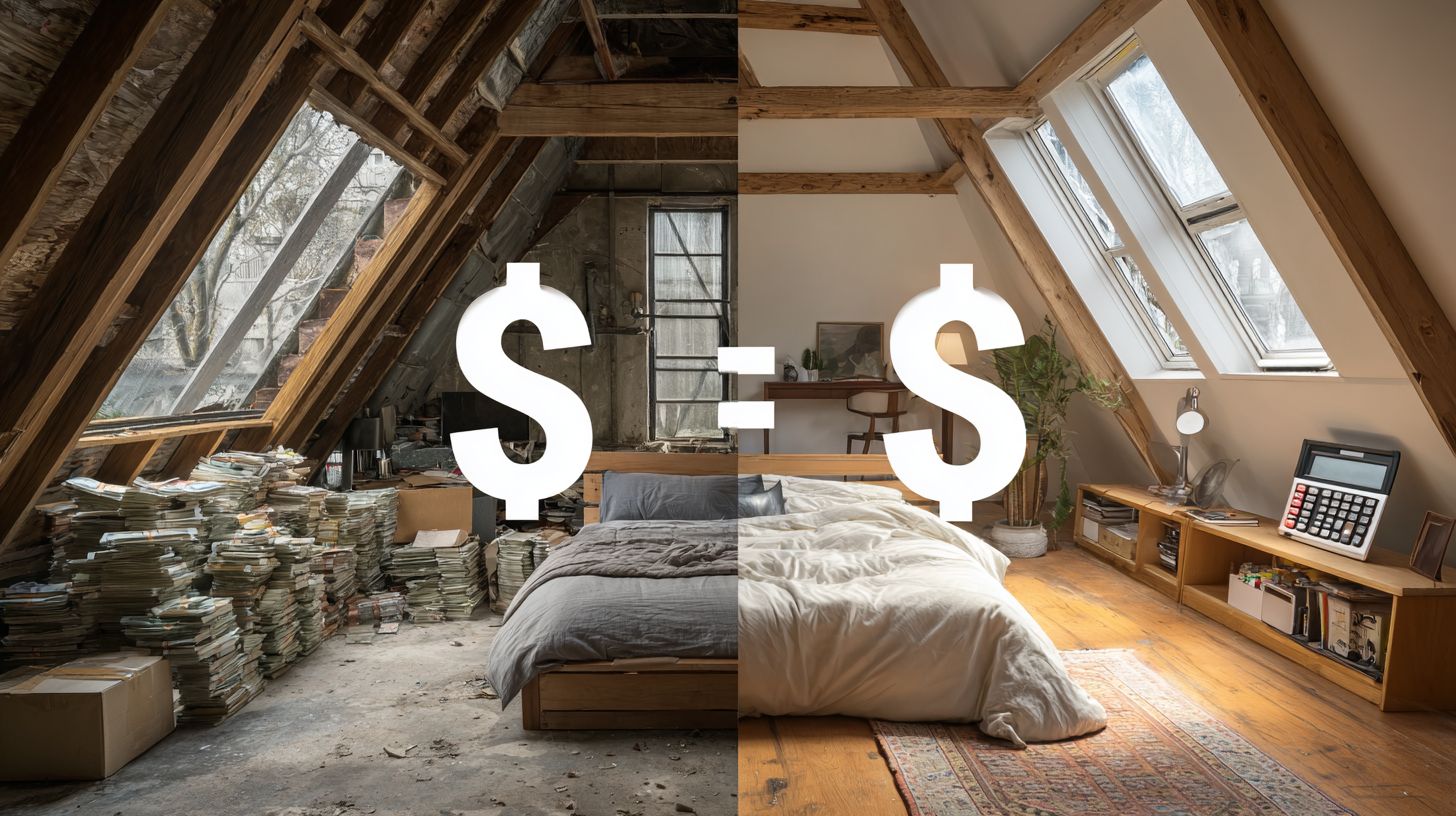
Loft conversions offer substantial financial benefits, as they typically increase UK property values by 15-25% on average, according to Nationwide’s 2022 House Price Index on post-Covid pandemic renovations, with strong investment return.
Increased Property Value
Adding a bedroom addition through a loft conversion or bathroom conversion can increase property value by £20,000 to £50,000 in suburban UK regions, with particularly significant benefits for bungalows, where extensions to roof height enhance views of garden space.
According to 2023 property market data, adding a bedroom yields a 21% uplift in property value, surpassing the 12% return from creating a home office, as Tania and Daniel experienced in their project. For example, a recent hip-to-gable loft conversion on a London bungalow generated an additional £35,000 in value by incorporating a spacious en-suite bedroom with garden views.
- To replicate such outcomes, commence with a structural feasibility assessment conducted by a RICS surveyor, at a cost of £500 to £1,000.
- Subsequently, secure building regulations approval and engage certified contractors for the project, which typically ranges from £30,000 to £50,000.
The return on investment remains robust: a £40,000 expenditure can produce a 1.5-fold return within five years, incorporating a 5% enhancement in rental yield attributable to the additional room.
Return on Investment
Loft conversions provide a return on investment (ROI) of 60-80% within 3-5 years, further augmented by improvements in energy efficiency and insulation benefits, such as a 20% reduction in heating bills achieved through the addition of insulation, particularly amid the post-Covid home improvement trend.
According to a 2023 industry report, an average loft conversion costing £25,000 generates a net return of £18,000 after accounting for expenses, including the increased value from additional floor space.
To optimise ROI, commence with a professional structural feasibility assessment (£500-£1,000), followed by the integration of R-38 insulation, which yields annual energy savings of £300.
In a practical example, a semi-detached property in Wales underwent a £30,000 loft conversion, such as a bungalow conversion, to include an ensuite bathroom, resulting in a £40,000 increase in property value and an immediate 33% ROI [calculated as (£40,000 – £30,000) / £30,000], supplemented by 5% annual appreciation attributable to the efficiency enhancements.
Professionals are encouraged to utilise online ROI calculators for accurate projections, while ensuring adherence to Building Regulations Part L, as outlined in the Conservation of fuel and power: Approved Document L from GOV.UK, concerning insulation standards.
Non-Financial Advantages
Along with their financial advantages, loft conversions significantly enhance quality of life by increasing natural light by 30% through the installation of roof lights and providing superior ventilation options in a modular loft. This transformation allows for the creation of adaptable living spaces, such as modular lofts tailored for remote working environments.
To fully capitalise on these improvements, it is advisable to evaluate the following three primary benefits:
- **Space Optimisation**: Incorporating an en suite bathroom into a 15 m² loft maximises privacy without necessitating extensive structural extensions, as evidenced by Royal Institute of British Architects (RIBA) research on efficient compact living solutions.
- **Family-Orientated Advantages**: Repurposing the loft as an additional bedroom can yield substantial cost savings, potentially up to £10,000, by eliminating the need for relocation and accommodating the evolving requirements of expanding households.
- **Health and Well-Being Enhancements**: Advanced ventilation systems can reduce moisture levels by 40%, thereby mitigating risks of dampness and associated respiratory conditions, in line with findings from the Building Research Establishment (BRE).
For optimal outcomes, it is recommended to install roof lights prior to applying insulation, thereby facilitating superior airflow throughout the construction process. While this approach may extend the project timeline by 2 to 3 days, it substantially contributes to enhanced long-term comfort and durability.
Potential Drawbacks
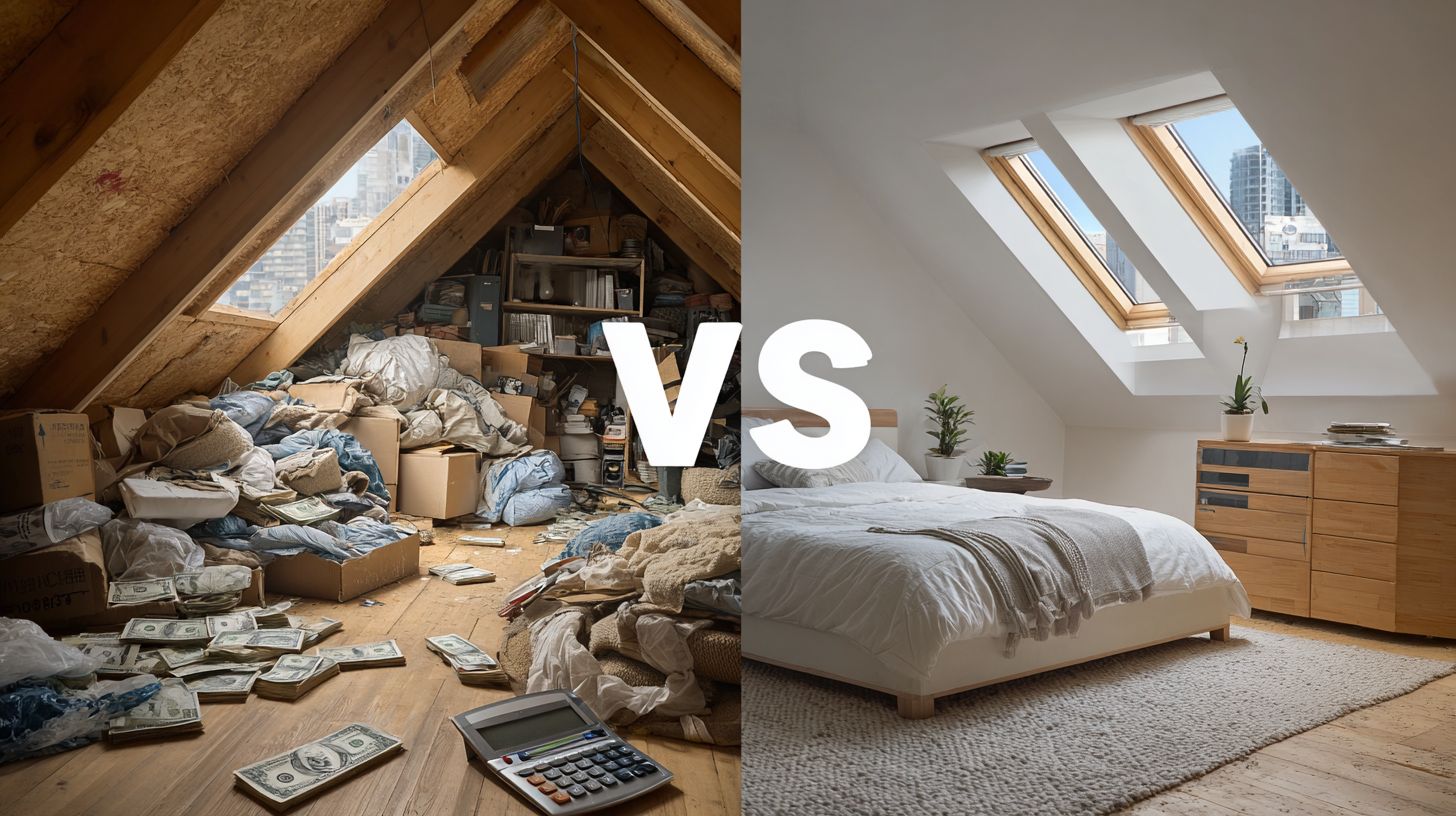
Although loft conversions offer significant advantages, they are not without their challenges. These include disruption from construction activities lasting between four and six weeks, as well as potential concerns from neighbours regarding noise, privacy, and compliance with the Party Wall Act 1996.
According to surveys by the Federation of Master Builders (FMB), such issues affect approximately 25% of loft conversion projects in London and the UK.
Hidden Costs and Risks
Hidden costs associated with loft conversions typically account for approximately 15% of the overall budget nationwide—for instance, £4,000 on a £30,000 project. These expenses often arise from unanticipated structural engineering fees related to truss modifications or the implementation of additional soundproofing measures.
To mitigate such costs, it is advisable to address potential issues proactively. 20% of loft conversion projects exceed initial estimates due to unforeseen challenges, including the following:
- Asbestos in roofs from the 1960s: Conduct testing through UKAS-accredited laboratories at a cost of £500; if asbestos is detected, engage specialist removal firms and incorporate this into your contingency planning to prevent delays exceeding £5,000.
- Weather-related delays: In regions such as Wales and the South West of England with frequent rainfall, anticipate extensions of up to two weeks; mitigate this through phased scheduling that prioritises indoor work and the use of weather-resistant materials, such as breathable membranes.
- Over-budget fittings: Custom staircases may incur additional costs of £2,000; obtain quotations from at least three builders registered with the Federation of Master Builders (FMB) and consider modular kits to maintain budgetary constraints.
It is recommended to allocate a 20% contingency buffer to manage these potential overruns effectively.
Key Factors to Consider
Critical factors for dormer feasibility include a minimum roof pitch angle of 35 degrees, along with a thorough assessment of truss section strength to accommodate bathroom conversions without requiring extensive reinforcements.
To evaluate these factors, adhere to the following specific practices:
- Measure head height using a digital inclinometer during the pre-planning phase (approximately 1 hour; tool cost: £50–£100). Ensure compliance with the 2.1-metre minimum stipulated by LABC and UK Building Regulations for habitable rooms.
- Engage a structural engineer for truss analysis during the early design stage (fee: £300–£600; turnaround: 2–4 weeks). Utilise software such as ETABS to model load-bearing capacity and mitigate the need for costly reinforcements.
- Evaluate the roof pitch angle employing CAD tools like AutoCAD during the design phase (1–2 days). Confirm adherence to the 35-degree threshold to facilitate effective water run-off.
Best practice: Conduct surveys during dry seasons to avoid delays, as precipitation may impair measurement accuracy. Refer to Approved Document A of the Building Regulations for established structural standards.
This methodology effectively reduces risks and promotes regulatory compliance.
Alternatives to Loft Conversions
For roofs that are unsuitable for conversion, alternative solutions such as garden room extensions—such as the £15,000 prefabricated structure installed by Tania and Daniel in England—provide comparable increases in usable space without the associated structural risks, while effectively reclaiming garden areas.
In comparison to traditional expansion methods, garden rooms offer a cost-effective and low-risk approach to property enlargement.
For example, they are approximately 30% less expensive than dormer conversions (£10,000–£20,000 versus £25,000 or more), can be installed within two weeks without requiring planning permission under permitted development regulations in England and Wales, and avoid the 10-week timelines and approval processes typically associated with dormer projects.
| Option | Cost | Install Time | Risks/Suitability |
|---|---|---|---|
| Garden Pods | £10k–£20k | 2 weeks | No planning required; reclaims garden space |
| Basement (vs Mansard) | £30k+ | 3–6 months | High flood risk (per Environment Agency and Natural Resources Wales); suitable for listed buildings |
| Side Returns | £25k | 4–8 weeks | Ideal for terraced homes; may disrupt kitchen usage |
In a case study from England, Daniel’s garden office extension achieved a 50% return on investment within 18 months—faster than typical loft conversions—according to Royal Institute of British Architects (RIBA) analyses.
Frequently Asked Questions
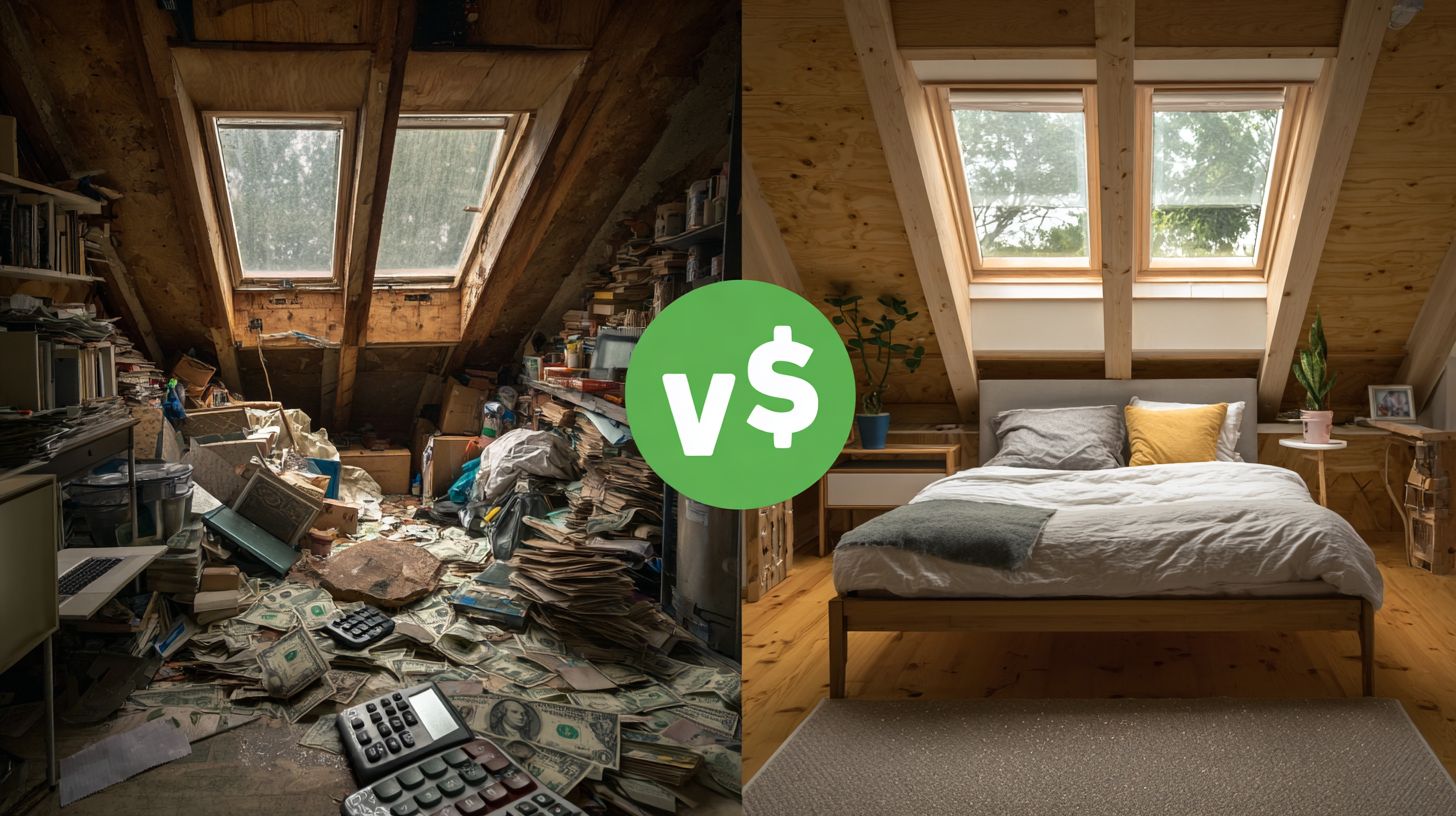
Are loft conversions worth the money?
Yes, loft conversions are often worth the money because they can increase your home’s value by 15-20% on average, providing extra living space without the need to move. The return on investment depends on factors like location and quality, but for many homeowners, the added usability and property appreciation make it a smart financial choice.
What factors determine if loft conversions are worth the money?
When considering if loft conversions are worth the money, key factors include your home’s structure (e.g., roof pitch and beam support), local planning permissions, and budget. A well-planned conversion can yield high returns by maximising space, but poor execution might lead to costly repairs, so consulting professionals is essential.
How much does a loft conversion cost, and is it worth the money?
A typical loft conversion costs between £20,000 and £50,000 in England and Wales, depending on size and complexity. It’s worth the money if it adds equivalent or greater value to your property—often up to £60,000—while avoiding relocation expenses, making it a cost-effective way to enhance your living space long-term.
Do loft conversions increase property value enough to be worth the money?
Loft conversions are generally worth the money as they can boost property value by 10-25%, according to estate agents. This added worth comes from the extra bedroom or office space, appealing to buyers in high-demand areas, though the exact increase varies by market conditions and conversion quality.
Are loft conversions worth the money compared to buying a larger house?
Absolutely, loft conversions are often worth the money over purchasing a larger house, which could cost an additional £100,000 or more in stamp duty and moving fees. By converting your existing loft, you gain space affordably while staying in a familiar neighborhood, potentially recouping costs through higher resale value.
What are the long-term benefits that make loft conversions worth the money?
Loft conversions prove worth the money through long-term benefits like increased home functionality, reduced energy bills with proper insulation, and flexibility for future needs (e.g., home office or guest room). Over time, these enhancements not only improve quality of life but also provide substantial equity growth upon selling.