
Dreaming of transforming your unused loft into a valuable living space? A successful loft conversion hinges on key factors like adequate head height, suitable roof pitch, and adherence to building regulations and planning permission. This guide walks you through assessing structural integrity, space viability, access needs, and legal hurdles—drawing on RIBA standards—to help you determine if your loft is conversion-ready without costly surprises.
Key Takeaways:
Understanding Loft Conversions
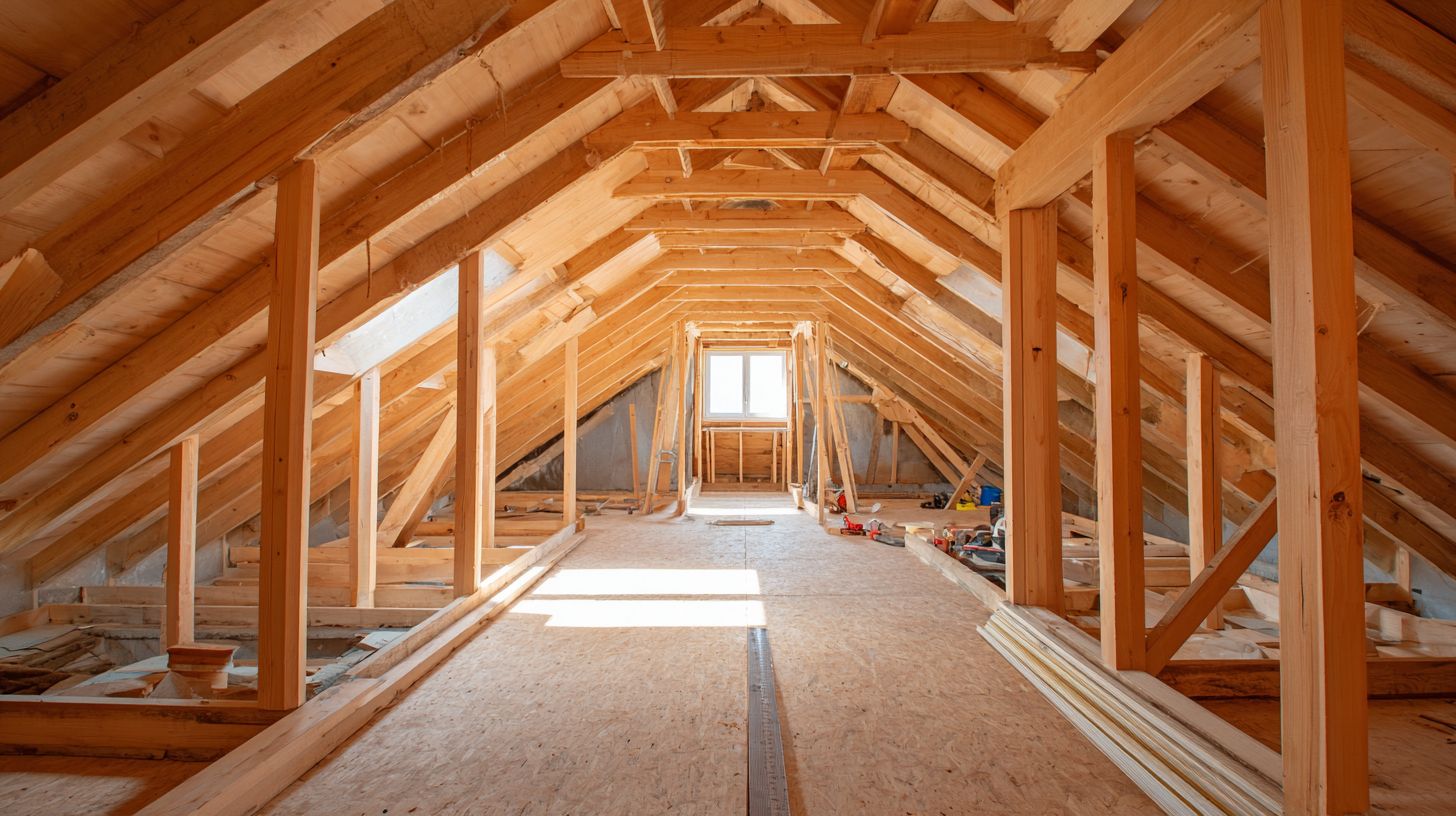
According to Nationwide’s 2023 housing report, loft conversions can enhance property value by up to 20 per cent by transforming underutilised attic spaces into practical areas, such as home offices or additional bedrooms, particularly in London properties.
Among the most prevalent options are dormer conversions, which provide increased headroom and functional space through rear or side extensions with dormer window or roof light installations, and mansard conversions, which involve constructing a new sloped roof to accommodate steep pitches, making them particularly suitable for Victorian homes.
These conversions hold significant appeal in the real estate sector due to their capacity to maximise usable space without expanding the property’s footprint. The Federation of Master Builders (FMB) reports that approximately 15,000 such projects are undertaken annually across the United Kingdom.
To commence a loft conversion, it is essential to consult local building regulations and develop loft conversion plans and drawings by engaging a construction manager or master builder accredited by the Federation of Master Builders (FMB) to guarantee compliance and high-quality execution.
Assessing Structural Suitability
Before initiating a loft conversion project, it is essential to engage a qualified structural engineer to assess the roof structure of your property, including the water tank and chimney stack. This step is critical, as approximately 70% of modern homes in the UK incorporate trussed roofs, which typically require structural reinforcement in accordance with the guidelines established by the Federation of Master Builders (FMB).
Roof and Truss Design
Most homes in the United Kingdom constructed after the 1960s feature trussed roofs with a pitch ranging from 30 to 45 degrees, which significantly restricts the feasibility of loft conversions without structural modifications, such as hip-to-gable alterations or hip gable extensions with flat roof options.
In comparison, pre-1960s cut roofs are structurally simpler, incorporating load-bearing walls that facilitate more straightforward conversions, with associated costs typically ranging from £2,000 to £5,000. For trussed roofs, however, the insertion of a steel ridge beam is required to provide adequate structural support, entailing costs between £5,000 and £10,000.
To evaluate the configuration of your roof, please adhere to the following steps:
- Utilise a free Clinometer application to measure the roof pitch and confirm whether it falls within the 30-45° range;
- Examine the truss webbing to identify load paths, and refrain from making any cuts without prior approval from a qualified structural engineer;
- Verify your Permitted Development rights, which allow for an increase of up to 50m³ in volume for terraced homes (as outlined on the Planning Portal).
For properties with shared walls, it is imperative to comply with the party wall agreement provisions of the Party Wall Act 1996.
In a recent project undertaken by Luca, reinforcement of a trussed roof enabled the safe addition of a dormer with natural light and ventilation system, thereby increasing usable space by 15m².
Floor Load-Bearing Capacity
Existing floor joists in lofts typically provide support for only 25 kg/m², which falls considerably short of the 150 kg/m² imposed load required for habitable rooms
To assess and upgrade these structures safely, the following steps are recommended:
- 1. Begin by inspecting the joist spacing (ideally at 400 mm centres) and depth (150-200 mm to ensure sufficient strength). Access the loft and use a tape measure to conduct these measurements, while also checking for signs of sagging or cracks.
- 2. Engage a qualified structural engineer to perform finite element analysis using ETABS software; the cost for a standard session is approximately £500.
- 3. The engineer will determine the required upgrades, such as reinforcing the joists by doubling them with 50×150 mm timber, at an estimated total cost of £2,000-£4,000.
- 4. Ensure that point loads from staircases are not overlooked; consult TRADA span tables for appropriate guidance.
Wall and Support Integrity
Party walls in semi-detached house properties are required to bear additional loft loads, which frequently necessitates notifications pursuant to the Party Wall Act 1996 to mitigate potential disputes, particularly for legal owner, leaseholder, or freeholder considerations.
To maintain structural integrity and provide foundation support, masonry walls should be evaluated for compressive strength, with a minimum target of 3.5 N/mm² in accordance with BS EN 1996. The following numbered steps are recommended for conducting this assessment:
- Perform a tap test or use a rebound hammer to evaluate surface integrity and identify any cracks or structural weaknesses.
- Install temporary props during construction activities (estimated setup cost: £1,000) to provide support to the wall and prevent any displacement under applied loads.
- For assessing foundation stability, it is advisable to commission ground-penetrating radar (GPR) surveys (costing approximately £800) to detect potential risks of subsidence.
A case study involving a terraced property demonstrated that appropriate wall reinforcement prevented significant damages, in full compliance with the requirements of Building Regulations Approved Document A.
Evaluating Space Dimensions
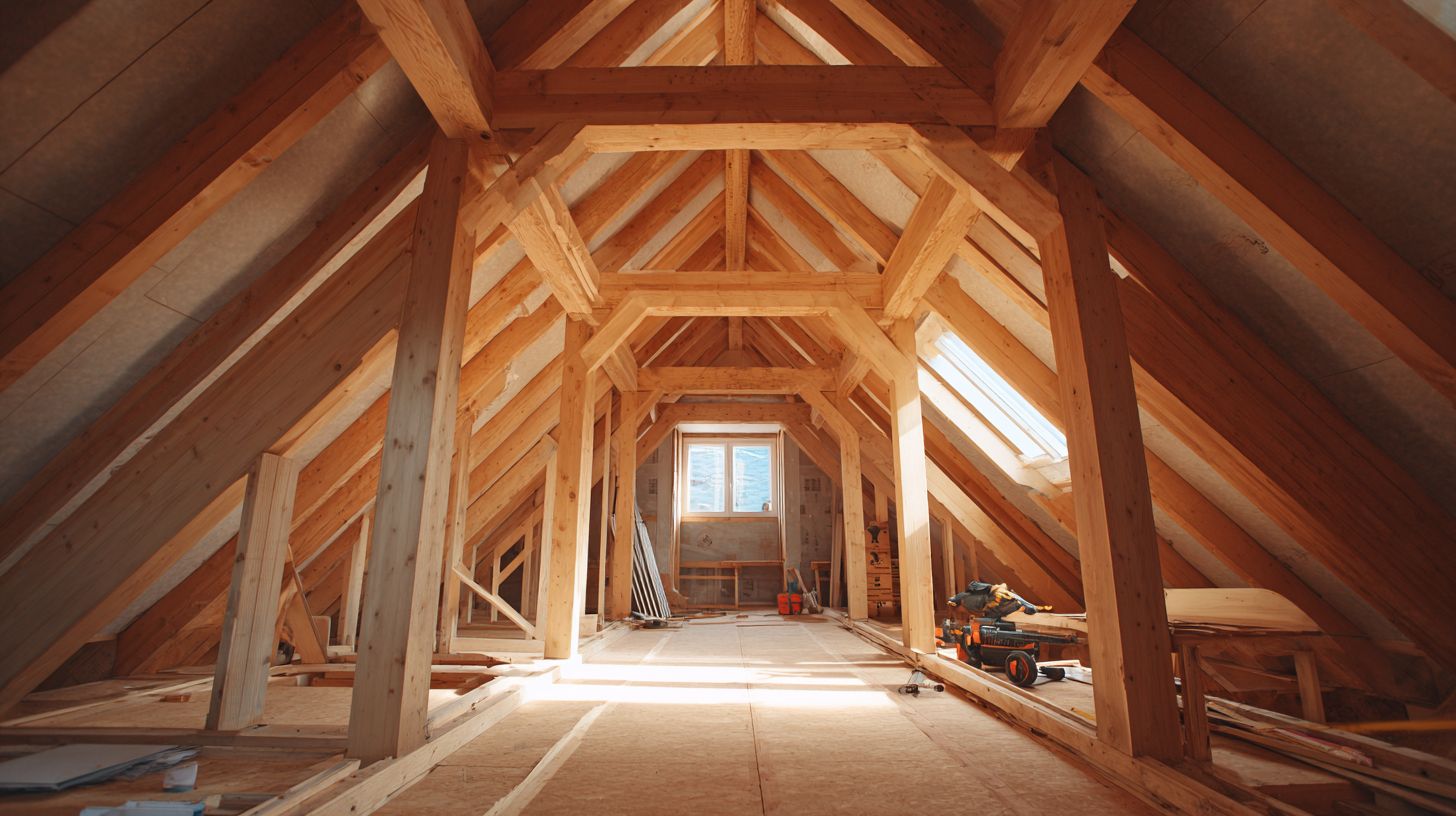
To comply with established habitability standards, optimal loft dimensions must provide sufficient usable floor space, often enhancing property value in terraced property or conservation area settings. Implement these standards effectively by developing detailed loft conversion plans and drawings that align with regulatory requirements. A 2022 study published in Applied Geography on the conversion of buildings to housing use in England highlights how such conversions can significantly boost usability and market appeal.
Headroom and Height Requirements
Guidance from Building Regulations suggests a minimum head height of 2.0 metres should be maintained over at least 50% of the floor area. This requirement is often challenging to meet in roofs with pitches below 35 degrees unless dormer windows are incorporated, or alternative modular loft solutions are considered.
To achieve compliance, dormer windows should be installed in a strategic manner. The following steps are advised:
- Measure the distance from the ridge to the floor using a laser distance meter, with a target height of 2.2 metres at the centre to ensure practical usability;
- Determine the knee wall height (maximum 900 mm) and position the dormers to encompass 50% of the floor area, while excluding sloped sections below 1.5 metres;
- Verify that the eaves clearance complies with the minimum requirement of 1.5 metres.
These measures help prevent falls and improve usability. The addition of a rear dormer can increase headroom significantly and improve overall usability, according to guidance.
Usable Floor Area
The usable floor area excludes spaces with a height of less than 1.5 metres, which typically restricts the efficiency of standard loft conversions to 50-60% without modifications such as L-shaped dormer designs.
To optimise efficiency, implement the following recommended procedures:
- Design the layout using design software such as AutoCAD (approximately £300 per year) to clearly define usable zones and ensure compliance with headroom requirements.
- Allocate 7% of the space for circulation in accordance with Royal Institute of British Architects (RIBA) guidelines, thereby maintaining adequate flow in constrained areas.
- Evaluate mansard roof conversions, which can yield a 20-30% increase in usable area at a cost of £15,000-£25,000, particularly suitable for properties with sloping roofs.
It is advisable to target a minimum of 15-20 m² per bedroom to satisfy habitability standards. A 2020 study by University College London (UCL) on space optimisation in conservation areas demonstrates the value-enhancing potential of such modifications; for example, a semi-detached house in London achieved an additional 25 m², enabling conversion to a functional home office and adding £20,000 to its market value.
Checking Access and Egress
When planning access and egress for a loft conversion in a London property, consider staircase access, fire safety measures, and obtaining a completion certificate within the project timeline, including a detailed cost breakdown for permitted development rights in semi-detached house or terraced property settings, especially under party wall agreement for shared structures like cut roof or trussed roof in a mansard loft or hip to gable conversion, as per Nationwide insights and the Party Wall Act 1996.
Ensuring effective access and egress is paramount in loft conversions such as L-shaped dormer projects, as 80% of such projects require the installation of new staircases that comply with Building Regulations Part K. These stair requirements are similar to those in other home adaptations like garage conversions, which also emphasize planning, regulations, and build details for safety. For context, a simplified guide on Scribd explores key aspects of these regulations, including stairs and roof compliance. This compliance facilitates safe evacuation within 30 seconds, thereby prioritising occupant safety and regulatory adherence for creating an extra bedroom.
Staircase Feasibility
Staircases are required to conform to a footprint of 900 mm x 2200 mm, which frequently necessitates modifications to floor joists in trussed roofs to accommodate a 42-degree pitch.
To execute these modifications in a safe and compliant manner, adhere to the following procedure:
- Engage a qualified structural engineer to assess the integrity of the trusses, with associated costs ranging from £400 to £600, and secure approval in accordance with Building Regulations Part A.
- Erect temporary steel supports, such as Acrow props priced at approximately £20 each, to bear the load of the roof. Proceed to sever the joists using a reciprocating saw, and subsequently reinforce the resulting openings with rolled steel joists (RSJs) of 150 x 75 mm section.
- Incorporate the staircase design utilising specialised CAD software (licence fee of approximately £500), to achieve a precise 42-degree pitch configuration (with a rise of 190 mm and going of 250 mm). This integration process generally requires 3 to 5 days and incurs additional expenses of £2,500 to £4,000.
A study conducted by the Building Research Establishment (BRE) on retrofitting projects nationwide in the United Kingdom underscores that appropriate reinforcement measures can prevent up to 15% of structural failures.
It is imperative to refrain from do-it-yourself approaches to ensure full compliance with Approved Document A.
Escape Routes and Safety
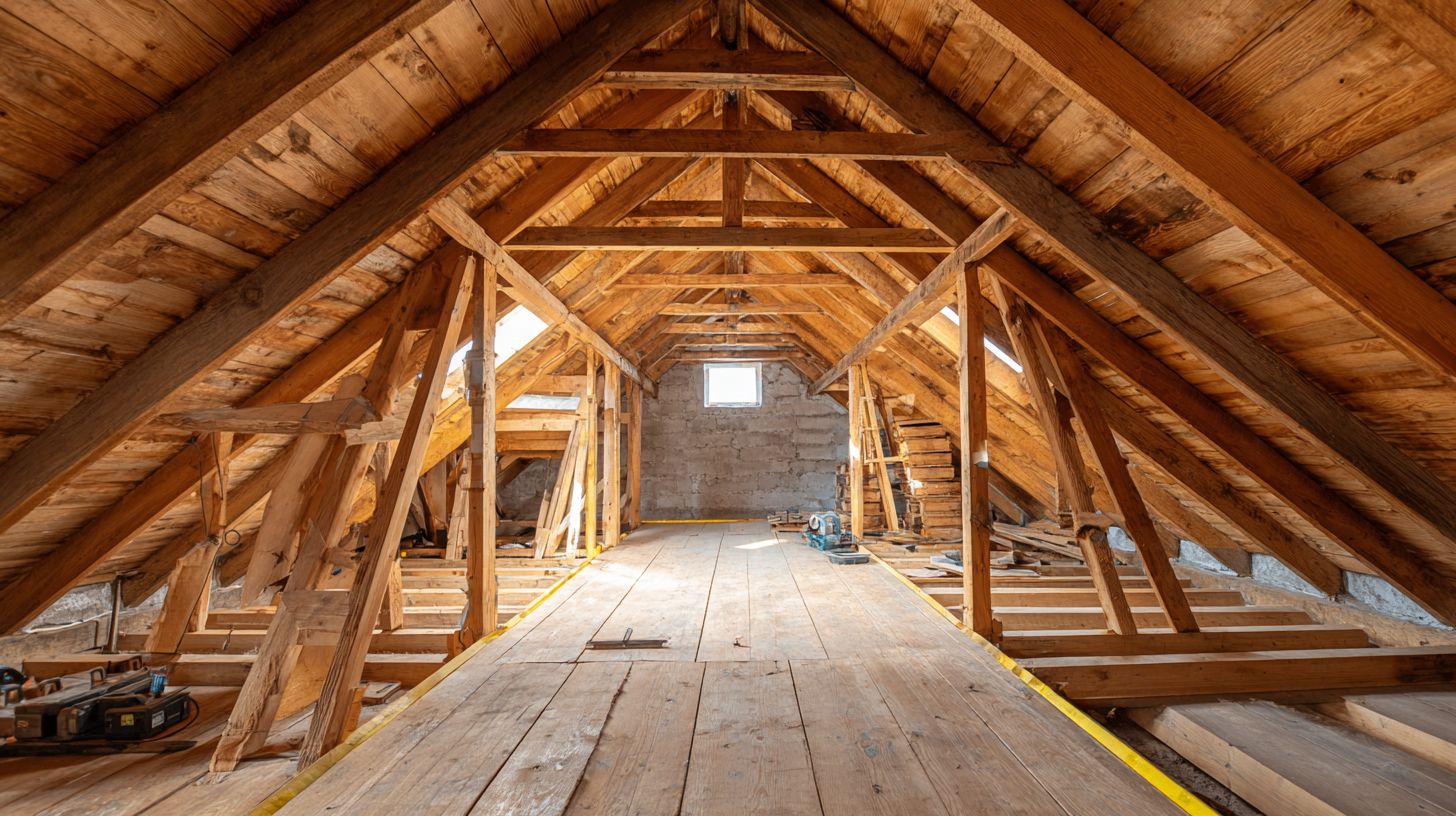
Escape routes in lofts exceeding 4.4 metres in height must incorporate two means of escape, featuring fire-resistant doors (FD30s) and natural illumination through roof lights to ensure adequate visibility.
Frequently encountered challenges include lofts with single points of access, which can be resolved by installing escape windows providing a minimum clear opening of 0.33 m² (approximately £1,500 for installation). Inadequate ventilation may be rectified through the implementation of mechanical ventilation systems, such as mechanical ventilation fans (approximately £400), to achieve compliance with Part F of the Building Regulations.
To address these requirements, the following steps should be undertaken:
- Map escape routes to maintain a minimum width of 1 metre from bedrooms to the primary exit;
- Verify the proper integration and functionality of interconnected smoke alarms.
These provisions are mandated by Building Regulations Part B to enhance fire safety. This is corroborated by a 2019 BRE report, which indicates a 30% reduction in loft fire risks through such measures.
For instance, Luca, a leaseholder of a London property, attained full compliance within four weeks by implementing targeted upgrades.
Reviewing Legal Permissions
Under permitted development rights, semi-detached houses may extend by up to 40 cubic metres without requiring planning permission. However, party wall agreements are required for approximately 90% of shared structures in accordance with the Party Wall etc. Act 1996.
To obtain such an agreement, follow these procedural steps:
- Serve a Party Wall Notice on the adjoining owner at least two months prior to commencing works. Free templates are available for download from the Royal Institution of Chartered Surveyors (RICS) website; the notice must specify the affected shared wall or boundary line.
- If consent is granted, obtain it in writing. If there is dissent, independent surveyors must be appointed (with costs estimated at £1,000–£2,500 by the RICS) to prepare a Party Wall Award that delineates necessary protections— our architectural services offer tailored support for navigating this process effectively.
- For excavations within 3 metres of the adjoining property that extend deeper than existing foundations, serve a separate notice at least one month in advance.
A frequent oversight involves leaseholders failing to secure prior approval from the freeholder, which can result in injunctions. For instance, a 2022 High Court case in London halted a £200,000 extension for six months, leading to project delays and cost increases of up to 20%.
Inspecting Utilities and Insulation
Loft inspections frequently uncover utilities-related issues in 40% of cases, including the relocation of water tanks (approximately £2,000) and the verification that insulation meets the U-value requirement of below 0.16 W/m²K, as stipulated by Building Regulations Part L.
Additional prevalent challenges encompass the relocation of chimney stacks, which necessitates an initial asbestos survey (approximately £300, conducted by an HSE-approved firm) to ensure adherence to safety regulations. For enhancing insulation, it is advisable to transition to rigid polyisocyanurate (PIR) boards, such as Celotex (approximately £20/m²), which provide superior thermal performance.
To achieve optimal results, adhere to the following structured approach:
- Perform a thermal imaging scan utilising a FLIR One attachment (approximately £200) to identify any insulation gaps;
- Install mechanical ventilation with heat recovery (MVHR) systems, such as those from Nibe (approximately £3,000), to improve energy efficiency;
- Apply waterproof epoxy coatings to the flooring to achieve waterproof flooring (approximately £5/m²).
According to a 2023 study by the Energy Saving Trust, loft conversions can yield up to 25% savings in energy consumption following implementation. Furthermore, the Federation of Master Builders (FMB) highlights a modular loft conversion example that requires a 6-week timeline and incurs a total cost of approximately £30,000.
Frequently Asked Questions
How to tell if your loft can be converted? Check the head height first
To determine how to tell if your loft can be converted, start by measuring the head height. You typically need at least 2.2 metres of clear height from the floor to the highest point of the roof. If it’s below this, structural changes like raising the roof may be required, making conversion more complex and costly.
How to tell if your loft can be converted? Assess the roof structure
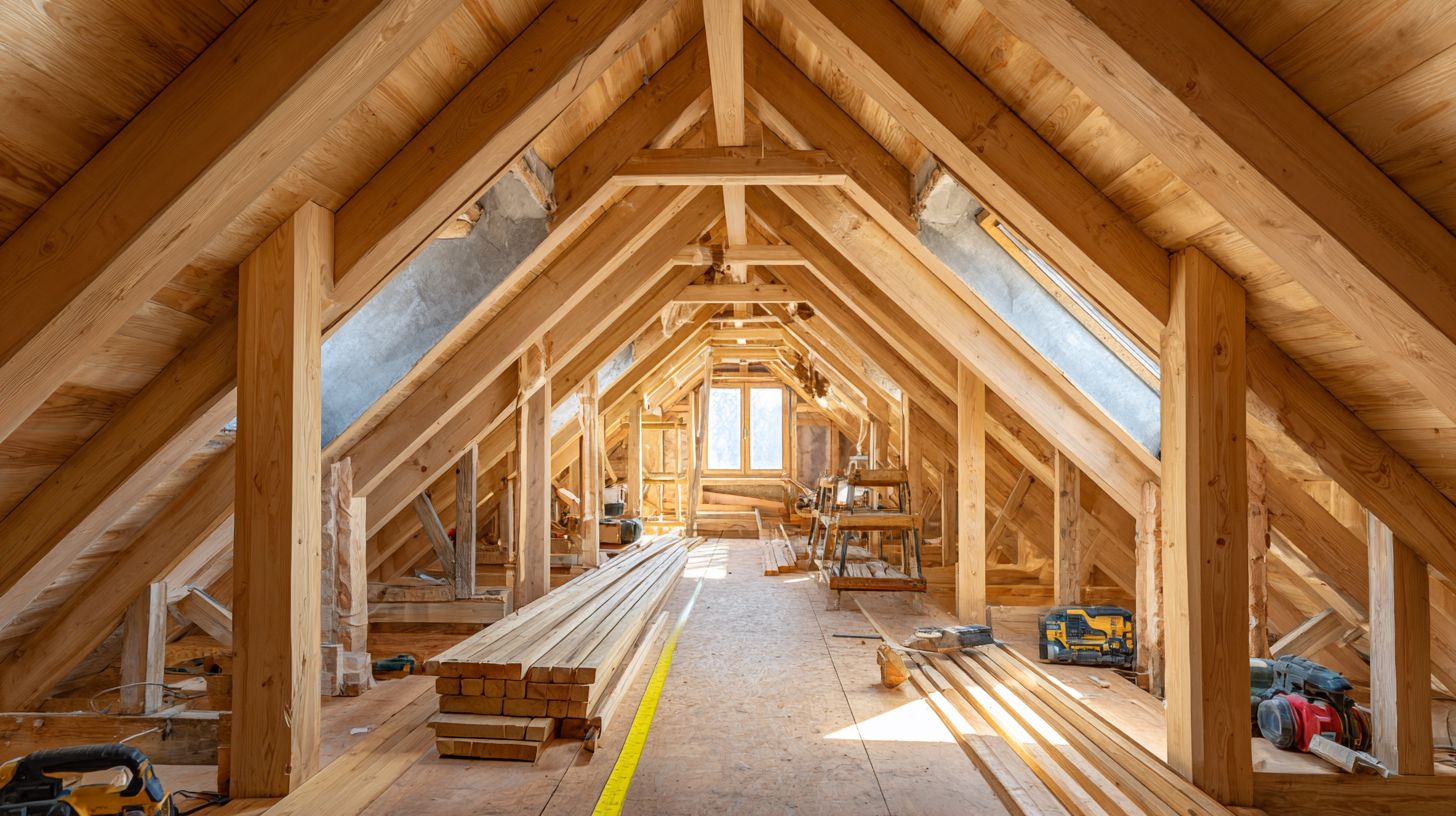
A key step in how to tell if your loft can be converted is evaluating the roof structure. Traditional cut roofs are easier to work with than trussed roofs, which support the weight and may need reinforcement or redesign to create usable space without compromising stability.
How to tell if your loft can be converted? Evaluate access and staircases
When figuring out how to tell if your loft can be converted, consider access points. You’ll need space for a compliant staircase, which often requires modifications to the existing floor below. Insufficient space or awkward layouts can make conversion impractical without major alterations.
How to tell if your loft can be converted? Review planning permissions
Understanding how to tell if your loft can be converted involves checking local planning permissions. While many conversions fall under permitted development rights in the UK, factors like extending beyond certain limits, being in a conservation area, or affecting a listed building may require council approval to proceed legally.
How to tell if your loft can be converted? Inspect for structural issues
To learn how to tell if your loft can be converted, inspect for structural issues such as joist strength and load-bearing walls. Weak floors may need reinforcing to support additional weight from extra bedrooms or ensuite bathrooms, and a professional survey can identify any subsidence or damp problems early.
How to tell if your loft can be converted? Consider utilities and insulation
A practical way to approach how to tell if your loft can be converted is to check utilities and insulation. Ensure there’s feasible access for plumbing, electrics, and heating, plus adequate insulation to meet building regulations for energy efficiency—outdated setups might demand costly upgrades.