
Key Takeaways:
- The average cost of a garage conversion in the UK ranges from £10,000 to £25,000, depending on size and complexity, with basic single-car conversions around £12,000 and more elaborate ones exceeding £20,000.
- Key factors influencing costs include garage size, location (higher in London), and material quality; structural work and insulation often account for 40-50% of the total budget.
- Budget for hidden expenses like planning permissions (£200-£500) and electrical upgrades; save by choosing DIY elements or energy-efficient materials to keep costs under £15,000.
Benefits of Converting a Garage
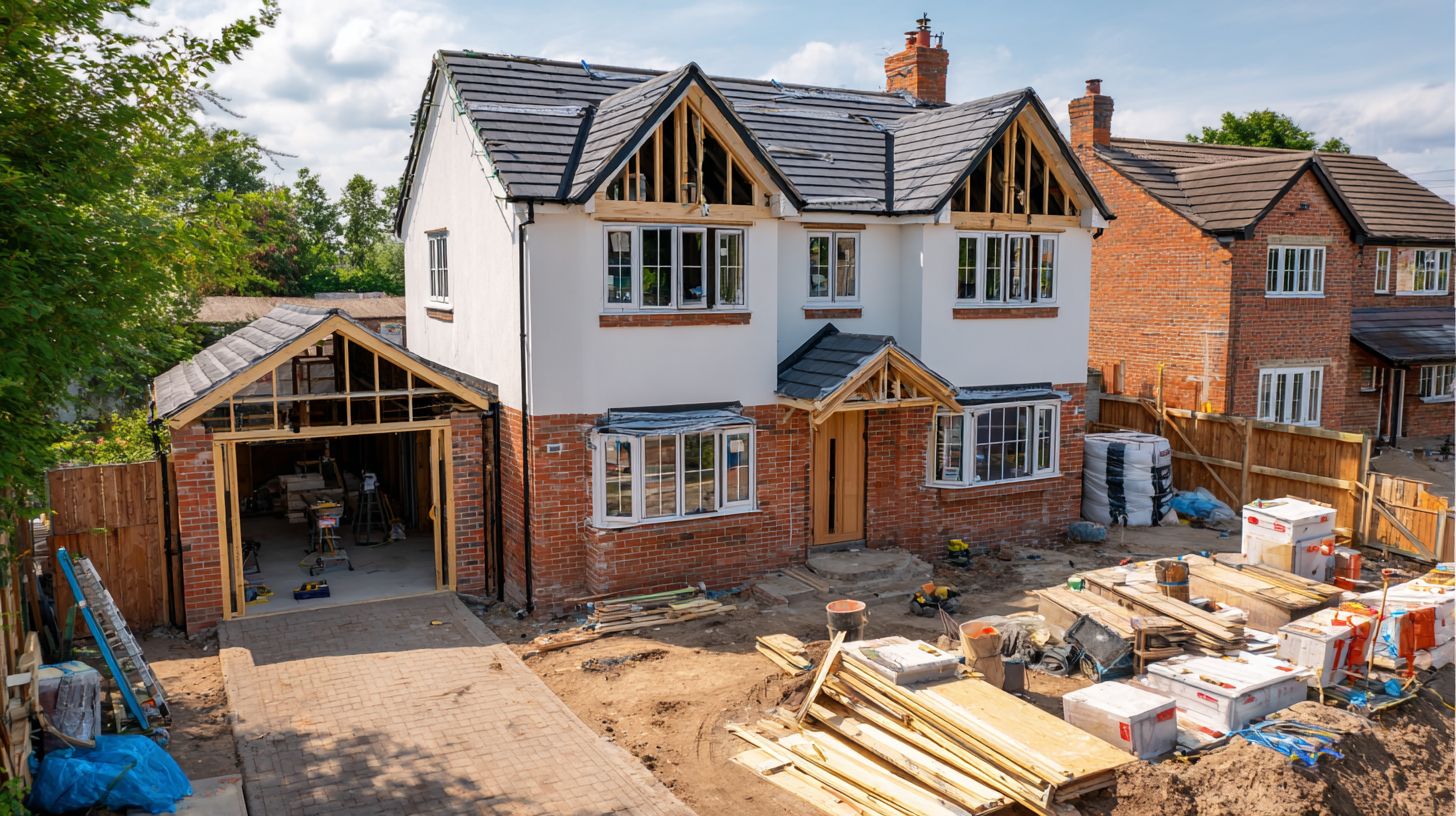
Converting a garage into usable living space can increase property value by as much as 20%.
Value increases ranging from 10% to 25% are typical for conversions into bedrooms.
To realise tangible benefits, one practical option is to repurpose the garage as a home office. This aligns with findings from the Office for National Statistics, which notes that remote workers frequently experience an annual productivity gain of £5,000 due to the elimination of commuting expenses.
As an alternative, establishing a home gym can yield annual savings of £600 on membership fees, with a return on investment typically achieved within two years. This can be accomplished with essential equipment, such as adjustable benches costing £200 and protective mats at £50.
For illustrative purposes, consider a £20,000 garage conversion project. It may generate a £4,000 increase in property value, along with £300 in annual utility savings, enabling cost recovery within 4 to 5 years while simultaneously improving quality of life.
Related insight: [Bungalow Extension](https://www.survdesign.co.uk/architectural-services/extension-plans/bungalow-extension/)
Key Factors Influencing Costs
The costs associated with converting a garage in the United Kingdom typically range from £10,000 to £50,000, influenced by variables such as the size of the garage, its regional location, and the selection of materials, including insulation costs and flooring options. Labour expenses account for approximately 40-50% of the overall project budget.
Garage Size and Layout
The conversion of a standard single integral garage or attached garage, measuring approximately 15 square metres, typically ranges from £12,000 to £18,000. In contrast, converting a double garage or detached garage doubles this cost to £24,000 to £36,000, owing to the need for more extensive load-bearing assessments and layout modifications.
For single garages, partial conversions—such as the addition of insulation and electrical systems—can reduce material costs by up to 20 per cent, making them particularly suitable for bedroom conversion or bathroom conversion, creating a compact home office equipped with built-in shelving. Double garages, on the other hand, lend themselves well to zoned layouts; for example, one area could be designated for a home gym featuring rubber flooring and mirrors, while the other serves as storage space for garden space.
It is essential to engage the services of a structural engineer or architect, at an approximate fee of £500 for architect fees, to evaluate load-bearing walls and ensure structural stability, thereby avoid the expense of subsequent reinforcements. Approximately 60 per cent of such projects incorporate layout alterations, which can incur additional costs ranging from £2,000 to £5,000.
To commence the planning process, utilise free design software to draft preliminary designs and accurately visualise associated expenses.
Location in the UK
In London, the average cost for garage conversions ranges from £25,000 to £40,000, reflecting the London premium of a 30% increase on labour and materials compared to £15,000 to £25,000 in northern regions of the UK.
Costs in rural UK areas are typically 25% lower than in London suburbs; however, they may increase in conservation area or conservation zones, where special permissions are often required, adding £2,000 to £5,000 for necessary surveys.
For example, converting a garage in a listed buildings in London generally incurs an additional £3,000 to ensure compliance with heritage requirements, as outlined in Historic England’s guidelines, potentially extending to a rear extension or kitchen extension.
The Federation of Master Builders’ 2023 study indicates a 40% increase in urban conversion costs compared to suburban areas, primarily attributable to access difficulties and stricter regulatory demands.
To develop an accurate budget, consult Gov.uk for local council planning fees—standard householder applications at £258 in England—and obtain tailored estimates from at least three certified builders through the Federation of Master Builders directory.
Design and Material Quality
Selecting premium materials, such as oak flooring at £50 per square metre and double glazing with the glazing amount of 20% additional glazing for window fitting, may increase overall costs by £5,000 to £8,000. However, these choices enhance durability by 15 to 20 years, including options for door replacement.
Such investments typically yield superior long-term value compared to more basic alternatives. For example, laminate flooring at £20 per square metre facilitates rapid installation but deteriorates more quickly, with a lifespan of only 10 to 15 years.
Engineered wood, priced at £35 per square metre, provides a balanced option with improved stability, particularly for underfloor heating systems that add £2,000 to £4,000 to the budget.
Surveys indicate that premium finishes can elevate a property’s market appeal by 15%, enabling cost recovery upon sale. For effective project planning, it is advisable to consult a quantity surveyor through the Royal Institution of Chartered Surveyors (RICS) to obtain precise quotations.
Experts recommend allocating a 10-15% budget contingency to avert overruns, thereby upholding quality without compromising financial stability.
”’Detailed Cost Breakdown”’
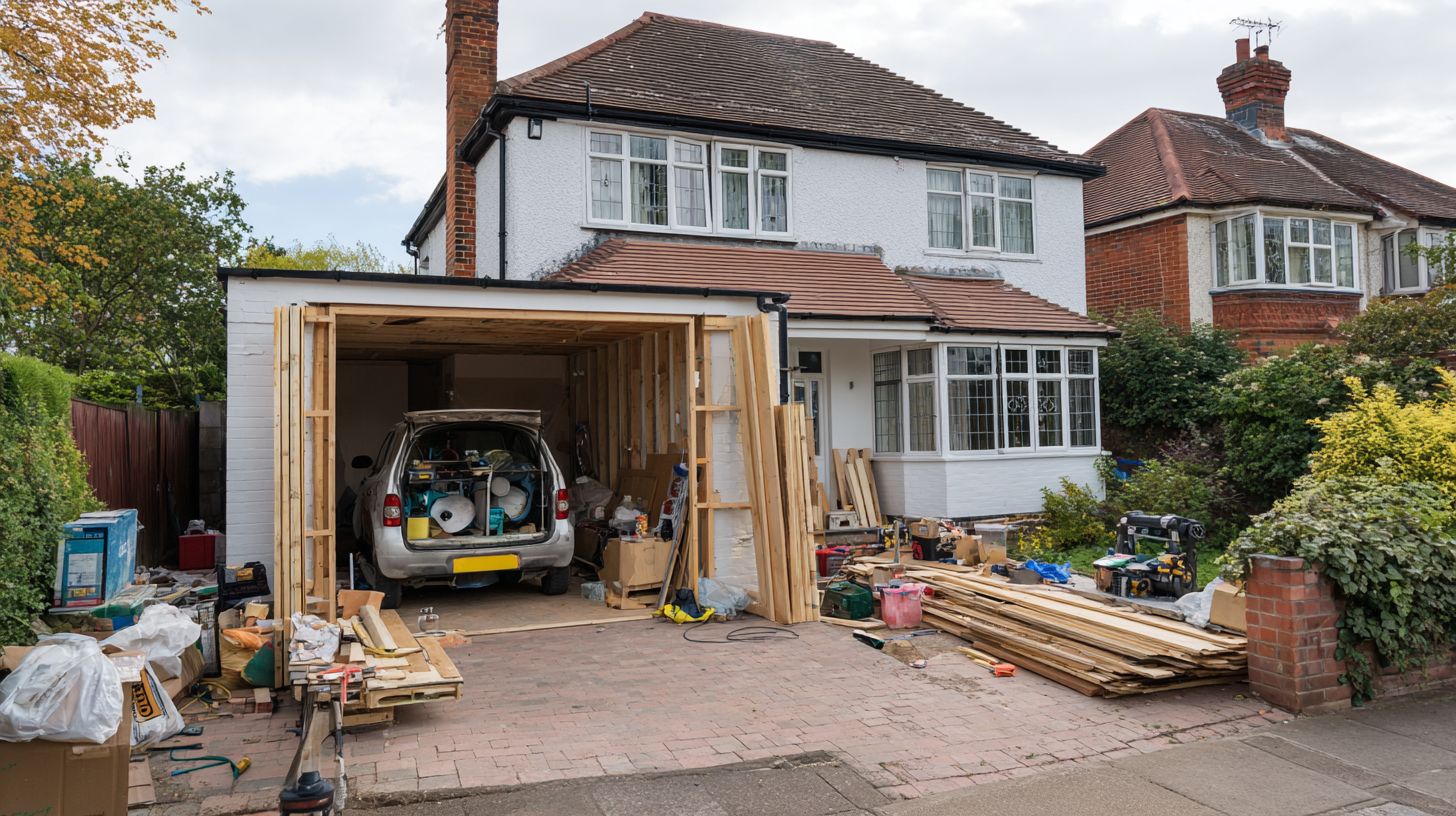
A standard garage conversion in the United Kingdom typically allocates 25% of the budget to structural work, 30% to utilities for utility installation, and 45% to finishing elements, resulting in total costs ranging from £15,000 to £30,000, as per 2023 averages.
”’Structural and Demolition Work”’
Structural engineering tasks, which encompass engaging a structural engineer for load-bearing evaluations (costing £800–£1,500) and party wall agreement, typically range from £4,000 to £8,000 in total. In properties with shared walls, additional expenses for party wall agreements amount to £700–£1,000, under permitted development rights.
To implement these works efficiently, adhere to the following structured process:
- Perform an engineering survey (lasting 1–2 days and costing £500 or more), utilising software such as AutoCAD for accurate design documentation (£1,200 annually).
- Remove concrete base (£1,000), while strictly adhering to fire safety and ventilation standards regulations.
- Erect stud walls and apply damp-proof membranes (£2,000–£3,000).
The overall project duration is estimated at 1–2 weeks.
A frequent oversight involves bypassing party wall agreements, which can precipitate legal disputes pursuant to the Party Wall etc. Act 1996.
In a notable case study, a £6,000 intervention for structural reinforcement averted a potential collapse, thereby preserving the development and underscoring the value of proactive assessments.
Electrical, Plumbing, and Heating
The costs associated with electrical and plumbing installations typically range from £3,000 to £6,000, including electrical wiring. Electrician fees are generally £40 to £60 per hour, while plumber rates range from £50 to £70 per hour, covering tasks such as wiring, gas piping, and water supply configurations, with plastering expenses for finishing.
To manage these costs effectively, adhere to the following structured approach:
- Conduct a comprehensive site survey, costing £200 to £300, to evaluate wiring requirements in accordance with BS 7671 standards. This ensures regulatory compliance and helps avoid fines exceeding £500 for rework under Building Regulations Part P.
- Engage NICEIC-registered electricians for secure installations, such as adding sockets, which may cost £1,000 to £2,000 and require 2 to 3 days. Use professional testing equipment, such as Fluke multimeters (approximately £300), to verify installations.
- For plumbing works, install gas piping or water supply lines, with costs ranging from £1,500 to £3,000 and durations of 3 to 5 days. Incorporate pressure gauges to satisfy the sanitation requirements outlined in Part G of the Building Regulations.
In a practical example, a kitchen refit in London may total £4,500, inclusive of necessary permits. It is advisable to allocate an additional 20% to the budget to accommodate unforeseen issues, such as the need for pipe rerouting.
Insulation, Windows, and Finishing
The total cost for insulation and finishing elements ranges from £5,000 to £10,000, including double-glazed window installations at £2,500 to £4,000 and plastering at £1,500 to £2,500 for a standard 15 square metre space.
To optimise costs, adhere to the following structured approach:
- Install cavity wall insulation (£1,000 to £2,000 in labour costs, requiring 2 days of labour), utilising materials such as mineral wool to achieve optimal thermal resistance.
- Replace doors with double-glazed units (£3,000 total), selecting A-rated energy-efficient models from reputable suppliers such as Everest.
- Incorporate laminate flooring (£800) and finalise plastering works.
It is advisable to mitigate common issues, such as inadequate ventilation leading to dampness, by installing damp proof courses and allocating £500 for extractor fans. According to UK Building Regulations Part L, these enhancements can reduce energy bills by up to 20%.
A case study presented by Tim Phillips at the Homebuilding & Renovating Show demonstrated that £7,000 invested in finishing works improved efficiency by 25% in comparable spaces.
Average Overall Costs
According to a 2024 survey conducted by myjobquote.co.uk, which analysed 1,200 projects, the average cost for converting a single integral garage in the UK ranges from £15,000 to £25,000. This figure increases to over £30,000 for double garage bathroom conversions.
| Conversion Type | Average Cost | Size Range | Key Add-ons | Examples |
|---|---|---|---|---|
| Partial conversion | £8,000-£12,000 | 10 sqm | Basic insulation | Simple storage space |
| Bedroom | £18,000 | 15 sqm | Window fitting | Integral garage with heating |
| Bathroom | £22,000 | 15 sqm | Plumbing heavy | Double garage with tiling |
| Kitchen extension | £28,000 | 20 sqm | Utilities + flooring | Attached garage remodel |
Costs vary considerably depending on the scope of the project. Partial conversions are well-suited to budgets under £12,000 and can provide basic utility spaces, while full conversions—such as those for kitchens—typically incur an additional 40% in expenses due to utilities and compliance requirements.
Full bathroom installations necessitate further investment for waterproofing and ventilation.
As outlined in Resi’s 2023 report, an annual inflation rate of 10% is projected, driven by escalating material prices. It is recommended to obtain quotations from local builders when planning such projects.
Planning Permissions and Regulations
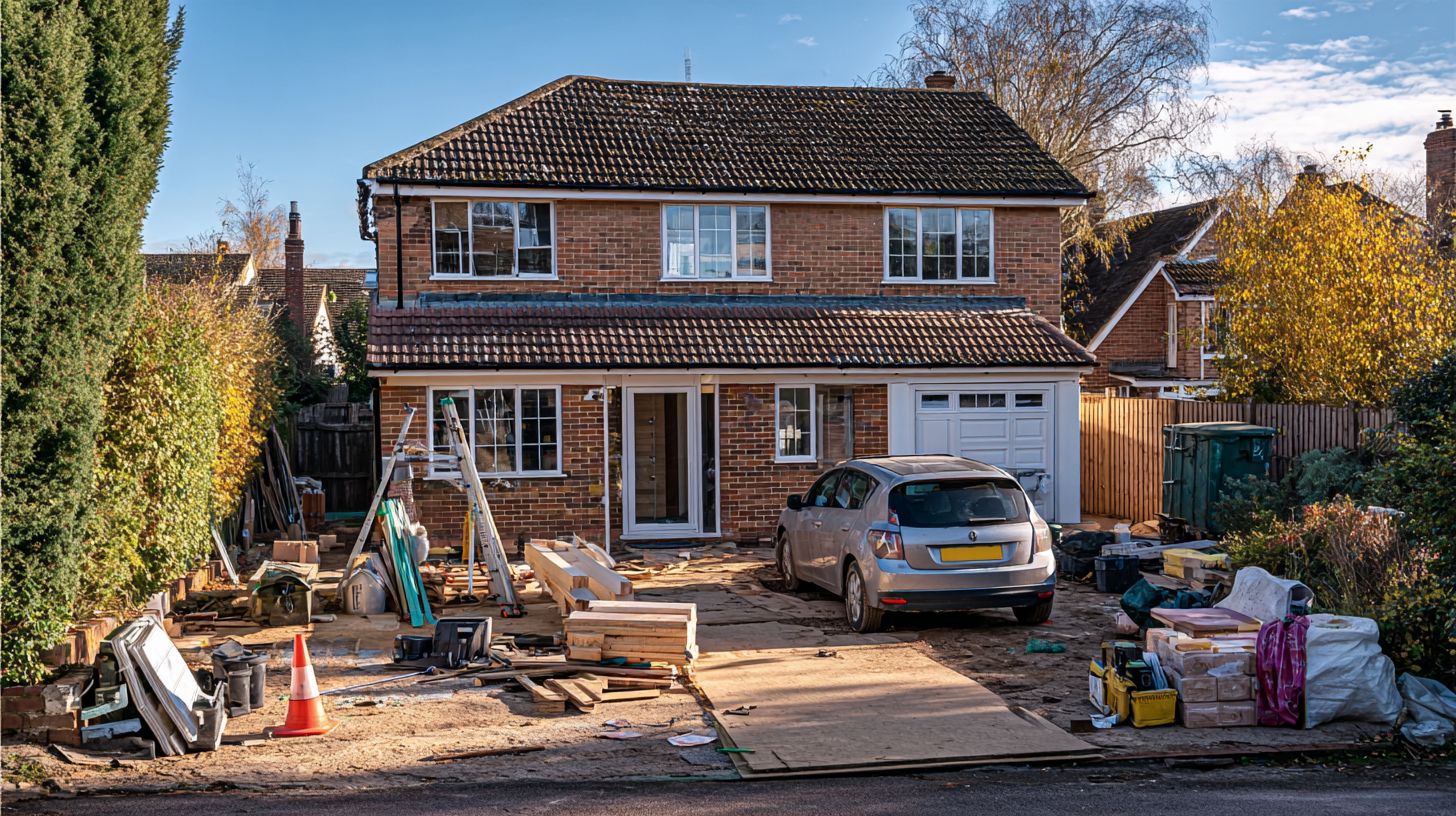
Under UK permitted development rights, approximately 80% of garage conversions are exempt from full planning permission, provided that alterations do not exceed 50% of the garden space. However, compliance with building regulations concerning fire safety and ventilation standards is mandatory, as detailed in Gov.uk’s technical guidance on permitted development rights for householders.
Permitted development criteria restrict modifications to no more than half of the curtilage—the land surrounding the property—to maintain outdoor amenity space, as stipulated in the Town and Country Planning (General Permitted Development) Order 2015, derived from the Town and Country Planning Act 1990.
To obtain building regulations approval, submit detailed plans to the local authority through the Building Control portal. Implement compliance by following the step-by-step insights in our Garage Conversion Guide | Planning, Regs & Build Details, where associated fees typically range from £200 to £500, with decisions rendered within 5 to 8 weeks.
For fire safety requirements, consult Approved Document B, which mandates at least one escape route per room and the installation of smoke alarms.
In designated conservation areas, full planning permission is often required due to restricted permitted development rights, which may extend project timelines by approximately 20%.
Resi’s free online eligibility checker tool offers a convenient preliminary assessment to determine compliance with these regulations.
Additional Hidden Expenses
Hidden costs, such as architect fees (£1,000–£2,500) and quantity surveyor reports (£500–£1,000), can increase project budgets by 10–15%, and these are frequently overlooked in garage projects linked to rear extensions.
To prevent additional budget overruns, it is advisable to address these common challenges proactively. According to the Federation of Master Builders, 30% of construction projects exceed their budgets by 12% due to such issues.
- Party Wall Agreement Delays: These can incur costs of £1,000 in fees and downtime. To avoid disputes, notify neighbours at least two months in advance, as required under the Party Wall Act 1996.
- Administrative Costs for Permissions: Admin costs, such as application fees, typically amount to £300. Streamline the process by utilising online portals, such as the Planning Portal, to expedite approvals.
- Professional Fees Overruns: Consultants’ charges may exceed estimates by 15%. Mitigate this by capping fees at 10% of the total budget and securing fixed-fee quotations at the outset.
- Unexpected Structural Repairs: Load bearing issues related to structural stability can add £2,000 to expenses. Conduct thorough structural inspections prior to project commencement to identify potential problems.
- Integration with Rear Extensions: Linking the garage to a rear extension may add £3,000 to costs. Incorporate this integration into the initial planning phase to facilitate seamless budgeting.
Tips for Budgeting and Saving
Effective budgeting strategies can yield savings of 15-20% on garage conversion projects by emphasising do-it-yourself (DIY) approaches for non-structural elements and negotiating professional fees, which may diminish London’s typical 25% cost premium to approximately 10%.
To optimise cost reductions, adhere to the following six best practices:
- Obtain three competitive quotes from members of the Federation of Master Builders (achieving up to 10% savings, with a process duration of one week).
- Utilise Resi’s complimentary permitted development calculators prior to project commencement to verify planning requirements without incurring fees.
- Select designs with minimal glazing during the initial phase to realise savings of £1,000.
- Establish phased monthly payment schedules to manage administrative fees and maintain cash flow stability.
- Procure materials in bulk from reputable suppliers (securing 15% discounts on essential items such as insulation).
- Engage a quantity surveyor at an early stage (£600 fee, which prevents up to 20% budget overruns in accordance with Royal Institution of Chartered Surveyors guidelines).
To evaluate return on investment (ROI), monitor expenditures using free Excel templates, enabling real-time tracking of progress and necessary adjustments.
Frequently Asked Questions
What is the average cost of a garage conversion in the UK?
The average cost of a garage conversion in the UK typically ranges from £8,000 to £20,000, depending on the size, location, and level of finishes. For a standard single garage conversion into a habitable space like an office or bedroom, you can expect to pay around £12,000 on average, including basic structural work, insulation, electrics, and plastering.
What factors influence the average cost of a garage conversion in the UK?
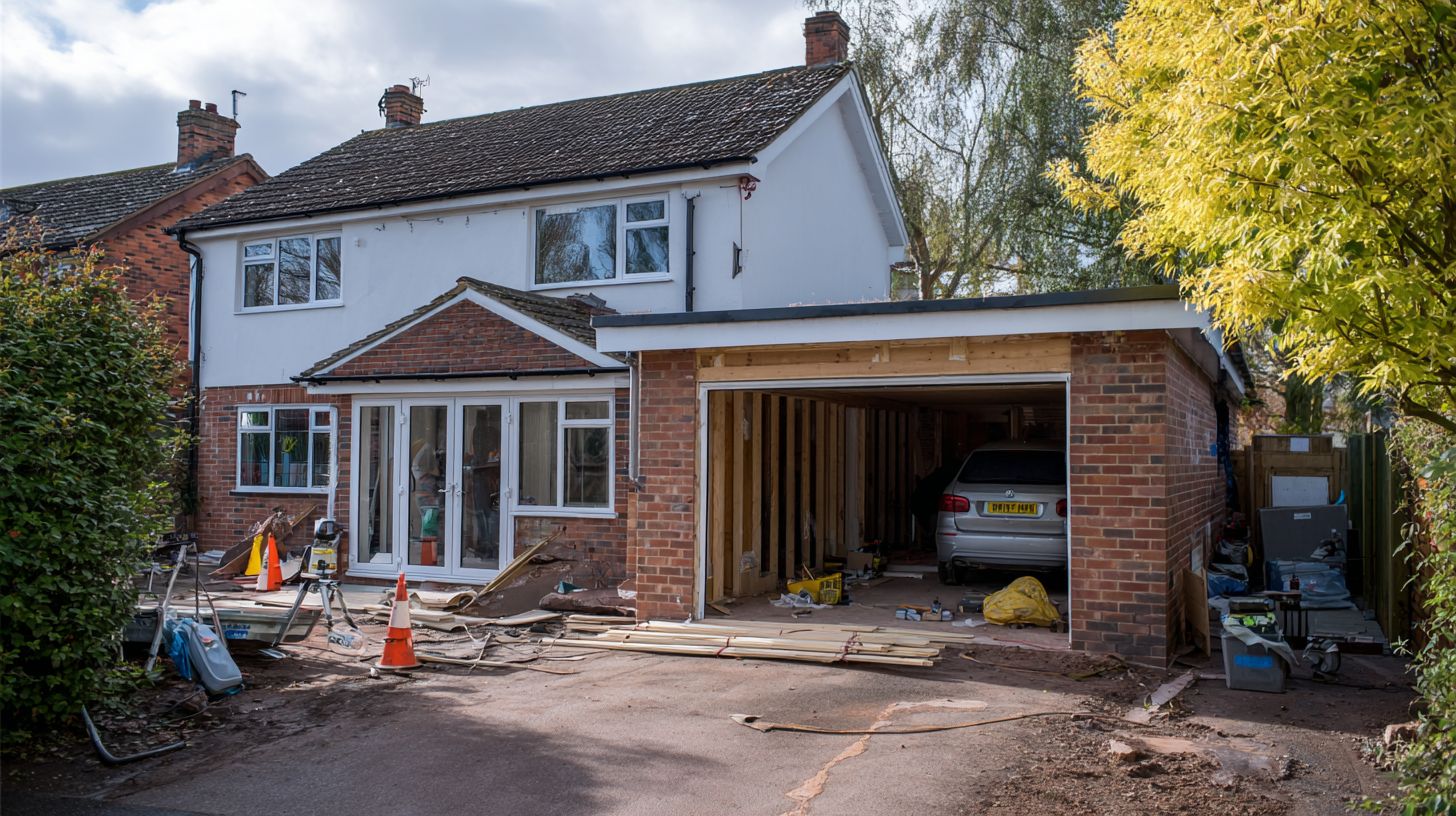
Several factors can affect the average cost of a garage conversion in the UK, such as the garage’s size and condition, required planning permissions, materials used for insulation and flooring, and additional features like plumbing or windows. Location plays a big role too—costs are higher in London and the South East compared to other regions due to labour and material prices.
Is planning permission required for a garage conversion in the UK?
Planning permission may or may not be needed for a garage conversion in England and Wales, depending on whether the work changes the garage’s external appearance or use. Under permitted development rights, internal conversions without extensions often don’t require it, but it’s wise to check with your local council to avoid fines that could add to your overall costs.
How long does a typical garage conversion take, and does it impact the average cost in England and Wales?
A typical garage conversion in England and Wales takes 4 to 8 weeks, depending on the project’s complexity. This timeline can influence the average cost if delays occur due to unforeseen issues like damp proofing or structural reinforcements, potentially adding labour expenses. Hiring a reliable contractor upfront helps keep both time and costs in check.
Can a garage conversion add value to my home, relative to the average cost in England and Wales?
Yes, a garage conversion can add significant value to your home, often recouping 80-90% of the average cost of a garage conversion in England and Wales through increased property appeal and usable space. For instance, converting to an extra bedroom might boost your home’s value by £15,000 or more, making it a worthwhile investment in most cases.
What are the building regulations to consider for the average cost of a garage conversion in England and Wales?
Building regulations are essential for any garage conversion in England and Wales and directly impact the average cost by requiring compliance with standards for insulation, ventilation, electrics, and fire safety. You’ll need building control approval, which might add £500-£1,000 to your budget for inspections, ensuring the space is safe and energy-efficient.