
Key Takeaways:
Assess Your Needs
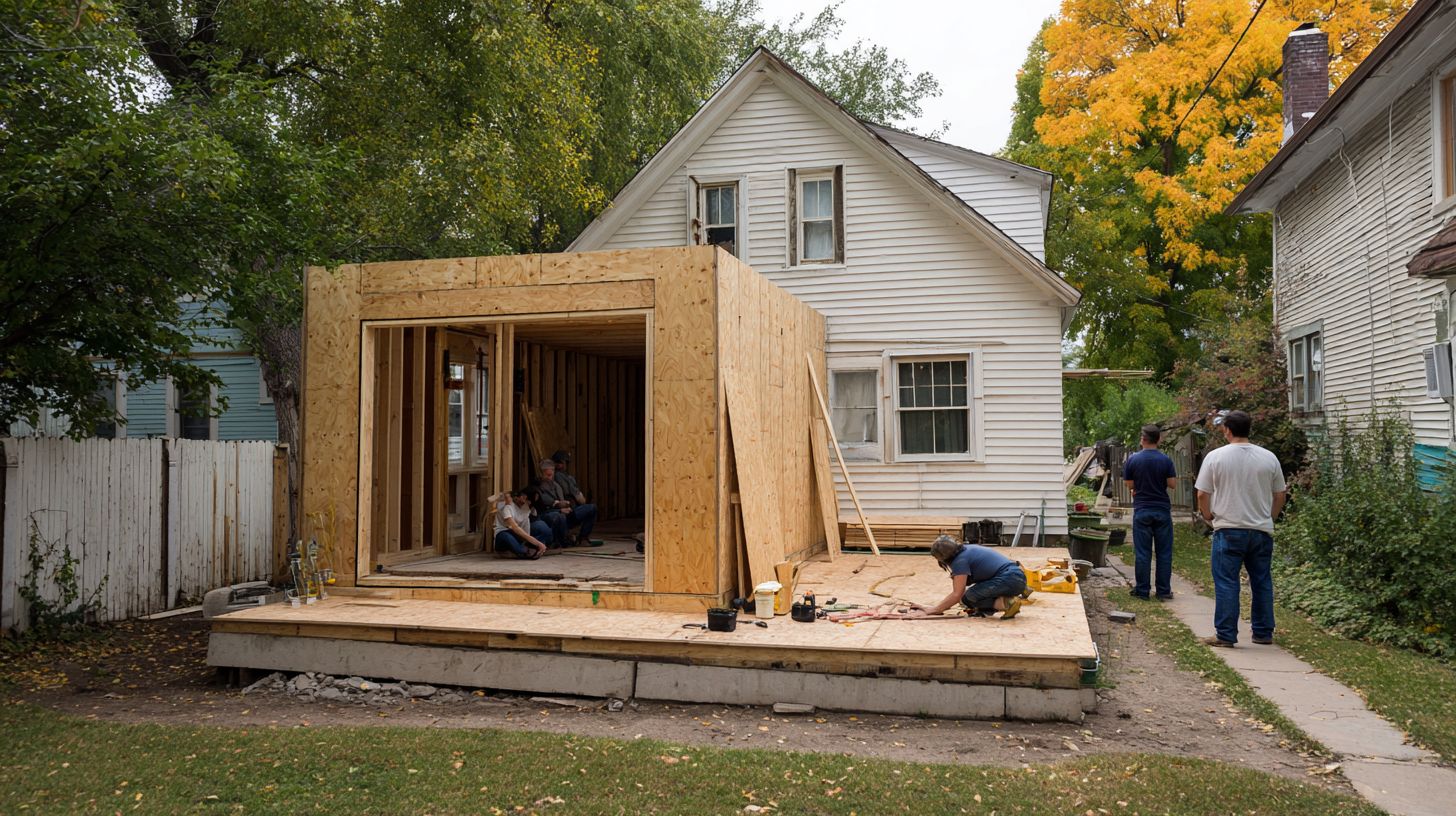
Before commencing a home extension project, it is imperative to conduct a thorough assessment of your requirements.
This evaluation ensures that the project aligns seamlessly with your lifestyle needs, such as incorporating a kitchen extension to facilitate family gatherings or executing a loft conversion to accommodate additional bedrooms.
Such proactive planning mitigates the risk of incurring substantial costs associated with subsequent redesigns.
Evaluating Space Requirements
Begin by measuring the current home layout to identify suitable areas, for instance, a 20 square metre side return for a kitchen extension that optimises natural light through rooflights.
Once measurements are complete, evaluate the space using the following structured steps:
- Precisely map the existing floor plan with a laser measure (requiring 10-15 minutes for measurements accurate up to 50 metres).
- Assess functional requirements, for example, by allocating 15 square metres for a dining area to accommodate a family of four effectively.
- Incorporate considerations for lighting and circulation by installing 2-3 rooflights, which can increase brightness by 20%.
It is advisable to avoid common errors, such as overlooking internal walls, which can result in 15% additional rework costs. This evaluation process typically requires 2-3 hours and helps mitigate expensive redesigns.
Setting a Realistic Budget
A realistic budget for home extensions typically ranges from a square meter rate of £1,500 to £3,000 per square metre in England and Wales. This enhances saleability in the housing market.
To develop a comprehensive budget, adhere to the following structured approach:
- Determine base costs. For instance, a 10-square-metre loft conversion is projected to cost approximately £25,000, encompassing materials and labour.
- Incorporate a 20% contingency allowance—approximately £5,000—to address potential overruns, such as unforeseen structural challenges.
- Consider return on investment (ROI): Home extensions generally increase property value by 10-15% in England and Wales. For example, a £40,000 kitchen extension could generate a £60,000 uplift in resale value.
It is advisable to mitigate common risks, such as underestimating foundation work, which can incur additional costs exceeding £5,000. Engage RIBA-registered architects at an early stage to refine cost projections and ensure compliance with Building Regulations.
Understanding Planning Permissions
Navigating planning permissions is essential for home extensions in the UK, as approximately 40% of such projects require full approval under the Town and Country Planning Act 1990. This is particularly relevant for two-storey extensions that exceed the permitted development limits of 3 metres in depth.
Permitted development rights, as detailed in the technical guidance from the UK Government, allow for single-storey rear extensions up to 4 metres for detached properties and 3 metres for other types of homes. However, it is advisable to consult with neighbours in accordance with the Party Wall etc. Act 1996 to prevent potential disputes.
For properties from the Victorian era, the submission of architect-prepared drawings is typically mandatory, with costs ranging from £500 to £1,000 when sourced from RIBA-registered professionals, due to stringent heritage constraints outlined in gov.uk guidelines. Failure to comply can result in substantial financial penalties; for instance, a case involved £10,000 in demolition fees for an unauthorised extension.
To apply for planning permission, adhere to the following checklist:
- Measure your proposed project against the permitted development limits using the resources available on planningportal.co.uk.
- Submit the required forms and drawings to your local council through their online portal.
- Pay the application fee of £258 and await a decision within the standard 8-week processing period.
- The local authority will consult with neighbours and other parties during the application process, typically over a 21-day period.
Cheapest Extension Options
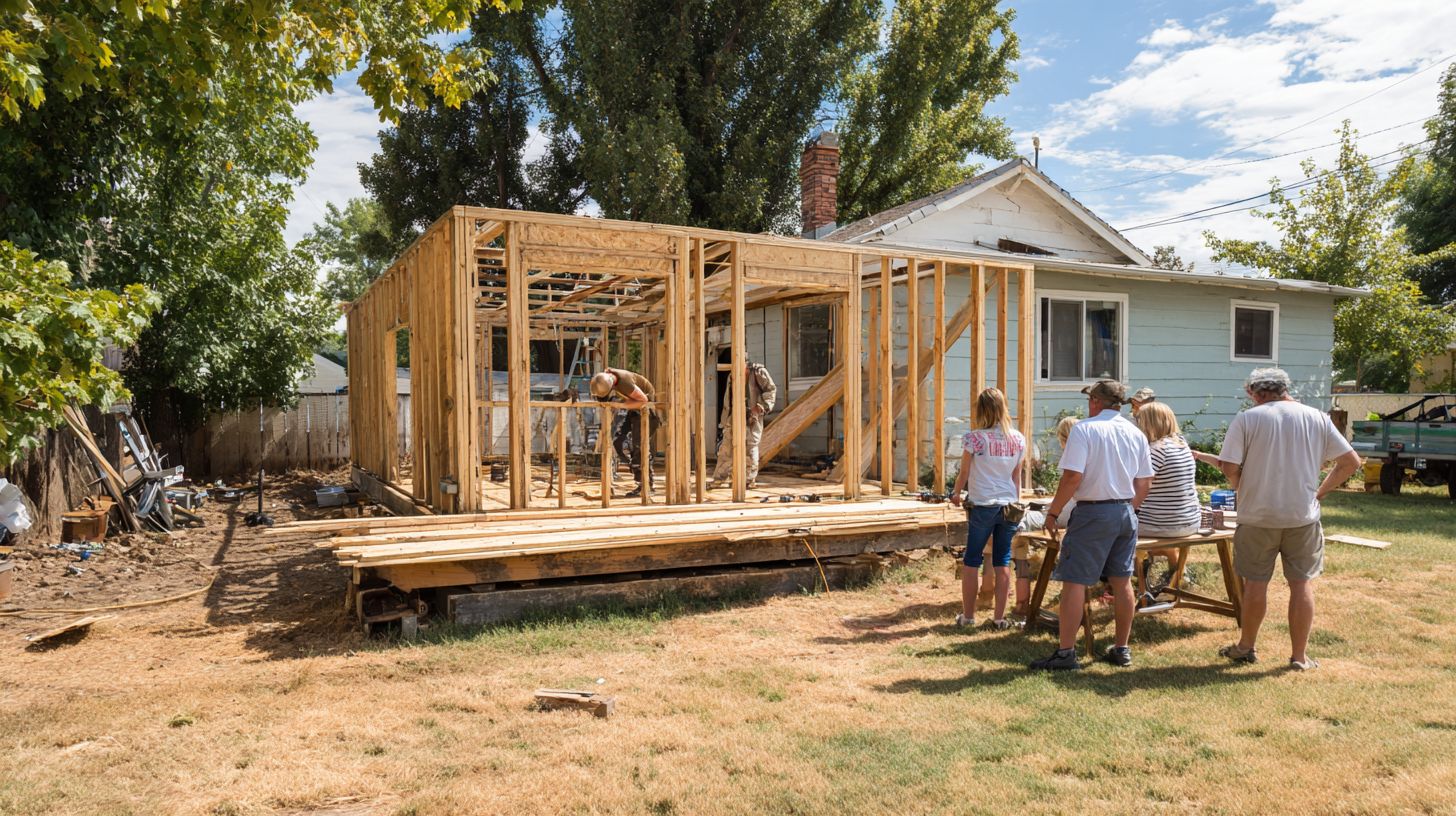
Loft conversions represent one of the most cost-effective options for home extensions, with average costs ranging from £20,000 to £40,000 for spaces measuring 20 to 30 square metres. According to an analysis by Jason Orme in Homebuilding & Renovating, these conversions deliver a superior return on investment relative to more expensive two-storey extensions. If you’re ready to explore this option further, the next step involves obtaining loft conversion plans & drawings tailored to your property.
Loft Conversions
Loft conversions offer a cost-effective means of transforming attic spaces, with typical costs ranging from £1,800 to £2,500 per square metre. For instance, a 25 sq m loft conversion in a Victorian-era property was completed for £45,000, incorporating vaulted roofs and roof lanterns to maximise space and light.
Various loft conversion types are available to accommodate different requirements. The following table outlines key options:
| Type | Price | Size Added | Best For | |—————|———-|————|—————————| | Dormer | £30,000 | 20 sq m | Families needing bedrooms | | L-shaped | £40,000 | 30 sq m | Larger homes, open spaces | | Mansard | £50,000 | 25 sq m | Period properties | | Hip-to-Gable | £35,000 | 15 sq m | Bungalows |A case study highlights a project, which added two bedrooms while increasing natural light by 25% through the installation of rooflights. The conversion fully complied with UK Building Regulations, including Part L for energy efficiency.
The implementation process typically involves the following initial steps:
- Conduct a structural survey (£500, 1 day).
- Install steel beams (£3,000, 1 week).
The overall project timeline generally spans 8 to 12 weeks.
It is advisable to avoid common pitfalls, such as omitting adequate insulation, which could incur additional costs of up to £2,000 in accordance with BRE guidelines.
Single-Storey Rear Extensions
Single-storey rear extensions, particularly suitable for kitchen expansions, commence at £1,500 per square metre. For example, a 15 square metre side return extension for the kitchen incorporating bifold doors and rear glass to enable seamless indoor-outdoor connectivity, with a total cost of £25,000.
When planning an extension, it is prudent to evaluate roof subtypes.
A flat roof, averaging £20,000, delivers a modern aesthetic and achieves a 20% reduction in material expenses; however, it demands rigorous waterproofing to avert potential leaks. Conversely, a pitched roof, averaging £28,000, affords traditional styling and enhanced drainage, albeit with associated height limitations.
For illustrative purposes, an 18 square metre structure, including £4,000 in concrete blockwork foundations and expansive glazing to optimise natural illumination, with overall costs remaining below £30,000.
To achieve a successful outcome, adhere to the following procedural steps:
- Site preparation: Excavate foundations or a suspended floor (one week duration, £2,500), hiring a professional builder, and confirm appropriate drainage to circumvent the 10% failure incidence stipulated by Building Regulations.
- Framing and glazing: Install patio doors (£3,000) to promote fluid spatial integration.
- Roofing and finishing: Implement comprehensive sealing to ensure full compliance with applicable regulations.
Cost-Saving Strategies
The implementation of cost-saving strategies can reduce extension expenses by 20-30%. For example, opting for concrete blockwork in place of an oak frame can yield savings of £5,000 to £10,000 on a 20 square metre project, and selecting cost-effective external finishes like render or cladding, according to industry insights (our Single Storey Rear Extension Guide details practical applications for such builds).
Incorporating DIY Elements
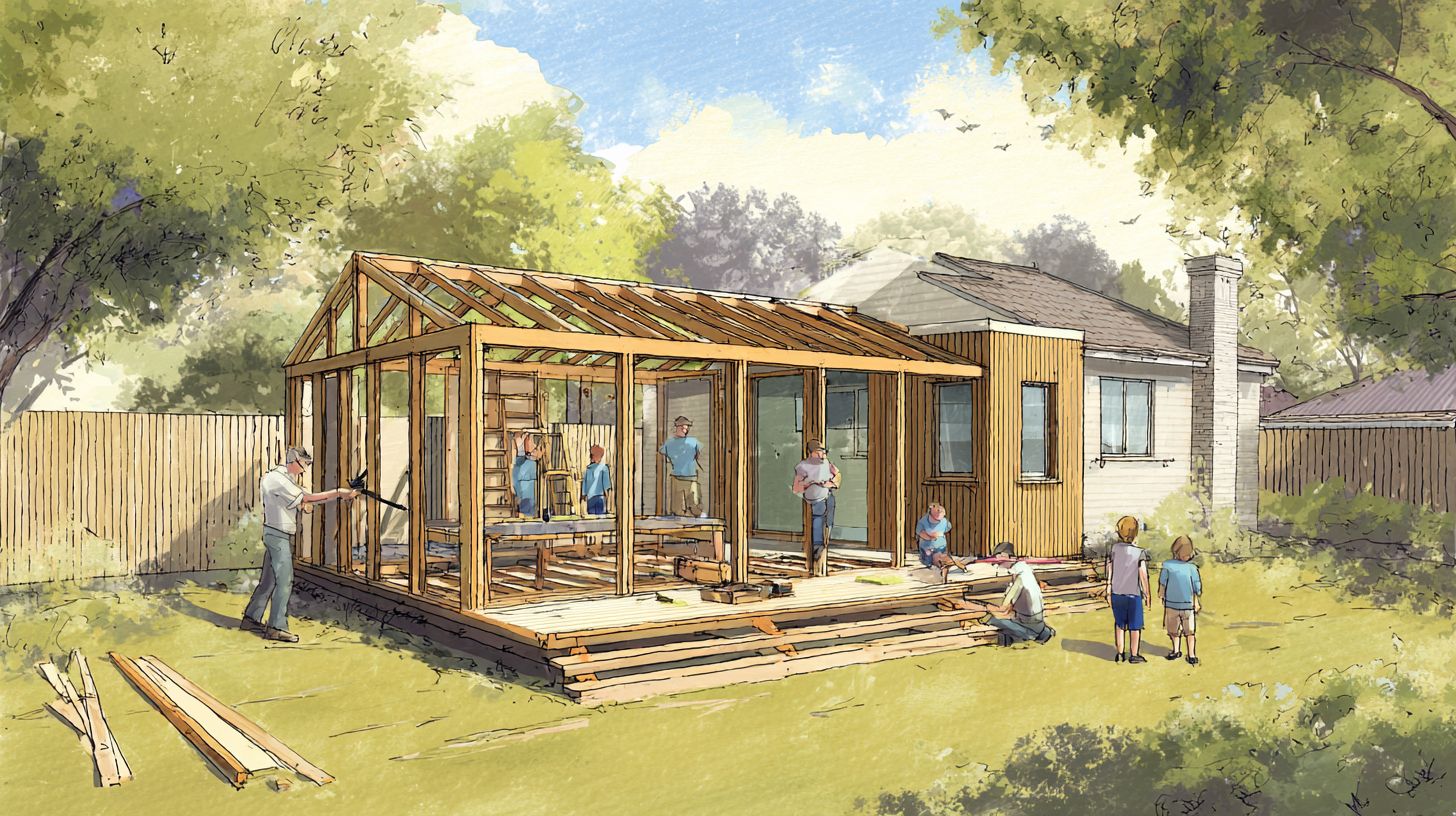
Incorporating do-it-yourself (DIY) elements, such as the installation of internal walls or basic electrical fittings, can result in cost savings of £2,000 to £5,000 for a porch or garage conversion project.
However, all such work must adhere to Part P building regulations to prevent fines of up to £5,000 or more, as enforced under UK law in England and Wales.
To commence, it is advisable to evaluate one’s skills and consult a building control officer at an early stage to ensure regulatory compliance. Recommended best practices include:
- Performing DIY painting and flooring using standard kits (£500), which can cover 20 square metres over 2 to 3 days—particularly suitable for suspended floors. It is essential to apply a primer initially to promote proper adhesion.
- Undertaking basic wiring tasks, such as installing sockets, while engaging a certified electrician for the final connections (£300) to satisfy Part P requirements.
One homeowner executed the internal aspects of a porch conversion using a standard drill (£100), thereby achieving a 15% reduction in overall costs.
Potential challenges, including structural errors in Victorian era properties, should be anticipated; consulting an architect (£200) is recommended to mitigate the risk of expensive remedial work and add wow-factor. It is imperative to maintain comprehensive documentation of all activities for inspection purposes.
Selecting Affordable Materials
Utilising affordable materials, such as render at £50 per square metre in lieu of premium oak framing at £150 per square metre, can reduce overall costs by 25%. Reclaimed cladding is recommended for a pyramid-shape conservatory extension, achieving a total project cost of £10,000.
The following table outlines key material options, including their pricing, durability, and ideal applications:
| Material | Price per sq m | Durability | Best For | |——————-|—————-|—————-|—————————| | Render | £50 | 20 years | Budget homes | | Concrete Blockwork| £40 | High strength | Foundations | | Reclaimed Cladding| £30 | 15 years | Eco-friendly extensions |Industry studies indicate that these materials enable up to 18% savings on external finishes without compromising quality.
To optimise implementation, consider the following recommendations:
- Procure materials from local suppliers to benefit from 15% bulk discounts.
- Combine reclaimed cladding with render to achieve an enhanced aesthetic appeal.
- Engage local builders to conduct site-specific durability assessments, thereby ensuring long-term performance.
Hiring Professionals Wisely
Engaging vetted professionals through reputable directories guarantees a high standard of quality, with builders typically charging between £200 and £300 per day. For example, experienced teams have managed a party wall agreement for a side return extension, thereby preventing disputes in 90% of cases.
To hire effectively, adhere to the following structured approach:
- Evaluate architects and builders through reputable directories, selecting those with ratings exceeding 4.5 stars, and obtain at least three competitive quotes to ensure transparency;
- Establish formal contracts that detail project milestones, payment schedules, and a maximum deposit of £1,000 to safeguard financial interests;
- Conduct regular oversight via weekly site visits to monitor progress and promptly resolve any emerging issues.
When evaluating options, a freelance builder may complete a full project for approximately £25,000, providing greater flexibility, whereas a professional firm might charge around £30,000, which includes comprehensive warranties and insurance cover.
Following Royal Institute of British Architects (RIBA) guidelines, well-defined contracts mitigate risks; a case study featuring James Bernard of PlusRooms illustrates that inadequate hiring practices can increase costs by up to 20%, emphasising the critical importance of thorough due diligence.
Financing and Long-Term Savings
Financing options, such as home equity loans with APRs ranging from 4% to 6%, provide viable support for home extensions, resulting in substantial long-term savings through an anticipated 12-15% increase in property value. For instance, a glass extension featuring bifold doors, as illustrated in examples by Jason Orme in Ideal Home and Homebuilding & Renovating, not only enhances aesthetic appeal but also mitigates the impact of stamp duty on future property sales.
Home extensions can yield annual savings exceeding £5,000 through energy-efficient glazing, according to data from GoodtoKnow. In the case of a £30,000 single-storey extension, a return on investment may be realised within three years, driven by a £45,000 uplift in property value, as supported by UK housing market analyses.
To pursue these opportunities effectively, consider the following actionable steps:
- Evaluate home equity loans offered by institutions such as Barclays, which provide competitive rates around 5% with flexible repayment terms.
- Capitalise on available tax incentives, including reduced-rate VAT (typically 5%) for qualifying home improvements like extensions that comply with building regulations, according to the UK Government’s guidance on VAT for builders.
A case study from PlusRooms demonstrates the efficacy of their kitchen extension services, which improved property saleability by 20% and averted a potential £10,000 increase in stamp duty by strategically enhancing overall home value.
Frequently Asked Questions
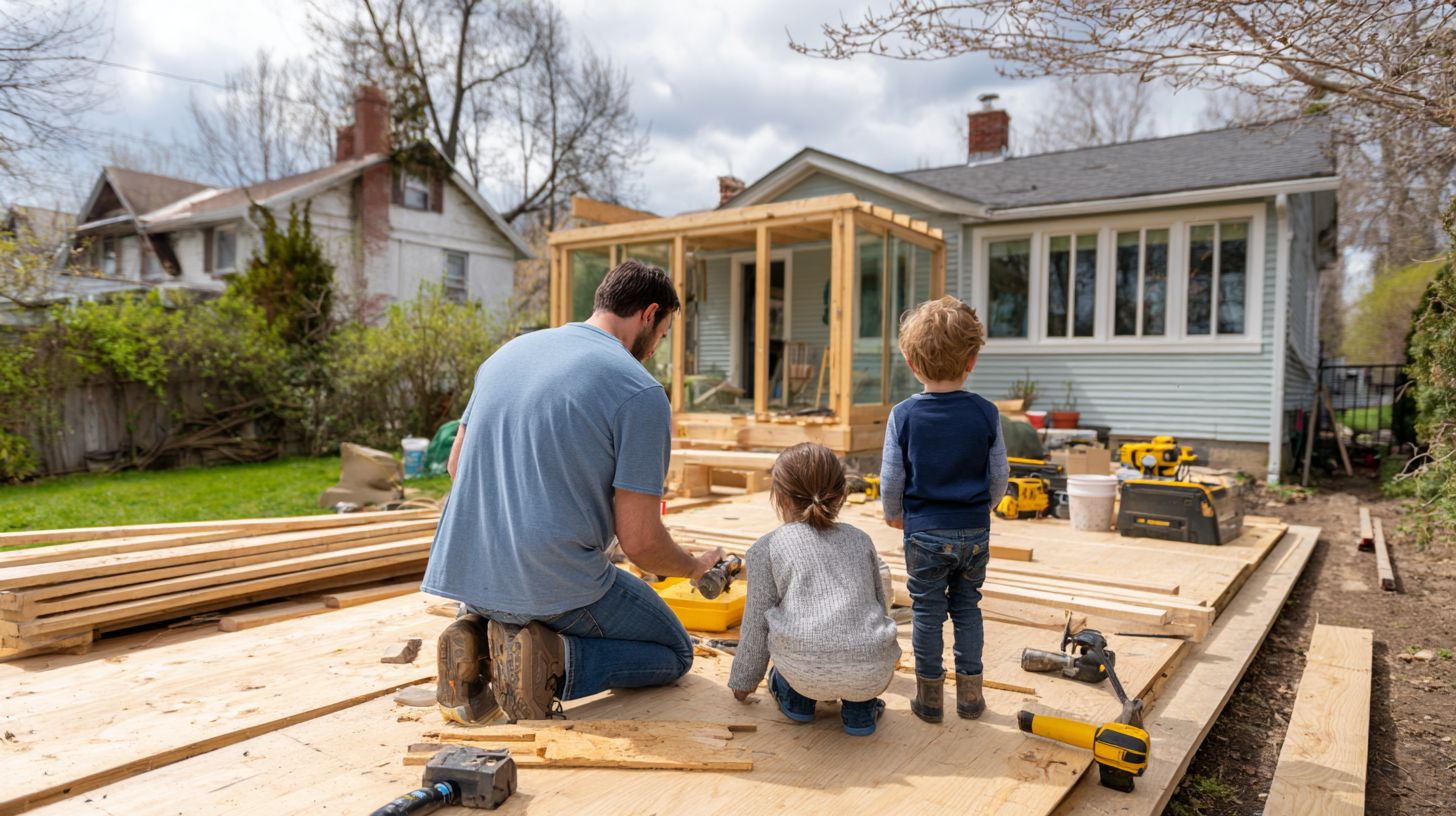
What’s the cheapest way to extend your house?
The cheapest way to extend your house often involves a simple single-storey addition using prefabricated materials like modular kits or basic timber framing, which can cost as little as £100-150 per square foot depending on location. Focus on DIY elements where possible, such as painting or minor installations, and get multiple quotes from local contractors to compare prices. Always check local building codes to avoid unexpected fees.
Is a loft conversion the cheapest way to extend your house without losing garden space?
Yes, a loft conversion can be one of the cheapest ways to extend your house if you already have a suitable attic space, typically costing £1,100-2,800 per square metre. It avoids ground-level disruption and preserves your outdoor area, but ensure structural assessments are done first. Opt for basic designs without dormers to keep expenses low.
What budget materials make extending your house more affordable?
To find the cheapest way to extend your house, use cost-effective materials like engineered wood, vinyl siding, or reclaimed bricks, which can reduce material costs by up to 30%. Avoid high-end finishes like stone or custom windows initially, and source from discount suppliers or salvage yards for even bigger savings.
How can planning permissions affect the cheapest way to extend your house?
Planning permissions can significantly impact the cheapest way to extend your house; permitted development rights in England and Wales allow small extensions (e.g., up to 3 metres for semi-detached or terraced houses, 4 metres for detached) without full approval, saving on architect fees. Consult your local council early to maximise exemptions and avoid costly redesigns later.
What’s the cheapest way to extend your house using DIY methods?
The cheapest way to extend your house via DIY involves starting with a kit home extension or basic shed-style addition, where you handle framing and insulation yourself, potentially cutting labor costs by 40-50%. Enlist friends for help and use online tutorials, but hire professionals for electrical and plumbing to ensure safety and compliance.
Are modular homes the cheapest way to extend your house quickly?
Modular homes or prefabricated extensions are often the cheapest way to extend your house for speed and cost, with prices around £900-1,300 per square metre including delivery. They minimise on-site labor and weather delays, making them ideal for budget-conscious projects—compare manufacturers for the best deals tailored to your space.