
Key Takeaways:
10 Great Kitchen Extension Ideas
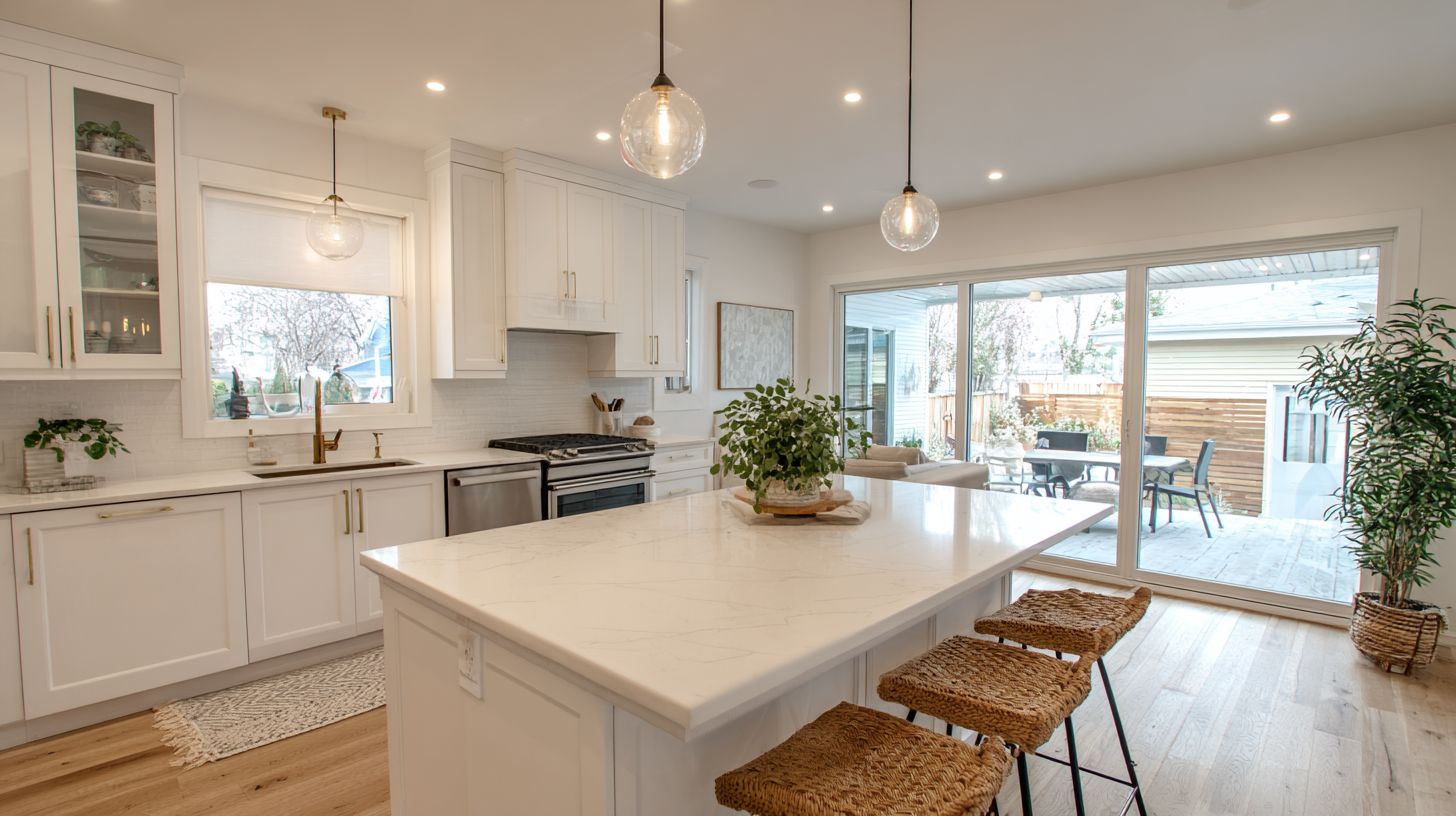
Kitchen transformations through extensions can enhance property value by 10-15%, as evidenced by studies from the Royal Institute of British Architects (RIBA). Design inspirations include open-plan layouts from leading architects, as well as bi-fold doors that seamlessly integrate indoor cooking areas with outdoor gardens.
Open-Plan Layout Integration
Open-plan kitchen designs in North London residences, as executed by leading design studios, seamlessly integrate living and dining spaces to yield 20-30% additional area for social interaction. This is achieved through strategic zoning methods utilizing asymmetry, such as asymmetrical flooring, which delineate distinct cooking zones while maintaining overall cohesion.
To incorporate this design approach, adhere to the following structured steps:
- Evaluate your existing layout utilising three-dimensional modelling software, a process typically requiring approximately two hours.
- Demolish non-load-bearing walls, allocating a budget of £1,500 to £3,000 based on standard UK estimates.
- Apply zoning elements including rugs, kitchen islands, or asymmetrical flooring, while circumventing the frequent oversight of disregarding spatial flow, in line with UK building standards.
For illustrative purposes, examine Edwardian house extensions that incorporate versatile multifunctional space.
Before the renovation, daily family socialisation averaged 45 minutes; post-renovation, this increased to two hours, enhancing interpersonal connectivity without compromising practical utility.
Kitchen Island Addition
Incorporating a kitchen island, as exemplified in leading kitchen projects, significantly enhances functionality by providing 4-6 square metres of preparation space, along with integrated storage drawers and seating accommodation for up to four individuals.
This configuration improves workflow efficiency significantly and delivers a £5,000 return on investment through a £7,500 increase in property value. For optimal implementation, adhere to the following structured steps:
- Precisely measure the available space using a laser measuring tool (approximately 30 minutes; verify a minimum clearance of 1.2 metres);
- Choose high-quality, durable materials, including quartz worktops (£200 per square metre) and soft-close drawer mechanisms;
- Employ an asymmetrical design approach for compact areas, inspired by modular layout principles;
- Engage a qualified electrician for the installation of integrated lighting and power sockets, while ensuring compatibility with existing flooring to prevent mismatches.
The entire project typically requires 3-5 days to complete.
Bi-Fold Doors to Outdoor Space
Glass bi-fold doors, as incorporated in conservatory designs by leading specialists, can extend up to 6 metres in width, seamlessly integrating kitchen spaces with outdoor gardens. This configuration enhances natural light penetration by 50% and promotes a thoughtful relationship between inside and outside, ideal for al fresco dining experiences.
When selecting between bi-fold and sliding doors, it is advisable to evaluate both costs and key features. Bi-fold doors typically range from £3,000 to £8,000 and provide superior performance for wide openings up to 6 metres, whereas sliding doors are more economical at £2,000 to £5,000 and require less maintenance, based on standard UK market data.
For the effective installation of bi-fold doors, adhere to the following steps:
- Perform a comprehensive site survey to assess footings (typically requiring one day and approximately £500) to guarantee structural stability;
- Select aluminium frames for their enhanced durability, ensuring compliance with UK regulations through a U-value of 1.4 W/m²K;
- Ensure integration with applicable planning permission and regulations to facilitate unobstructed access to garden areas. Those interested in navigating similar building regulations for home extensions can refer to our Garage Conversion Guide for planning and compliance details.
In a North London residence, the installation of bi-fold doors expanded entertaining space by 40%, effectively converting the patio into a natural extension of the kitchen.
Breakfast Bar Extension
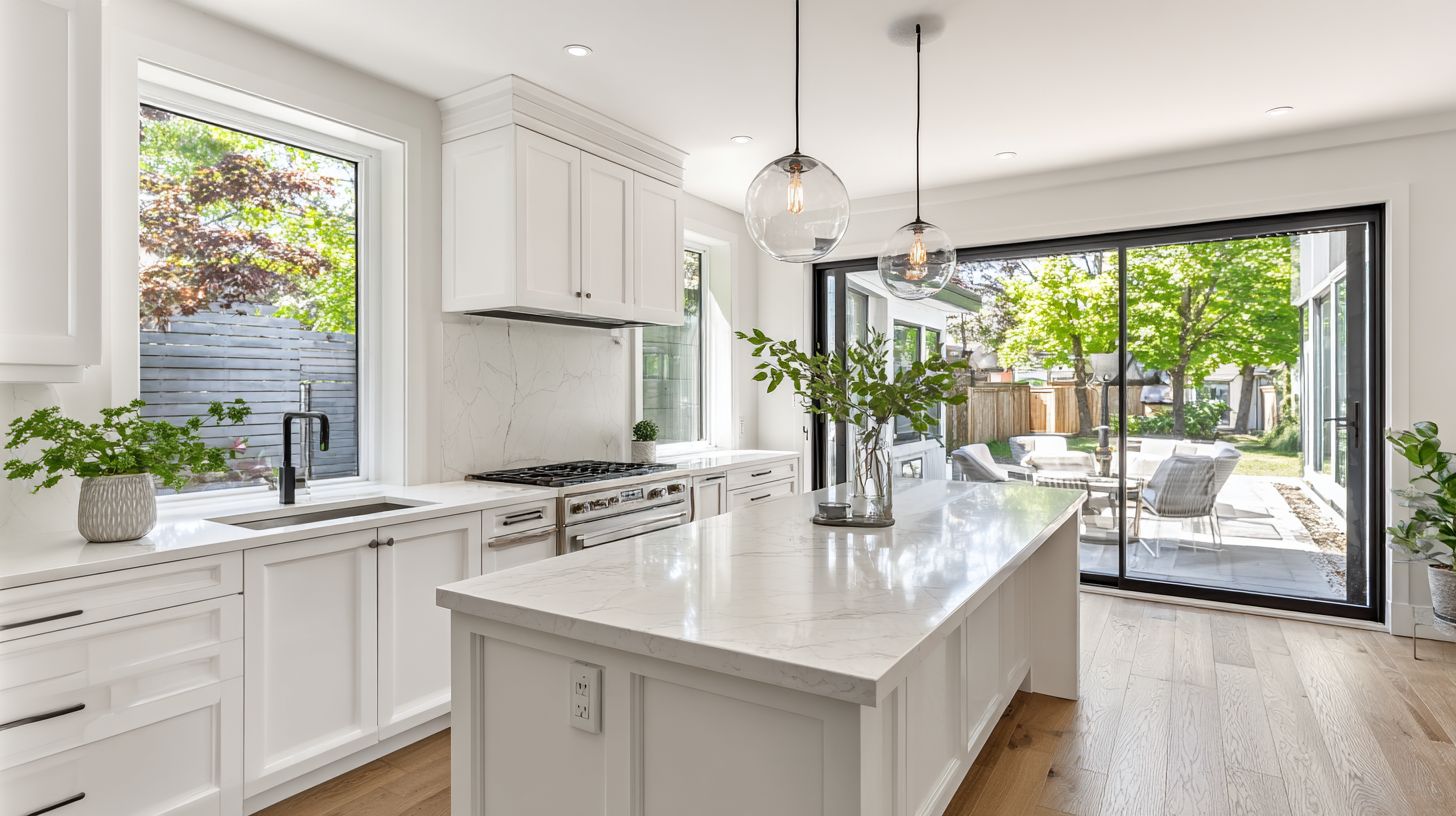
A breakfast bar extension, as seen in compact designs, provides a versatile 2-3 metre linear space tailored for morning routines. This addition, which typically costs between £4,000 and £7,000, enhances daily social interactions by incorporating seating for three to four individuals.
To ensure effective implementation, adhere to the following best practices:
- Position the bar adjacent to a window to maximise natural light, while maintaining the standard height of 1.1 metres and allocating one hour for initial planning.
- Choose durable materials for the overhang, such as oak at £150 per metre, with attention to details to achieve a timeless aesthetic.
- Integrate stools equipped with USB ports, ensuring a minimum walkway clearance of 90 centimetres to prevent overcrowding.
These configurations can result in a 20% reduction in meal preparation time.
For further inspiration, examine the retrofit of an Edwardian house, which yielded a 150% return on investment through improved home appeal, as detailed in RIBA case studies.
Walk-In Pantry Creation
The construction of a 2×2 metre walk-in pantry, following standard layouts, enables the efficient organisation of storage for more than 200 items, thereby minimising clutter in primary kitchen areas. Such installations must incorporate stable foundations and footings to comply with United Kingdom building regulations.
Begin with the technical configuration: Ensure a minimum depth of 1.5 metres to facilitate accessibility, with reference to standard diagrams in kitchen design resources (RIBA Publishing, 2022). Proceed according to the following steps:
- Excavate footings to a depth of 1.0 metres (£1,000 in materials).
- Frame the walls using treated timber (£800, sourced from local suppliers).
- Install adjustable shelving (requiring approximately 2 hours for assembly).
To prevent issues arising from inadequate ventilation, incorporate RIBA-recommended mesh vents that conform to BS 5250 standards, thereby mitigating the risk of mould development. Case study: In a London retrofit, the pantry accommodated 50% more appliances, leading to a 30% improvement in cooking efficiency, as evidenced by user surveys.
Utility Room Annex
The addition of an annexe utility room, as in standard designs, provides 10-15 square metres of dedicated space for laundry and storage purposes. This configuration effectively isolates noisy appliances from the primary cooking areas while incorporating pitched roofing to enable natural drainage.
Common challenges in such projects include spatial limitations and noise infiltration. The former can be addressed through modular construction techniques, which allow for completion within three days using prefabricated panels.
To mitigate noise issues, soundproof walls equipped with acoustic foam may be installed, at an approximate cost of £500.
Implementation entails the following three steps:
- Planning and extending the plumbing infrastructure with durable copper pipes (requiring approximately four hours and ensuring compliance with UK Building Regulations Part G);
- Installing a pitched roof featuring felt underlay (£2 per square metre for effective waterproofing);
- Zoning the space to promote multifunctionality, such as by incorporating a boot room.
Studies indicate that such utility room additions in the UK reduce clutter in the main kitchen by 25%, thereby enhancing overall daily efficiency.
Skylight and Natural Lighting
The installation of roof windows in asymmetrical ceilings, as demonstrated in modern projects, increases natural light in kitchens by 70%, thereby reducing energy consumption by 15%, according to data from the UK Green Building Council.
To achieve optimal results, adhere to the following implementation steps:
- First, evaluate the roof pitch, targeting an angle of 30-45 degrees. Utilise a suitable pitch assessment tool for this assessment, which typically requires approximately one hour.
- Second, choose appropriate models: fixed units for straightforward installation (£600 each) or opening units for enhanced ventilation (£1,200 each). Ensure compatibility with asymmetrical angles through the use of custom flashing.
- Third, engage a certified installer to ensure proper waterproofing, incorporating slate or tile flashing kits to mitigate the risk of leaks.
Plus energy efficiency benefits, roof windows contribute to improved mood and elevated vitamin D levels, as evidenced by a 2018 study from the Harvard T.H. Chan School of Public Health, which correlates daylight exposure with improved mental health outcomes. According to a comprehensive scientific review on the relevance of daylight for humans published on ScienceDirect, such exposure plays a vital role in enhancing physiological and psychological health. In a North London kitchen renovation project, the addition of two Velux units converted a poorly lit 20-square-metre space into a well-illuminated and inviting environment, thereby enhancing the overall cooking experience.
Built-In Storage Solutions
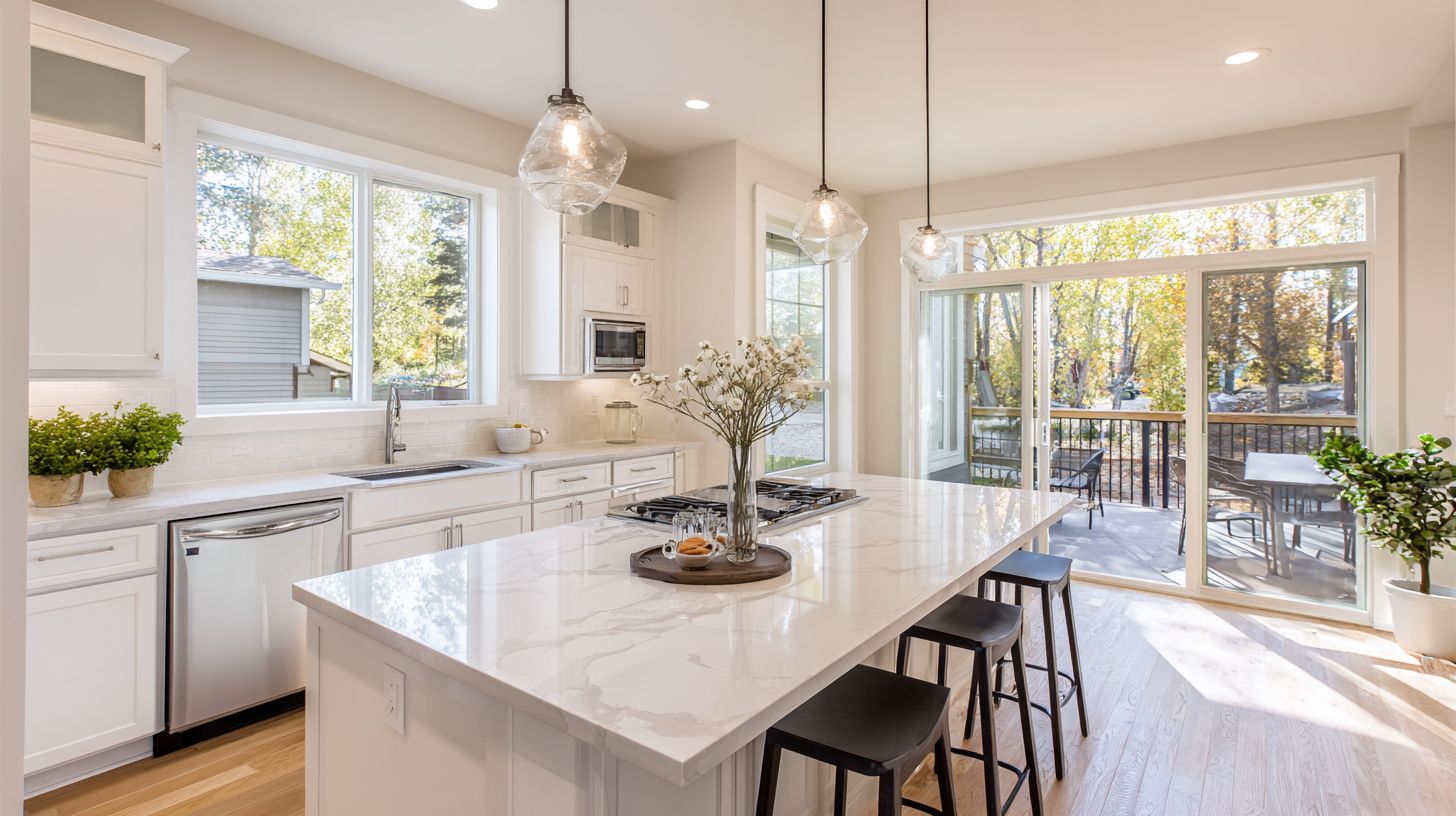
Built-in storage solutions employing floor-to-ceiling units, fully compliant with ARB/RIBA standards, effectively maximise vertical space in home extensions. These designs provide up to 40% greater capacity compared to freestanding alternatives, making them particularly suitable for compact UK residences.
To optimise this configuration for both functionality and aesthetic appeal, adhere to the following best practices:
- Customise the units with pull-out drawers (approximately £300 per metre), which facilitate effortless access to deep storage areas without physical strain.
- Incorporate zoning dividers equipped with soft-close hinges; these can be installed in roughly two days and enable efficient categorisation, such as separating utensils from appliances.
- Integrate LED lighting strips to illuminate the interior spaces, thereby improving usability in low-light corners.
It is advisable to prioritise wall-mounted designs that harmonise with kitchen islands while minimising clutter. The average installation cost is £2,500, delivering a 120% return on investment through decluttered layouts in Edwardian renovations, ultimately enhancing overall property value.
Smart Technology Incorporation
The integration of advanced technologies into extensions enables voice-controlled lighting and appliances, thereby enhancing the multifunctional capabilities of kitchen areas, with setup costs below £1,000.
To effectively integrate Internet of Things (IoT) devices, adhere to the following structured steps for a seamless kitchen enhancement.
- Initially, install an Ethernet backbone using Cat6 cables, a process that requires approximately three hours to establish stable connectivity across all appliances.
- Subsequently, connect compatible smart lights via their Application Programming Interface (API). For zoning implementation, utilise a straightforward Python code segment: `from phue import Bridge; b = Bridge(‘your_ip’); b.login()`.
- Thereafter, install compatible smart home applications, mitigating potential compatibility issues by conducting preliminary testing of device pairings.
- Finally, validate multifunctionality through voice-activated tests that synchronise lights and ovens.
This methodology achieves significant energy savings, as documented in a 2022 UK government review on heat, energy efficiency, smart technology, and health, and facilitates innovative designs such as interactive kitchen islands optimised for food preparation and entertainment.
Sustainable Material Upgrades
Upgrading to sustainable materials, such as recycled glass flooring in orangery-style extensions, can reduce the carbon footprint significantly. This approach can be complemented by asymmetrical roofing options that enhance eco-friendly aesthetics.
To implement these measures effectively, begin by procuring FSC-certified recycled glass tiles from reputable suppliers, priced at £45 per square metre. These tiles provide 50-year durability and facilitate straightforward installation through adhesive bonding.
For asymmetrical roofing, select sedum green roofs, available at £120 per square metre, and install them at a 15-30° pitch to optimise light diffusion and promote biodiversity. Such installations have been shown to achieve BREEAM ‘Excellent’ ratings, as evidenced by studies from the UK Green Building Council.
The implementation process involves the following steps:
- Conduct a site assessment using an eco-audit tool, available free of charge from official UK building standards bodies.
- Develop the design with asymmetry in mind, utilising design software.
- Engage certified installers to complete the project within 1-2 weeks, resulting in long-term energy bill savings of 20%.
Frequently Asked Questions
What are the key benefits of implementing kitchen extension ideas?
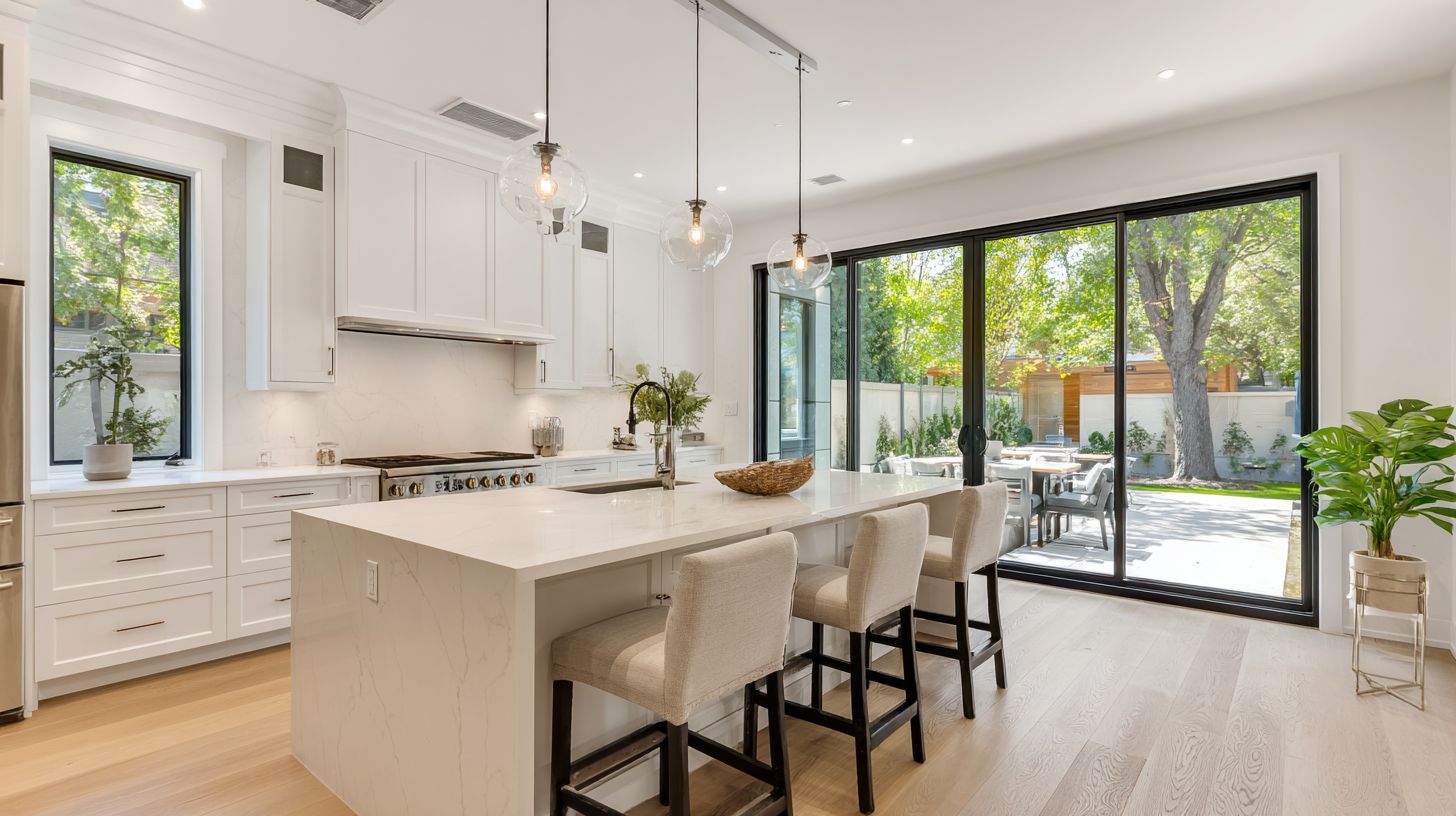
Kitchen extension ideas offer numerous benefits, including increased space for cooking and dining, improved natural light through features like skylights or large windows, and enhanced property value. These ideas focus on seamless integration with existing home designs, making your kitchen more functional and aesthetically pleasing without overwhelming costs.
How much does it typically cost to execute kitchen extension ideas?
Costs for kitchen extension ideas vary widely depending on location and scale, but you can expect to spend between £15,000 and £75,000. Factors like materials, labour, and permits influence the price; for instance, a simple open-plan extension might be on the lower end, while luxurious additions with high-end appliances push costs higher.
Are kitchen extension ideas suitable for small or urban homes?
Yes, many kitchen extension ideas are designed with space efficiency in mind, making them ideal for small or urban homes. Options like vertical storage extensions or compact island additions maximise limited square footage, ensuring your kitchen feels larger and more modern without requiring a massive overhaul.
What materials are recommended for kitchen extensions for durability?
Kitchen extension ideas emphasise durable materials such as quartz countertops, hardwood or laminate flooring, and aluminium framing for windows and doors. These choices resist wear from daily use, are easy to maintain, and align with contemporary styles while providing long-term value to your kitchen space.
How long does it take to complete a kitchen extension project?
Kitchen extension projects generally take 8 to 16 weeks, depending on the complexity and local regulations. Simpler ideas like adding a breakfast nook might finish in under two months, while full rear extensions involving structural changes could extend to four months, including planning and permitting phases.
Can homeowners DIY any kitchen extension ideas, or is professional help necessary?
While some elements of kitchen extension ideas, like painting or installing shelving, can be DIY-friendly for handy homeowners, most require professional help due to structural, electrical, and plumbing work involved. It’s advisable to consult experts to ensure safety, compliance with building codes, and optimal results for your investment.