
Key Takeaways:
–National Average Costs
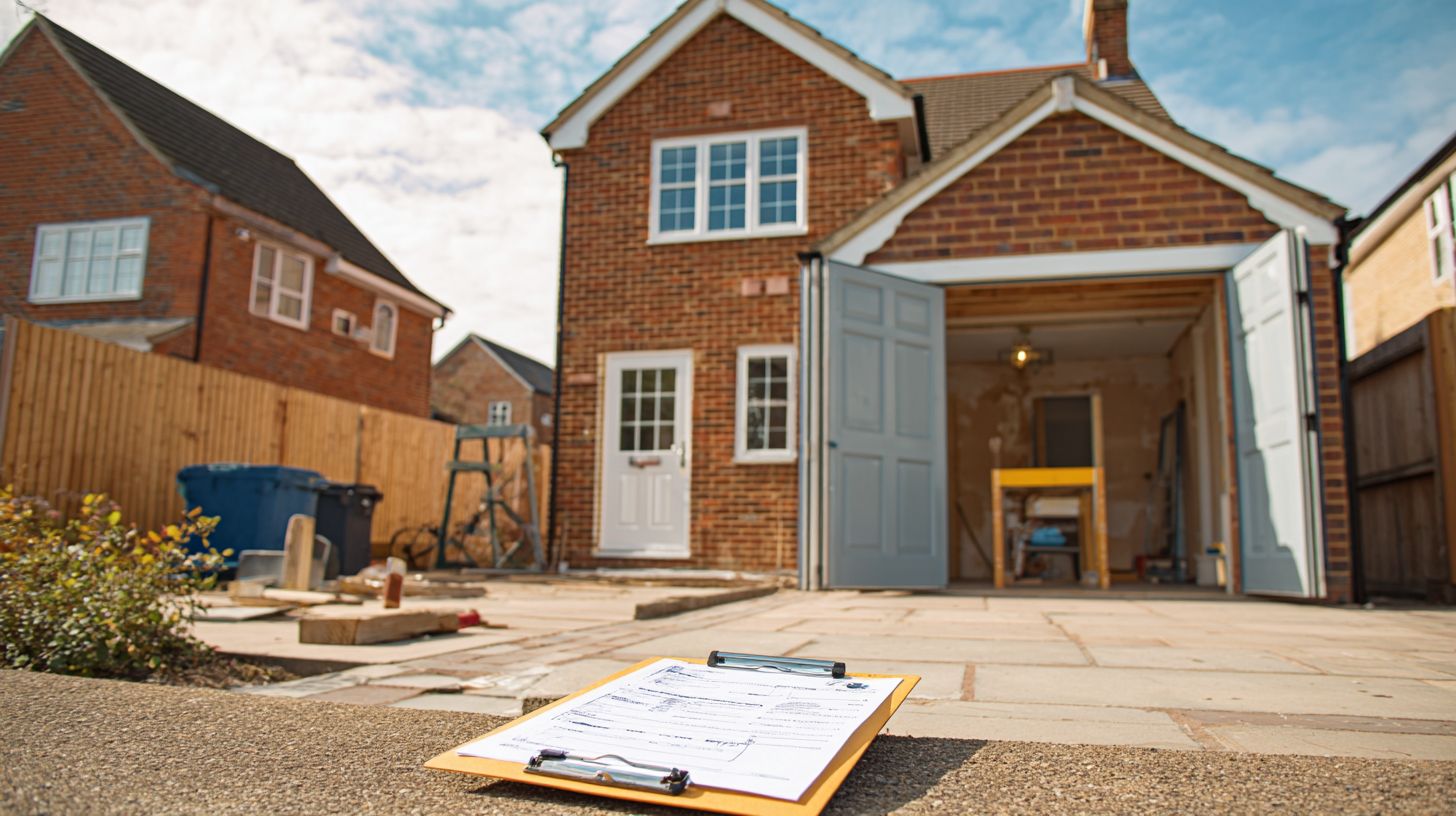
Based on 2024 data, the national average cost for a complete garage conversion in England and Wales ranges from £15,000 to £25,000, excluding VAT. Members of the Federation of Master Builders have reported comparable figures for standard projects.
Overall Price Range
The overall costs associated with garage conversions generally range from £8,000 to £12,000 for a basic partial conversion of a single garage, extending up to £20,000 to £35,000 for a comprehensive transformation of a double garage, with labour expenses comprising 40-50% of the total budget.
A low-end conversion priced at £8,000 typically includes basic insulation and stud walls, a mid-range option at £18,000 provides for a complete living room installation, and a high-end project may reach £35,000 for a kitchen extension that incorporates plumbing. In terms of return on investment, an outlay of £15,000 for a single garage conversion could yield an increase of £25,000 in property value over 2-3 years, consistent with prevailing market trends in England and Wales.
Common challenges, such as underestimating labour costs or asbestos removal by up to 20%, should be avoided; prudent budgeting is essential to mitigate such risks.
| Conversion Type | Low Cost | High Cost | Key Inclusions |
|---|---|---|---|
| Basic Partial | £8,000 | £12,000 | insulation costs, damp proofing, stud walls |
| Full Living Room | £15,000 | £20,000 | flooring installation, electrical wiring, new windows |
| Kitchen Extension | £25,000 | £35,000 | plumbing utilities, appliances, heating |
Cost per Square Metre
The average cost per square metre for garage conversions in the United Kingdom ranges from £1,200 to £2,200, excluding VAT. This variation depends on the material quality used, with basic DIY elements costing approximately £1,200 per square metre and premium finishes reaching up to £2,200 per square metre.
For a standard 20-square-metre single garage, the total cost at £1,200 per square metre would be £24,000. This estimate includes stud walls, insulation, and basic vinyl flooring.
In contrast, a luxury 30-square-metre double garage conversion at £2,200 per square metre could total £66,000, incorporating features such as underfloor heating, insulated plasterboard, and glazing installation with Velux windows to enhance natural light.
Installation typically requires 4 to 6 weeks, subject to contractor availability. Compliance with UK Building Regulations, particularly Part L for energy efficiency, incurs an additional £100 to £200 per square metre for necessary surveys and modifications.
Opting for a DIY approach, such as self-installing electrical systems, can yield savings of up to 15%—approximately £3,600 for a single garage conversion. However, it is essential to engage professionals for inspections to prevent expensive errors and ensure regulatory adherence.
Regional Variations Across the UK
Garage conversion costs throughout England and Wales can vary by up to 40 per cent, primarily due to differences in regional labour rates and material availability. In London, the London premium makes these costs typically 25 to 30 per cent higher than the national average of £1,200 to £2,200 per square metre.
London and South East
In Greater London, the South East and South West, the average cost of garage conversions ranges from £25,000 to £40,000, with premiums in Inner London reaching £2,500 to £3,000 per square metre, attributable to elevated labour and compliance expenses.
To demonstrate regional variations for a standard 20 sq m conversion (national average of £25,000), the following comparison is provided:
| Region | Average Cost (20 sq m) | Premium over National Average | Key Factors |
|---|---|---|---|
| Inner London | £50,000 | +30% | Stringent Building Regulations |
| Greater London | £35,000 | +20% | Party Wall Agreement and admin costs £1,000+ |
| South East | £28,000 | +15% | Higher material transport costs |
To realise potential cost savings, engaging BuildPartner for fixed-price quotations is recommended, which frequently reduces expenses by 10%. For instance, a detached garage conversion in East Anglia is estimated at £22,000, compared to £32,000 for an equivalent project in London, as per RICS benchmarks.
Northern England
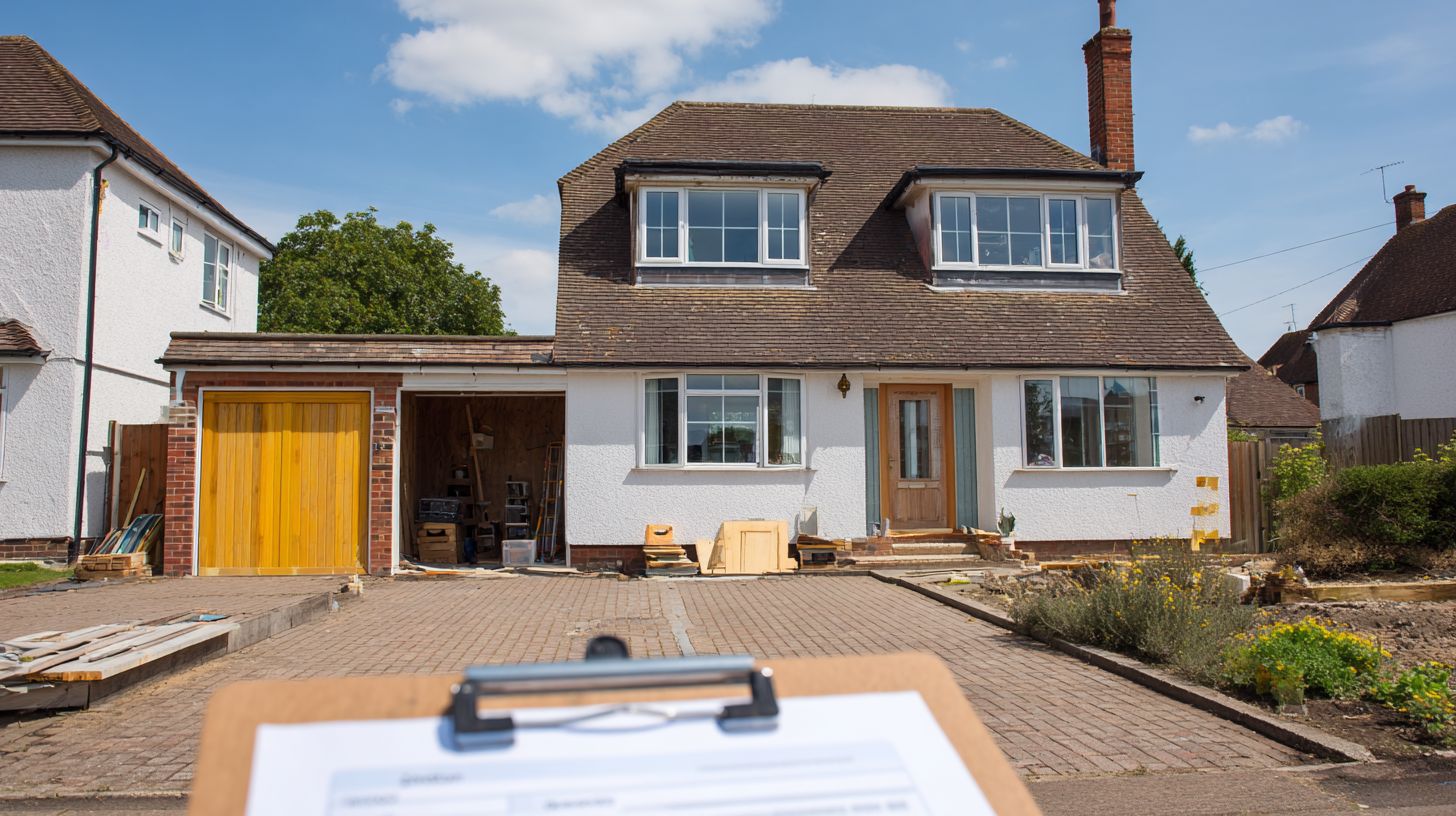
Northern England provides more cost-effective options for garage conversions, with national averages ranging from £10,000 to £20,000—representing a 15-25% reduction compared to the overall average. For instance, costs in the Midlands typically range from £1,000 to £1,500 per square metre, in contrast to £1,800 per square metre in London.
To facilitate regional comparisons, the following table outlines specifics for a standard single garage conversion:
| Region | Average Cost | Discount vs National | Key Features |
|---|---|---|---|
| Northern England | £12,000 | -20% | Lower labour rates at £200 per day; suitable for basic extensions |
In a practical example from Wales, a garage conversion into a home office was completed for £9,500, resulting in an 18% return on investment through enhanced property value, according to data from the Royal Institution of Chartered Surveyors (RICS).
It is advisable to consult local regulations in England and Wales, applying specialist knowledge, prior to commencing work, as unforeseen surveys may increase costs by up to 10%.
Key Factors Influencing Costs
As detailed by the UK Government in their building regulations approval guidance (our Garage Conversion Guide explores practical planning and regulations for these projects), factors such as planning permissions and building regulations in England and Wales can increase the costs of garage conversions by 10-30%. Effective project management plays a crucial role in allocating a 10-15% contingency fund to address unforeseen challenges.
Size and Layout
The size and layout of a garage conversion exert a substantial influence on overall costs. For instance, converting a 15 sqm single integral or attached garage typically incurs expenses of £12,000, whereas a 30 sqm double detached garage may cost £28,000, with rates generally ranging from £1,200 to £1,800 per square metre.
To facilitate effective planning, adhere to the following structured steps for assessing the layout:
- Accurately measure the available space—for example, a 3m x 5m single garage necessitates the use of a tape measure and approximately 2-3 hours to document dimensions and identify potential obstacles, such as structural beams.
- Assess access requirements: Integral garages benefit from reduced integration costs, while detached garages may entail additional expenditures exceeding £2,000 for bespoke doors and pathways, in accordance with UK Building Regulations.
- Engage a structural engineer or pay architect fees (with an average fee of £500, obtainable through RICS-accredited firms) to evaluate the foundations and walls for any necessary modifications, including fresh concrete where needed.
It is advisable to circumvent common oversights, such as neglecting the rerouting of plumbing, which can increase costs by up to 15%. As an illustration, transforming an integral garage into a home office may cost £10,000, compared to £15,000 for a detached equivalent, owing to the additional requirements for insulation and access provisions.
Conversion Type
The type of conversion significantly influences costs, ranging from £8,000 for a partial home office conversion to £30,000 for a kitchen extension that includes utilities. bathroom addition necessitates an additional £5,000 for essential waterproofing measures.
To optimise ROI value (return on investment), it is advisable to evaluate the following prevalent conversion options, including energy efficient designs:
- Living room (£15,000 average cost, yielding a +12% increase in property value according to RICS data): Prioritise the installation of structural beams and adequate insulation to comply with Part L of the Building Regulations.
- Home gym (£12,000, with potential 20% savings through DIY flooring): Incorporate non-slip surfaces and proper ventilation in accordance with Approved Document F.
- Home cinema (£18,000, inclusive of £2,000 for soundproofing): Ensure adherence to fire safety requirements under Part B, particularly for enclosed areas.
- Bedroom (£20,000): Conform to the habitable space standards outlined in the Building Regulations, including the provision of windows to facilitate natural light.
For an efficient and rapid enhancement, consider a partial utility room conversion at £9,000, which can be completed in approximately four weeks. This approach emphasises the isolation of plumbing systems to mitigate the need for comprehensive rewiring.
Detailed Cost Breakdown
A comprehensive cost breakdown for garage conversions designates 40% to labour, 30% to materials, and 10% to administrative expenses. Builder quotes and quotations obtained from reputable sources facilitate the establishment of a realistic 15% contingency fund.
Structural and Building Work
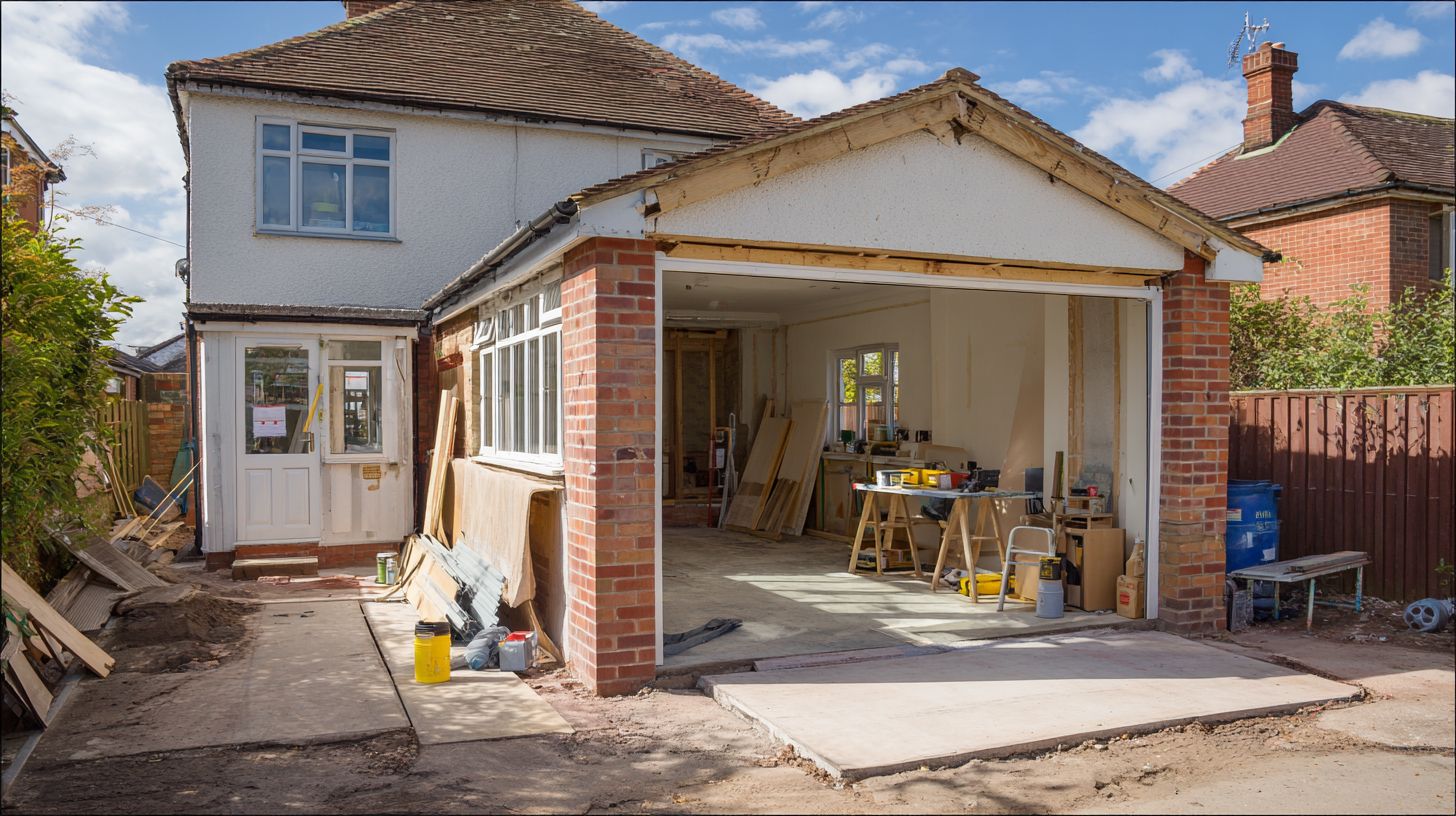
Structural work constitutes the majority of initial costs, ranging from £5,000 to £10,000. This encompasses structural engineer fees of £800 to £1,500 and Party Wall Agreement surveys costing £1,000 for properties with shared boundaries.
Essential components include foundations, walls, and measures to ensure regulatory compliance. For example, under Building Regulations Part A, reinforcing a double garage may incur an additional £4,000; however, this investment yields long-term savings through the provision of an engineer’s report.
| Component | Cost Range | Details |
|---|---|---|
| Stud walls | £1,500-£3,000 | For 20 sq m; lightweight and suitable for quick installation in non-load-bearing applications |
| Fresh concrete foundation | £2,000 | Required for stability where necessary; consultation with an engineer is recommended |
| Damp proofing | £500-£1,000 | Critical for moisture prevention; typically achieved via membrane injection |
| Asbestos removal | £1,500+ | £1,500+ If suspected in buildings constructed before 2000, a survey is required; removal must be performed by licensed professionals under the Control of Asbestos Regulations 2012, as detailed in GOV.UK’s guidance on managing asbestos. |
In conservation areas or for listed buildings, it is imperative to obtain planning permission (£300-£500) through qualified specialists to prevent project delays.
Electrical, Plumbing, and Insulation
The total costs for electrical, plumbing, and insulation works typically range from £3,000 to £7,000. This includes electrical wiring estimated at £800 to £2,000, as well as energy-efficient insulation adding approximately £1,500 to ensure compliance with Building Regulations Part L.
Plumbing services generally cost between £1,200 and £2,500, encompassing the installation of pipes and fixtures for building extensions. To proceed effectively, the following steps are recommended:
- Electrical: Engage a certified electrician through the NICEIC (£1,000 for 10 outlets over 2 days), which guarantees adherence to BS 7671 safety standards.
- Plumbing: Employ a Gas Safe registered engineer (£1,500 to £3,000 for kitchen piping); attempting do-it-yourself work may result in fines of up to £5,000 and should be avoided.
- Insulation: Select cavity wall filling (£1,000 to £2,500); consider incorporating underfloor heating (£2,000 per 20 square meters) to achieve annual energy bill savings of 15% (as highlighted in Uswitch’s 50+ UK energy-saving statistics for 2025), according to data from the UK Energy Savings Trust.
A frequent oversight is the neglect of damp proofing, which can lead to repair costs exceeding £2,000 in the future.
Finishing and Fixtures
Finishing and fixtures typically range from £4,000 to £8,000. This includes flooring installation, estimated at £1,000 to £2,500, and the installation of new windows with glazing, costing £1,500 to £3,000 for energy-efficient double-glazing solutions.
Additional components encompass bespoke doors, priced at £1,000 to £2,000, which provide enhanced security features and adhere to BS 3621 standards.
For painting requirements, a do-it-yourself approach utilising emulsion paints (£20 to £30 per litre) can yield savings of up to £500. Applying two coats over properly primed surfaces will achieve a professional-quality finish.
Professional installation is advised for fixtures such as lighting, which costs £300 to £600, to comply with Part P electrical safety regulations.
A mid-range bedroom conversion is projected to total £5,000. This incorporates laminate flooring at £20 per square metre with an installation timeline of 1 to 2 days, along with uPVC glazing at £800 per unit, ensuring compliance with Part L standards.
Such improvements may increase the ROI value by up to 10%, according to Royal Institution of Chartered Surveyors (RICS) data.
Frequently Asked Questions
What is the average cost of a garage conversion in England and Wales?
The average cost of a garage conversion in England and Wales typically ranges from £10,000 to £20,000 (VAT excluded), depending on factors like location, size, and the level of finishes. For a basic conversion into a habitable space such as an office or gym, you might pay around £12,000 on average, while more complex projects like adding an en-suite could push it towards £25,000 or more.
What factors influence the average cost of a garage conversion in England and Wales?
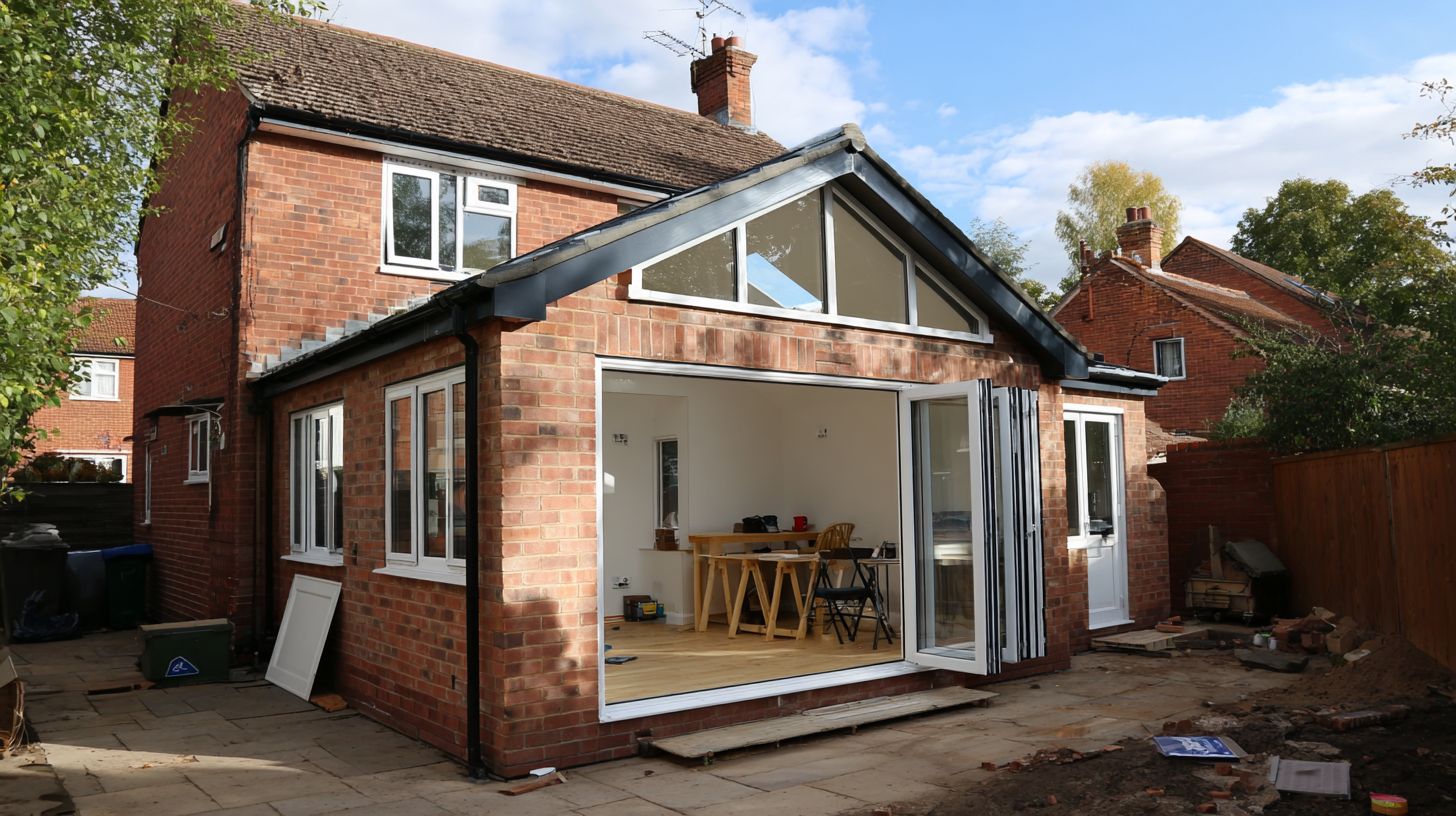
Several factors can affect the average cost of a garage conversion in England and Wales, including the garage’s size and condition, required structural changes like insulation and damp-proofing, labour costs which vary by region (with a London premium in Greater London and Inner London, or regional differences across East Anglia, Midlands, North England, South East, South West, and Wales), and any necessary electrical or plumbing work. Material choices for flooring, walls, and windows also play a significant role in the final price.
Do I need planning permission for a garage conversion in England and Wales, and how does it impact costs?
Planning permission is often not required for internal garage conversions under permitted development rights in England and Wales, as long as the external appearance doesn’t change significantly. However, if you’re in a conservation area or making external alterations, it may be needed, adding £200-£500 to the average cost of a garage conversion in England and Wales for application fees and potential delays.
How long does a typical garage conversion take, relative to its average cost in England and Wales?
A standard garage conversion in England and Wales usually takes 4-8 weeks to complete, depending on the project’s scope. This timeline aligns with the average cost of a garage conversion in England and Wales, where simpler jobs under £10,000 might finish quicker, while more involved renovations approaching £20,000 could extend due to custom fittings or unforeseen issues like rewiring.
What is included in the average cost of a garage conversion in England and Wales?
The average cost of a garage conversion in England and Wales generally covers demolition of internal walls if needed, installation of insulation, plastering, electrics, lighting, and basic flooring. It may also include windows, doors, and heating setup, but excludes high-end features like built-in storage or professional design consultations, which can add extra expenses.
Are there ways to reduce the average cost of a garage conversion in England and Wales?
Yes, you can lower the average cost of a garage conversion in England and Wales by opting for DIY elements where possible, choosing cost-effective materials, or converting only part of the garage. Getting multiple quotes from local builders, avoiding unnecessary luxuries, and checking for grants or energy-efficient incentives can help keep costs down to the lower end of the £10,000-£20,000 range.