
Key Takeaways:
- Most home extensions require building regulations approval to ensure structural safety, proper electrical and plumbing standards, and energy efficiency compliance, regardless of size.
- Exemptions exist for certain projects like qualifying conservatories or porches under Building Regulations, but always verify with your local building control authority to avoid fines.
- Assess your extension by evaluating structural changes, safety risks, and utility impacts; non-compliance can lead to costly rework, legal penalties, or safety hazards.
Understanding Building Regulations
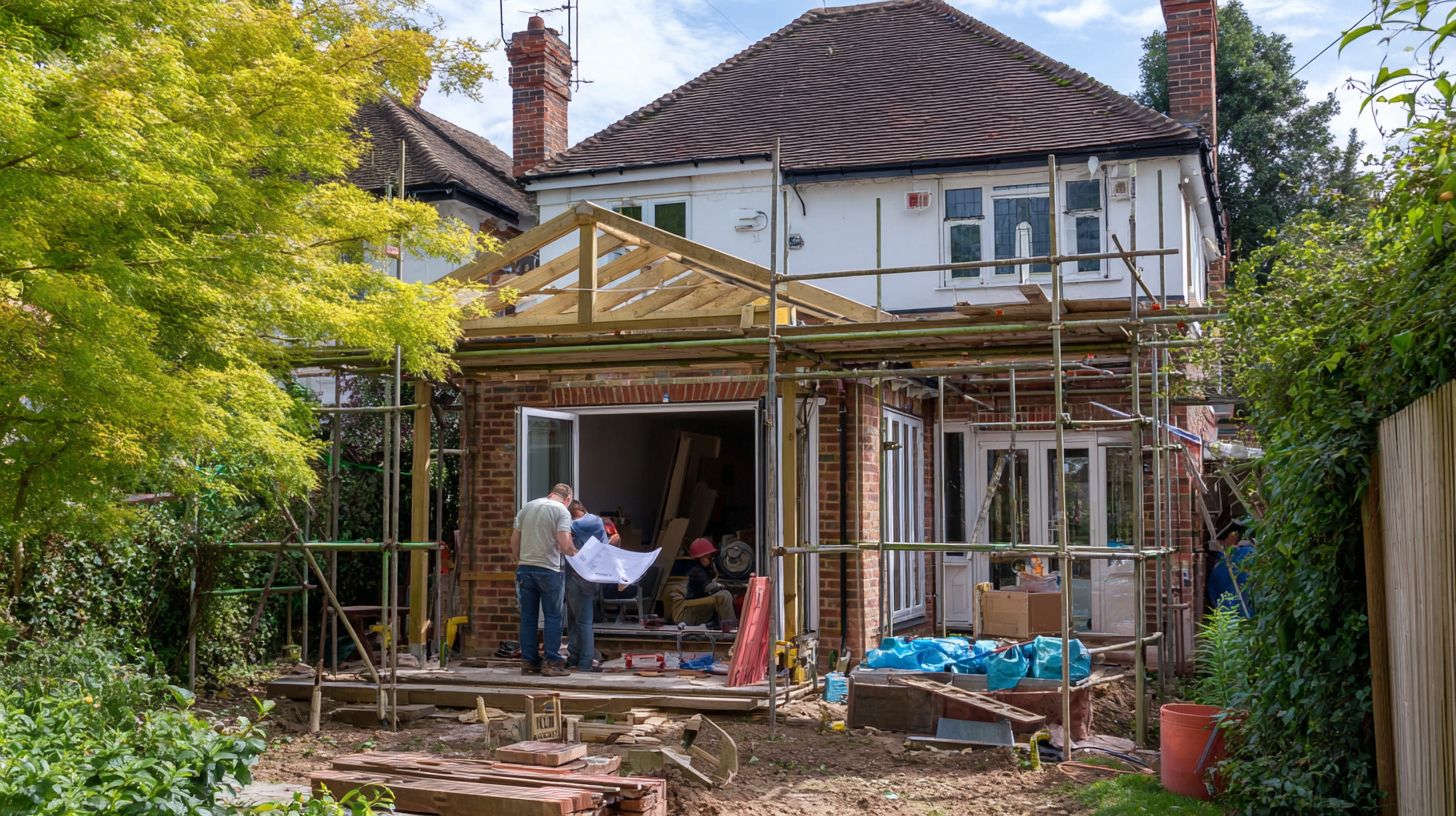
The Building Regulations in England and Wales, as governed by the Building Regulations 2010, ensure that over 1.2 million home improvement projects undertaken annually comply with the minimum standards for safety, health and sustainability, as delineated by the UK Government’s Planning Portal. Worth exploring: Planning & Building Regulations For Conservatories in UK
Purpose and Scope
The primary objective of Building Regulations is to protect occupants and meet safety standards, with Part A focusing on structural integrity. This aligns with findings from the UK Government’s Healthy Homes publication, which emphasizes building resilient communities through enhanced safety and habitability. Research from the BRE Trust highlights the effectiveness of these regulations in reducing building failures and improving safety.
Additional critical sections of the regulations offer practical guidance to ensure compliance. The following outlines key components:
- Part L, which addresses energy efficiency and mandates insulation performance that is 20% superior to 2006 standards, including U-values of less than 0.18 W/m²K for walls.
- Part F, concerning ventilation, which requires a minimum airflow rate of 0.3 litres per second per square metre in habitable rooms. This can be achieved through mechanical ventilation systems, such as mechanical ventilation with heat recovery (MVHR) units.
- Part B, related to fire safety, which stipulates that escape routes in dwellings must be at least 900 mm wide.
For instance, a loft conversion in London that failed to comply with regulations was subject to a £5,000 fine from the local authority due to insufficient fire separation measures.
To mitigate the risk of such penalties, it is advisable to engage qualified building control professionals at an early stage. These professionals provide comprehensive site assessments and certification services for under £1,000, thereby guaranteeing adherence to regulations throughout the design and construction phases. For building notice requirements and FAQs on common projects, consult building control or the local authority.
Defining Home Extensions
Home extensions are additions that increase the living space of a property. Building Regulations generally apply to most extensions to ensure safety, health, and sustainability standards, regardless of planning permission. Under Permitted Development Rights (as updated in 2020), many extensions to detached properties may not require planning permission if they meet specific size limits, such as a single-storey rear extension, outlined in our Single Storey Rear Extension Guide, projecting no more than 8 metres.
Common Types of Extensions
Conservatories are among the most popular home extension projects. These additions must adhere to thermal regulations, typically through the use of double or triple glazing units and other insulation measures.
Other prevalent types of home extensions provide a range of benefits. The following outlines five options, informed by case studies from the Planning Portal:
- Conservatory: Maximum floor area of 30m² for roof alterations; mandates 50% roof glazing and glazing units to comply with Part L regulations for improved energy efficiency. Average cost: £20,000. Polycarbonate roofing is advised for enhanced durability; a case study in Surrey illustrated 15% energy savings.
- Porch: Exempt from planning permission if the internal floor area does not exceed 3m²; restricted to single-storey construction with external doors. Average cost: £15,000. UPVC frames for doors windows are recommended for minimal maintenance; this option is particularly suitable for front entrances, as demonstrated in a London case study that enhanced kerb appeal without requiring permits.
- Carport: Open-sided design with a limit of 30m². Average cost: £10,000. Steel framing combined with timber cladding is suggested; the Planning Portal features a rural case study where it provided vehicle protection and increased property value by 5%.
- Covered Yard (Pergola-style): Features no enclosing walls and offers flexible coverage. Average cost: £8,000. Aluminium slats are preferable for weather resistance; a garden-oriented study in Kent showcased its utility for year-round outdoor activities.
- Side/Rear Extension: Permitted development allows up to 3m projection for terraced or semi-detached houses and 4m for detached houses. Average cost: £25,000. Brickwork should match existing walls; a Birmingham case study involved adding kitchen space while adhering to the 50% garden coverage rule to preserve natural light.
When Approval is Required
Building regulations approval, often via a building notice or full plans application, is required for home extensions that exceed permitted development limits, particularly those involving structural changes such as load-bearing or external walls. Note that the Party Wall etc. Act 1996 applies separately to works affecting shared boundaries, requiring neighbour notifications where applicable.
Structural and Safety Criteria
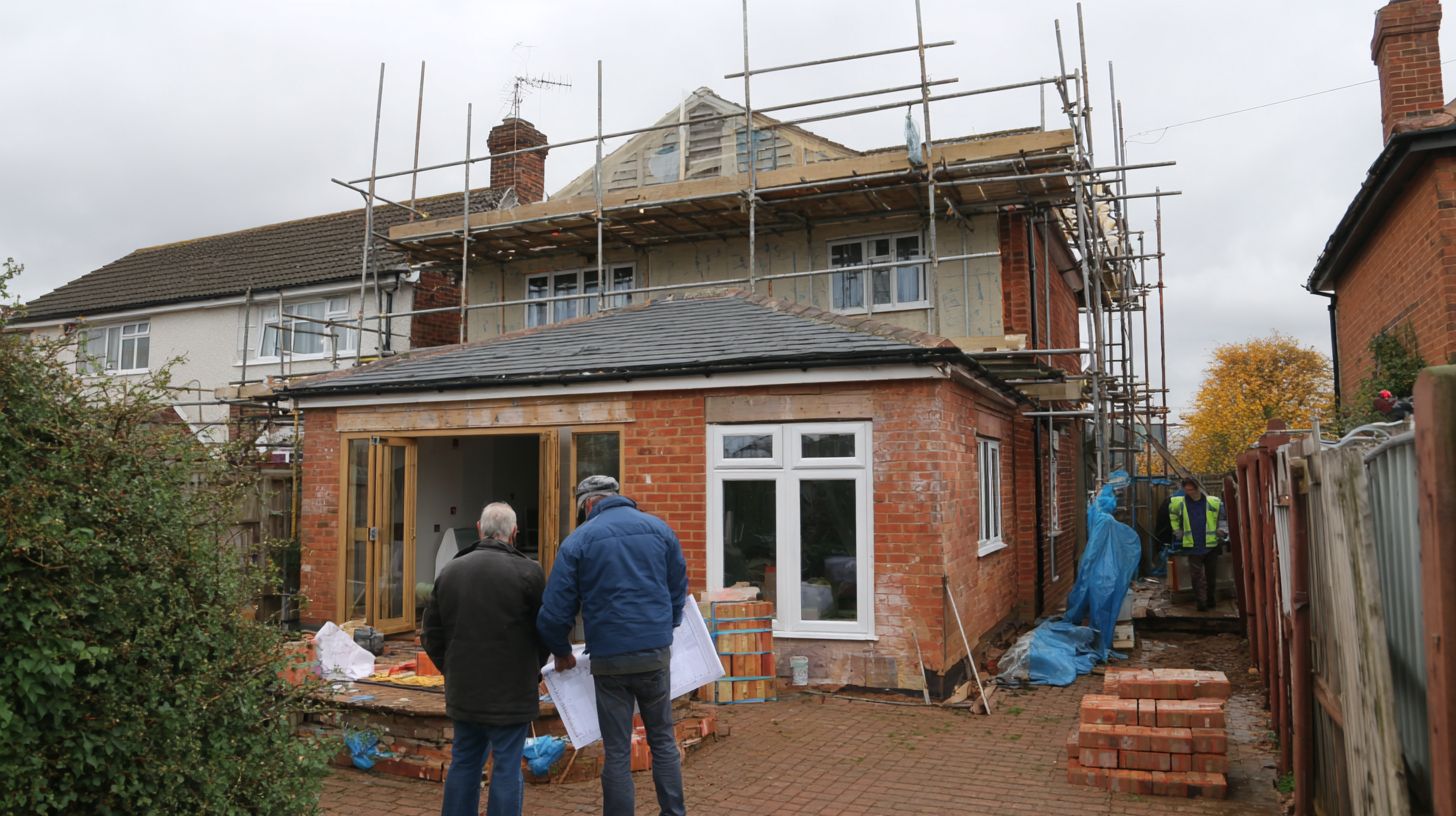
Structural approval is mandatory for any alterations to load-bearing walls, in accordance with Building Regulations Part A. Beams must be designed and sized appropriately by a qualified engineer, following relevant British Standards such as BS 5950 for steel or Eurocode 5 for timber, to ensure structural integrity. This helps mitigate structural failures in domestic buildings, according to research by the Health and Safety Executive in their Report RR 463 on avoiding structural collapses in refurbishment, which highlights key risks in such work.
To obtain approval, it is essential to comply with the following key criteria:
- For alterations to load-bearing walls, conduct structural engineering calculations in accordance with Eurocode 5. These assessments, which typically range from £500 to £1,000 in cost, are necessary to confirm the integrity of the structure.
- Select and size beams using steel rolled steel joists (RSJs). For instance, a 203×133 section is generally adequate for spans up to 4 metres, as per BS 5950 guidelines.
- Foundations for extensions must extend to a minimum depth of 1 metre if they project more than 0.5 metres from the existing ground level, in line with Building Regulations Part A.
It is critical to conduct soil tests where necessary, as oversights can lead to significant rework in projects.
A pertinent example of compliance involves an LABC-approved kitchen extension, where a 178×102 RSJ was installed to support redistributed loads following the removal of a load-bearing wall. This approach ensured structural safety and successfully passed inspection.
Electrical, Plumbing, and Energy Standards
Electrics in building extensions, including consumer units, sockets, and lighting circuits, must comply with BS 7671 (the IET Wiring Regulations), which requires residual current device (RCD) protection for all circuits. Non-compliance with electrical standards is a leading cause of domestic fires, as reported by Electrical Safety First.
To achieve compliance with these standards, consumer units or fuse boxes should be upgraded to the 18th edition specifications, incorporating circuits with a maximum rating of 32A, and all works must be certified by electricians registered with the National Inspection Council for Electrical Installation Contracting (NICEIC).
For plumbing systems in kitchens and bathrooms, including baths, showers, toilets, basins, and sinks, drainage gradients for 100mm pipes must be maintained at a minimum of 1:80 to mitigate the risk of blockages, in accordance with Building Regulations Part H.
Energy efficiency requirements under Part L of the Building Regulations necessitate the installation of heating systems such as boilers or heat pumps achieving at least 92% ErP efficiency for gas boilers, with heat pumps assessed via SCOP ratings. For installations involving oil storage tanks, these must be positioned no closer than 1.8 meters to site boundaries, as stipulated in BS 5410.
A pertinent case study illustrates the importance of regulatory adherence: a £2,000 penalty was imposed for unauthorised kitchen sink drainage that failed to meet the prescribed gradient standards, underscoring the necessity of conducting professional surveys prior to commencing any construction activities.
Exemptions and Permitted Development
Pursuant to Permitted Development Rights, minor building extensions—such as single-storey rear extensions with depths of less than 3 metres—are exempt from the requirement for full planning permission, subject to meeting specific size and location criteria, with building control approval potentially via the Competent Person Scheme where applicable. This exemption opens up practical opportunities for homeowners— our house extension plans and drawings demonstrate how to apply these rules effectively in your project design.
Specific Exemption Examples
A porch with a floor area under 3 m² at ground level qualifies for exemption from full building control requirements if constructed by a member of a Competent Person Scheme. This approach is evidenced by the Local Authority Building Control (LABC) data, which indicates approximately 60,000 self-certified projects annually.
Similar exemptions extend to various other structures. For example:
- Porches with a height not exceeding 3 m require no planning permission if they face forward and are not situated on designated land, in accordance with Planning Portal guidelines.
- Conservatories meeting depth limits (up to 3 m for attached houses or 4 m for detached) and other Permitted Development criteria may qualify for exemption from full planning permission, with building control potentially self-certified if over 50% glazed and thermally separated
- Open-sided carports subject to the 50% land coverage rule and height restrictions are exempt from controls if their height does not exceed 2.5 m.
- Covered yards, such as unenclosed pergolas under 4 m in height, require no approval provided they are not intended for habitable use.
To determine eligibility and proceed, applicants should utilise the interactive checklists available on the Planning Portal to verify compliance and obtain necessary certificates. In one documented instance, a homeowner realised savings of £8,000 on a 25 m² conservatory by submitting Competent Person Scheme documentation, which established regulatory compliance without the need for direct council oversight, as supported by Health and Safety Executive (HSE) Building Regulations data.
Assessing Your Project
The evaluation of your proposed extension commences with a comprehensive site survey, conducted by architects registered in the Royal Town Planning Institute (RTPI) directory and costing between £200 and £500. This survey assesses whether the project qualifies under permitted development rights.
Key Factors to Evaluate
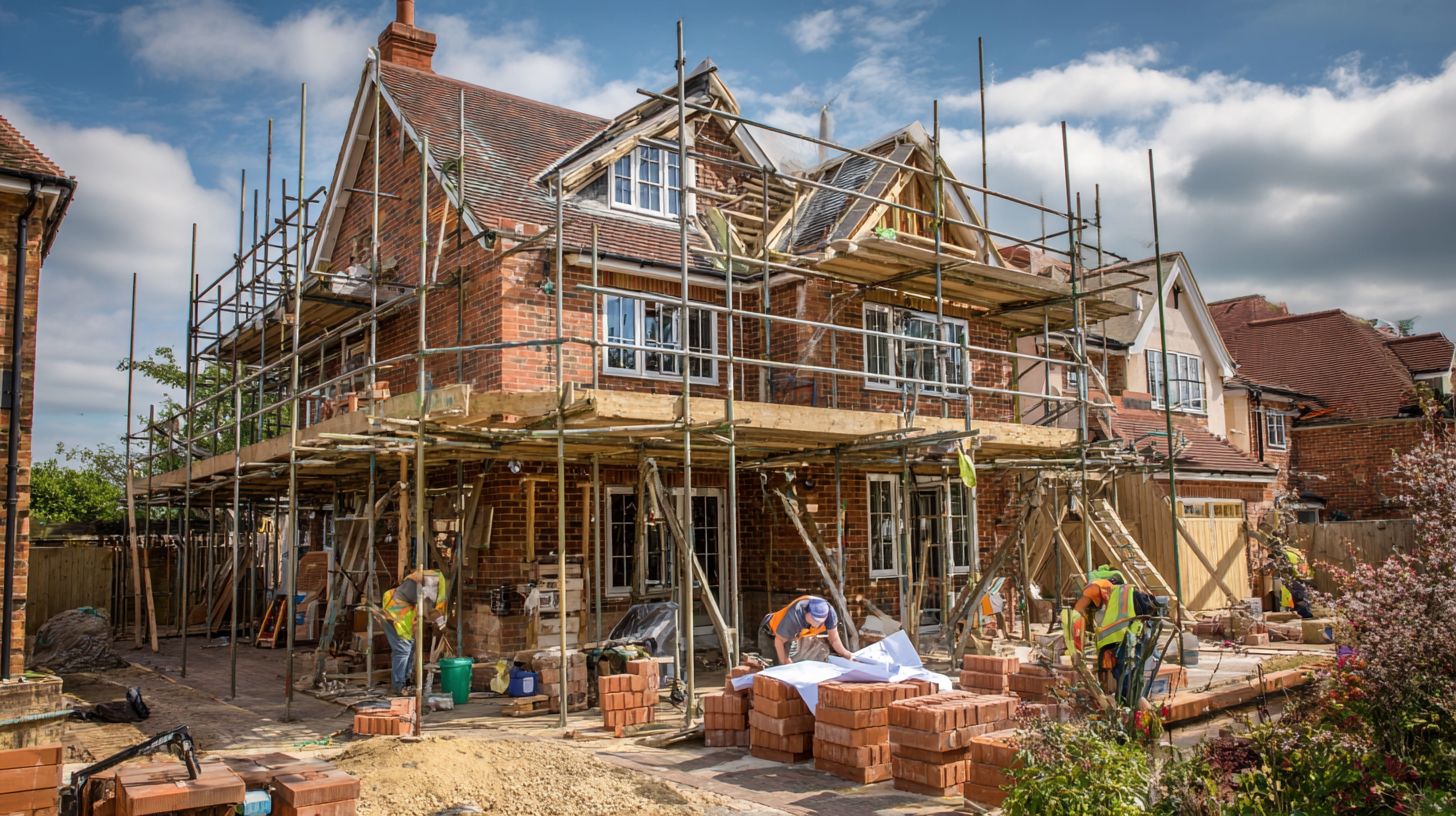
It is essential to assess the proximity to party walls in accordance with the Party Wall etc. Act 1996, which mandates notices for any works involving excavations within 3 metres that reach deeper than the neighbour’s foundations; this provision impacts approximately 40% of terraced house extensions.
To achieve compliance with Permitted Development rights for home extensions in the United Kingdom, it is imperative to evaluate the following six key factors, implementing the specified procedural steps:
- Land coverage relative to the 50% rule (extensions must not cover more than 50% of the land around the original house): Employ precision laser measuring devices to conduct accurate calculations and thereby prevent the imposition of overage fees.
- Roof alterations: Ensure that any side-facing windows or alterations do not overlook neighbouring properties and comply with height limits
- External doors and windows: Confirm that the U-value is less than 1.6 W/m²K in line with Building Regulations, through comprehensive energy audits.
- Load-bearing walls: Engage a qualified structural engineer, affiliated with the Royal Institution of Chartered Surveyors (RICS), to perform a survey at an approximate cost of £300.
- Impact on neighbouring properties: Obtain a Party Wall Agreement, which typically requires a two-month processing period facilitated by professional surveyors.
- Site-specific constraints: Review flood risk assessments using official maps provided by the Environment Agency, especially for Oil Tanks in flood-prone areas.
Common challenges arise from overlooking designated heritage zones, such as Conservation Areas (as identified via the Planning Portal).
Application Process Overview
The application process for obtaining building control approval typically spans 5-8 weeks on average. It begins with the submission of full plans through the Planning Portal, with associated fees ranging from £250 to £500. This approach is utilised in approximately 300,000 applications each year.
To optimise the submission process, adhere to the following structured steps:
- Seek pre-application advice from your local authority, a process that typically requires 1-2 weeks and may incur a fee of around £100 (fees vary by local authority). This enables early identification of potential issues, as advised by LABC guidelines.
- To develop accurate scale drawings and detailed structural specifications that mitigate delays, use CAD software while ensuring the inclusion of comprehensive drainage information, which impacts 15% of submissions due to incomplete documentation.
- Submit the application via the Planning Portal, accompanied by all requisite documents. For uncomplicated projects, consider electing a Building Notice option, which typically costs around £200 and the local authority must provide notice of acceptance or rejection within 2 days.
- Coordinate inspections at critical phases, including foundations, drainage, and project completion. Employ Competent Person schemes for electrical installations to expedite the approval timeline.
- Obtain the completion certificate, achieving a 95% compliance rate according to LABC data. The overall preparation and approval duration ranges from 8-12 weeks.
Consequences of Non-Compliance
Failure to comply with Building Regulations results in the issue of enforcement notices to 10,000 properties each year, with potential fines reaching £50,000 for hazardous installations, such as leaking oil tanks or uninsulated glazing units that fail to meet Part L standards.
Prevalent issues include:
- Structural risks, such as unsupported baths that may cause collapses—retrofit support beams at an estimated cost of £2,000, as evidenced by HSE case studies.
- Electrical hazards arising from fuse boxes without residual current devices (RCDs)—engage a qualified electrician registered under a Government-approved scheme to mitigate risks and avoid potential fines, according to Planning Portal guidance.
- Inadequate ventilation in shower and toilet areas leading to mould growth—install extraction systems providing a minimum airflow of 15 litres per second.
- Inefficient sink drainage permitting backflow—incorporate traps that conform to BS 5572 standards.
- Energy inefficiency due to uninsulated basins and inefficient heating systems—upgrade installations to achieve annual savings of £300 on energy bills, in adherence to Part L requirements.
Frequently Asked Questions
Do I need building regulations approval for an extension?
Yes, in most cases, you do need building regulations approval for an extension to ensure it meets safety, health, and energy efficiency standards. This applies to structural changes, electrical work, or anything affecting drainage. Always check with your local authority, as exemptions are rare for significant extensions.
Do I need building regulations approval for an extension under 3 metres in height?
Even if your extension is under 3 metres in height, you typically still need building regulations approval for an extension to comply with insulation, ventilation, and structural integrity rules. Height alone doesn’t exempt you; consult your local building control for specifics on your project.
Do I need building regulations approval for an extension that doesn’t alter the structure?
If your extension involves no structural changes, you might still need building regulations approval for an extension, especially for aspects like fire safety or electrical installations. Non-structural extensions aren’t automatically exempt—professional assessment is recommended to avoid issues.
Do I need building regulations approval for an extension in a conservation area?
Absolutely, you need building regulations approval for an extension in a conservation area, in addition to any planning permission required. These regulations ensure the extension preserves the area’s character while meeting modern building standards like accessibility and sustainability.
Do I need building regulations approval for an extension adding a single room?
Yes, adding a single room usually requires building regulations approval for an extension to verify it adheres to rules on soundproofing, lighting, and energy performance. Even small additions must pass inspections to ensure they’re safe and compliant.
Do I need building regulations approval for an extension without planning permission?
In England and Wales, you still need building regulations approval for an extension, even if it qualifies under permitted development without planning permission. Building regulations focus on construction quality, separate from land use permissions, so both may apply depending on your specific project scope.