
Key Takeaways:
Planning Permission Requirements

In England and Wales, approximately 60% of loft conversions qualify under permitted development rights. The remaining conversions, however, require full planning permission from local authority to ensure compliance with prescribed height and volume limitations for building work in terraced houses, semi-detached houses, and detached homes. If you’re undertaking work in shared properties, securing Party Wall Surveyor Services | Notices, Schedules & Awards can streamline neighbor notifications and legal agreements.
Permitted Development Rights
Under permitted development rights in England and Wales, loft conversions such as dormer loft conversions or velux conversions may proceed without planning permission provided that the additional roof space does not exceed 40 cubic metres for terraced house or 50 cubic metres for detached house or semi-detached house.
To determine eligibility, adhere to the following enumerated steps:
- Calculate the existing roof volume using professional software such as AutoCAD to ensure precise adherence to the 40/50 cubic metre threshold.
- Confirm the property type and location by consulting local authority maps accessible via gov.uk.
- Verify the absence of Article 4 restrictions, which are prevalent in conservation areas and impact approximately 15% of properties in England and Wales according to 2023 data from gov.uk.
Frequent errors involve neglecting to account for side elevations, potentially rendering permissions invalid. For instance, a Velux window loft conversion in a semi-detached house in Surrey received approval within four weeks following meticulous measurement verification, thereby circumventing potential fines of up to £20,000 as stipulated under the Town and Country Planning Act 1990.
When Full Permission is Needed
Full planning permission is required for loft conversions that exceed permitted development limits, including dormer extensions surpassing specified limits or projects that affect the rights of light and neighbour amenities for adjoining properties. This requirement contributed to the rejection of 25% of applications by local authorities in England and Wales in 2022.
Key scenarios necessitating full planning permission include:
- Volume increases exceeding 50 cubic metres for detached or semi-detached houses or 40 cubic metres for terraced houses in England and Wales, in accordance with the Town and Country Planning (General Permitted Development) Order 2015;
- The inclusion of balconies or verandas, which are prohibited under Class B permitted development rights;
- Projects involving listed buildings or conservation areas, where full approval is mandatory, as stipulated by relevant planning policies in England and Wales.
To initiate the process, applications must be submitted through the Planning Portal (with a fee of £258 in England and £230 in Wales) and accompanied by detailed architectural drawings. For example, in a case handled by Camden Council, an initially rejected dormer extension was approved following adjustments to address rights of light concerns, thereby reducing processing delays from six months to eight weeks.
Building Regulations Compliance
All loft conversions in England and Wales are required to comply with Building Regulations Part L, which addresses energy conservation including renewable energy options like solar panels. This entails achieving a U-value of 0.18 W/m²K or better for insulation materials in insulation ventilation systems.
Failure to adhere to these standards may result in enforcement action, including fines, as imposed by building control officers under the Building Act 1984.
Along with Part L (as detailed in the Conservation of fuel and power: Approved Document L published by the UK Government), compliance with other relevant regulations is essential. The following actionable measures ensure adherence to key provisions:
- Part A (Structure): Confirm that floor and roof structures can bear the additional load from the conversion. Engage a professional architect or structural engineer to perform beam calculations, with costs typically ranging from £500 to £1,000, and consider surveyor appointment for party structure issues.
- Part B (Fire Safety): Incorporate 30-minute fire-resistant escape routes, such as protected staircases. For instance, a loft conversion previously failed inspection due to insufficient fire-stopping measures, which were rectified by installing £1,500 worth of insulation.
- Part F (Ventilation): Implement mechanical ventilation systems, including MVHR units (priced at £2,000–£4,000), particularly in airtight environments. Similar principles apply to other conversions like garages, worth exploring in our Garage Conversion Guide | Planning, Regs & Build Details.
Legal Obligation to Notify Neighbours
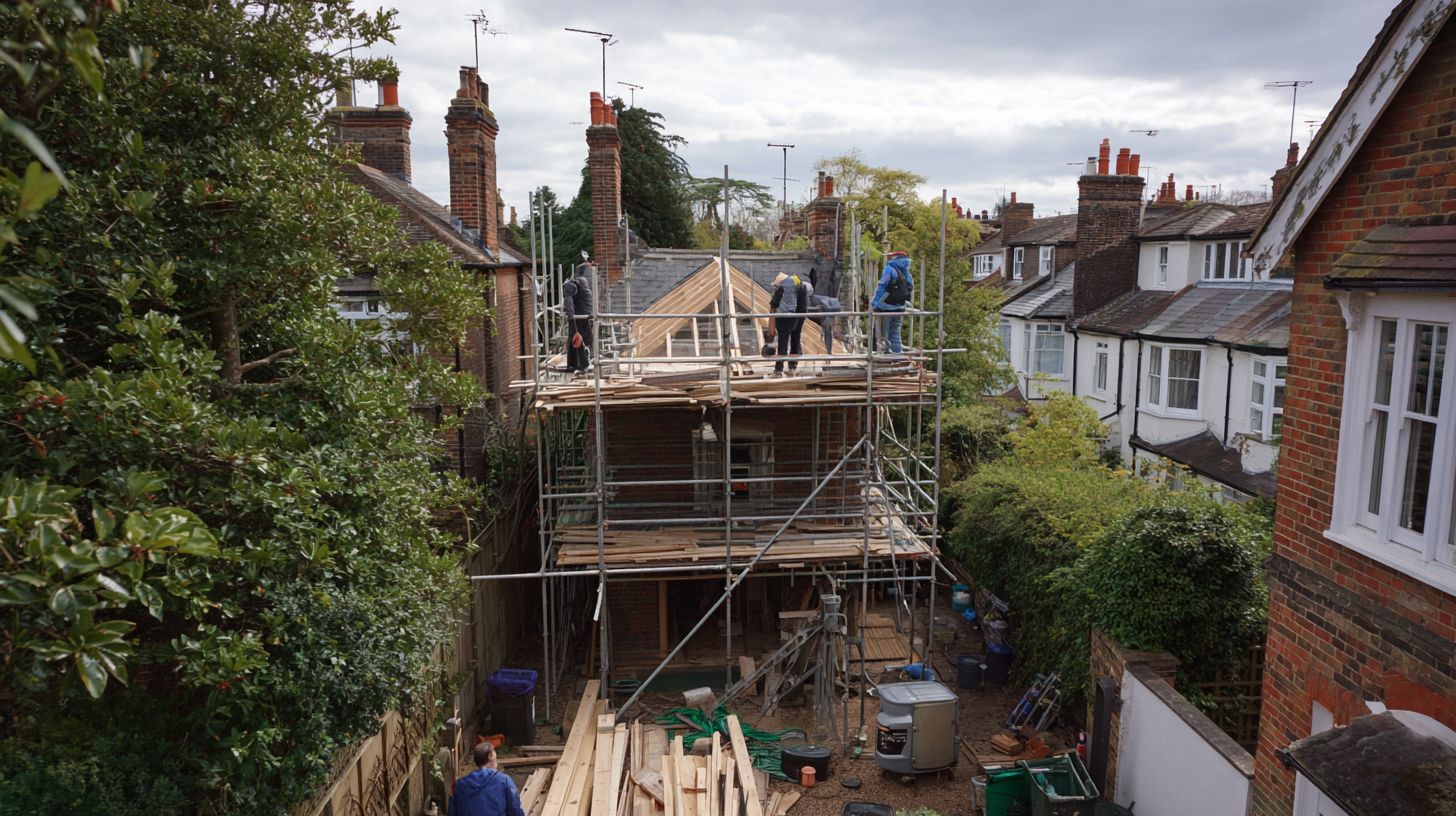
Under the Party Wall Act 1996, neighbour notification is required for loft conversions that involve shared walls, boundary walls, or excavation near boundaries within 3 to 6 metres of neighbouring boundaries at foundation level. This legislation applies to approximately 70% of terraced and semi-detached properties in England and Wales.
During Planning Applications
Upon submission of a full planning application in England and Wales, local authorities mandate a 21-day neighbour consultation period, during which all properties within a 20-metre radius must be notified through site notices or formal letters.
To ensure compliance, adhere to the following procedures:
- Identify neighbouring properties by consulting HM Land Registry maps, which are accessible online for a fee of £3 per title. This step guarantees precision in addressing all freeholders and leaseholders.
- Prepare comprehensive notification letters that incorporate site plans and drawings. Use complimentary templates provided by the Royal Institute of British Architects (RIBA) to detail the project details and include relevant contact details.
- Include copies of the notifications alongside your application submission through the Planning Portal website.
Frequently encountered challenges include incomplete addresses, which, according to a 2022 study by the Royal Town Planning Institute (RTPI), result in delays for approximately 10% of cases.
For example, Bristol City Council has observed that the implementation of proactive follow-up emails reduces objections by 40%, thereby enhancing community engagement and relations.
For Permitted Developments
Even for permitted developments, the Party Wall Act mandates the serving of a party wall notice at least two months prior to commencing building work on shared walls or boundary walls. Failure to comply may result in the issue of court orders and stoppage orders.
Under Section 3 of the Act, essential notifications include the line of junction notice, which applies to construction on or adjacent to the boundary, and the party structure notice, which pertains to modifications of shared structures.
For a line of junction notice, such as the chimney removal or building a wall taller than the boundary:
- Serve a written notice specifying the details of the proposed work;
- Include relevant plans and indicate a commencement date no earlier than two months from the date of service;
- Allow the recipient 14 days to provide consent or dissent.
For party structure notices, such as those involving structural alterations:
- Provide notification with comprehensive details of the work;
- Specify the proposed timelines;
- Await the recipient’s response to mitigate potential disputes.
It is advisable to utilise free templates formatted in accordance with RICS standards to ensure precision. Engaging a party wall surveyor typically incurs costs ranging from £1,000 to £2,000, yet this investment guarantees adherence to regulatory requirements.
A 2022 study conducted by the RICS revealed that early notices achieve consent rates of 85 per cent, in contrast to the frequent disputes arising from delayed notifications.
Reasons to Inform Neighbours Proactively
According to a 2023 report from the Royal Institution of Chartered Surveyors (RICS) by an RICS member, proactive notification of neighbours can reduce the risk of neighbour disputes by 60% through dispute resolution methods like mediation or arbitration. This measure effectively prevents costly delays in loft conversion projects, which average £500 per day in lost productivity and legal fees.
Avoiding Objections and Disputes
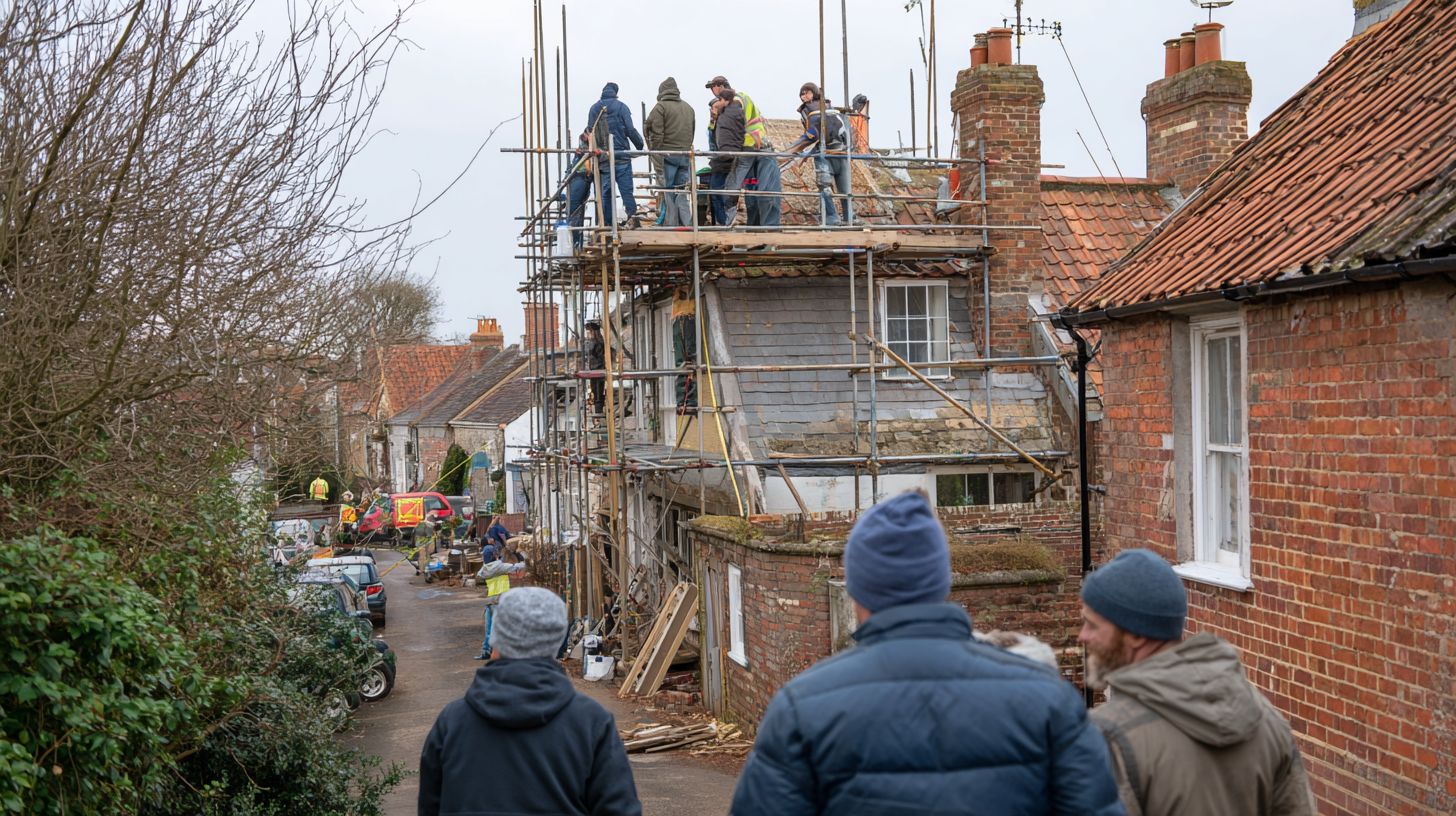
Initiating neighbourly consultation with neighbours at an early stage can prevent up to 75% of potential objections, thereby avoiding costly legal disputes, such as disagreements over dormer loft conversions that result in court orders and halts costing thousands of pounds, including award document and schedule condition reviews.
Proactive discussions with neighbours provide a measurable return on investment, typically saving between £5,000 and £10,000 in surveyor and legal fees by resolving potential issues before they escalate.
The following real-world examples demonstrate the effectiveness of this approach:
- To address construction noise-related concerns, implement phased construction schedules, such as limiting work to weekdays between 8am and 6pm. This strategy can facilitate swift approval in home extension projects.
- Alleviate privacy apprehensions by committing to screening measures, such as 2-metre-high fences, which can prevent disputes arising from overlooking.
Under the Party Wall Act, formal dissent procedures frequently lead to awards exceeding £7,000, according to Royal Institution of Chartered Surveyors (RICS) data. However, the preparation of a schedule of condition can successfully resolve concerns regarding foundation excavation through amicable negotiation, thereby avoiding litigation entirely.
Preserving Community Relations
Establishing positive relationships through open and transparent communication strengthens community bonds. According to a 2022 survey, 90% of homeowners in England and Wales reported improved interactions with their neighbours following renovation projects.
To facilitate this, it is advisable to organise pre-construction meetings using platforms such as Zoom, allocating 30 minutes for virtual sessions to present detailed renovation plans and proactively address any potential concerns. Additionally, disseminating weekly progress updates via community applications like Nextdoor ensures that neighbours remain informed and engaged throughout the process.
For example, the owner of a semi-detached house successfully secured neighbour approval for the installation of solar panels by implementing these practices, thereby circumventing expensive arbitration proceedings and realising cost savings of £3,000.
In case of disputes, adherence to the mediation guidelines provided by the Centre for Effective Dispute Resolution (CEDR) is recommended. These guidelines emphasise collaborative approaches that promote enduring harmony, rather than simply averting immediate conflicts.
Such strategies not only cultivate trust but also deliver a measurable return on investment, manifested in more efficient project execution and the development of robust community relationships.
Practical Steps for Notification
Effective notification under the Party Wall etc. Act 1996, applicable in England and Wales (while Scotland follows different regulations), requires the service of a formal party wall notice, utilising templates approved by the Royal Institution of Chartered Surveyors (RICS). Appointments with qualified surveyors, typically costing between £800 and £1,500, are necessary to draft the notice and manage responses, which must be addressed within 14 days.
To ensure full compliance with the Act, adhere to the following structured steps:
- Evaluate the scope of notifiable works, including excavations exceeding 3 metres in depth adjacent to boundaries or constructions extending above an existing party wall by more than 2 metres. Refer to RICS guidelines to prevent oversights, such as failing to account for structural modifications.
- Deliver the notice by recorded post, employing free templates approved by the RICS, thereby providing adjoining owners with 14 days to submit their response.
- Address consent dissent accordingly: If consent is granted, works may proceed; in the absence of consent dissent, engage a jointly appointed surveyor who is a member of the RICS, as detailed in our Party Wall Surveyor Services for notices, schedules, and awards.
- Upon dissent, negotiate and formalise a party wall award document, a process that generally spans 1 to 2 months.
Associated costs are itemised as follows:
- Preparation of the notice: £100–£200
- Surveyor fees: £800–£1,500
- Potential total for the award: £1,000 or more
In a case study involving a Velux conversion in a terraced house, as documented by the RICS, proactive notification prior to commencing works secured consent and thereby avoided approximately £4,000 in legal expenses.
Frequently Asked Questions
Do you need to inform neighbours about loft conversion?
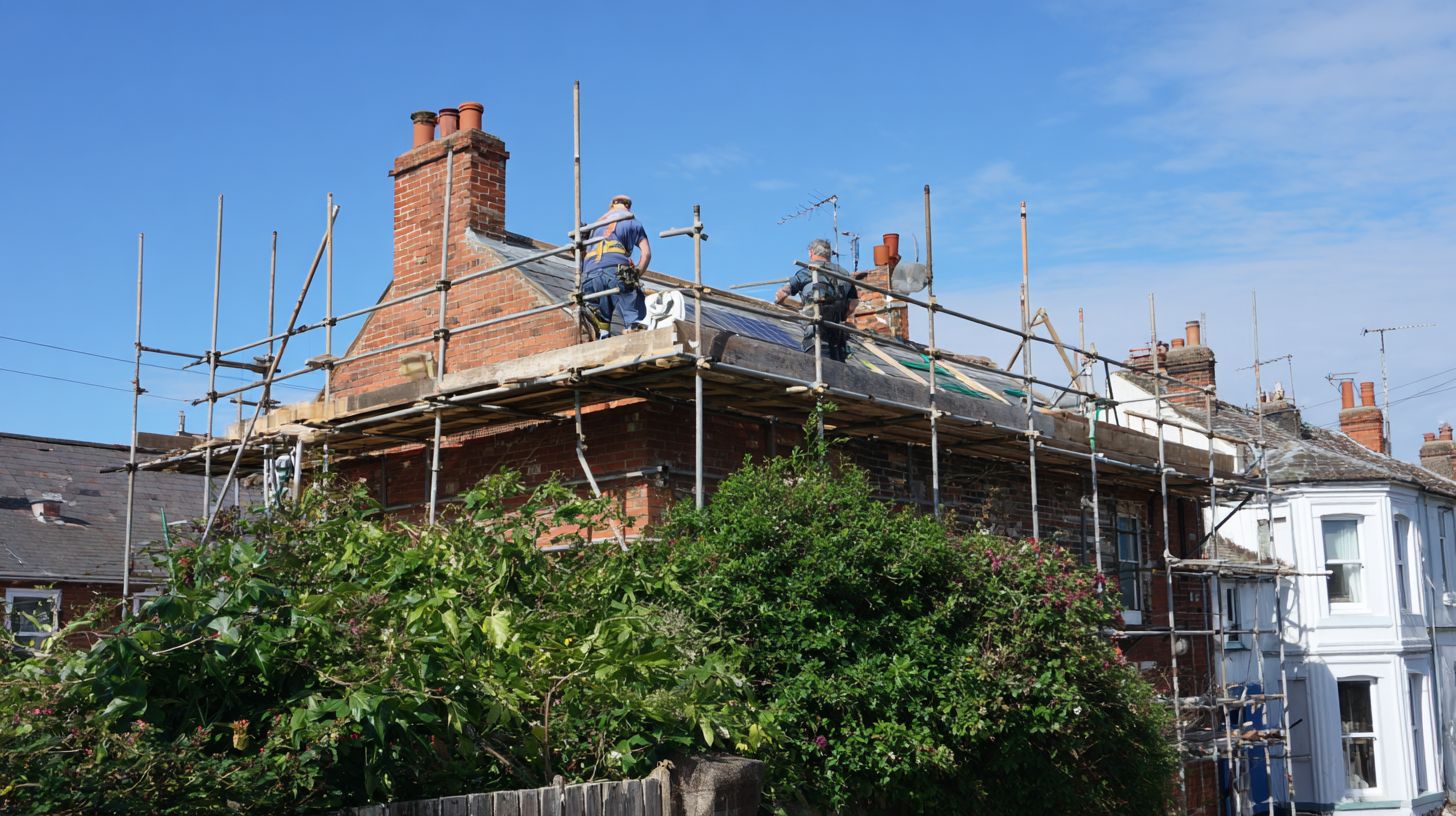
No, you are not legally required to inform your neighbours about a loft conversion if it falls under permitted development rights in England and Wales, as long as it doesn’t require full planning permission. However, it’s often a good idea to notify them voluntarily to maintain good relations and address any potential concerns early.
Is it mandatory to notify neighbours before starting a loft conversion?
Under standard permitted development rules in England and Wales, you do not need to inform neighbours about loft conversion projects that stay within the guidelines, such as height and extension limits. But if your project requires planning permission, local authorities may consult neighbours as part of the process, making informal notification advisable.
What happens if a loft conversion impacts neighbours without informing them?
If your loft conversion affects neighbours’ privacy, light, or enjoyment of their property without prior notice, they could complain to the council, potentially leading to enforcement action. While you don’t legally need to inform neighbours about loft conversion for permitted developments, transparency can prevent disputes.
Should you inform neighbours about loft conversion plans during the design phase?
It’s not obligatory, but informing neighbours about loft conversion ideas early in the design phase allows you to gather feedback and make adjustments, avoiding future conflicts. This courteous step can foster goodwill, even though formal notification isn’t required for most straightforward conversions.
Do planning rules for loft conversions require neighbour consultation?
For loft conversions needing full planning permission—such as those in conservation areas or exceeding size limits—local councils in England and Wales will typically notify and consult neighbours. If it’s just permitted development, you do not need to inform neighbours about loft conversion yourself, but keep records of compliance.
Can neighbours object to a loft conversion if not informed in advance?
Neighbours can object if the loft conversion breaches regulations or affects them adversely, regardless of prior notification. However, since you don’t need to inform neighbours about loft conversion under permitted development in England and Wales, objections are less likely if you adhere to guidelines; otherwise, they might trigger an investigation.