
Imagine your neighbour’s loft conversion disrupting your peace without a Party Wall Agreement in place—what happens next? Under the Party Wall Act 1996, adjoining owners like you have vital rights to safeguard shared party walls from potential damage. This guide unpacks the legal implications, immediate consequences like seeking a court injunction to halt work, and actionable steps to seek retrospective notice, appoint surveyors, and protect your property.
Key Takeaways:
–Understanding the Party Wall Act
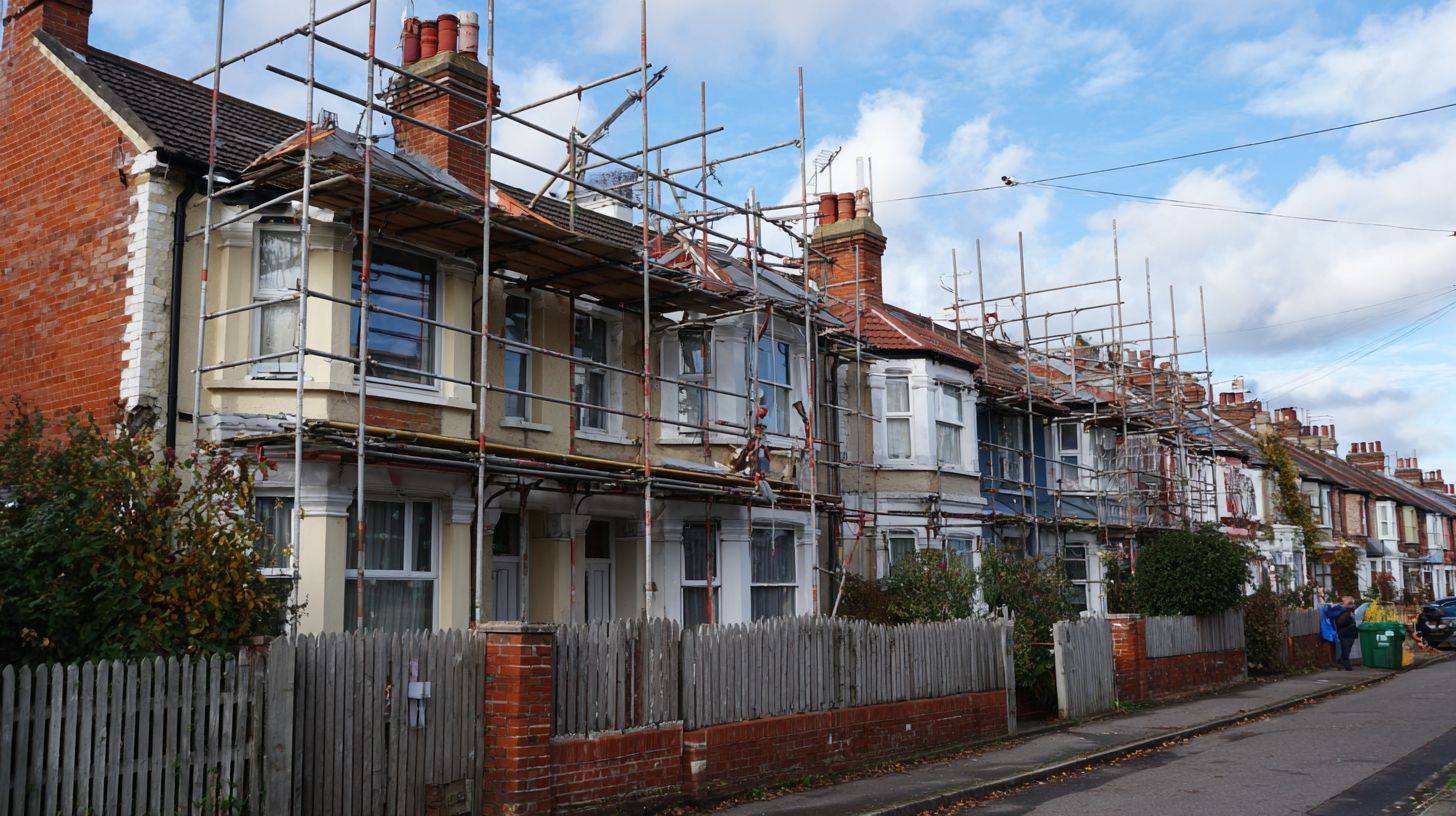
The Party Wall Act 1996, as detailed in the UK Government’s explanatory booklet, regulates construction projects in England and Wales that involve shared boundaries, thereby providing protection to adjoining owners against potential damage arising from building works. Those interested in how these regulations apply to specific extensions like conservatories will find our Planning & Building Regulations For Conservatories in UK guide particularly useful.
What is a Party Wall Agreement?
A Party Wall Agreement, also referred to as a party wall award, constitutes a formal document governed by the Party Wall Act 1996. It delineates the conditions under which works impacting shared walls between the building owner and adjoining owners may proceed.
For example, in the context of a loft conversion in a semi-detached house or detached home, the agreement may authorise the builder’s access to the adjoining owner’s side for surveying purposes and stipulate compensation for any disruptions caused by noise or dust, thereby minimising the potential for disputes and preserving neighbour relations.
The key components of such an agreement typically encompass:
- Access rights: Comprehensive permissions regarding entry and associated work timelines.
- Schedule of condition: Photographic and descriptive documentation of the adjoining property’s pre-existing state.
- Counter-notice provisions: Opportunities for adjoining owners to provide consent, dissent, or alternative proposals within 14 days.
- Dispute resolution mechanisms: Procedures for appointing surveyors in accordance with Royal Institution of Chartered Surveyors (RICS) guidelines.
The RICS offers standardised template forms, including the Party Wall Award Template.
To ensure compliance, it is recommended to review property deeds at an early stage to identify shared boundaries and to serve notice at least two months in advance, as required by the Act.
Key Provisions of the Act
The Party Wall Act 1996 establishes requirements for following the notification process by serving a party wall notice at least two months prior to commencing works, necessitating either mutual agreement or the appointment of surveyors to adjudicate any legal disputes arising from proposed structural changes.
Key provisions under Sections 1 to 10 of the Act encompass the following:
- Types of notices, including line of junction notices (Section 1) for the construction of new walls on boundaries, party structure notices (Section 3) for modifications to existing structures, and excavation notices (Section 6) for works exceeding 3 metres in depth.
- Response timelines, which mandate that adjoining owners provide a reply within 14 days (Section 4), failing which dissent is deemed to have occurred.
- Surveyor fees, which are to be shared equally between parties and typically range from £1,000 to £2,000 according to Royal Institution of Chartered Surveyors (RICS) data (Section 10).
- Dispute resolution mechanisms, facilitated through the appointment of an independent surveyor or “agreed surveyor” (Section 10).
- Safeguards against unreasonable refusal, permitting works to proceed following resolution of disputes (Section 12).
Case studies, for example, demonstrate how boundary wall disputes have been efficiently resolved under these provisions, thereby averting significant project delays, associated costs, and financial risks.
Loft Conversions and Party Wall Implications
Loft conversions in attached properties, such as terraced houses, frequently implicate party wall legislation, necessitating a meticulous evaluation to mitigate the risk of legal proceedings and resultant project delays.
When Does a Loft Conversion Trigger the Act?
A loft conversion activates the provisions of the Party Wall Act 1996 when it entails structural modifications to shared walls, such as the removal of a load-bearing chimney breast in a terraced property.
The following are common scenarios that necessitate notification under the Party Wall Act:
- Installation of steel beams into or cutting into a party wall, requiring a Party Structure Notice at least two months in advance.
- Dormer loft extensions that modify boundary lines, such as extensions projecting over the party wall, which require agreement from neighbouring properties and parties.
- Any loft conversion works, including Velux window installations, that require scaffolding or access encroaching onto the adjoining property.
- Excavations for foundations in proximity to shared structures, such as digging to a depth exceeding 3 metres below the level of the neighbour’s foundations.
Following guidance from the Royal Institution of Chartered Surveyors (RICS), conducting early surveys is advisable to mitigate potential disputes, addressing environmental issues with sustainable solutions.
Property owners may self-assess their project using the following checklist:
- Does the work impact a shared wall?
- Does it involve excavation within 3 metres of the neighbour’s property that exceeds the depth of their foundations, or within 6 metres if sloping?
- Does it require access to the neighbour’s property?
- Does it alter load-bearing elements?
Should any of these criteria apply, it is recommended to engage the services of a qualified party wall surveyor.
Types of Notifiable Works
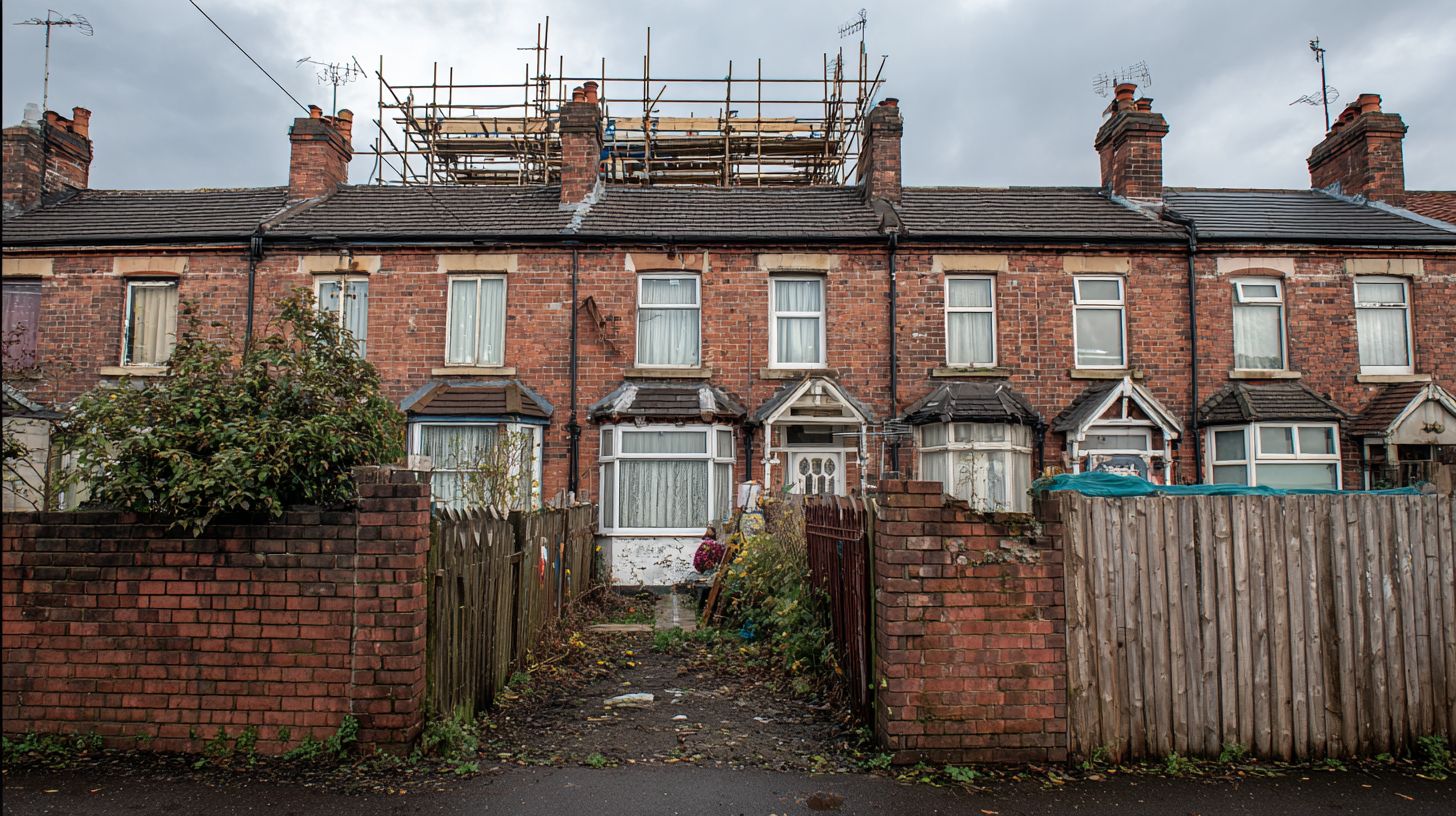
Under the Party Wall etc. Act 1996, notifiable works encompass any construction activities conducted within 3 to 6 metres of a party structure, including excavations for loft conversions in semi-detached properties.
The Act identifies key categories of works that necessitate the service of a notice upon adjoining owners. These include:
- **Party Structure Works**: Alterations to shared walls, such as the insertion of steel beams, require the issuance of a Party Structure Notice at least two months in advance. This notice must provide a detailed description of the proposed works and associated timelines.
- **Line of Junction**: Construction that straddles the boundary line, for example, the erection of a new wall, demands a Line of Junction Notice and the attainment of mutual agreement between parties. In case of disputes, resolution may involve the appointment of surveyors.
- **Excavation**: For excavations exceeding 3 metres in depth in proximity to neighbouring properties (as outlined in Section 6), a notice must be served, accompanied by detailed plans and specifications for protective measures.
Guidance from the Royal Institution of Chartered Surveyors (RICS) emphasises common pitfalls, such as failing to address overlaps with planning permission and building regulations, which can result in project delays of several months. It is advisable to engage a licensed surveyor at an early stage to mitigate such risks.
Legal Requirements for Neighbours
Adjoining owners are required to respond to a party wall notice within 14 days, either by providing consent or by serving a counter notice to safeguard their interests in accordance with the Party Wall Act 1996.
To manage this process effectively, adhere to the following key steps:
- Acknowledge the notice promptly to prevent deemed dissent, which may permit the proposed works to proceed without your involvement.
- Request a schedule of condition to record the pre-works state of your property; this service, typically costing £300–£500, can be obtained through surveyors accredited by the Royal Institution of Chartered Surveyors (RICS).
- Engage in the preparation of a party wall agreement that delineates access rights and protective measures.
Implement these steps by following the guidance in our Party Wall Advice for Adjoining Owners, which provides templates and further details on protecting your rights.
In a documented case involving a dormer loft conversion in London (as detailed in a 2022 RICS case study), failure to respond resulted in enforcement proceedings in the county court after 28 days.
For any disputes arising, consider mediation through the RICS, which generally resolves matters within 4–6 weeks, or appoint surveyors to issue a formal award (typically requiring 8–12 weeks).
If necessary, escalate the matter to the magistrates’ court in line with the timelines stipulated in the Act.
Immediate Consequences of No Agreement
The failure to obtain a party wall agreement may result in the immediate suspension of construction activities. According to the 2024 Dispute Boards International Survey, 25% of disputes arising from such failures escalate to the granting of injunction halt orders.
Work Stoppage Orders
In the absence of a party wall agreement, adjoining owners may seek a work stoppage order from the county court, which can suspend construction activities within a matter of days and result in legal expenses of up to £5,000.
To obtain such an order pursuant to the Party Wall etc. Act 1996, the following numbered steps should be followed:
- Serve a counter-notice within 14 days of receiving the initial notice, detailing the specific concerns.
- Should the developer fail to respond, apply to the county court under Section 10 for an injunction.
- Submit evidence of non-compliance, such as photographic documentation of unauthorised structural alterations.
In a reported case before the High Court in England, a loft conversion project in a detached property was halted for three months following proof of violations by neighbouring parties, incurring approximately £3,200 in fees for the builder. To mitigate such risks, it is advisable to pursue early mediation, which frequently resolves disputes prior to litigation at a cost of less than £500.
Potential Damage and Liability
Conducting unauthorised works on party walls during loft conversions may result in structural damage, thereby imposing liability for repair costs estimated at £10,000 to £50,000, based on industry damage claims data.
Claims for Property Damage
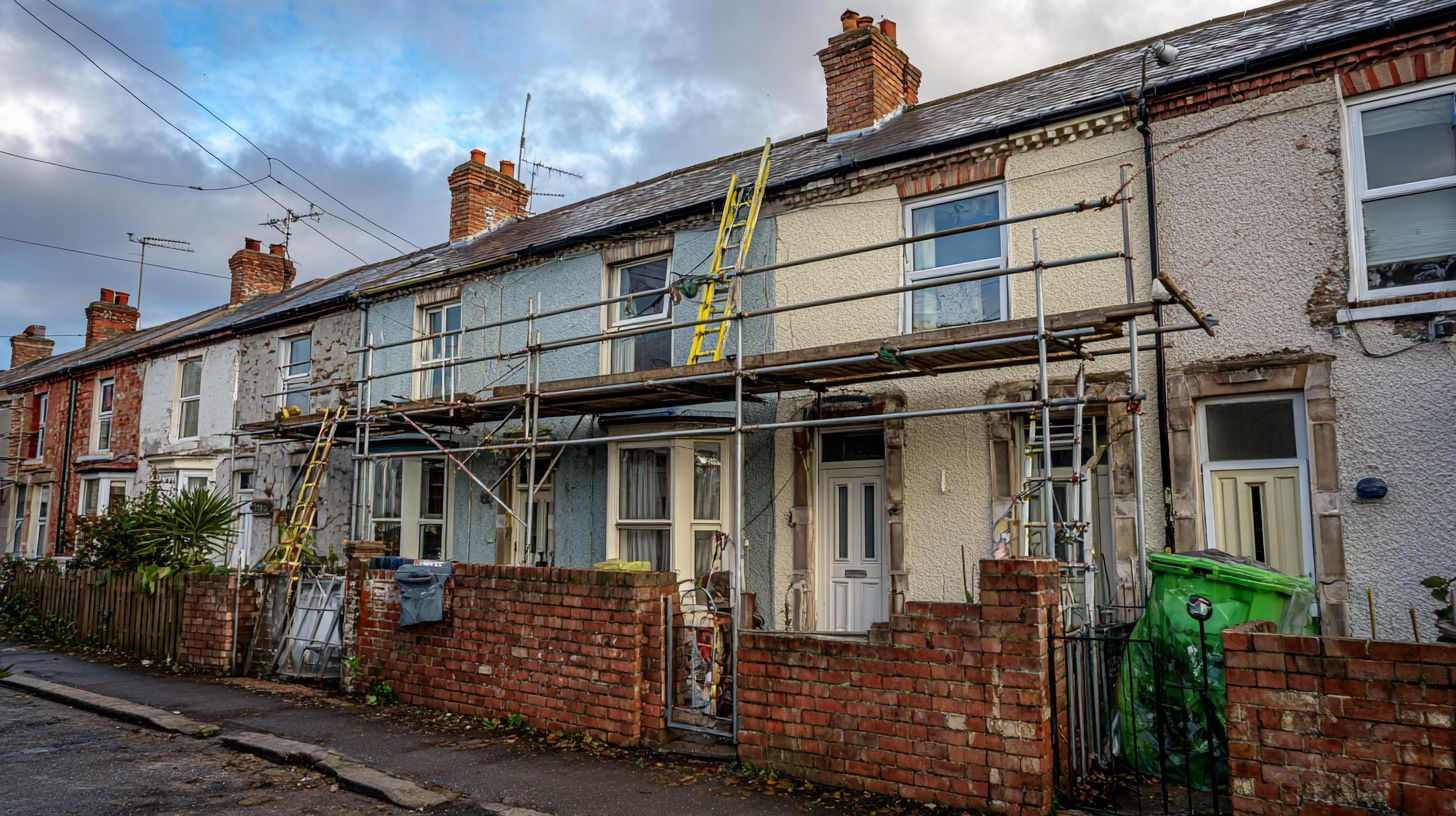
Adjoining owners may pursue claims for damages following the completion of works, utilising a schedule of condition to substantiate issues such as cracks arising from the installation of steel beams within a party structure.
To construct a robust claim, the following steps are recommended:
- Identify specific defects, for example, vibration-induced damage occurring during Velux Conversion in loft extensions.
- Compile substantive evidence, including photographs taken before and after the works, structural surveys, and witness statements to demonstrate any alterations.
- Engage an independent party wall surveyor, whose average fees typically amount to approximately £1,200 under UK standards, to conduct an assessment and facilitate mediation.
Industry data indicates that 60% of disputes are resolved through a formal award, whereas 20% proceed to litigation.
For example, in a case involving a Terrace House in London where a chimney breast was removed, the adjoining owner successfully obtained £15,000 in compensation to address cracks and associated repairs.
Your Rights as an Affected Neighbour
Affected neighbours possess certain rights under the Party Wall Act 1996, including the ability to object to unreasonable works, request surveys, and pursue compensation, even in cases involving renewable energy installations such as solar panels on shared boundaries.
Key rights encompass the following:
- Right to notice and response: Affected parties are entitled to at least two months’ notice for notifiable works, providing sufficient time to lodge a formal objection.
- Access for schedule condition: A pre-work survey may be requested to record the existing condition of the property, thereby mitigating potential disputes regarding damage.
- Appointment of an independent surveyor: An independent expert may be engaged to conduct impartial assessments, with associated costs typically ranging from £500 to £1,000 in England and Wales.
- Refusal of dangerous works: Load-bearing modifications that pose risks to structural integrity, such as excavations for unsupported solar panel frames, may be vetoed.
- Compensation for inconvenience: Claims may be made for disruptions, such as installation-related noise, with awards generally amounting to £500–£2,000.
- Involvement in the party wall award: Affected parties have the right to participate in the formulation of a legal agreement that delineates the scope of works and necessary protections.
Steps to Address the Issue
Retrospective resolution of party wall issues necessitates a systematic approach involving structured steps to minimise potential delays. According to data from the Royal Institution of Chartered Surveyors (RICS), surveys successfully resolve 80% of such disputes.
Seeking Retrospective Notice
Pursuing retrospective notice under the Party Wall etc. Act 1996 permits ongoing construction activities to proceed lawfully, albeit necessitating prompt submission of the application. This process frequently incurs additional expenses for surveyor services, ranging from £800 to £1,500.
To apply effectively under the Party Wall etc. Act 1996, adhere to the following structured procedures:
- Inform the building owner of the non-compliance within 14 days of its identification, with reference to Section 3 of the Act.
- Engage a qualified surveyor to issue a formal retrospective party wall notice, providing comprehensive details of the works involved, such as foundation installations or excavations.
- Establish interim protective measures, including vibration monitoring for adjoining walls, utilising equipment such as the Instantel seismograph.
- In case of refusal, proceed to mediation through the Royal Institution of Chartered Surveyors (RICS), which typically concludes within 2 to 4 weeks.
A frequent error is procrastination in initiating these steps, which may escalate costs by up to 50%. For example, in a 2018 RICS case study concerning excavation work on boundary walls in a Semi-Detached House in London, such delays resulted in court expenses surpassing £2,000.
Appointing Surveyors
The appointment of a party wall surveyor, preferably one accredited by the Royal Institution of Chartered Surveyors (RICS), is essential for the preparation of party wall awards. Opting for a joint appointment can yield savings of 30-50% on fees, which typically average £1,000 per party.
To ensure effective compliance with the Party Wall etc. Act 1996, the following numbered steps should be adhered to for the appointment and execution process:
- Select a qualified surveyor from the RICS directory of faculty surveyors, such as a member of the Faculty of Building Surveyors, while ensuring their impartiality.
- Agree upon the terms of engagement, including hourly fees ranging from £150 to £250, and delineate the scope of work in a formal letter.
- Conduct a joint survey to prepare a schedule of condition, which documents the existing state of the neighbouring property prior to the commencement of works.
- Draft the party wall award, specifying the permitted works—such as dormer loft conversions—along with associated timelines and responsibilities.
Challenges may arise from biased appointments, which can precipitate disputes. For instance, in a resolved case involving the installation of a steel beam in a detached home in London (as referenced in RICS case studies), an independent surveyor mediated the matter effectively, preventing further escalation and securing compliance within weeks.
Frequently Asked Questions
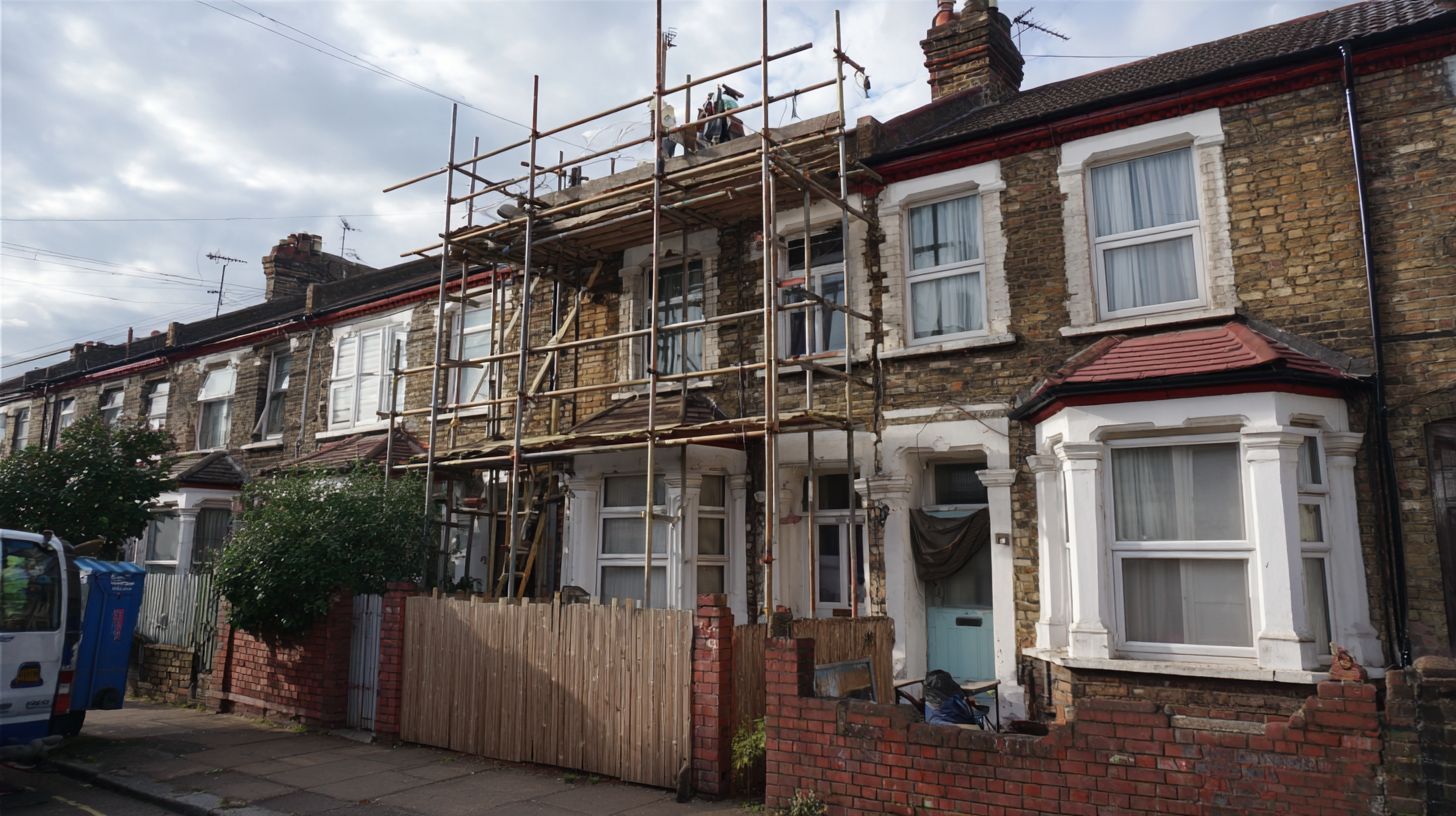
What happens if my neighbour converts their loft without a party wall agreement?
If your neighbour proceeds with a loft conversion without obtaining a party wall agreement, they may be in breach of the Party Wall Act 1996 in England and Wales. This could lead to legal action from you, including an injunction to stop the work until an agreement is made. You have the right to request a surveyor’s involvement to protect your property interests, and any damage caused could result in compensation claims.
Can I stop work if my neighbour converts their loft without a party wall agreement?
Yes, you can potentially halt the loft conversion by notifying your neighbour of their non-compliance with the Party Wall etc. Act 1996 in England and Wales. You can seek a court injunction to pause activities. Consulting a party wall surveyor early can help formalise your objections and ensure the process follows legal requirements.
What are the legal consequences if my neighbour converts their loft without a party wall agreement?
The legal consequences if your neighbour converts their loft without a party wall agreement in England and Wales include court orders to undo the work, liability for any structural damage to your property, and responsibility for all associated legal costs. Under the Party Wall etc. Act 1996, not serving the required notices can make the neighbour liable, and you may claim compensation if your home is affected.
How do I respond if my neighbour converts their loft without a party wall agreement?
If your neighbour converts their loft without a party wall agreement, first send a formal letter demanding compliance with the Party Wall Act. If ignored, involve a qualified surveyor to act on your behalf. This can lead to a party wall award outlining protections, preventing disputes and safeguarding your rights during the conversion.
Does insurance cover issues if my neighbour converts their loft without a party wall agreement?
Standard home insurance may not cover damages arising from issues if your neighbour converts their loft without a party wall agreement, as it could be seen as unauthorised work. Check your policy for neighbour dispute clauses, and consider specialist party wall insurance. Resolving via the Act first is advisable to avoid claim denials and out-of-pocket expenses.
What rights do I have if my neighbour converts their loft without a party wall agreement?
In England and Wales, as an Adjoining Owner under the Party Wall Act 1996, you retain strong rights if your neighbour in a Terrace House, Semi-Detached House, or even Detached Home converts their loft without serving a Party Wall Notice or obtaining a Party Wall Agreement. This could involve a Loft Conversion, such as a Dormer Loft Conversion or Velux Conversion, potentially affecting the load bearing structure, including the Chimney Breast, requiring Steel Beams, or the Boundary Wall. What happens if they proceed without agreement? You can refuse access until a Party Wall Agreement is in place, appoint a Party Wall Surveyor, such as one from the Royal Institution of Chartered Surveyors (RICS), to monitor works, resolve disputes via a Party Wall Award, and create a Schedule of Condition. These include pursuing remedies for nuisance or damage. Early intervention preserves your property’s integrity and can enforce fair compensation.