
Key Takeaways:
Overview of Warm and Cold Deck Roofs in the UK
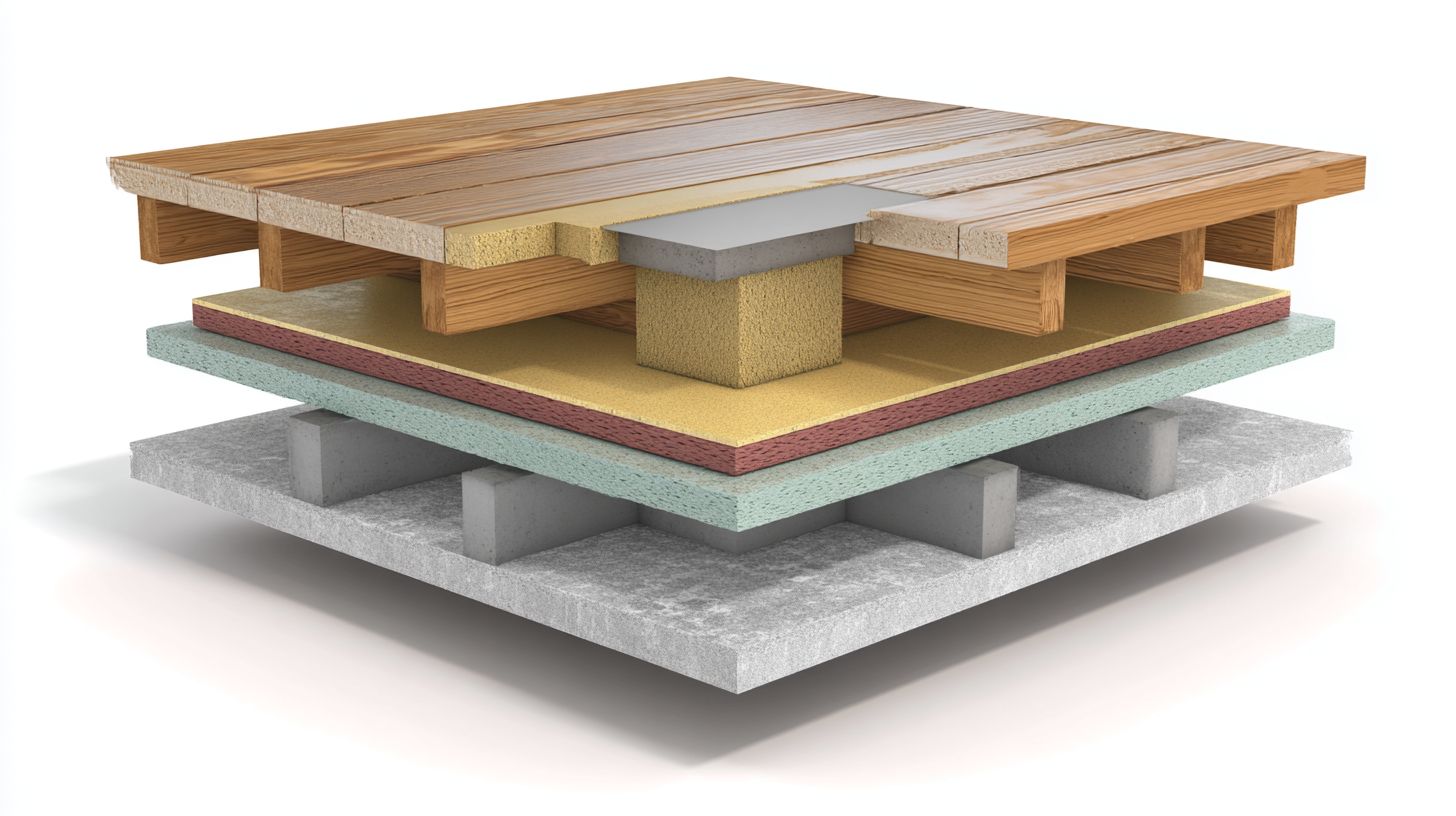
In the United Kingdom, warm roof and cold roof systems constitute the two principal methods of roof insulation. Warm roofs incorporate insulation above the roof structure to achieve superior thermal performance, whereas cold roofs position insulation between the rafters.
These approaches are prescribed by the Building Regulations in England and Wales for new build constructions and retrofit projects, where implementing them effectively in scenarios like garage conversions requires careful planning to meet insulation standards.
A thorough understanding of these systems is essential for homeowners and construction professionals engaged in contemporary UK building practices, where they are applicable to both pitched and flat (deck) roofs. The increasing emphasis on energy efficiency, as outlined in Approved Document L of the Building Regulations, focuses on minimising heat loss to align with national carbon reduction objectives.
This insight enables knowledge-based decision making regarding compliant solutions, such as utilising Approved Document L calculators available on the UK Government portal, thereby preventing expensive retrofit s.
What is a Cold Deck Roof?
A cold deck roof, which is prevalent in traditional pitched roof constructions in the United Kingdom, maintains the roof structure at ambient temperatures by positioning insulation between the rafters. This configuration requires meticulous ventilation to prevent the formation of interstitial condensation, as detailed in BRE DG 180 guidance from the Building Research Establishment.
Definition and Basic Structure
A cold deck roof is defined as a roofing system in which the roof deck—typically comprising timber rafters or a sarking board—serves as the structural foundation. Insulation is installed between the rafters, with a vapour control layer positioned beneath to effectively manage moisture levels.
Key components of this system include:
- Roof deck: An 18mm OSB board should be employed, secured with mechanical fixings such as 100mm screws to ensure structural stability.
- Rafters: These should have a depth of 150-200mm to accommodate the roof insulation, with spacing at 400mm centres.
- Underlay: A breathable membrane must be installed to mitigate condensation risk s.
A commonly utilised insulation material is mineral wool, which typically provides a thermal resistance (R-value) of around 2.5-3.0 m²K/W per 100mm thickness, contributing to appropriate U-values as required by UK standards.
During installation process, a 50mm air gap must be maintained between the deck and the underlay to facilitate ventilation, in accordance with Approved Document C, thereby preventing the onset of rot and structural degradation.
In a cross-sectional view, the rafters support the deck from above, with insulation positioned securely below and the vapour control layer aligned at the ceiling line.
This configuration can contribute to reducing heat loss when properly installed, in line with requirements from the Building Research Establishment (BRE), enhancing sound insulation as well.
Insulation and Ventilation Approach
In cold deck roofs, insulation board s, such as 100-150 mm glass mineral wool, are installed between rafters to attain a U-value of 0.18 W/m²K. Ventilation strategies, including eaves-to-ridge airflow, are employed to mitigate interstitial condensation in pitched roof s.
For effective implementation, adhere to the following procedures:
- Select appropriate roofing materials, such as glass mineral wool boards, considering the roof pitch and prevailing climate zone to satisfy U-value requirements.
- Incorporate cross-ventilation systems utilising 5,000 mm²/m soffit vents and ridge tiles to facilitate continuous airflow.
- Install a vapour control layer, for instance, a 500-gauge polythene sheet, ensuring it is securely sealed at all edges to prevent moisture penetration.
Common errors encompass excessive compression of insulation, which can diminish the R-value by up to 20%, and neglecting to inspect for gaps; thermal imaging cameras are recommended to confirm uniform coverage. Compliance with Approved Document C of the UK Building Regulations is advised, specifying minimum ventilation rates of 5,000 mm²/m for pitched roof s to promote durability and regulatory adherence.
What is a Warm Deck Roof?
Warm deck roofs incorporate insulation directly above the structural deck, thereby maintaining the roof void at internal temperatures. This approach is particularly suitable for flat roofs and extensions where available space is limited.
Definition and Basic Structure
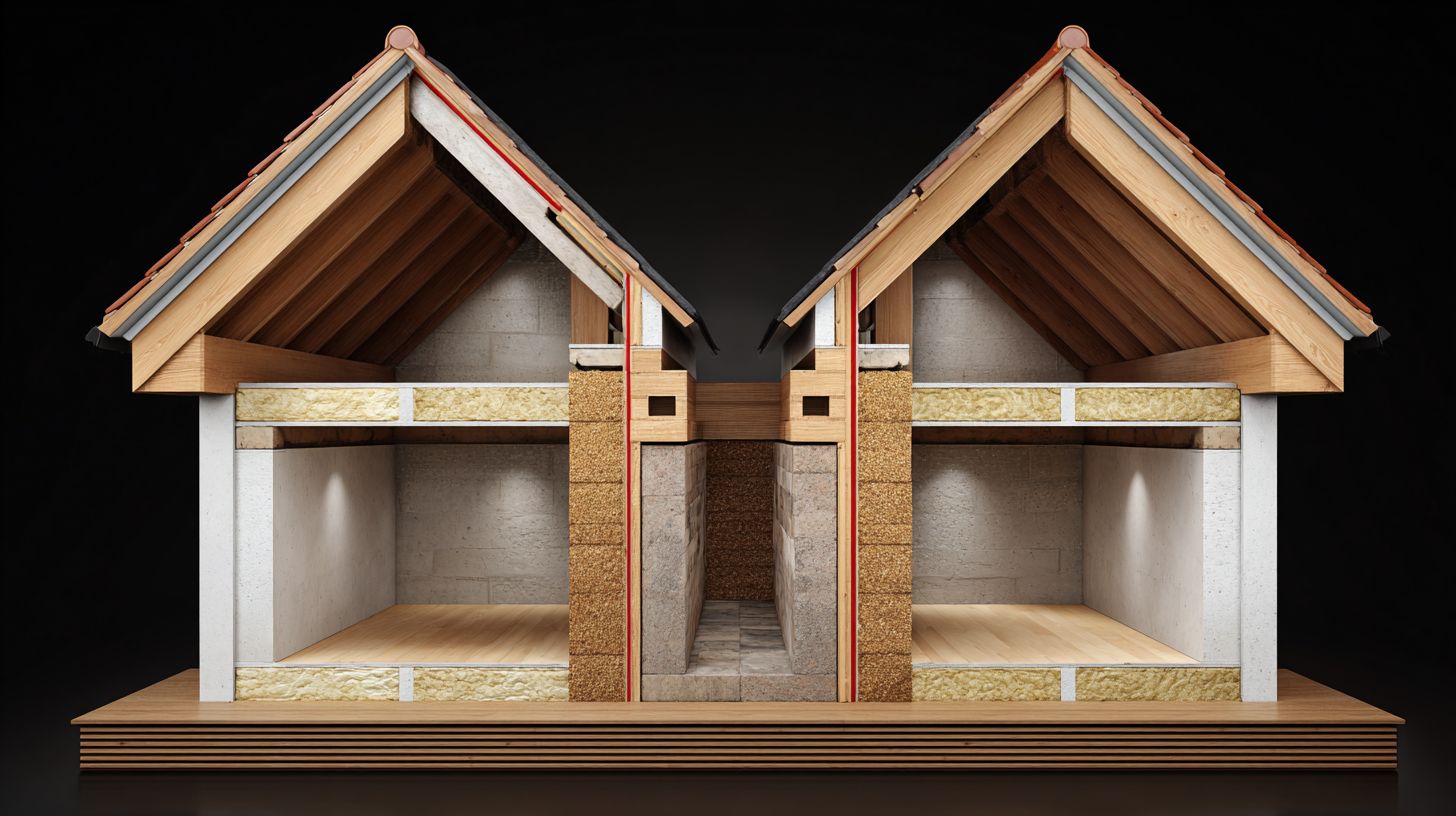
A warm deck roof incorporates insulation positioned above the roof deck, which consists of a sturdy substrate such as concrete or timber, secured by mechanical fixings and overlaid with a waterproofing membrane to provide protection.
This configuration effectively reduces thermal bridging and improves energy efficiency, while adhering to the requirements of UK Building Regulations Part L (England and Wales), achieving U-values of 0.15 W/m²K or better.
A standard construction sequence for flat roof s typically comprises:
- A durable roof deck, for instance, a substrate layer of 22mm plywood affixed to joists;
- An insulation layer consisting of 150mm PIR boards, mechanically fixed in place;
- A waterproofing membrane such as EPDM, applied via adhesion or ballasted installation, suitable for pedestrian traffic and heavy load.
The overall thickness of this roof buildup assembly approximates 200mm, with a dead load of 50kg/m².
To mitigate thermal bridging at fixation points, insulated washers should be employed, which are crucial for preserving the integrity of the insulation, as evidenced by studies in BRE Guide BR 443 concerning condensation risk s.
Insulation and Ventilation Approach
Warm deck roofing systems incorporate insulation positioned externally over the structural deck, with a vapour control layer installed internally. This approach minimises ventilation requirements and significantly reduces the risk of condensation in flat roof constructions.
To implement this system effectively, adhere to the following key procedures:
- Apply a Vapour Control Layer (VCL), such as 0.2 mm polythene sheeting, directly to the underside of the deck to prevent moisture ingress.
- Install insulation boards over the deck, for example, PIR boards featuring a low thermal conductivity of 0.022 W/mK, ensuring complete coverage without gaps.
- Seal all joints using vapour-resistant tape to preserve the system’s integrity.
In flat roof applications, ventilation voids should be restricted to a minimum of 50 mm only where the roof incorporates a slight pitch; otherwise, they should be avoided to prevent Thermal Bridging. this configuration significantly reduces condensation risk, as outlined in BS 5250 standards.
Omitting the vapour control layer represents a common oversight that can lead to moisture accumulation, resulting in material degradation and structural degradation.
Key Structural Differences
The fundamental structural distinctions between cold deck and warm deck roofs primarily concern the placement and configuration of roof insulation, which in turn affect their suitability for Pitched Roof s as opposed to Flat Roof s, as well as associated risks such as thermal bridging, including ice dam formation.
Insulation Placement
In cold deck roof systems, insulation is positioned between the rafters in pitched roofs, primarily for retrofit applications, whereas warm deck roofs incorporate insulation above the deck in flat roof new constructions, thereby influencing heat flow dynamics.
Retrofitting cold deck roofs is particularly suitable for pitched structures, as insulation can be installed between the rafters with minimal disruption, in compliance with UK Building Regulations Part L. Warm deck systems are well-suited for flat roof extensions, offering superior airtightness; however, they require deck replacement, which increases costs by 20-30% according to BRE studies.
Key challenges in these roof systems include ventilation needs such as ensuring adequate ventilation to prevent moisture accumulation and performing structural assessments to confirm load-bearing capacity.
Moisture and Condensation Control
Cold roofs depend on enhanced ventilation systems to manage interstitial condensation, whereas warm roofs incorporate vapour control layers to restrict moisture diffusion, thereby reducing the associated risk by 70% in the humid climates of the United Kingdom.
Key challenges involve three common issues, each addressed through targeted solutions.
- In cold roofs, interstitial condensation forms within the insulation layers; this can be mitigated by implementing 25 mm air gaps and ridge vents compliant with BS 5250 standards, ensuring airflow exceeds 25 litres per second per metre.
- In warm roofs, internal surface condensation arises; vapour control layers (VCL) should be installed to maintain relative humidity below 70%, in accordance with the guidelines set forth in BRE Guide BR 262.
- Leaks introduce external moisture; the integrity of waterproofing membranes must be tested using the protocols outlined in BS EN 1928 (British Standard for flexible sheets for waterproofing).
In retrofit projects in Hertfordshire, inadequate ventilation contributed to 20% structural degradation—thermal imaging cameras are recommended for early detection and prevention.
Performance and Efficiency Comparison
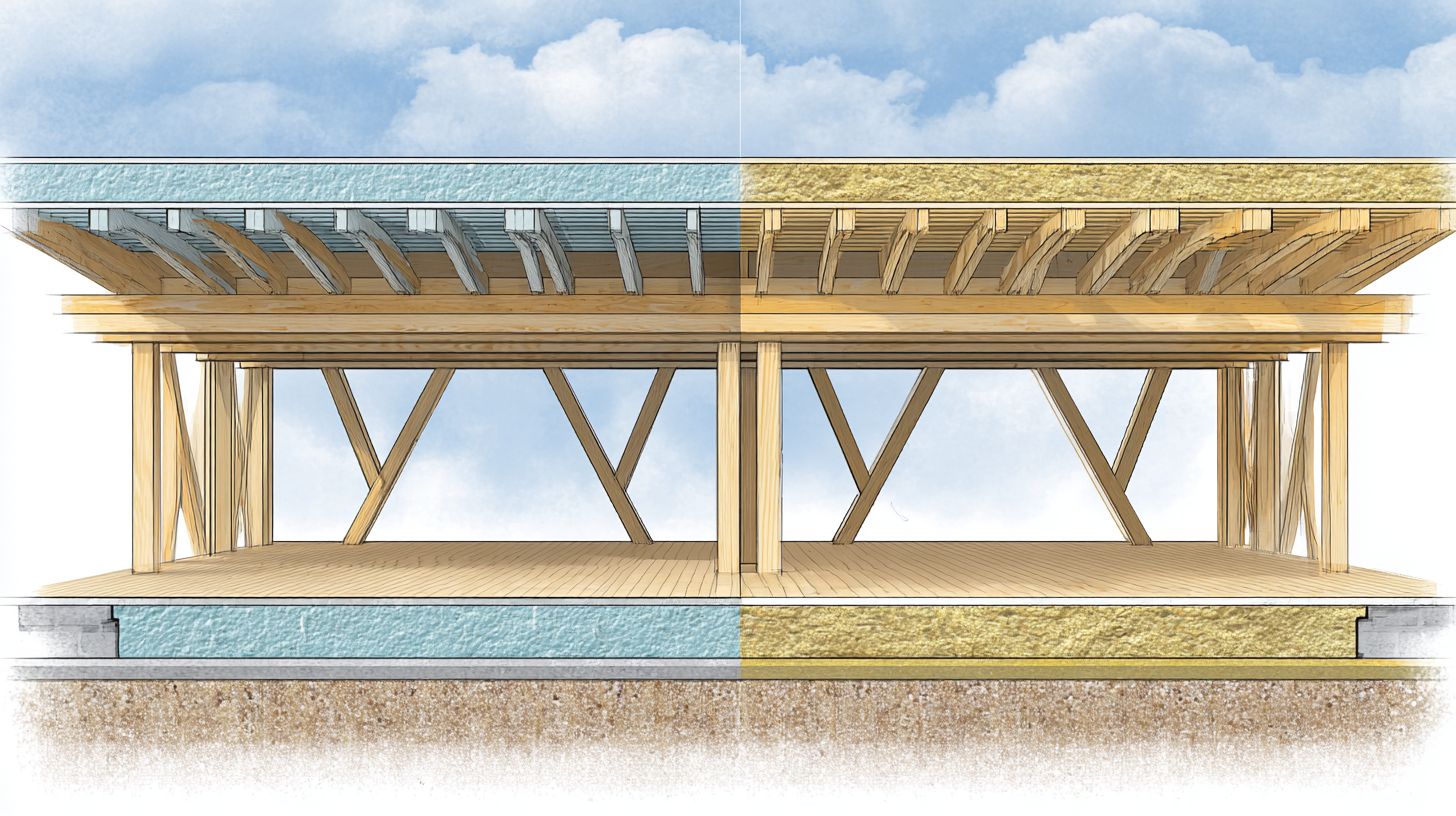
Warm deck roofs typically demonstrate superior thermal performance compared to cold deck roofs, achieving U-values as low as 0.13 W/m²K, in contrast to 0.18 W/m²K for cold deck configurations. This enhanced efficiency translates to approximately 12% greater energy savings in residential buildings within the United Kingdom, as detailed in the UK Government’s Future Homes and Buildings Standards 2023 consultation.
Thermal Performance
Warm roofs effectively minimise thermal bridging, thereby maintaining consistent U-values of 0.15 W/m²K. In contrast, cold roofs are susceptible to a 10-15% performance loss due to thermal bridges, which can exacerbate ice dam formation during cold weather conditions.
For a comprehensive comparison, it is advisable to assess these key metrics using established industry-standard data.
Warm roofs demonstrate superior energy efficiency, as the insulation is positioned above the roof deck to reduce heat loss. Implementation typically involves the continuous layering of rigid foam boards over the rafters.
| Aspect | Cold Roof | Warm Roof | Metrics |
|---|---|---|---|
| U-value | 0.18 W/m²K | 0.13 W/m²K | Lower values indicate better insulation |
| Energy Savings | 8% annual | 20% annual | Based on UK heating costs |
| Thermal Bridging | High risk at rafters | Low with continuous layer | Minimises condensation risk |
The return on investment for warm roofs is achieved within approximately 7 years, supported by annual energy bill savings of £200. Thermal imaging studies substantiate a 25% efficiency advantage, affirming these benefits particularly in colder climates.
Advantages and Disadvantages
Although Cold Roof systems provide a more cost effective initial installation option for retrofitting pitched roofs, Warm Roof systems deliver greater long-term energy efficiency benefits, albeit with elevated upfront costs, particularly for flat roof structures designed to accommodate pedestrian traffic.
For Cold Deck Roofs
Cold deck roofs offer several advantages, including reduced material costs ranging from £20 to £30 per square metre and simplified retrofit installation in pitched roof structures. However, they also present challenges, such as increased ventilation requirements and a heightened risk of ice dams during winter conditions.
In comparison to warm deck roofs, cold deck systems are approximately 20% more cost-effective, according to industry standard 2020 pricing data. Nevertheless, they experience about 10% greater energy loss attributable to the exposed decking.
To maximise the benefits of cold deck roofs, it is advisable to prioritise straightforward installation processes, which typically require 2 to 3 days for a 50-square-metre area and are particularly suitable for loft conversions. This can be achieved by incorporating specialised components, such as breathable membranes from reputable manufacturers.
Potential drawbacks, including condensation issues, can be mitigated through the installation of ridge vents during retrofitting, which has been shown to reduce failure rates by 15%, as indicated in studies referenced by UK Building Regulations.
In a recent project in Hertfordshire, this methodology resulted in material cost savings of £2,000, offset by an additional £500 for ventilation enhancements, ultimately contributing to the roof’s long-term durability and performance.
For Warm Deck Roofs
Warm deck roofs offer superior energy efficiency through minimal thermal bridging, making them particularly suitable for flat roof extensions that must accommodate heavy loads of up to 1.5 kN/m².
However, they require meticulous installation to prevent potential waterproofing failures.
To realise energy savings of up to 18% in accordance with Approved Document L, insulation should be applied above the deck using rigid polyisocyanurate (PIR) boards, which achieves a U-value of 0.013 W/m²K at a thickness of 150 mm.
The key installation steps are as follows:
- Lay a vapour control layer initially;
- Follow with tapered insulation to facilitate drainage;
- Apply a reinforced bitumen membrane, ensuring all joints are properly sealed.
Advantages include compatibility with balconies and consistent U-values; disadvantages encompass material costs of £40/m² and a build-up time of 4-6 hours per 50 m².
In a North London project utilising PIR boards, the system achieved 95% efficiency and a 5-year return on investment for the £3,000 expenditure, driven by annual heating cost reductions of £250, as documented in UK building research studies.
UK Building Regulations and Applications
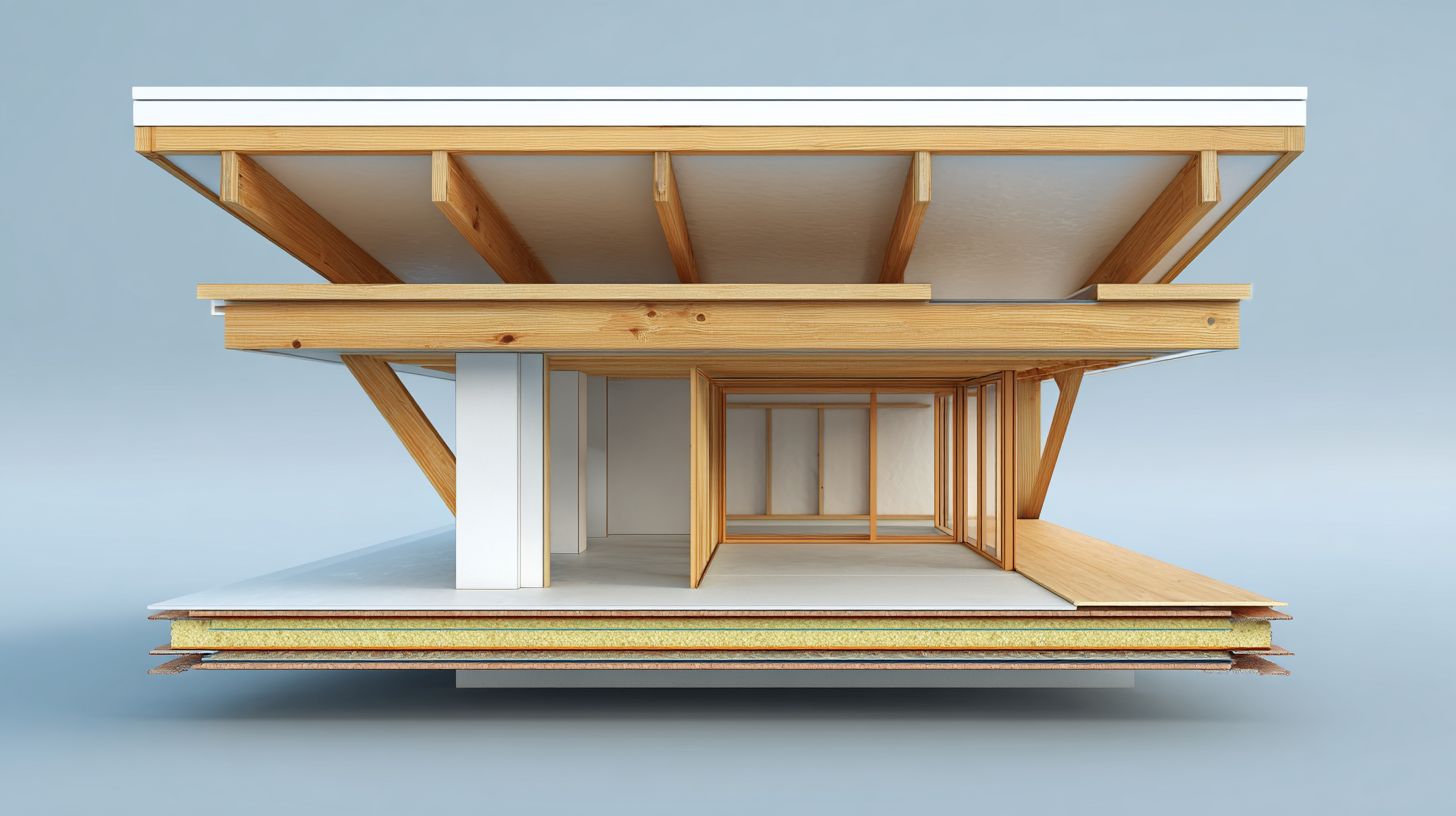
UK Building Regulations, including Approved Document L (Conservation of Fuel and Power, updated 2021) and Approved Document C (Resistance to Contaminants and Moisture), establish the requirements for warm and cold roof applications. British Standard BS 5250 provides comprehensive guidance on moisture control.
In warm roof constructions, insulation is positioned above the deck to reduce the risk of condensation, whereas cold roofs incorporate ventilated voids to facilitate airflow.
Essential parameters include a maximum U-value of 0.15 W/m²K for thermal performance as specified in Approved Document L 2021 for England, and ventilation rates of 5,000 mm²/m for cold roofs as outlined in Approved Document C. Roof lanterns may require planning permission under permitted development rules in England and Wales, depending on size and location.
The guidance updated on 5 Jan 2016 addresses interstitial condensation through the application of BS 5250, emphasising the use of vapour control layers.
Frequently Asked Questions:
- Does retrofit work require approval? Yes, applications must be submitted to the local building control authority for verification of compliance. To streamline this process, preparing detailed building regulations plans becomes your essential next step.
- What U-value applies to roofs? A maximum of 0.13 W/m²K, as per Approved Document L (2021) for new thermal elements in dwellings.
- How should cold roofs be ventilated? Openings totaling 5,000 mm²/m must be provided, in accordance with Approved Document C.
- When is permission required for roof lanterns? Planning permission is typically required if the roof lantern does not qualify as permitted development, such as when it enlarges the building volume beyond allowed limits (e.g., 40 cubic metres for houses in England and Wales) or affects the external appearance, in line with planning regulations.
- How can condensation be prevented? Implement vapour control layers as recommended by BS 5250:2021, the current UK standard.
FAQs
What is the difference between a warm deck roof and a cold deck roof in England and Wales
In England and Wales, a warm deck roof places the insulation above the structural deck and below the waterproofing membrane, keeping the deck itself warm and reducing the risk of condensation. In contrast, a cold deck roof has the insulation below the deck, creating a ventilated cavity above to allow cold air circulation, which can lead to potential moisture issues if not properly ventilated. The key difference lies in the insulation position, affecting thermal performance and condensation control in the damp climate of England and Wales.
What are the main advantages of a warm deck roof compared to a cold deck roof in England and Wales?
A warm deck roof offers better thermal efficiency by fully insulating the roof structure, minimising heat loss and complying with England and Wales building regulations like Part L for energy conservation. Unlike a cold deck roof, which relies on ventilation and can suffer from interstitial condensation in humid conditions in England and Wales, a warm deck reduces cold bridging and provides a more robust barrier against moisture, leading to longer-lasting roofs and lower energy bills.
Is a Warm Roof more suitable than a Cold Roof for the climate in England and Wales?
Yes, in the temperate and often wet climate of England and Wales, a Warm Roof, particularly suitable for balcony applications, is generally preferred over a Cold Roof because it eliminates the need for a ventilated cavity, reducing the risk of condensation and mould growth. The insulation layer, often incorporating a Vapour Control Layer, in a warm deck keeps the structure dry and warm, aligning with modern England and Wales standards for airtightness, whereas cold deck roofs require meticulous ventilation to avoid damp issues prevalent in older buildings in England and Wales.
How does the installation process differ between a Warm Roof and a Cold Roof in England and Wales for Flat Roof projects?
Installing a Warm Roof in England and Wales involves laying insulation directly on top of the Roof Deck before applying the Waterproofing Membrane, which is a straightforward process that can be done in one layer and can incorporate features like Roof Lanterns, making this efficient. A Cold Roof installation, however, requires creating a ventilated airspace above the deck with insulation placed below or between joists, often needing additional venting components to meet England and Wales fire and moisture regulations, making it more complex and time-consuming, especially when adapting from Pitched Roof designs.
What are the energy efficiency implications of choosing a Warm Roof versus a Cold Roof in England and Wales?
A Warm Roof enhances energy efficiency in England and Wales by providing continuous insulation that prevents thermal bridging, helping achieve higher U-values as required by England and Wales energy performance certificates. In comparison, a Cold Roof may have lower efficiency due to potential air leakage in the ventilated cavity, increasing heating costs in the cooler weather of England and Wales, though both must adhere to the same England and Wales Building Regulations for insulation standards.
Are there specific England and Wales Building Regulations that differentiate Warm Roofs from Cold Roofs?
England and Wales Building Regulations, particularly Approved Document L (Conservation of Fuel and Power) and Approved Document C (Resistance to Moisture), apply to both but emphasise Warm Roofs for their superior condensation control without relying on ventilation. Cold Roofs must incorporate robust ventilation systems to prevent moisture buildup, as per BS 5250 standards, making compliance more stringent for them in the variable weather to avoid penalties during inspections. This guidance is especially relevant for projects in North London and Hertfordshire. Published: 5 January 2016; Updated: 2nd September 2020.