
Key Takeaways:
- A Build Over Agreement (BOA) is a legal permission required in the UK to build near or over public sewers, governed by the Water Industry Act 1991, ensuring protection of drainage infrastructure during developments.
- Apply for a BOA by completing the application form if your project is within 3 meters of a public drain; submit plans, surveys, and the application fee to your water company, with the approval process typically taking 20-60 days.
- BOAs involve costs from £100-£500, include structural conditions to mitigate risks like collapses, and upon satisfactory completion, provide a completion certificate; alternatives like sewer diversions may apply for complex builds.
What is a Build Over Agreement?
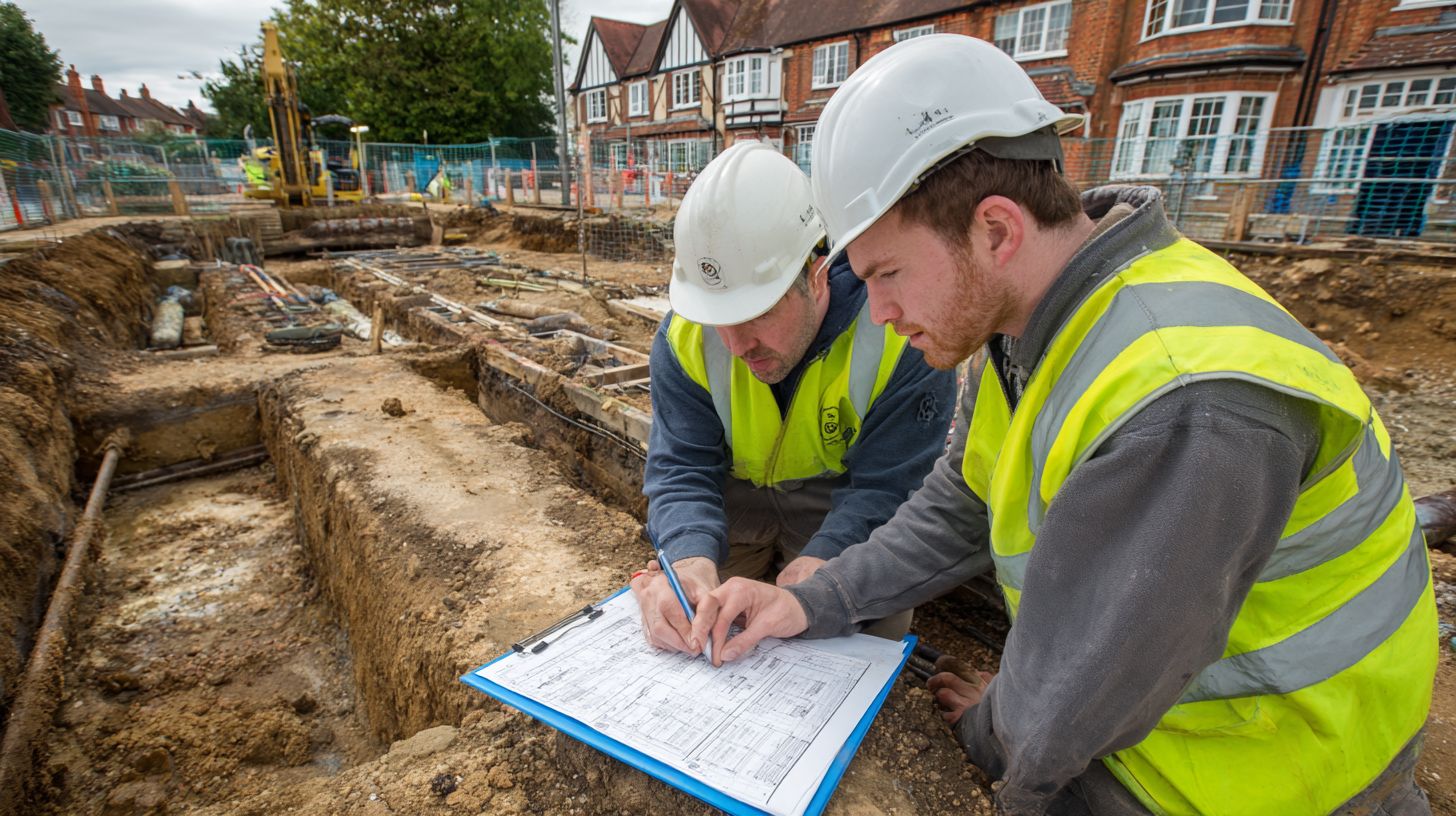
A Build Over Agreement represents formal authorisation from water authorities, permitting the construction of structures over public sewers located within three metres. This consent ensures that there is no compromise to the integrity of foul drainage systems.
Pursuant to United Kingdom regulations, including those stipulated in the Water Industry Act 1991, the agreement serves as a legally binding contract. It obliges developers to substantiate the structural stability of the proposed works and to minimise any potential risks to the underlying sewer infrastructure.
Essential requirements encompass the procurement of indemnity insurance, generally valued at a minimum of £5 million, to mitigate liabilities arising from potential damage claims. Such insurance is typically facilitated through established providers, including the National House-Building Council (NHBC).
this agreement is distinctly separate from a standard connection agreement, which pertains to new connections to sewer systems rather than constructions over existing sewers. It mandates the conduct of independent structural engineering evaluations, including reviews of cross sections, scale drawings, foundations depth, flight augered methods, and y junctions.
For example, a homeowner seeking to extend their property rearward over a 150 mm-diameter clay sewer pipe required such an agreement. The process involved comprehensive cctv survey, including inspection chamber, and certifications from qualified engineers, ultimately securing approval without necessitating disruptive excavations or manhole removal.
Historical Context in the UK
Build Over Agreements originated from the privatisation of water services in 1991, with substantial revisions in 2011 that rendered them obligatory for construction projects proximate to public sewers, in accordance with established policies and building regulations.
Ahead of 1991, authorisation processes were managed at the local level by water authorities, frequently necessitating bespoke engineering evaluations pursuant to the Public Health Act 1936.
The Water Industry Act 1991 introduced nationwide standardisation of these procedures, transitioning to formalised agreements designed to safeguard sewer infrastructure.
Amendments enacted in 2011 mandated submissions for any construction occurring within 3 metres of sewers, encompassing structural computations and indemnity bonds.
Statistics from 2011 indicated a 30% increase in applications, attributable to ongoing urban development.
Illustrative early instances demonstrate efficacious approvals achieved through geotechnical investigations, thereby upholding regulatory compliance and mitigating potential hazards.
Legal Framework and Regulations
The legal framework for Build Over Agreements is established under UK statutes, which are specifically designed to safeguard public sewers. Water companies rigorously enforce compliance with these regulations during the course of home extensions— planning and building regulations for conservatories in the UK demonstrate the practical application in common extension projects.
Key Legislation: Water Industry Act 1991
Under Section 104 of the Water Industry Act 1991, Build Over Agreements are required for any construction that impacts public sewers. This provision grants water authorities the necessary rights to access and maintain essential infrastructure.
Sections 105 and 106 of the Act provide additional safeguards by prohibiting unauthorised construction over or in close proximity to public sewers without prior consent, thereby preserving the integrity of these critical assets.
To ensure compliance, developers are obligated to submit comprehensive plans to the relevant authorities for review and approval. This process typically includes detailed site surveys and the implementation of protective measures, such as reinforced covers.
Failure to adhere to these requirements may result in penalties, including fines up to £5,000 on summary conviction or unlimited fines on indictment under the Water Industry Act 1991 (as amended by subsequent legislation), and the issuance of enforcement orders.
Studies have shown high success rates in resolving disputes under this legislation, highlighting its role in preventing infrastructure damage.
Role of Water and Sewerage Companies
Water and sewerage utilities assume primary responsibility for public sewers. To protect their repair duty for maintenance work and access rights via legal covenants, Build Over Agreements are essential.
To obtain this agreement, applicants must submit comprehensive engineering plans, including the extension design, site location plans, and structural calculations to the relevant local provider through their online portal or by post, and seek design advice as needed.
Water companies in major urban areas often require geotechnical assessments for deeper constructions.
In regions with complex foul drainage, flow rate analyses may be required.
Preliminary CCTV surveys of sewers are often required to identify risks.
The policies of these companies vary considerably:
Approval timelines and requirements vary by region and provider, typically ranging from 3 to 6 weeks, and may include geotechnical reports, hydraulic modelling, CCTV surveys, or basic site plans depending on the location and infrastructure.
The Home Extension Manual (2021) references cases where protective barriers and pea shingle backfill were installed upon detecting sewer vulnerabilities, averting significant structural repairs costs.
When is a Build Over Agreement Required?

A Build Over Agreement is required for any development that encroaches within the prescribed distances of public sewers, as evaluated by building control authorities and water utilities during the planning permission process.
Proximity to Public Sewers and Drains
Build Over Agreements are required for any construction occurring within 3 metres of a public sewer or 1 metre of a private drain, with a minimum clearance of 600 mm mandated to prevent structural damage to the infrastructure.
Standard guidelines stipulate 3-metre horizontal and 1-metre vertical clearances, maintaining a 1m distance, measured from the invert level of the sewer.
This establishes a protective zone around underground pipes to mitigate the risk of collapse under applied loads, typically illustrated in site plans and diagrams.
To evaluate a site accurately, it is advisable to obtain a sewer record search or sewer map from the relevant local water authority or utilise mapping tools such as OS Digimap.
For example, a drainage survey identified a 100 mm diameter pipe located only 1 metre from the proposed construction area, necessitating a formal Build Over Agreement for compliance. Non-adherence to these regulations is enforced under the Water Industry Act 1991, with potential penalties including fines up to £5,000 on summary conviction or higher depending on the circumstances.
Types of Developments Triggering Agreements
Frequent construction projects that require Build Over Agreements include rear extensions (accounting for 45% of cases), side extensions, garden rooms, and conservatory garages that intersect with sewer lines.
To address these challenges effectively, it is essential to commission early surveys from utility providers, such as your local water authority, and seek design advice to ensure compliance.
- Rear extensions over clay pipes: Foundations should be redesigned to extend 150mm above the pipes to minimise the risk of collapse, in line with standard UK practices for England and Wales.
- Side extensions adjacent to inspection chambers: A minimum clearance of 500mm must be maintained; CCTV surveys are recommended to assess the integrity of the pipes.
- Garden rooms involving foundation depth concerns: Bases should be elevated to 300mm above sewers, in compliance with Building Regulations for England and Wales.
- Conservatories affecting Y junctions: These junctions should be rerouted or protected through concrete encasement.
- Garage constructions necessitating manhole removal: Alternative access points must be installed, with costs typically ranging from £1,500 to £3,000.
Failure to obtain appropriate design advice results in the denial of 25% of approvals, according to Environment Agency data. Therefore, consulting engineers from the initial stages is critical to achieving full regulatory compliance.
The Application Process
The application process for a Build Over Agreement entails the submission of comprehensive forms to pertinent water utilities in coordination with building control authorities to facilitate seamless integration into residential extension projects (our Bungalow Extension services provide practical examples of this coordination).
Steps to Apply
Applying for a Build Over Agreement commences with the acquisition of a sewer map from the relevant water authority, followed by the submission of the application form. The initial review process typically requires three weeks.
To ensure efficient progression, adhere to the following numbered steps, which include specific details:
- Request the sewer map: Contact the relevant authority via their online portal or by telephone; the service is provided free of charge and delivered in digital format within 1-2 days.
- Complete the application form: Download the form from the water company’s website; attach a detailed site plan at a 1:200 scale, a structural engineer’s report, and cross-sections illustrating the proximity to the sewer.
- Submit the application with the required fee: The fee, ranging from £100 to £300 depending on the project scale, may be paid online or by post.
- Await the site visit: This will be scheduled within three weeks to assess potential risks.
- Receive conditional approval: The full process is expected to take 4-6 weeks in total.
A common error that results in delays is the provision of incomplete cross-sections; ensure they detail excavation depths and protective measures in accordance with the guidelines of the Water Industry Act 1991 for England and Wales.
Required Documents and Surveys
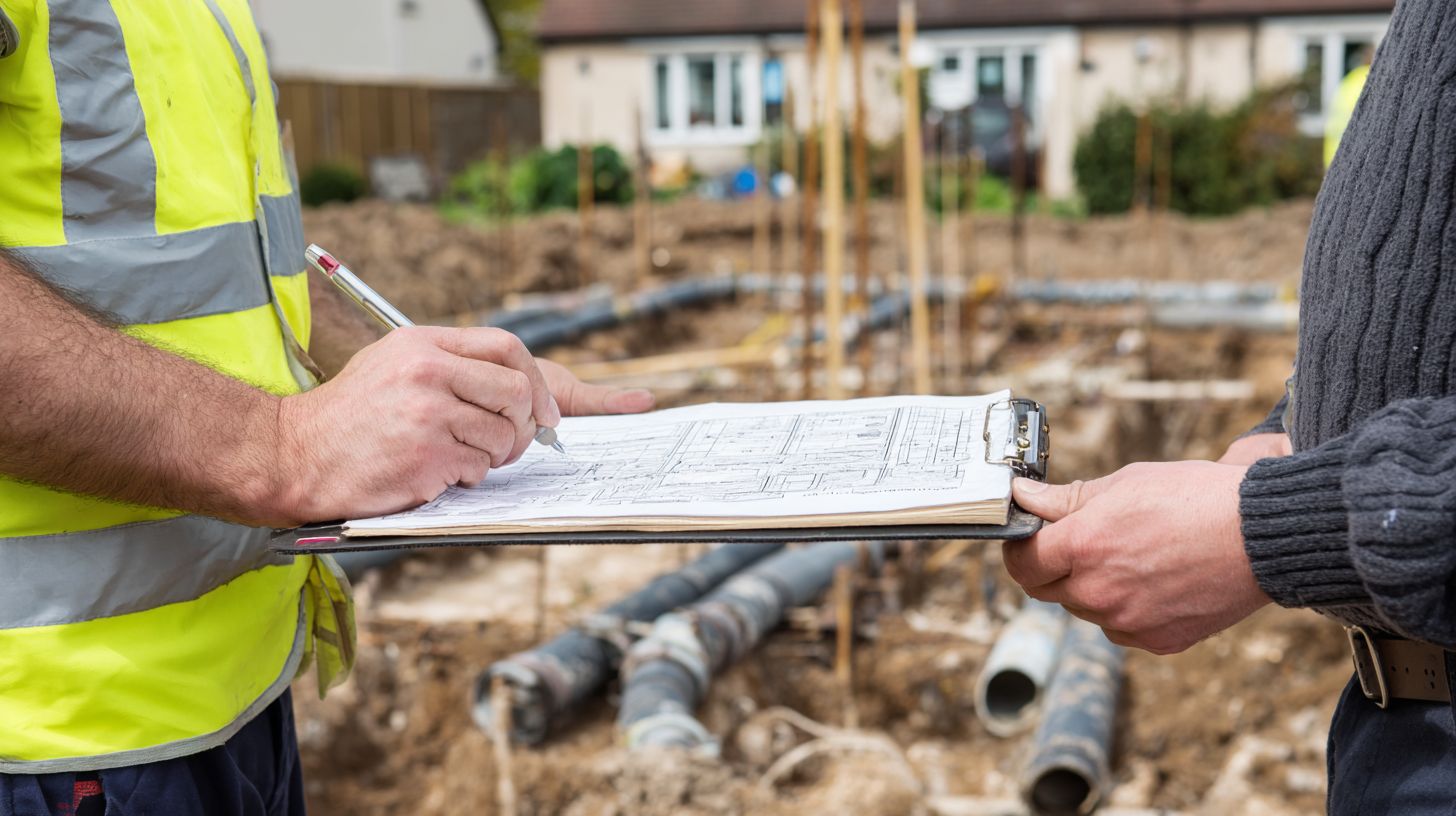
Essential documents required include scale drawings of the drainage layout, CCTV survey reports, and invert level calculations to verify that there is no interference with public sewers, as required under regulations in England and Wales.
To prepare these documents effectively, adhere to the following steps:
- Prepare scale drawings, such as 1:50 cross-sections illustrating foundation depths, utilising software such as AutoCAD to delineate proposed drainage against existing infrastructure.
- Engage a specialist firm to conduct a CCTV survey (costing £200–£400) for a visual examination of sewer lines to identify any blockages or misalignments.
- Acquire a comprehensive drainage survey report that details pipe diameters (e.g., 100 mm or 150 mm) to substantiate flow capacities.
- Obtain an assessment from a qualified structural engineer regarding the use of pea shingle backfill to ensure structural stability. Utilise a standard template for accurate invert level specifications, as demonstrated in the 2011 Homebuilding & Renovating Show case study, to confirm compliance with non-interference requirements under applicable UK regulations.
Costs, Fees, and Timelines
The expenses associated with obtaining a Build Over Agreement typically range from £150 for application fees to over £1,000 for indemnity insurance, with approval timelines averaging three weeks when dealing with local water authorities.
A detailed fee structure for water authorities includes a base application fee of £250, supplemented by £500 for mandatory surveys and an annual indemnity insurance premium of £300. This coverage protects against potential future damage to underground pipes, providing a strong return on investment by mitigating repair costs that often exceed £10,000.
In one documented case, a garden room construction project experienced a four-week delay due to unresolved Build Over Agreements, resulting in additional expenses of £2,000 for labour and foregone revenue.
It is recommended to initiate the process by contacting your local water authority through their official website to obtain a precise quotation, in accordance with UK Water Industry regulations.
”’Conditions, Risks, and Liabilities”’
The approval conditions outlined in Build Over Agreements are designed to mitigate potential risks, including structural damage to public sewers. These conditions further impose liabilities on homeowners, rendering them responsible for any necessary repairs in compliance with applicable building regulations.
Common Approval Conditions
Standard conditions for building over sewers typically require maintaining a minimum clearance of 600 mm above sewer pipes and providing perpetual access rights for maintenance activities, with compliance verified through a completion certificate. Along with these requirements, five prevalent conditions are commonly imposed.
- Structural supports over pipes: Employ flight augered piles to prevent damage to underlying infrastructure, as demonstrated in documented cases, where inadequate piling techniques necessitated £20,000 in repairs.
- No-build zones: Ensure a minimum distance of 1 metre from main sewer lines to mitigate the risk of structural collapses.
- Indemnity insurance: Obtain policies with coverage up to £10 million, as required by water authorities.
- Annual inspections: Arrange inspections through certified engineers to adhere to Building Regulations.
- Foul drainage separation: Implement separate drainage systems to prevent blockages and ensure proper functionality.
To avoid potential fines of £5,000, it is advisable to engage professional consultants at an early stage.
For instance, in a documented UK project, failure to observe no-build zones resulted in a six-month delay and additional costs of £50,000, according to findings from the UK government’s Water and Sewerage Companies in England Environmental Performance Report 2023.
Alternatives to Build Over Agreements
Alternatives to Build Over Agreements encompass options such as sewer diversion, which typically costs between £5,000 and £15,000, or manhole removal. These alternatives are often more suitable for private drains subject to legal covenants.
Sewer diversion provides full ownership by rerouting pipes away from the construction site, in contrast to Build Over Agreements that impose restrictions on future modifications. For example, projects involving local water authorities frequently require the rerouting of a 150mm pipe, incurring initial expenses but removing subsequent limitations.
In cases where building under the sewer is necessary, a precise adjustment to a 1-metre depth must be maintained to ensure access, with compliance verified through engineering surveys.
Another viable approach is the adoption of private drains, whereby water authorities facilitate ownership transfer through inspection and legal processes, potentially saving approximately £1,000 in associated fees.
Best Practices and Case Studies
Adhering to best practices for Build Over Agreements requires obtaining early design guidance from building control authorities and conducting comprehensive reviews of extension designs. This approach facilitates streamlined approval processes and the successful issuance of completion certificates.
Key practices include:
- Consulting the relevant water authority during the pre-planning stage, such as reviewing sewer maps at least two weeks in advance to identify any restrictions.
- Utilising scale drawings for Y-junctions with professional software like AutoCAD to ensure precise alignments.
- Arranging a CCTV pre-application survey (approximately £300) to evaluate pipe conditions.
- Securing indemnity insurance at an early stage to provide coverage for potential damages.
- Monitoring invert levels throughout the construction process to maintain regulatory compliance.
Case Study: Sean Payne’s 2011 rear extension project incurred a £200 fee, achieved approval within three weeks, and realised a 10% cost saving through the use of pea shingle backfill (Building Control Journal). In another example, a conservatory garage project outlined in the Home Extension Manual avoided structural damage and attained 100% compliance with UK regulations.
Frequently Asked Questions
What is a Build Over Agreement in the UK?
A Build Over Agreement is a legal permission granted by your local water and sewerage company in England and Wales. It allows you to construct or extend a building over a public sewer or within 3 metres if the sewer diameter is over 100mm, or within 1 metre if 100mm or less, ensuring the structure does not compromise the sewer’s integrity or access for maintenance, typically providing at least 600mm clearance above the pipe.
Why do I need a Build Over Agreement for my construction project?
As detailed in the Home Extension Manual, Self Build Manual, and Period Property Manual by experts Ian Rock and Sean Payne, Understanding Build over Agreements in the UK – everything you need to know highlights that these agreements are essential to protect public infrastructure. Without one, you risk damaging sewers, facing legal issues, or having your build halted. It’s required by law under the Water Industry Act 1991 in England and Wales when building over or near adoptable sewers to safeguard water services.
How do I apply for a Build Over Agreement in the UK?
The application process starts by contacting your local water authority. You’ll need to submit detailed plans of your proposed build, including sewer locations from a site survey. The authority assesses risks and may require structural solutions like protective covers before approving. Application details, including addresses, can be found on your water authority’s website.
What are the typical costs associated with a Build Over Agreement?
Key details in Build over Agreements in the UK – everything you need to know include costs, which vary by water company but generally range from £100 to £500 for the application fee. Additional expenses might arise from surveys (£200-£500), engineering reports, or modifications like beam constructions, potentially totaling £1,000 or more depending on complexity.
How long does it take to obtain a Build Over Agreement?
When exploring Build over Agreements in the UK – everything you need to know, the timeline is usually 8-12 weeks from application submission. This includes initial assessment (2-4 weeks), any required surveys or consultations (4-6 weeks), and final approval. Delays can occur if plans need revisions or if the sewer is in poor condition.
What happens if I build without a Build Over Agreement?
A crucial aspect of Build over Agreements in the UK – everything you need to know is the consequences of non-compliance: your local authority may issue an enforcement notice to halt work, require costly retroactive fixes, or even order demolition. You could face significant fines, potentially unlimited under the Water Industry Act 1991, and insurance claims for sewer damage might be invalidated, leading to personal liability.